The 51-day standoff that turned a Texas ranch into a national flashpoint
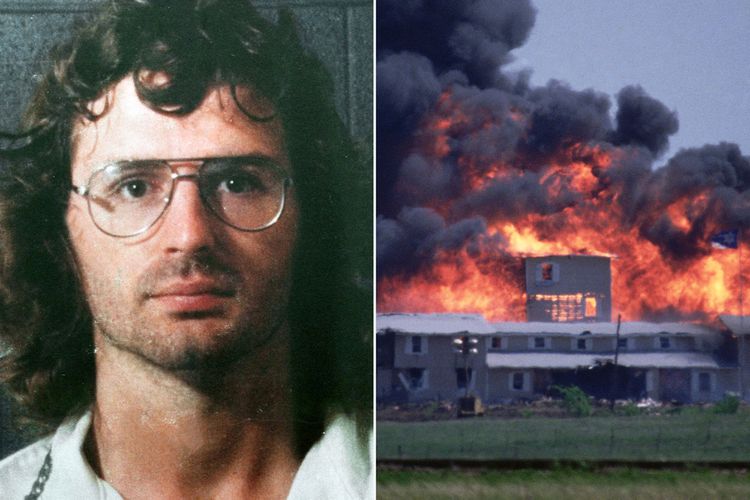
The smoke rose over the Texas prairie on April 19, 1993, and the cameras caught every second of it.
The fire at the Mount Carmel Center ranch near Waco consumed the buildings.
Seventy-six people died in that fire, including more than twenty children and David Koresh himself.
The standoff had lasted 51 days by then.
It began on February 28, 1993, when agents from the Bureau of Alcohol, Tobacco, and Firearms attempted to execute search and arrest warrants at the ranch.
Then the fire came.
And the question that followed the smoke has never been answered by the record.
Was the fire deliberately set by the Branch Davidians?
Was it accidentally started by the tear gas assault?
Did the government start it?
The documented record does not establish any of these origins.
A theory circulating online holds that the government started the fire.
That is a theory, not a fact established by the record.
The media camped outside the compound for those 51 days, broadcasting daily reports.
The public reaction was sharply divided.
Many condemned the government's tactics as excessive.
Others blamed Koresh for the deaths.
The fire's origin became the subject of intense and lasting controversy.
Not because the evidence was clear.
But because the evidence was gone with the building.
She was on the ground below.
The children were inside.
The fire took the answer with them.
The origin of the fire is not established in the record.
Whether it was the Davidians or the gas assault — the record does not say.
That would require evidence.
The theory remains a theory.
The dead remain dead.
The question remains open.
FEBRUARY 28 — THE RAID
February 28, 1993.
Agents from the Bureau of Alcohol, Tobacco, and Firearms arrived at the Mount Carmel Center ranch.
They came to execute search and arrest warrants.
The warrants named David Koresh, the leader of the Branch Davidians, on federal firearms charges.
The property was to be searched for illegal weapons.
It was supposed to be a routine warrant execution.
It became a gun battle.
What exactly triggered the gun battle is not detailed in the record.
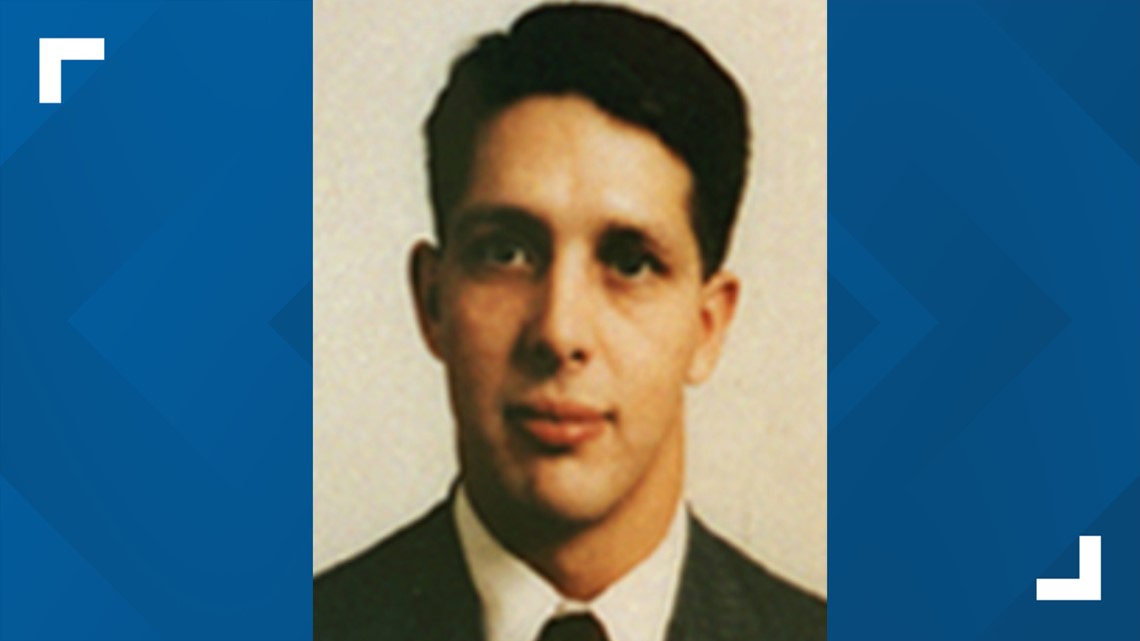
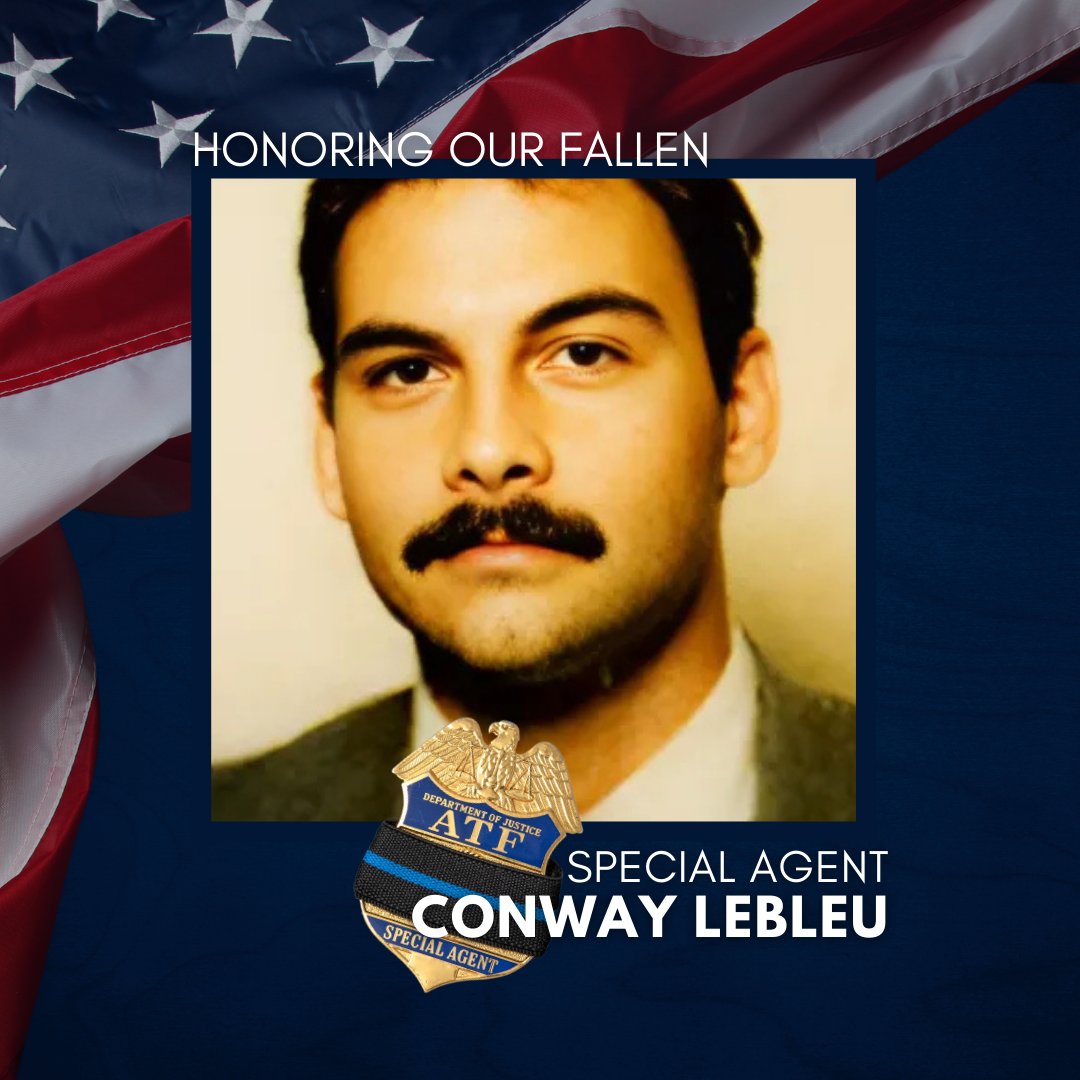
Four ATF agents were killed: Todd McKeehan, Robert Williams, Conway LeBleu, and Steve Willis.
Six Branch Davidians were also killed.
The raid lasted less than an hour.
The media arrived before the smoke cleared.
Cameras captured the wounded being carried from the field.
The public watched the aftermath on television, unsure what they had seen.
Koresh, born Vernon Wayne Howell, survived the initial raid.
He remained inside the compound with his followers.
The warrants were never served.
The search never happened.
The dead were counted, and the standoff began.
It would last 51 days.
51 DAYS — THE STANDOFF
The FBI took control of the operation, and the siege settled into a waiting game.
Fifty-one days of it.
The cameras arrived before the negotiations did, a massive media presence camping outside the compound.
They broadcast daily reports, beaming the standoff into living rooms across the country.
Every day, the same image: the white buildings on the Texas prairie, the fence line, the smoke of cooking fires rising from inside.
FBI negotiators worked the phones, their voices the only link to the people inside.
One of them, Byron Sage, would later describe the slow rhythm of those conversations.
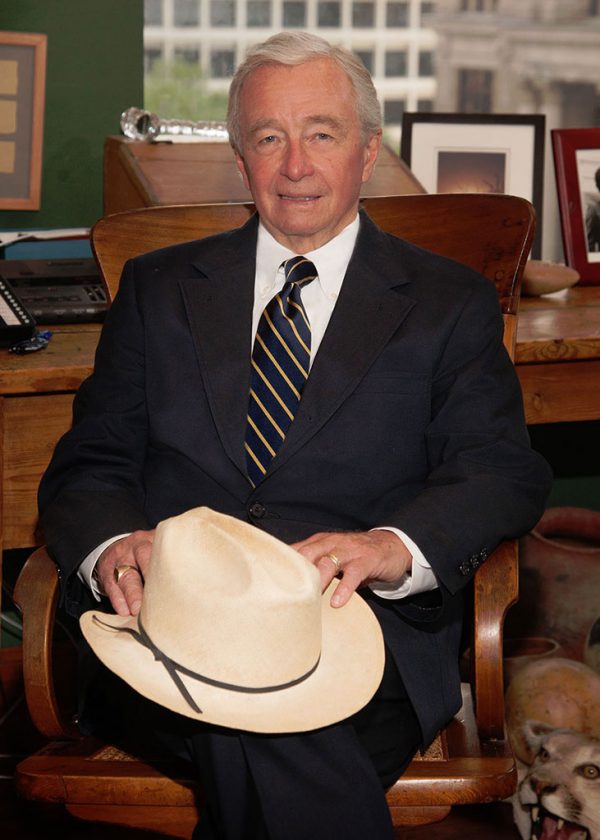
Dick DeGuerin, the defense attorney for David Koresh, drove out to the ranch to meet his client.
He came and went through the perimeter, a lawyer moving between two worlds.
The public watched and argued.
Many condemned the government's tactics as excessive, a federal force laying siege to a religious community.
Others blamed Koresh for the deaths, for the raid that started it all, for the children still inside.
The split was sharp, and it never closed.
What was said in those negotiations, the details of the calls between the FBI and Koresh, is not in the record.
That would require evidence.
The standoff stretched, day after day, the world's eyes fixed on a ranch in Texas.
The tension ground on, and no one knew how it would end.
APRIL 19 — THE ASSAULT AND THE FIRE
On April 19, 1993, FBI agents launched a tear gas assault on the compound.
Attorney General Janet Reno had authorized the final tear gas plan.
A fire broke out that consumed the buildings.
Seventy-six people died, including more than twenty children and Koresh himself.
Steve Schneider, Koresh's top aide, was also killed in the fire.
The cameras were rolling.
The media presence that had camped outside the compound for 51 days broadcast the smoke live, and the world watched the ranch burn in real time.
The public reaction was sharply divided.
Many condemned the government's tactics as excessive.
Others blamed Koresh for the deaths.
The fire's origin — whether it was deliberately set by the Davidians or accidentally started by the gas assault — became the subject of intense and lasting controversy.
It is not established in the record.
The record does not establish who set the fire.
Not because the question was ignored.
But because the evidence, as it exists, does not answer it.
Was it a mass suicide?
Was it an accident of the assault?
Was it something else entirely?
That would require evidence the record does not provide.
What remains is the footage.
The smoke.
The count of the dead.
The line between what is viral and what is documented in this case is the origin of the fire that consumed Mount Carmel — a theory, not a fact established by the record.
AND THE STORY STILL ISN'T OVER
The trial ran for weeks in a federal courthouse in San Antonio.
Congress had already held its hearings, the cameras rolling, the questions sharp.
Then came the verdicts: Livingstone Fagan was convicted of voluntary manslaughter.
Many others were acquitted, including Ruth Riddle, Paul Fatta, Grady Carrick, Jaime Castillo, Renos Avraam, Brad Branch, Clive Doyle, David Thibodeau, Anetta Richards, Kathryn Schroeder, Ronald Goins, Marjorie Thomas, Woodrow Kendrick, Norman Allison, and Hollywood Andrade.
The experts came to testify — sociologists James T. Richardson and Nancy Ammerman, Baptist minister James Dunn, scholar John McAdams, religious scholar Walter Martin.
They spoke of religious groups, of government overreach, of what a community under siege might do.
Sheila Martin sat through it, the mother of Sara Martin, who died in the fire.
She became an advocate for the survivors afterward.
The verdicts did not settle the argument.
The fire's origin — whether it was deliberately set by the Davidians or accidentally started by the gas assault — is not established in the record.
It remains a theory.
It remains a question.
What was filmed, what was testified, what was ruled — none of it answers the spark.
The hearings ended.
The trial ended.
The advocates kept speaking.
The story did not close.
It is a case with convictions and acquittals.
It is also a case with a fire no one can place.
The media moved on.
The public did not.
That would require evidence.
Advertisement
You may also like
The 1965 confession that never reached a trial — and the one name police could not clear
He confessed in 1965. He was already in custody, held for other crimes, when he gave a detailed account of the Boston Strangler murders.…
The 35,000-word manifesto that unmasked a killer after 17 years
A 35,000-word document arrived at two newspapers in 1995. Its title was "Industrial Society and Its Future." The writer demanded that it be published.…
The therapy tapes that turned a mob-style hit into a family murder case
The den was a room for family, for television, for the quiet end of a weekday night. On August 20, 1989, José and Kitty…
A tip from a truck driver led police to a parked Chevrolet Caprice — what they found inside
A truck driver made a call on October 24, 2002. The tip led police to a rest stop on Interstate 70 near Myersville, Maryland.…

The cellphone pings that placed Adnan Syed near Leakin Park — and the defense that never called one key witness
The cellphone records put Adnan Syed near Leakin Park around the time of the burial, according to the prosecution's case. A ping, a tower,…
The 1993 slumber party abduction that would take 64 days to resolve
The window was unlocked. On the night of October 1, 1993, an intruder entered through it at a home in Petaluma, California. Inside, twelve-year-old…