The Chattahoochee River splash that turned a stakeout into the Atlanta Child Murders' turning point
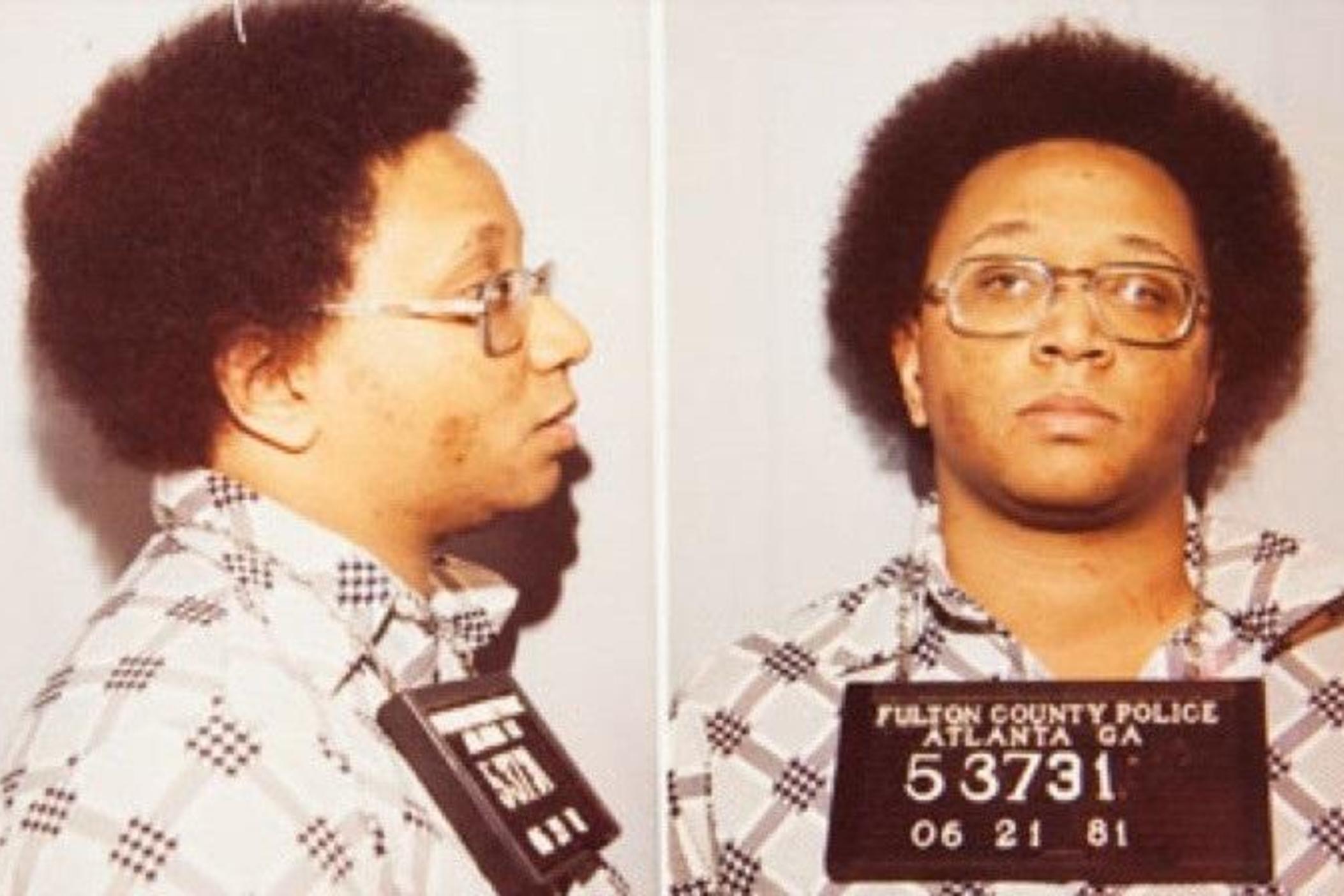
The bridge over the Chattahoochee River was quiet that night.
Police were staked out on it, watching the water below.
They had come after receiving reports of a suspicious vehicle in the area.
Then they heard it: a loud splash.
Officers saw a car driven by Wayne Williams.
That was the moment, according to the investigation narrative, that changed everything.
Two days later, the body of a 27-year-old man was found downstream.
The splash became the pivotal moment in the investigation.
It is the documented turning point.
What exactly was heard, though, is not documented beyond the officers' account.
What the splash was—whether it was a body, a rock, or something else—is not established by the record.
The officers heard a splash.
They saw a car.
They connected the two.
Was the splash the sound of something being thrown from the bridge?
Was it the sound of something falling into the river?
Was it the sound of nothing at all?
That would require evidence.
The record does not establish what made that sound.
It only establishes that the officers heard it.
And that a man's body was found downstream two days later.
The bridge stakeout was the turning point.
It was the moment the investigation shifted.
It was the moment a suspect's name entered the official narrative.
But the splash itself remains a sound without a confirmed source.
She was on the ground below.
THE FIRST REPORTS
Between July 1979 and May 1981, at least 28 Black children, adolescents, and young adults disappeared or were found murdered in the Atlanta metropolitan area, according to the case overview.
The first widely recognized victim was a 14-year-old boy, reported missing in July 1979; his body was found in late July.
Over the following months, bodies were discovered in wooded areas, rivers, and vacant lots.
The case became known as the Atlanta Child Murders, though some victims were adults.
The killings terrorized the city's Black community.
The exact number of victims and the precise timeline of each disappearance are not fully established in the source.
It is a scale that defies a single image.
It is a terror that spread through every neighborhood.
It is a list of names that police initially struggled to connect.
Was it one killer?
Were there many?
Was anyone safe?
That would require evidence.
In 1980, a special task force was formed, including Atlanta police and FBI agents.
The investigation had been criticized for disorganization, according to the case overview.
The first reports were scattered.
The first reports were fragmentary.
The first reports were the beginning of a crisis that would not resolve itself quickly.
The victims ranged in age from 7 to 28, though most were teenagers.
Some were children.
Some were adults.
All were Black.
The city's Black community lived with the fear that the next report could name someone they knew.
The case became one of the largest investigations in U.S. history.
But it started with a single missing boy and a body found in late July.
THE TASK FORCE AND THE STAKEOUT
Police initially struggled to connect the cases, and the investigation was criticized for disorganization.
In 1980, a special task force was formed, including Atlanta police and FBI agents.
The turning point came on May 22, 1981, when police staked out a bridge over the Chattahoochee River after receiving reports of a suspicious vehicle.
What the reports entailed, exactly, is not detailed in the source.
Officers heard a loud splash and saw a car driven by Wayne Williams.
Two days later, the body of a 27-year-old man was found downstream.
Williams was arrested in June 1981 and charged with two murders.
Not because the stakeout resolved the case.
But because it gave the investigation a name.
The exact reason for the stakeout—what "reports of a suspicious vehicle" meant—is not established by the record.
It is a documented turning point.
It is also a theory, not a fact, that the splash proves Williams's guilt.
That would require evidence the record does not provide.
THE TRIAL AND THE VERDICT
The trial opened in Fulton County Superior Court in 1982.
The prosecution, led by the district attorney and his assistant, presented extensive forensic evidence.
Fiber analysis was the centerpiece of the case.
Dog hair and carpet fibers found on the two victims matched Williams's home and his car, prosecutors said.
FBI Special Agent John E. Douglas testified about the profile of the killer.
He described the kind of person the bureau believed was responsible for the deaths.
The defense argued the evidence was circumstantial.
They said Williams was a scapegoat.
They argued the fibers could have come from anywhere.
The specific arguments made by the defense and prosecution beyond those general descriptions are not in the record.
On February 27, 1982, the jury found Williams guilty of two counts of murder.
The judge sentenced him to two consecutive life terms.
He was never tried for the other deaths, though prosecutors and police have continued to link him to many of them.
The verdict closed a trial.
It did not close the questions.
The splash was a turning point.
The conviction was a verdict.
What the splash proved, the record still does not say.
AND THE STORY STILL ISN'T OVER
Wayne Williams has maintained his innocence since the verdict.
He filed multiple appeals.
All of them were unsuccessful.
He remains incarcerated in a Georgia state prison.
Parole has been denied to him multiple times.
In 2019, Atlanta Mayor Keisha Lance Bottoms ordered a review of the case files.
In 2021, the city released DNA evidence.
The DNA did not match Williams in some of the cases.
Renewed calls for further investigation followed that release.
What the DNA evidence specifically showed is not established in the record.
What it means for Williams's guilt or innocence is not established in the record.
The case remains officially closed.
It is closed.
It is also unresolved.
Many questions remain unanswered.
The families of the victims have continued to seek closure.
They have sought it in courtrooms.
They have sought it in city halls.
They have sought it in the absence of answers.
The splash was a turning point.
The conviction was a verdict.
What the splash proved, the record still does not say.
That would require evidence.
That would require a reopening.
That would require the story to be over.
It is not.
Advertisement
You may also like
The cell tower data and Jay Wilds's story that freed Adnan Syed
She left Woodlawn High School on January 13, 1999, and never came home. Hae Min Lee was 18, a senior, and her body was…
The tip from a cellmate that sent two ex-cons to a Kansas farmhouse — but the safe was a lie
In 1959, a man in a prison cell told Richard Hickock about a safe. The man said he had once worked for Herbert Clutter,…
The 31-day gap and the nanny who never existed: Casey Anthony's first lie
She had a name before she had a body. On July 15, 2008, a two-year-old girl named Caylee Anthony was reported missing by her…
The 51-day standoff that turned a Texas ranch into a national flashpoint
The smoke rose over the Texas prairie on April 19, 1993, and the cameras caught every second of it. The fire at the Mount…
The Ryder truck axle that cracked the Oklahoma City bombing case — and the traffic stop that came first
The rear axle of a rented Ryder truck landed several blocks from the Alfred P. Murrah Federal Building. It was 9:02 a.m. on April…
The phone records that placed a business associate near the McStay gravesite — and the search history that followed
The last text message from Joseph McStay’s phone was sent to a business associate on the night of February 4, 2010. It was the…