The fiber and dog hair evidence that linked Wayne Williams to the Atlanta murders
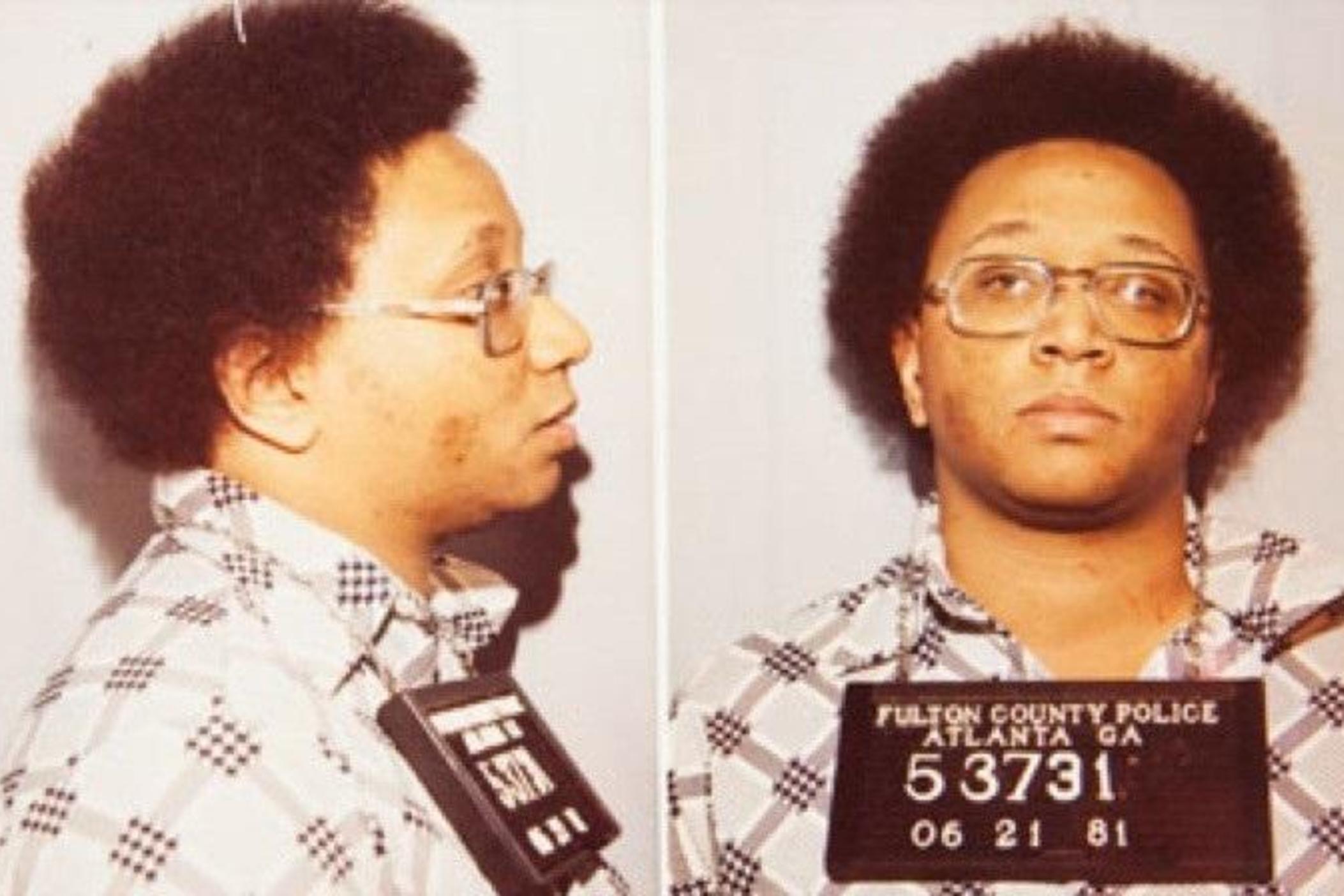
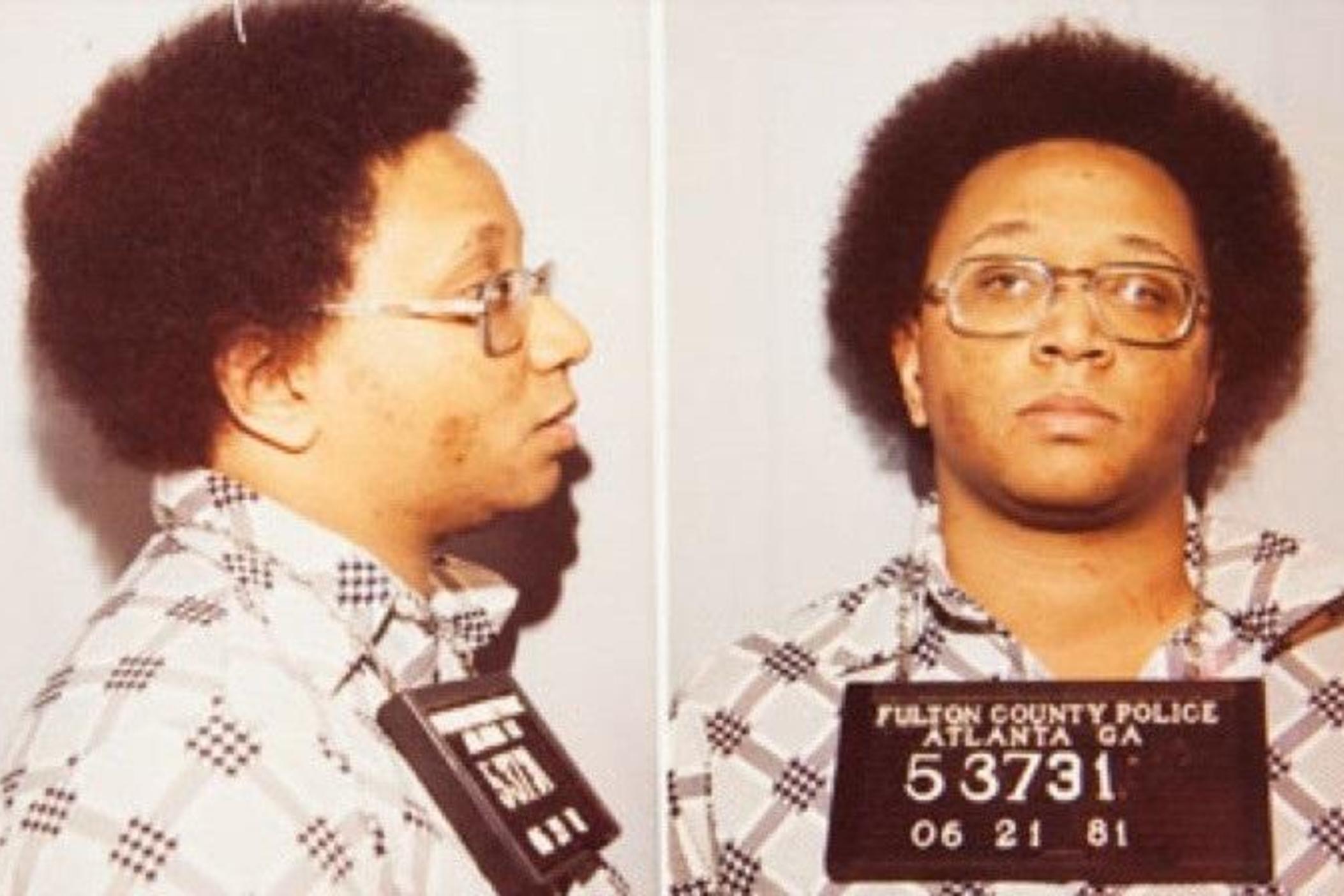
The body of Nathaniel Cater came out of the Chattahoochee River on May 22, 1981.
He was 27 years old.
The next night, an undercover police stakeout was watching the river.
They heard a loud splash from the Jackson Parkway bridge.
Officers stopped a car driven by Wayne Williams, a 23-year-old freelance photographer and music promoter.
He said he was heading to a music audition.
He was questioned and released.
He became the focus of the investigation.
What exactly was that splash?
Was it a body hitting the water?
Was it a rock, a log, something else?
The source does not state what the splash was, or whether it was ever confirmed as a body being dumped.
That detail remains unresolved.
The police had been watching the river because other bodies had been found in or near the water.
Cater's death led to Williams's arrest.
The car was a 1970 Chevrolet station wagon.
From that car, fibers would later be matched to the victims.
But on that night, there was only the splash, the stop, and the release.
The officers let him go.
The investigation did not.
THE RIVER VICTIMS
Between 1979 and 1981, at least 28 Black children, teenagers, and young adults disappeared in Atlanta, Georgia.
They were found murdered.
Many were strangled or suffocated.
The case became known as the Atlanta Child Murders.
A task force formed with the Atlanta Police Department, the Georgia Bureau of Investigation, and the FBI.
Officers conducted stakeouts along the Chattahoochee River after several bodies were found in or near the water.
The river had become the dumping ground.
On May 22, 1981, police pulled the body of 27-year-old Nathaniel Cater from the Chattahoochee.
A month earlier, in April 1981, a 21-year-old man had been found in the same river.
The source does not name that victim.
The lead detective, Robert Campbell of the Atlanta Police Department, watched the river cases accumulate.
The bodies were not random.
They were placed.
The water did not carry them there by accident.
The task force staked out the bridges.
They listened for splashes in the dark.
They waited for the river to give up another name.
It gave up Cater.
Then it gave up a sound.
The investigation shifted from the missing to the method.
The river was the evidence.
The river was the scene.
The river was the question no one had answered yet.
THE FIBERS AND THE HAIR
The dog hair was the first link.
Dog hairs were found on the bodies of the two river victims.
Those hairs matched hairs from a German shepherd owned by Williams’s parents, according to the forensic evidence presented at trial.
The carpet fibers came next.
Fibers from Williams’s home matched fibers on the victims.
Fibers from his car matched fibers on the victims.
The car was a 1970 Chevrolet station wagon, the vehicle Williams drove, and the one from which investigators said the fibers were matched.
The prosecution built the case on these microscopic threads.
The fibers were the linchpin, the physical connection between the accused and the dead.
The hairs were the same, the prosecution argued — the dog, the house, the car, the bodies.
Not because of a confession.
Not because of a witness to the killings.
Because of what clung to fabric and fur.
The source does not specify how many fibers or hairs were matched, or the exact method of comparison, such as microscopic analysis.
That detail remains unestablished in the record.
The prosecution also called witnesses who said they saw Williams with some of the victims.
Those statements placed him in their company, though not at the moment of death.
The defense called the fibers circumstantial.
The defense said the police had not proven Williams was responsible for the other murders.
The defense said he was a scapegoat.
The fibers stayed.
The hairs stayed.
The station wagon stayed.
They were the evidence that decided the case, and they were the evidence the defense could not shake.
TWO STORIES, ONE EVIDENCE
The prosecution told one story.
The river victims were dumped from the bridge where Williams was stopped.
The fibers and the dog hairs were the trail that led back to him.
The defense told another story.
The fibers were circumstantial.
The hairs were circumstantial.
The police had not proven Williams was responsible for the other murders.
The defense argued Williams was a scapegoat.
The trial began in January 1982.
It lasted about two months.
The jury heard about the station wagon.
The jury heard about the carpet.
The jury heard about the German shepherd.
Two stories, one evidence.
The same fibers that tied Williams to the two river victims could not tie him to the others.
The same hairs that matched his parents' dog could not explain the rest.
The source does not state whether the defense offered an alternative explanation for the fibers or hairs.
That would require evidence.
That would require a story of their own.
The prosecution had a bridge.
The defense had a denial.
On February 27, 1982, the jury found Williams guilty of both murders.
Judge Clarence Cooper sentenced him to two consecutive life terms.
The verdict was about two bodies.
The verdict was not about the rest.
The other cases remain officially unsolved.
The fibers decided one case.
The fibers did not decide the others.
AND THE STORY STILL ISN'T OVER
Wayne Williams remains in prison in Georgia, serving two consecutive life sentences.
He has never been granted parole.
He has repeatedly sought new trials and DNA testing, and courts have denied his requests.
In 2019, Atlanta officials announced they would re-test DNA evidence from some of the victims' cases.
No charges have resulted from that re-testing.
The source does not state whether the DNA re-testing has produced any results or findings.
The other murders were never formally charged to Williams.
Police and prosecutors stated they believed he was responsible for many of them, but the cases were closed in the 1980s.
Some remain officially unsolved.
The families of the victims have continued to seek answers.
Some have expressed doubt that Williams was responsible for all the murders.
The fibers decided one case.
The fibers did not decide the others.
The court record is closed.
The public record is not.
Williams maintains his innocence, and his appeals have run out.
The questions have not.
Was the bridge the only place bodies went into the river?
Was the station wagon the only car that crossed it?
Was the German shepherd the only dog in Atlanta?
That would require evidence.
The evidence that exists ties Williams to two river victims through fiber and dog hair.
The evidence that would settle the rest has not been produced.
The case is closed in court but not in public memory.
It is a conviction.
It is also an open file.
Advertisement
You may also like
The Chattahoochee River splash that turned a stakeout into the Atlanta Child Murders' turning point
The bridge over the Chattahoochee River was quiet that night. Police were staked out on it, watching the water below. They had come after…
The 3:15 a.m. scream heard by a neighbor who shouted back — then silence for 10 minutes
At approximately 3:15 a.m. on March 13, 1964, Catherine "Kitty" Genovese, 28, was attacked outside her apartment building at 82-70 Austin Street in Kew…
The wedding ring on the bedside table that broke a killer's alibi
The friend pulled up to 2825 Saratoga Trail to pick Shanann Watts up for a business appointment. No one answered the door. Calls went…
The cellmate confession that cracked the Manson Family case wide open
She was in custody on unrelated charges when she started talking. She told cellmates about the murders — the break that led to arrests.…
The 31-day gap in Casey Anthony's timeline that no one could explain
The 911 call came in on July 15, 2008, from a grandmother in Orlando, Florida. Cindy Anthony told the dispatcher that her 2-year-old granddaughter,…
The fishing alibi that unraveled a Christmas Eve disappearance — what Scott Peterson told police
December 24, 2002, began with a missing-person report filed by a husband named Scott Peterson. His wife, Laci, eight months pregnant, was gone from…