Baltimore Teen Vanished in 1999, Ex-Boyfriend Convicted in Case That Gripped America
The last bell at Woodlawn High School rang on January 13, 1999, and Hae Min Lee walked out of the building.
She was 18, a senior, a varsity athlete, a member of the track team.
She was popular.
She was a daughter of a family that had immigrated to the United States from Korea.
She did not come home that day.
What Hae Min Lee did in the hours after leaving school is not in the record.
No one has established where she went, who she saw, or what happened between the last bell and the shallow grave.
Her body was found on February 9, 1999, in Leakin Park in Baltimore City.
She was buried in a shallow grave.
The cause of death was manual strangulation.
No weapon was used.
There was no weapon to find.
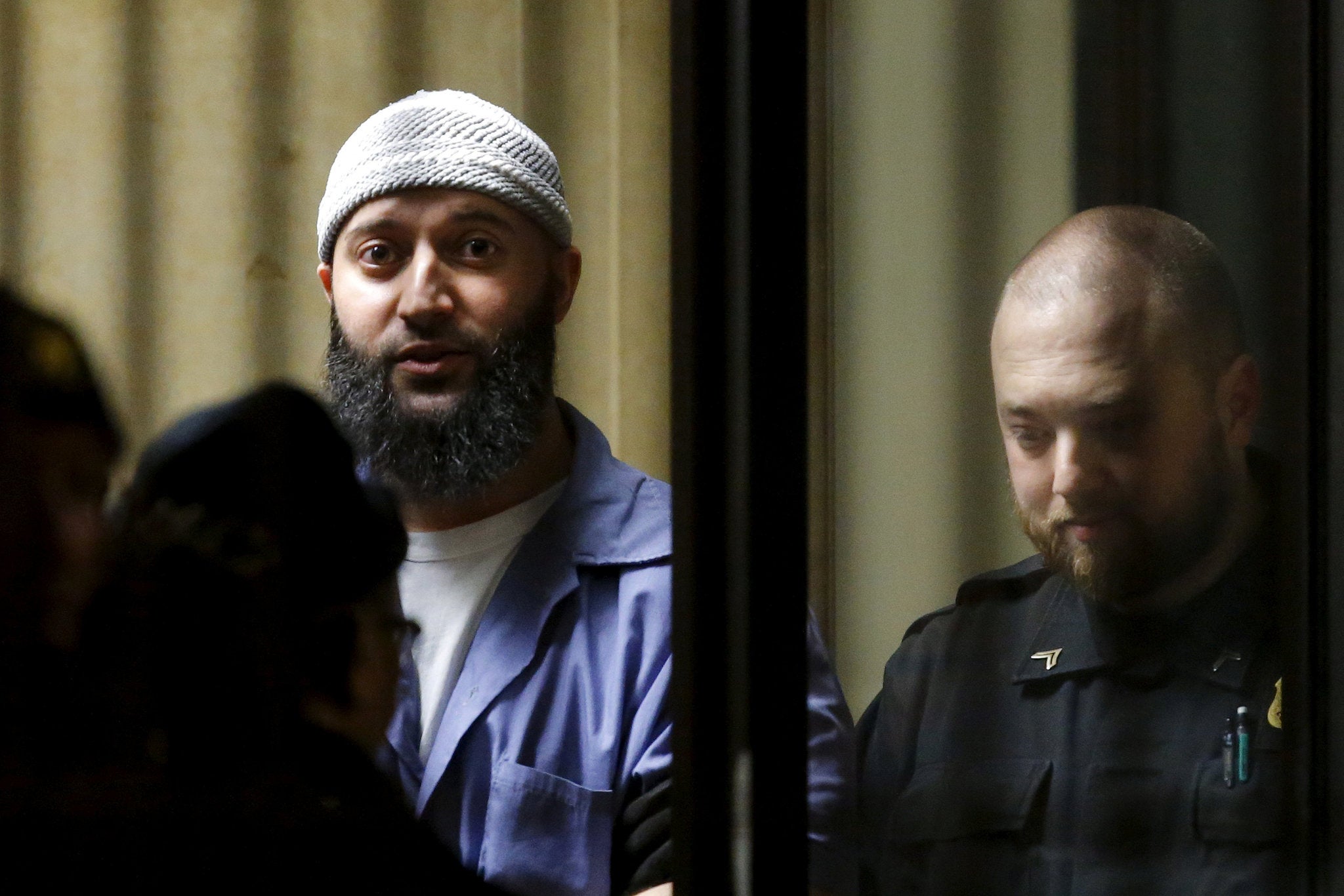
The case went unsolved for weeks before police focused on her ex-boyfriend, Adnan Syed.
He was arrested and charged with her murder on February 28, 1999.
That came later.
That came after the search, after the questions, after the days her family spent waiting.
Her mother, Young Lee, would become the family's public voice.
She attended court proceedings.
She spoke at sentencing.
She said she believed in Syed's guilt.
That would come much later, too.
On the day she disappeared, Hae Min Lee was just a student leaving school.
A track athlete.
A senior with the rest of her life ahead of her.
The record does not say what happened next.
THE RIDE REQUEST
Police spoke to students at Woodlawn High School.
One of them was Adnan Syed, Lee's former boyfriend.
He said he had asked Lee for a ride after school on the day she disappeared.
Later, he said he did not get one.
Whether he asked, and whether she said yes, is not established by the record.
It rests on his own changing statements.
The case sat unsolved for weeks.
Then the investigation fixed on Syed.
He was arrested and charged with her murder on February 28, 1999.
The shift was sudden.
A missing-person case became a murder case.
A witness emerged.
Jay Wilds testified that Syed showed him Lee's body and asked for help burying it.
Wilds' testimony placed Syed at Leakin Park on the evening of January 13, 1999.
That was the night Lee disappeared.
The witness said he helped dig the grave.
The prosecution had a story.
It had a timeline.
It had one man's word against another's.
Why did police focus on the ex-boyfriend?
Because he had been her boyfriend.
Because he had asked for a ride.
Because the witness said so.
That would require evidence.
The record does not show what police knew when they made the arrest.
It shows what they said later.
It shows what Wilds testified.
It does not show a confession.
It does not show physical proof.
Lee's family waited for answers.
They would wait through a trial.
They would wait through an appeal.
The case went to court in February 2000.
Syed was convicted.
The family believed in his guilt.
The record says nothing else about that day.
THE CELL TOWER MAP
The cell phone records were the prosecution’s anchor.
Incoming calls to Syed’s phone pinged cell towers near Leakin Park.
They were used to corroborate the account of a key witness, Jay Wilds, who testified that Syed showed him the body and asked for help burying it.
The defense argued the cell tower evidence was flawed.
The defense argued Wilds was an unreliable witness.

The exact reliability of the cell tower data is not established.
The truth of Wilds’ account is not established.
Both were contested at trial, and the record does not resolve them.
No physical evidence linked Syed to the crime scene.
No DNA.
No fingerprints.
Nothing from the shallow grave in Leakin Park tied him to Hae Min Lee’s death.
The case went to a jury on testimony and pings.
On February 25, 2000, Syed was convicted of first-degree murder and kidnapping.
He was sentenced to life in prison plus 30 years, with the possibility of parole.
The conviction was upheld on direct appeal in 2003.
The Lee family sat through it.
Young Lee, Hae’s mother, became the family’s public voice, attending proceedings and speaking at sentencing.
She believed in Syed’s guilt.
The record says the case turned on what Wilds said and where the towers pointed.
It does not say the towers were right.
It does not say Wilds was telling the truth.
That would require evidence the record does not contain.
THE PODCAST REOPENING
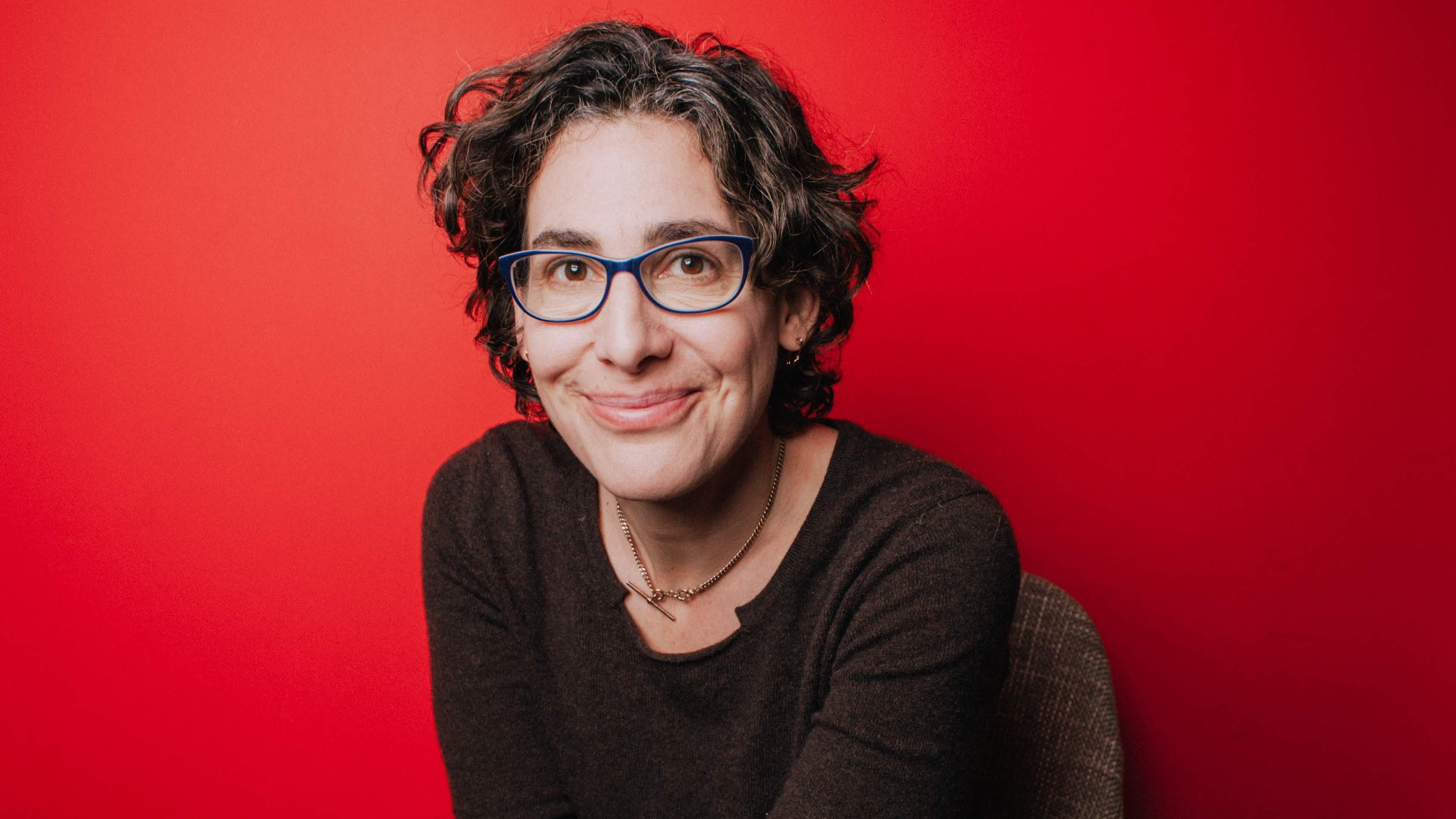
In 2014, a podcast called *Serial* re-examined the evidence. Host Sarah Koenig raised questions about Syed's conviction that the trial record had not answered. The podcast brought attention to inconsistencies in the prosecution's timeline. It also questioned the reliability of the cell phone evidence. It did not prove Syed innocent. It did not prove him guilty. It asked what the record did not establish.
The questions did not stay in the headphones. Renewed legal efforts followed the podcast's scrutiny. In 2022, the Baltimore State's Attorney's Office filed a motion to vacate Syed's conviction. The motion came after a year-long investigation. That investigation found the state had failed to disclose evidence, including alternative suspects. Whether that undisclosed evidence would have changed the trial outcome is not established. The motion cited failure to disclose, not proof of innocence.
On September 19, 2022, a judge granted the motion. Syed was released from prison after 23 years. In October 2022, the state dropped all charges against him. The Lee family was in the room when the decision landed. Young Lee, the victim's mother, expressed deep distress. She said the family had not been given adequate notice. She said they believed in Syed's guilt.
The podcast exposed flaws. It also amplified doubts. The record holds both. It does not hold a verdict on what the undisclosed evidence would have done. That would require evidence the record does not contain.
AND THE STORY STILL ISN'T OVER
Young Lee became the family's public voice.
She attended the proceedings. She spoke at the sentencing. She said the family had not been given adequate notice of the decision to vacate the conviction. She said they believed in Syed's guilt.
Hae's father and her younger brother and sister were also in the courtrooms. They spoke less publicly. The record holds their presence but little of their words.
In 2023, the Maryland Appellate Court reinstated Syed's conviction. The court cited procedural errors in the vacatur. He remained free on bail.
As of 2024, the case remained in legal limbo. The Lee family continued to seek closure.
What does closure look like when the legal record keeps shifting? What does it look like when a conviction is vacated, then reinstated, and the charges are dropped, then the conviction returns? What does it look like for a mother who has attended every hearing and spoken at every sentencing?
That would require evidence the record does not contain.
The next legal step is not in the record. No hearing date is set. The case's future remains undetermined. That is not established anywhere.
Young Lee was in the room when the decision landed in 2022. She expressed deep distress. The family has kept returning to the courtrooms since.
They are still waiting. The record does not say for what.
Advertisement
You may also like
The blood on his pajama sleeve that contradicted Jeffrey MacDonald's intruder story
The pajama sleeve was examined under a microscope, and the blood on it held a pattern. The pattern was a transfer, a smear of…
The defense’s claim that McVeigh was a scapegoat — and the witness who testified he built the bomb
The blast at the Alfred P. Murrah Federal Building occurred at 9:02 a.m. on April 19, 1995. It killed 168 people and injured more…
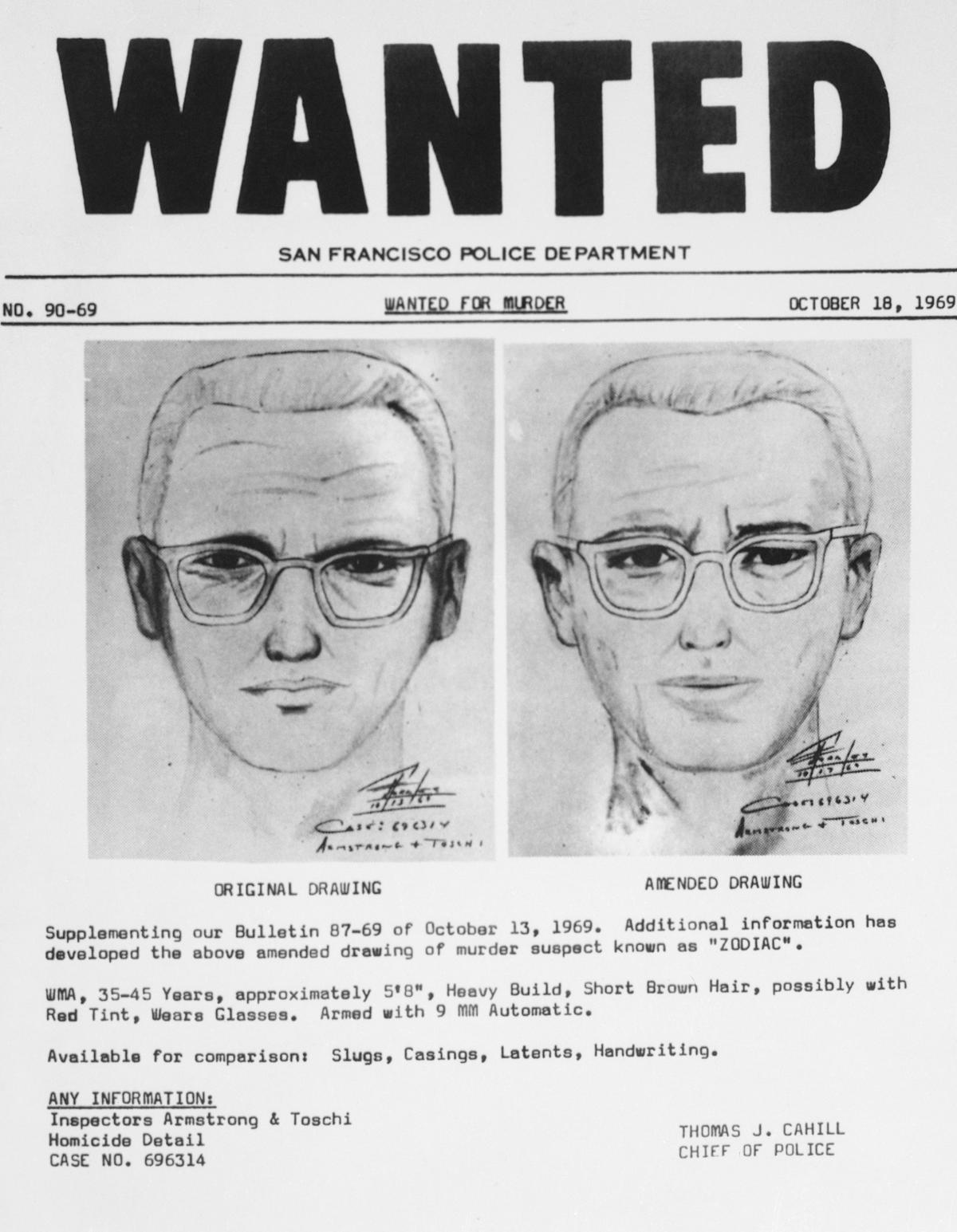
One palm print from the Zodiac's Lake Berryessa attack that no lab could ever match
A palm print and a partial fingerprint were left at the Lake Berryessa scene on September 27, 1969. They are part of the official…
Eleven Branch Davidians on trial: the defense claim of self-defense against a government raid
The warrant was for Mount Carmel Center, a ranch near Waco, Texas, and for the arrest of David Koresh. It was February 28, 1993,…
The truck painter who picked up victims on Pacific Highway South — and the DNA that ended 20 years of silence
He painted trucks for a living, the same job for decades. He lived in Auburn, a Seattle suburb, and went to church. He was…
The fishing trip Scott Peterson said he took — and the evidence that says otherwise
He told investigators he spent the morning of December 24, 2002, fishing alone at the Berkeley Marina. That was the claim. It became the…