The body-cam moment when officers called Gabby the aggressor — and the notebook that proved otherwise
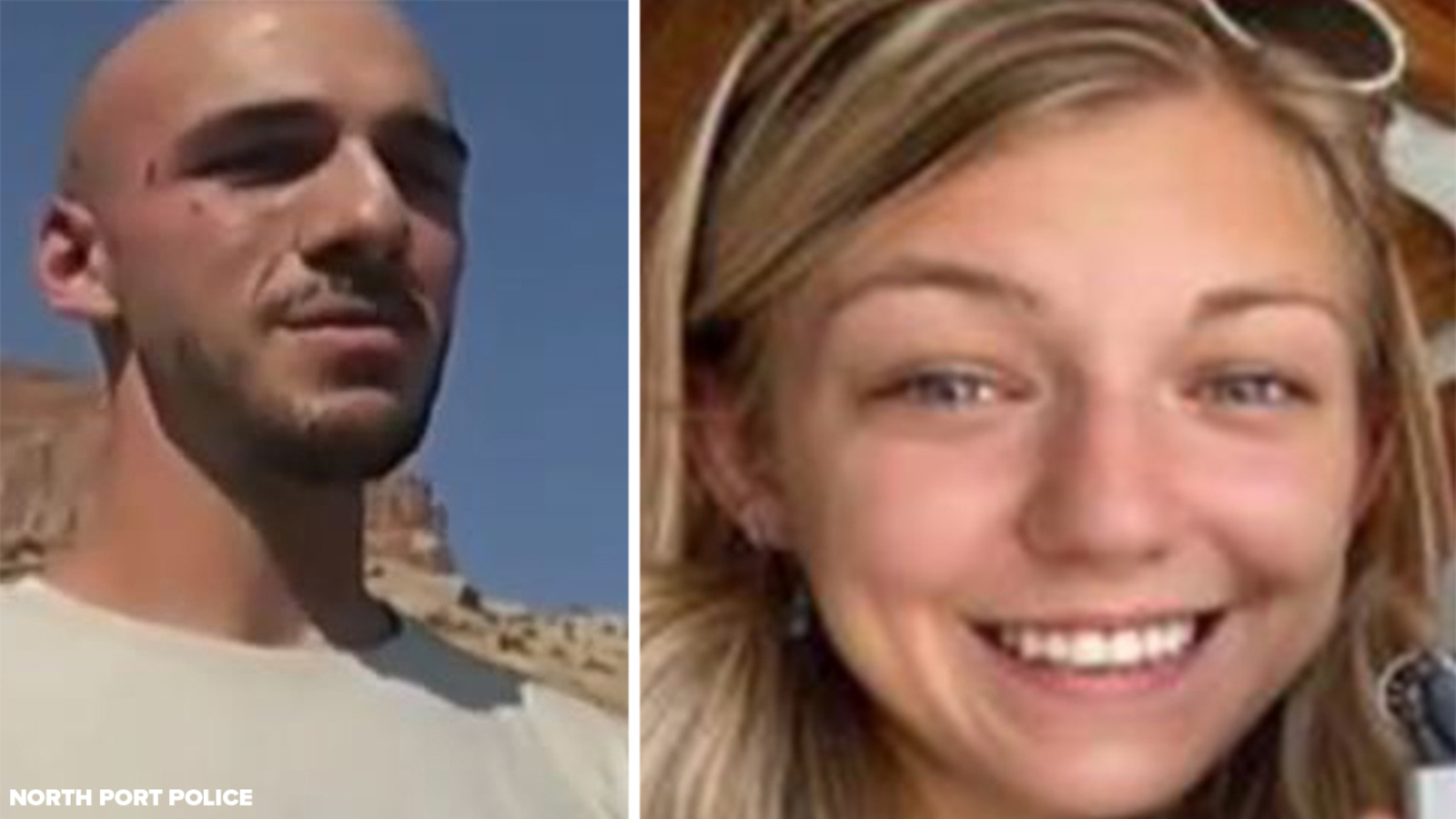
The body-cam footage begins with Gabby Petito crying.
She is sitting on the curb in Moab, Utah, on August 12, 2021, and she tells the officers that Brian Laundrie grabbed her face.
The Moab City Police Department released that footage, and it shows the moment officers made their call.
They concluded she was the aggressor.
They separated the couple for the night.
No charges were filed.
No one was arrested.
The officers' full reasoning does not appear in the record.
The conclusion that she was the aggressor is documented.
Their internal thought process is not.
The video shows one version of that afternoon.
It shows a young woman crying and describing a hand on her face.
It shows officers deciding which person to believe.
They made a choice.
That choice has been called a missed opportunity ever since.
What would have happened if they had listened?
What would have happened if they had filed a report?
What would have happened if they had looked at her face and seen what she was describing?
That would require evidence.
The record contains only the footage and the conclusion.

The couple was separated for the night.
They got back in the van.
They kept driving west.
THE MISSING REPORT AND THE SILENCE
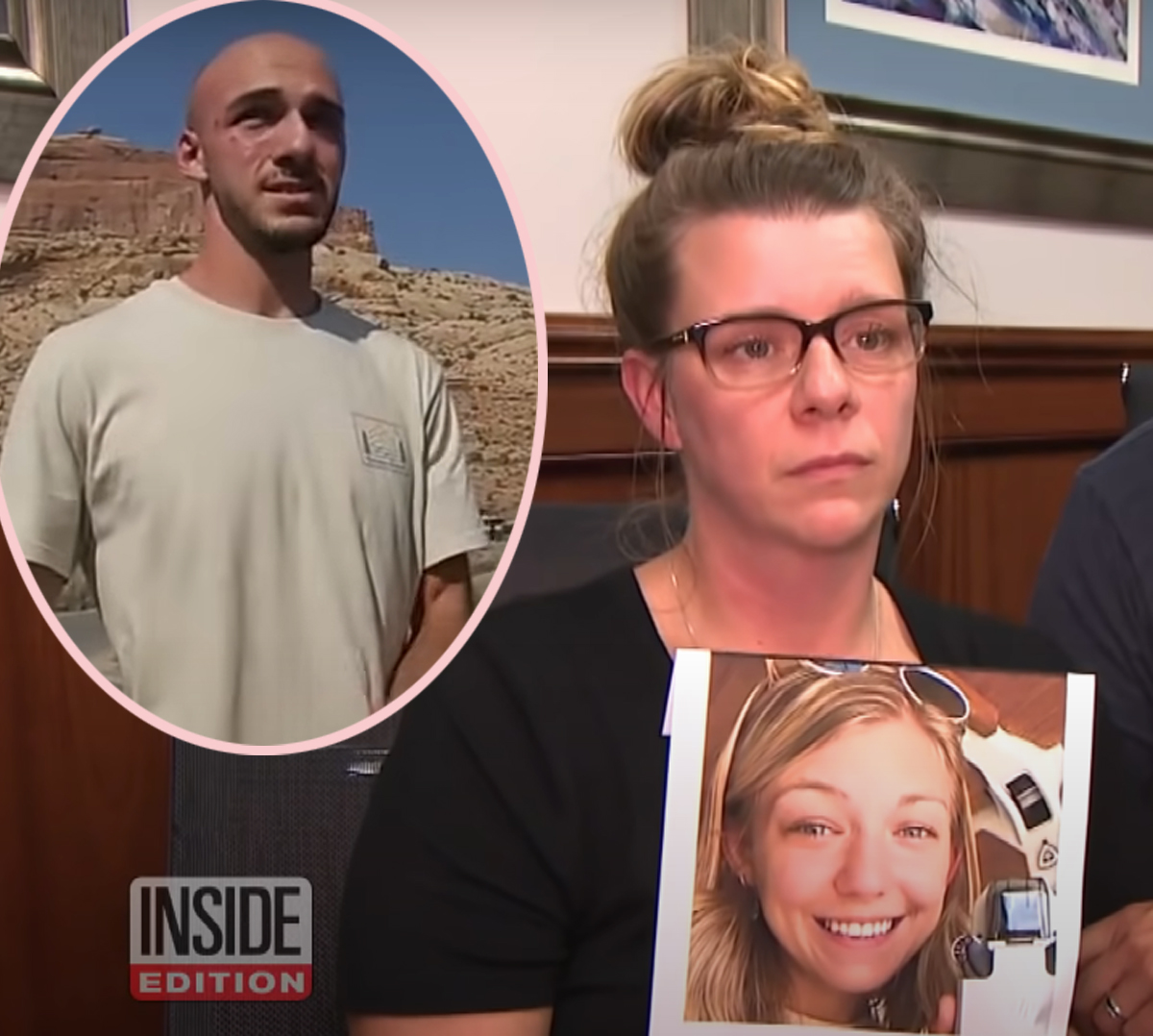
Her mother reported her missing on September 11, 2021.
Gabby Petito was 22, from Blue Point, New York.
She had been traveling through national parks in the western United States with her fiancé, Brian Laundrie, in a white van.
She failed to stay in contact.
The North Port Police Department conducted a welfare check at the Laundrie home.
Brian Laundrie refused to speak with officers.
What he said or did not say beyond that refusal is not in the record.
The welfare check ended.
Her family waited.
His family stayed quiet.
On September 14, 2021, Laundrie's parents reported him missing.
They said he had left for a hike in the Carlton Reserve days earlier.
That claim was widely viewed as a delay tactic.
Not because the record proves it was a lie.
But because he had returned home without her, and now he was gone too.
The FBI executed a search warrant on the Laundrie home on September 16, 2021.
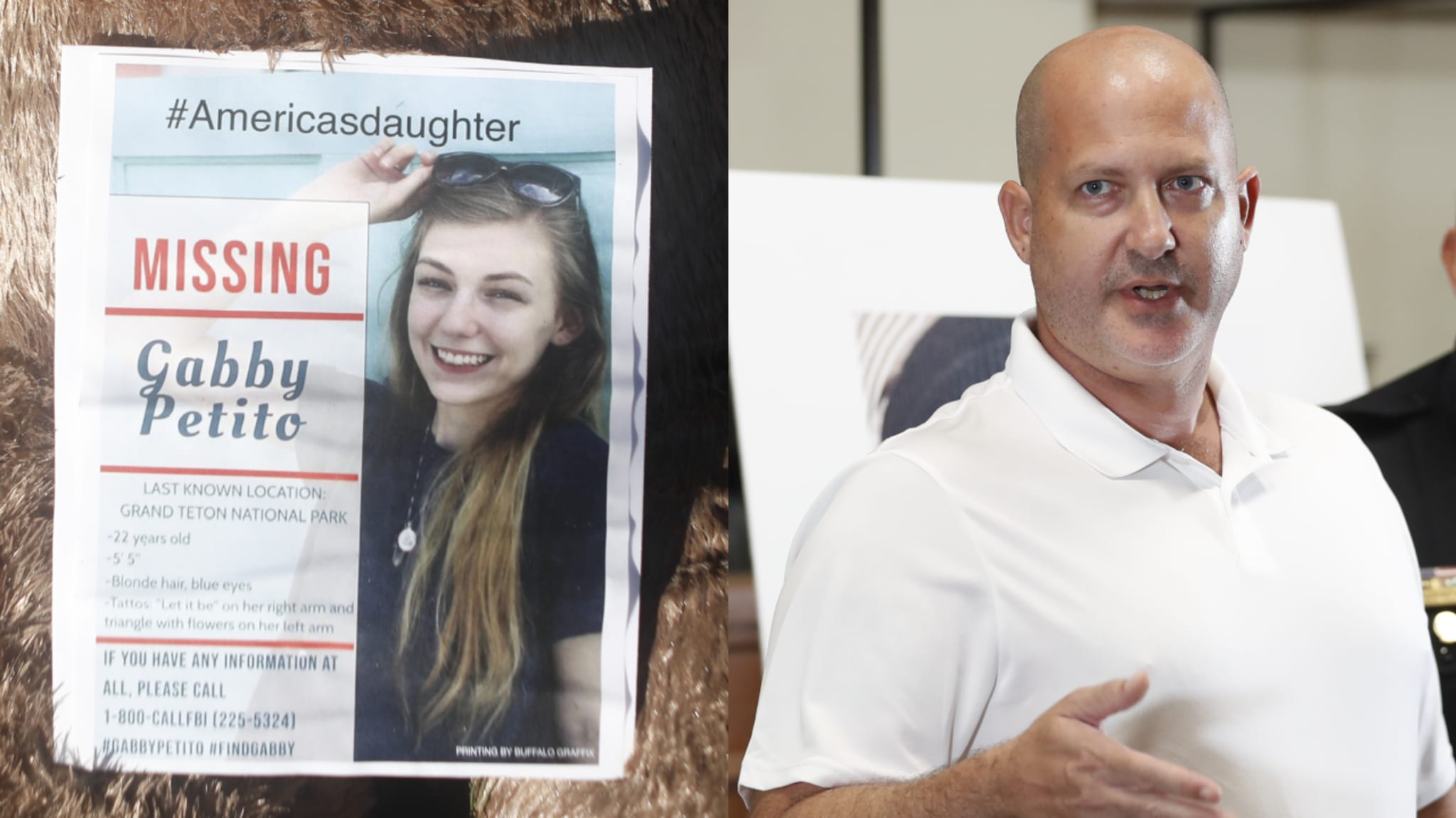
They seized a Ford Mustang and other items.
Her family waited through the searches.
They waited through the silence.
The person who might have known the most was not speaking.
The person who might have known the most was not found.
THE FIND IN WYOMING
The FBI took over the search for Petito, focusing on the Grand Teton National Park area, where cell phone data placed the couple.
That data was the thread the agents pulled.
It led them to a dispersed camping area near Spread Creek in Bridger-Teton National Forest.
On September 19, 2021, an FBI agent found remains matching Petito's description there.
The remains were identified as Petito's.
The Teton County Coroner, Dr. Brent Blue, ruled the death a homicide by strangulation.
It was a ruling, not a story.
It said how she died.
It did not say when.
The exact date and time of death are not in the record.
That detail is missing, and the record does not establish it.
The search had shifted from a missing person to a crime scene.
The couple's white van had been the subject of the August stop.
Now the forest was the subject of the search.
The FBI's Denver and Salt Lake City field offices were involved in the investigation.
They had the cell phone data.
They had the remains.
They did not have the man who had returned to Florida.
Brian Laundrie had become a person of interest, and then a fugitive.
The finding in Wyoming changed the case from a disappearance to a homicide.
It was a turning point.
It was also a mistake repeated, because the person who might have explained it was still not speaking.
THE NOTEBOOK AND THE CONFESSION
The search for Brian Laundrie continued for over a month.
The North Port Police Department and the FBI combed the Carlton Reserve.
They searched swamps and trails, day after day, finding nothing.
Then, on October 20, 2021, his remains were found in a swampy area of the reserve.
A backpack was nearby.
A notebook was there.
A revolver was there.
The notebook contained a confession, according to the FBI.
It stated that Laundrie had killed Petito.
The exact wording of that confession is not in the record.
Only the FBI's characterization of it as a confession is documented.

That is what the record establishes, and nothing more.
The FBI's investigation concluded that Laundrie acted alone.
Laundrie's cause of death was ruled a suicide by a self-inflicted gunshot wound to the head.
The answer came from the person who caused the pain.
It came only after his own death.
There would be no trial.
There would be no cross-examination.
There would be no version of events tested in a courtroom.
The confession was a document found in the mud, read by agents, summarized for the public.
It was finality.
It was also a silence, because the person who wrote it was gone.
The case that began with a body-cam video ended with a notebook.
One version of August 12 went viral.
The other version was buried in a swamp, written by the only other person who was there.
AND THE STORY STILL ISN'T OVER
There was no trial.
Brian Laundrie was never charged with any crime because he died before charges could be filed.
A federal grand jury in Wyoming had been convened, but no indictment was returned before his death.
The FBI announced on January 21, 2022, that the investigation had concluded.
The notebook confession established that he killed Petito, the FBI said.
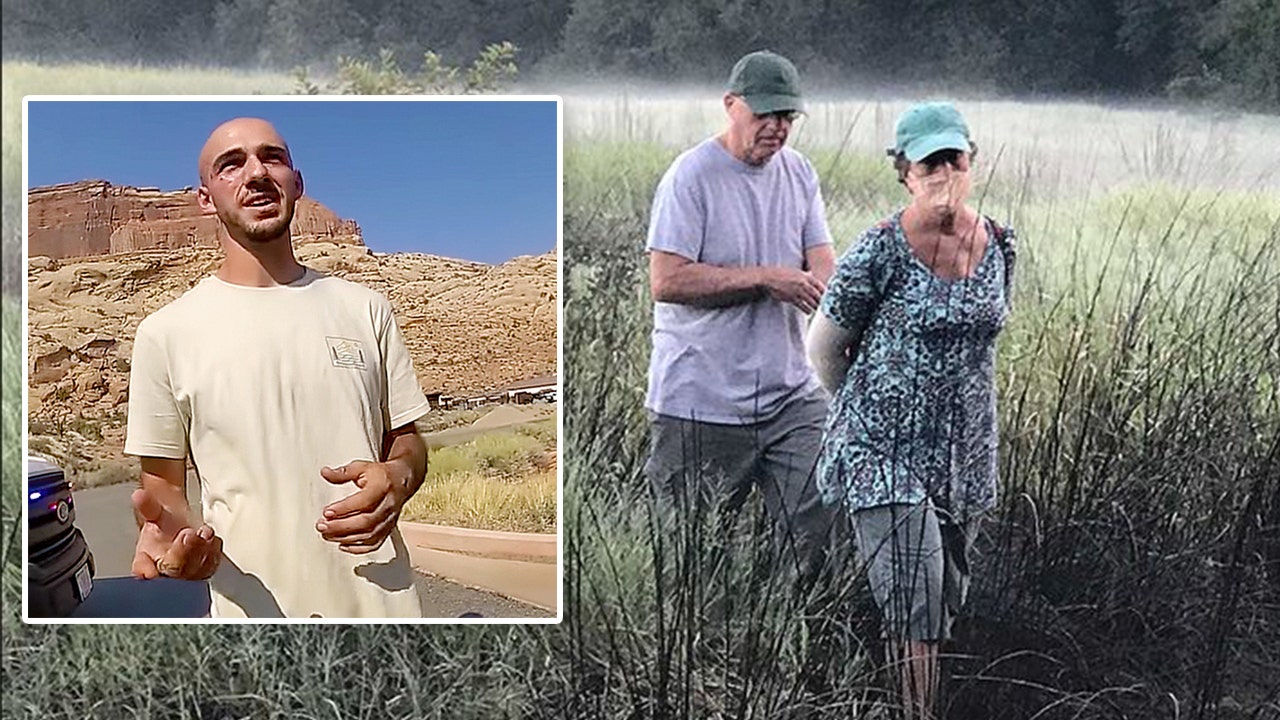
No charges were ever filed against Christopher or Roberta Laundrie.
They were criticized for their conduct, for their silence, for the weeks they did not report their son missing.
The Moab City Police Department conducted an internal review of the August 12 traffic stop.
It revised its policies regarding domestic violence calls.
What the review concluded specifically is not in the record.
Only that it was conducted, and that policies changed.
The case is closed.
The story is not.
Gabby Petito's family established the Gabby Petito Foundation.
It advocates for missing persons and domestic violence awareness.
Her parents have continued that public work.
The body-cam video remains online.
It is watched.
It is debated.
It is a lesson in what a missed opportunity looks like.
The notebook proved one version of August 12.
The video showed another.
Which one officers believed that day is documented.
Which one was true is documented too.
What remains is the question of what a different response might have changed.
That question has no answer in the record.
It has echoes instead.
Advertisement
You may also like
The FBI named the wrong man the night before the Tsarnaev brothers were caught
On April 18, 2013, the FBI released images of two suspects taken from Lord & Taylor surveillance footage. That same night, the FBI initially…
The love letters that vanished from police custody after the 1922 double killing
The crabapple tree stood in a lane called Lovers' Lane, in Phillipsburg, New Jersey, near New Brunswick. On the evening of September 14, 1922,…
The clip-on tie that held no answers after the skyjacker vanished — FBI's 45-year puzzle
The clip-on tie sits in an FBI evidence file, a strip of fabric no wider than a man's hand. It was recovered from the…
The 8:44 p.m. video on Paul Murdaugh's phone that cracked Alex's alibi
He called at 10:07 p.m. On June 7, 2021, Alex Murdaugh told emergency dispatchers in Colleton County, South Carolina, that he had found the…
The parole agent who spotted a face in a sketch — and what it took to bring Polly home
A parole agent looked at a composite sketch and saw a face he knew. The date was December 4, 1993. The face belonged to…
The unpaid $33.5 million judgment the Goldman family still pursues after Simpson's death
A jury in a 1997 civil trial found O.J. Simpson liable for the wrongful deaths of Nicole Brown Simpson and Ronald Goldman. The award…