The parole agent who spotted a face in a sketch — and what it took to bring Polly home
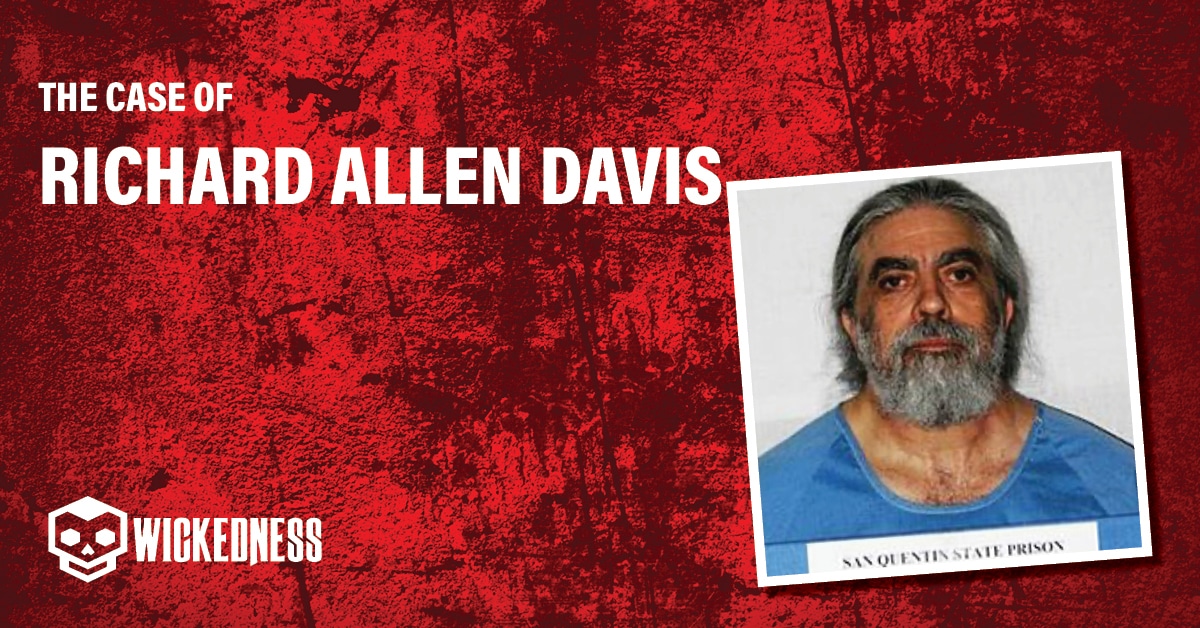
A parole agent looked at a composite sketch and saw a face he knew.
The date was December 4, 1993.
The face belonged to Richard Allen Davis, a man already in custody on an unrelated parole violation.
The sketch was based on witness descriptions, not on any named suspect at the time.
Two friends sleeping over had reported that a man with a knife entered the room, tied them up, and took Polly.
The agent reported what he saw.
That was the break.
Who drew that face?
How close did the search come before that glance?
The exact date the composite sketch was created and distributed is not in the record.
The specific parole agent's name is not in the record.
What remains is the moment itself: a drawing, a recognition, a report.
Polly was taken on October 1, 1993.
For weeks, the search was one of the largest in California history.
Local police, the FBI, and thousands of volunteers looked.
Then a parole agent looked at a drawing.
The case record does not say how many other sketches were reviewed before that one.
It does not say how many faces were compared and set aside.
It says only that the break came when a parole agent recognized Davis from a composite sketch and reported him.
Davis was already in custody.
He was not being sought for Polly's disappearance at that time.
The sketch changed that.
One glance at a drawing, and the investigation turned.
OCTOBER 1, 1993 — THE SLUMBER PARTY
The night began as a sleepover.
Two friends were over at Polly Klaas's house in Petaluma, California.
It was October 1, 1993.
Polly was twelve years old.
The room was a child's bedroom, the kind with posters and pillows and plans for the morning.
Then a man came in with a knife.
The two friends reported that he tied them up.
He took Polly.
The exact time of the kidnapping is not in the record.
Neither is the precise route he took from the house.
What is in the record is the response.
Local police were called immediately.
The FBI arrived.
Thousands of volunteers joined the search.
They combed fields, roads, orchards, anything within reach.
Petaluma became the center of a statewide hunt.
Flyers went up. Phone lines lit up. Strangers drove in to help.
The search was one of the largest in California history.
It was chaos, organized and desperate.
A neighbor reported seeing a man near the Klaas home that night.
That woman later testified at trial.
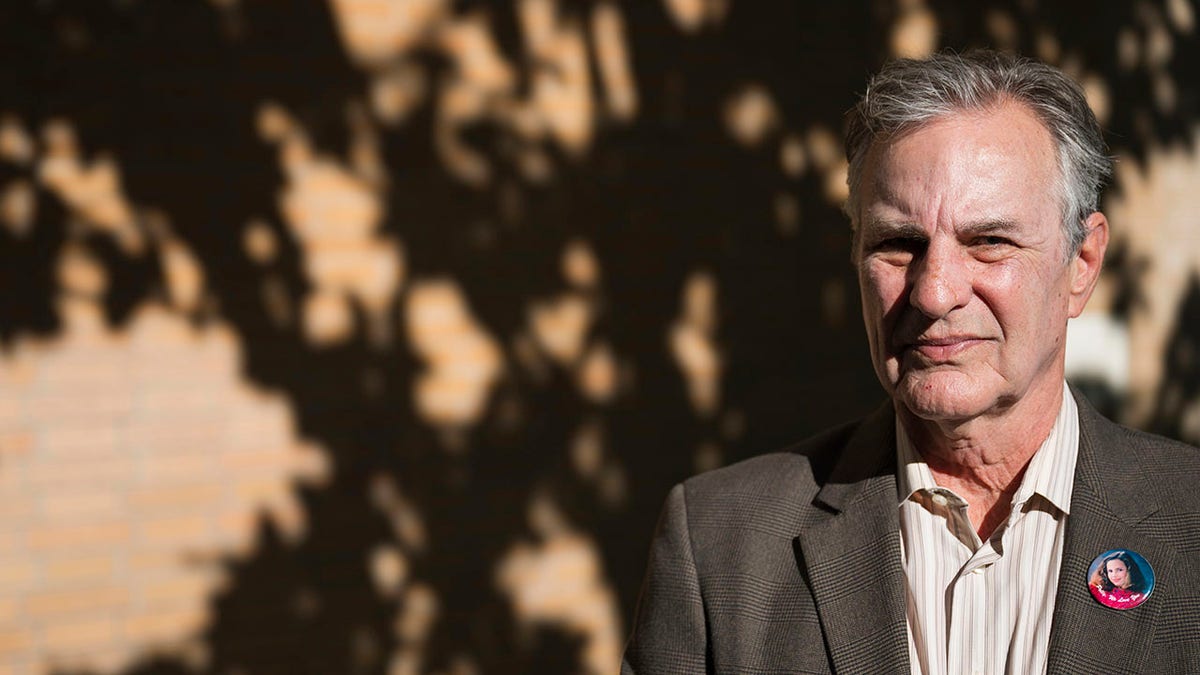
Her sighting placed a figure near the house when the ordinary turned nightmare.
But it did not name him.
For two months, the search continued without an answer.
The case was a landmark, a warning, a wound.
It was also still open.
THE TWO MONTHS BETWEEN
The investigation was one of the largest in California history.
Hundreds of law enforcement officers took part.
Thousands of volunteers took part.
The search spread across the county, the state, the country.
It produced tips, sightings, and theories.
It produced no sign of Polly Klaas.
The record does not establish the specific details of Davis's parole violation that led to his custody.
That is not in the record.
What the record shows is the sequence: on December 4, 1993, a tip led investigators to Richard Allen Davis.
Davis was already in custody for violating parole.
A parole agent had recognized him from a composite sketch.
That glance, not a viral tip, is what broke the case.
Davis had a long criminal record.
He had a prior kidnapping conviction.
He had been paroled despite that history.
The case highlighted failures in the criminal justice system.
It is a case analysis that says so.
Davis had been paroled despite a history of violent crimes.
Two months had passed since the slumber party.
Two months of searching, of waiting, of wondering.
Two months during which Davis was in custody for a violation the record does not specify.
Then the tip came.
Then the recognition.
Then the questioning.
Davis initially denied involvement.
He eventually confessed.
He led police to a shallow grave near Cloverdale, about 80 miles from Petaluma.
The search that had consumed two months ended there.
The case was a landmark.
It was also a warning about what a parole system can miss.
It remains open in the sense that the story did not end with the grave.
But the record shows how it broke: a parole agent's glance at a sketch.
THE CONFESSION AND THE GRAVE
Davis was in custody when the investigators questioned him.
He denied involvement at first, according to the investigation record.
Then he confessed.
He led police to Polly's body.
They found her in a shallow grave in a wooded area near Cloverdale, California, about 80 miles from Petaluma.
The medical examiner's finding was that she had been strangled.
The exact location of the grave beyond that wooded area is not specified in the record.
Whether the confession was recorded is not in the record either.
The trial evidence included fibers from Davis's car and clothing that matched the crime scene.
It also included his confession.
The defense argued the confession was coerced.
The defense argued the rest was circumstantial.
That is what the defense argued.
The prosecution's case was strong, according to the case summary.
The grave was a fact.
The confession was a fact.
The coercion was an argument.
The fibers were presented as matching.
The defense said they were circumstantial.
The record does not resolve which was true.
It only shows what Davis said and where he led them.
She was on the ground below.
AND THE STORY STILL ISN'T OVER
The conviction landed on June 18, 1996.
First-degree murder with special circumstances, kidnapping, and burglary.
The same jury recommended the death penalty.
Judge Thomas Hastings sentenced Davis to death on September 26, 1996.
During the sentencing hearing, Davis made an unrepentant statement.
It caused an outburst in the courtroom.
The specific content of that statement is not quoted in the record.
The defense argued his confession was coerced.
The prosecution's case held.
His conviction and sentence were upheld on appeal.
Davis remains on death row at San Quentin State Prison.
Executions in California have been halted since 2006 due to legal challenges.
That is where the record leaves him.
No next concrete legal step or hearing date for Davis is in the record.
Not because it doesn't exist.
But because the record does not say.
Polly's father, Marc Klaas, founded the KlaasKids Foundation.
It works to prevent child abduction and violence.
A father's advocacy became a national movement.
The case changed California law.
Three Strikes legislation.
Stricter parole policies.
The sentence stands.
The execution has not been carried out.
That is the weight of it.
A verdict, an appeal, a halt.
She was on the ground below.
The story still isn't over.
Advertisement
You may also like
Three rock icons boarded a plane; a pregnant widow learned the news from reports
A coin, tossed in the air, decided who would live and who would fly. Tommy Allsup lost his seat on the plane to Ritchie…
The axle number on a Ryder truck that led FBI agents to a rental clerk and a suspect
At 9:02 a.m. on April 19, 1995, a truck bomb exploded outside the Alfred P. Murrah Federal Building in Oklahoma City, Oklahoma. The blast…
The jailhouse confession that broke the Manson case — and the raid that missed
She was in jail for something else. Susan Atkins, charged in an unrelated case, sat in a cell and talked. She told her cellmate,…
The phone calls a massage therapist recorded that changed a murder trial's story
She was a massage therapist in Fresno, and she met Scott Peterson in November 2002. He told her he was single. She did not…
The flight logs that tied Epstein's jet to underage girls — and the FBI files that still won't close
The plane had a name before the case did. The "Lolita Express," they called it — Epstein's private jet, a Boeing 727 that shuttled…
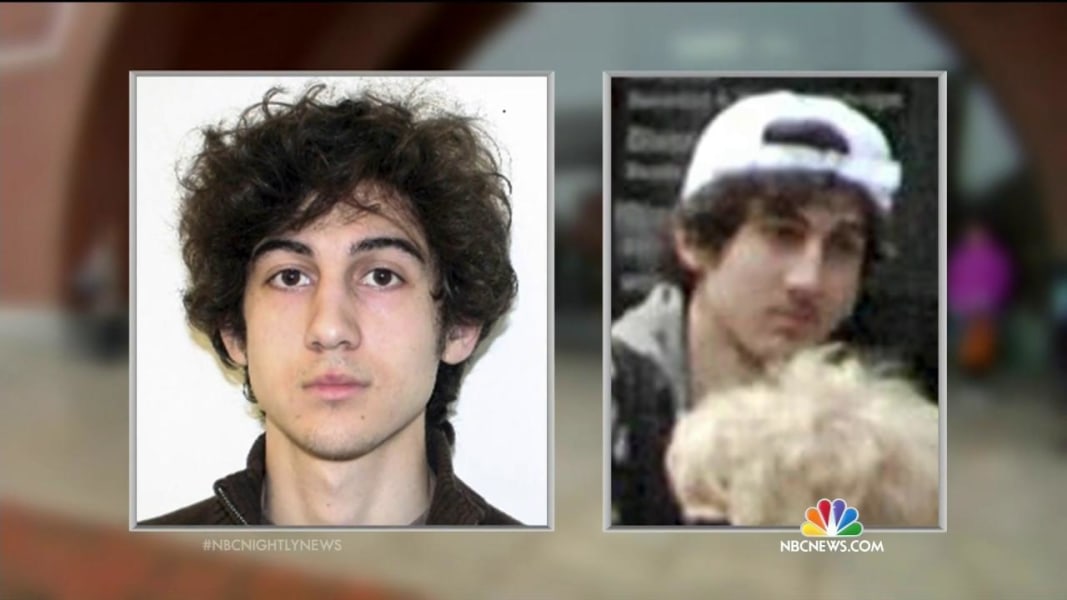
The FBI named the wrong man the night before the Tsarnaev brothers were caught
On April 18, 2013, the FBI released images of two suspects taken from Lord & Taylor surveillance footage. That same night, the FBI initially…