The clip-on tie that held no answers after the skyjacker vanished — FBI's 45-year puzzle
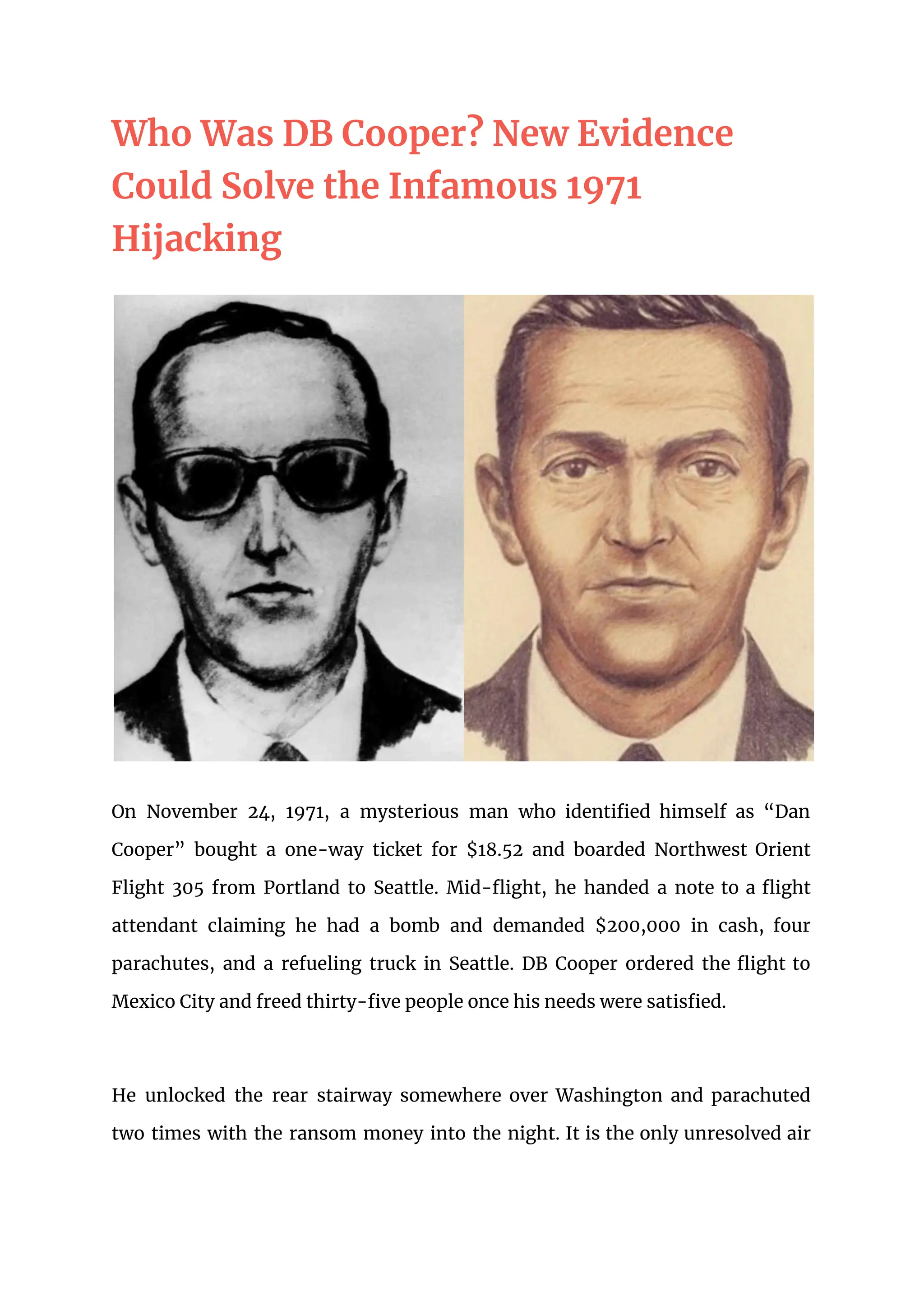
The clip-on tie sits in an FBI evidence file, a strip of fabric no wider than a man's hand.
It was recovered from the hijacker's seat, left behind when he opened the aft stairway of the Boeing 727 and stepped into the night.
The FBI analyzed the tie for DNA.
They analyzed it for particles — soil, metal, anything that might say where the man had been.
The results were inconclusive.
No match was ever produced.
The identity of the hijacker is not established.
That is not a gap in the story; it is the story.
The tie is one of the few physical objects from the case, yet it yielded no answers.
It holds a label, a clip, and nothing else.
The man who wore it called himself Dan Cooper.
The press called him something else.
A reporter confused the name with a similar case, and the error became permanent.
"D.B. Cooper" was born in a typo, not in the record.
The public memory kept the wrong name.
The FBI kept the tie.
Forty-five years later, the agency suspended its active investigation, citing a lack of new evidence.
The case remains open.
It is the only unsolved air piracy in U.S. history.
What did the tie know?
What did the particles hold?
What does a man leave behind when he leaves everything?
That would require evidence.
The tie offers none.
THE NOTE AND THE JUMP
The note was folded, not handed over with a word.
The flight attendant took it, opened it, read the demand.
The man called himself Dan Cooper.
He had bought a one-way ticket on Northwest Orient Airlines Flight 305, Portland to Seattle, on November 24, 1971.
Shortly after takeoff, he passed the note.
It claimed a bomb sat in his briefcase.
It demanded $200,000 in cash, four parachutes, and a fuel truck waiting in Seattle.
The plane landed in Seattle.
Passengers were released.
The ransom and the parachutes were delivered.
Cooper then ordered the crew to fly toward Mexico City.
Somewhere between Seattle and Reno, Nevada, likely over southwestern Washington, he opened the aft stairway and jumped into the night.
That location is not established.
"Likely over southwestern Washington" is the careful language of a case with no witness to the fall.
He was never seen again.
No bomb was ever found.
No device was ever confirmed.

The briefcase stayed closed, or empty, or something else entirely.
The sequence holds together in the telling.
It is a clean, fast story: a note, a bag of cash, a stairway open to the dark.
The trouble begins after the jump.
That is where the record stops cooperating.
THE MONEY AND THE TIE
The primary physical evidence was the money.
$200,000 in $20 bills, serial numbers recorded and circulated to every bank in the region.
For eight years, none of it surfaced.
In 1980, a boy named Brian Ingram found a portion of the ransom along the Columbia River near Vancouver, Washington.
About $5,800 in deteriorating bills, caked in silt, pulled from a sandbar.
The discovery confirmed Cooper had survived the jump.
It yielded no further leads.
The money told the FBI where he landed, roughly.
It did not tell them where he went.
The FBI also recovered the clip-on tie.
It was analyzed for DNA and for particles.
The results were inconclusive.
The tie held no answers, only questions.
The parachute was never found.
That is not established: the exact landing zone.
That is not established: where the chute came down.
The reserve chute was military-style and could not be steered.
It would have carried him where the wind took him.
The search covered rugged terrain.
The terrain was vast, the target was small, and the lead investigator had no confirmed identity to work from.
The record offers a man, a bag of cash, and a tie.
It offers a boy on a riverbank with a fistful of ruined bills.
It does not offer a name.
The investigation was hampered by what it lacked.
It lacked a face.
It lacked a landing zone.
It lacked a parachute.
It had the serial numbers, and the serial numbers went quiet after 1980.
It had the tie, and the tie said nothing.
That is the weight of the evidence: it leads to the river, and then it stops.
TWO THEORIES, ONE MAN
Two readings of the jump survive in the record, and both are allowed.
The prosecution's theory: Cooper was a skilled jumper who survived the leap.
That reading leans on the money found along the Columbia River in 1980 and the absence of a body.
The money was real, and the body never came.
The defense's theory: Cooper likely perished in the jump.
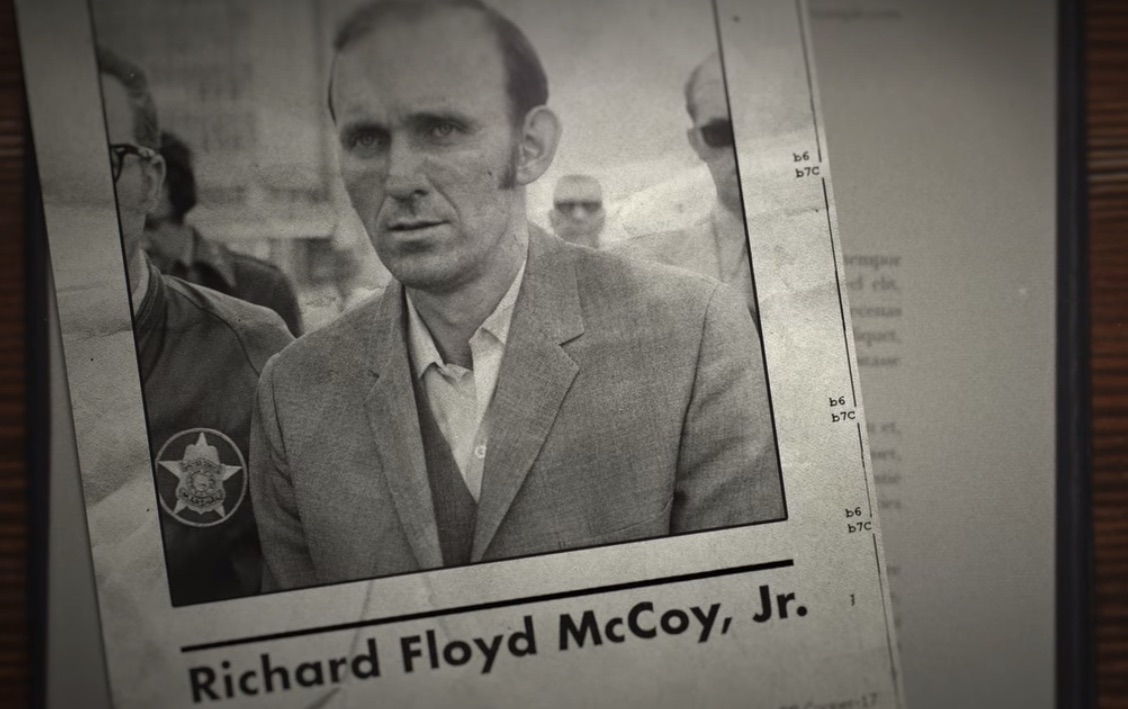
That reading leans on the parachute—a military-style reserve chute that could not be steered—and the harsh terrain below.
The chute was never found, and the landing zone was never confirmed.
One theory explains the money; the other explains the silence.
The FBI suspended its active investigation in 2016, citing lack of new evidence.
The case remains open, but open is not active.
No one was ever charged, tried, or convicted for the hijacking.
Was he a man who planned the drop and walked away?
Was he a man who misjudged the night and the trees?
Was he a man at all, in the way the name suggests?
That would require evidence.
Whether Cooper survived or died is not established; no conclusive evidence supports either theory.
The record offers the tie, the serial numbers, the river, and two plausible endings.
It offers no verdict.
THE STORY STILL ISN'T OVER
The FBI's 2016 announcement that it was suspending active investigation drew renewed public interest.
It also cemented the case's strange permanence.
The case remains officially open but inactive.
The FBI continues to accept tips.
Books have been written about the jump.
Documentaries have replayed the note, the ransom, the aft stairway.
Amateur investigators have walked the riverbanks and compared serial numbers.
None of it has produced a name.
Brian Ingram, who found the ransom money as a child, later sold a portion of the bills at auction.
The bills were real.
The jump was real.
The identity was not.
The identity of Dan Cooper remains unknown.
No credible suspect has ever been confirmed.
That is not established by the record; it is the absence of a record.
The press gave him the name "D.B. Cooper" by mistake.
The mistake outlived the investigation.
The case is the only unsolved air piracy in U.S. history.
That is a fact of the file.
What Cooper intended, where he landed, and whether he survived are questions the file leaves open.
It leaves them open on purpose.
It leaves them open because there is nothing to close them with.
The tie yielded no answers.
The money yielded a fraction of itself.
The terrain yielded nothing.
Possibility endures because evidence does not.
That is not a theory.
That is the shape of the case.
The FBI still accepts tips.
Someone might still call.
Advertisement
You may also like
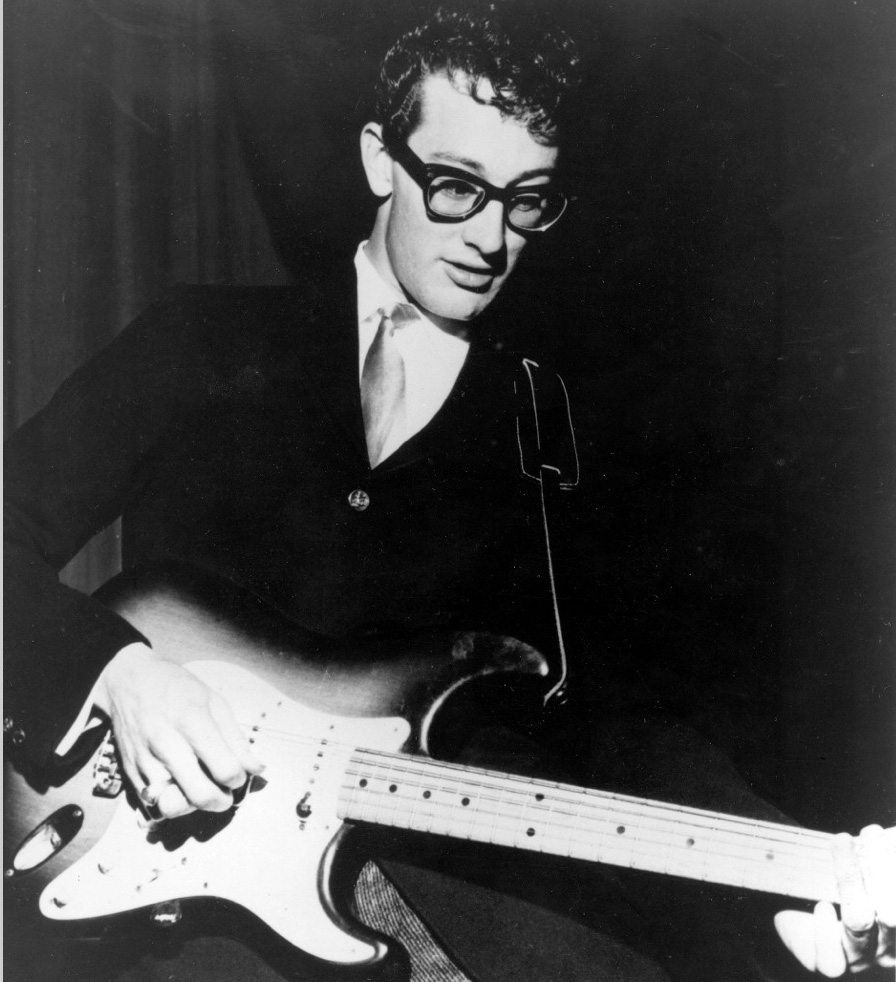
Three rock icons boarded a plane; a pregnant widow learned the news from reports
A coin, tossed in the air, decided who would live and who would fly. Tommy Allsup lost his seat on the plane to Ritchie…
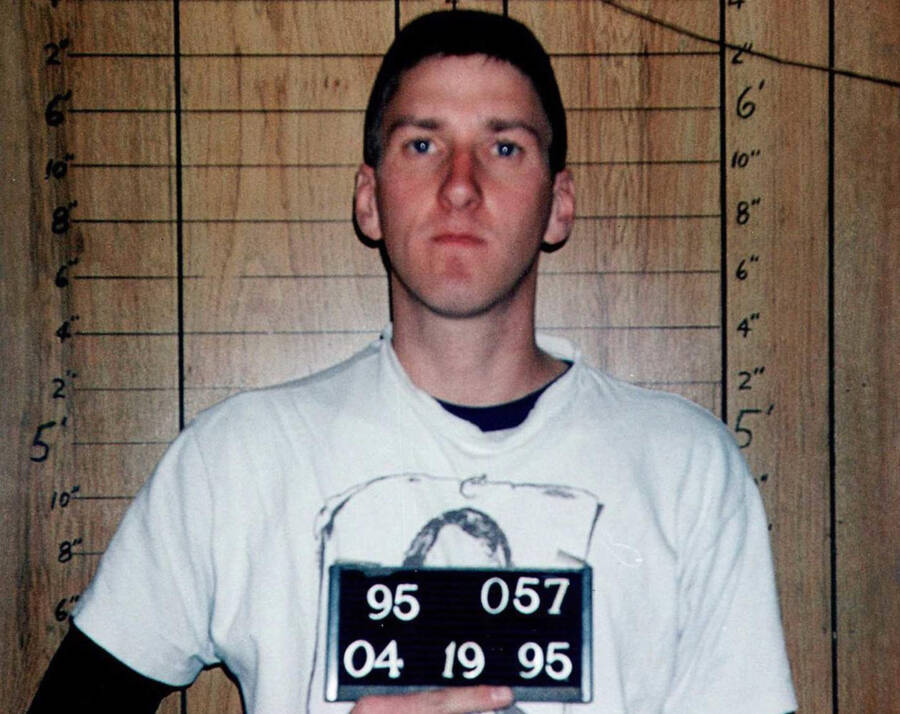
The axle number on a Ryder truck that led FBI agents to a rental clerk and a suspect
At 9:02 a.m. on April 19, 1995, a truck bomb exploded outside the Alfred P. Murrah Federal Building in Oklahoma City, Oklahoma. The blast…
The jailhouse confession that broke the Manson case — and the raid that missed
She was in jail for something else. Susan Atkins, charged in an unrelated case, sat in a cell and talked. She told her cellmate,…
The phone calls a massage therapist recorded that changed a murder trial's story
She was a massage therapist in Fresno, and she met Scott Peterson in November 2002. He told her he was single. She did not…
The flight logs that tied Epstein's jet to underage girls — and the FBI files that still won't close
The plane had a name before the case did. The "Lolita Express," they called it — Epstein's private jet, a Boeing 727 that shuttled…
The FBI named the wrong man the night before the Tsarnaev brothers were caught
On April 18, 2013, the FBI released images of two suspects taken from Lord & Taylor surveillance footage. That same night, the FBI initially…