The Boston Strangler panic that made single women buy locks and fear their own apartments
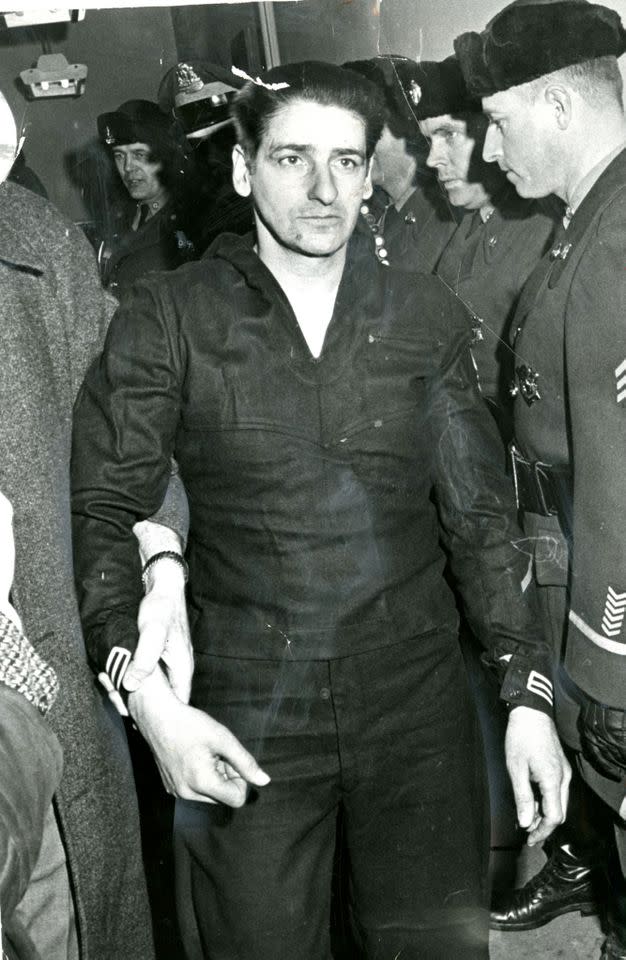
She bought the lock on a Tuesday, the hardware store clerk remembered, because that was the day the papers printed the address.
The address was Beacon Hill, and the apartment was on the second floor, and the door had been locked when they found her.
She was the first widely attributed victim, found in her apartment on June 14, 1962.
Between June 1962 and January 1964, a series of murders of women in the Boston area — ultimately numbering 13 — became known as the work of the "Boston Strangler."
Not because anyone knew who he was.
Because the city decided he was out there, and the fear was easier to hold than the uncertainty.
Single women living alone bought locks.
They bought chain locks, deadbolts, slide bolts, and the kind that go across the door like a bar.
They bought them at hardware stores and department stores and from the door-to-door salesmen who started appearing in the neighborhoods.
Police issued safety warnings.
The warnings said keep your door locked, don't open it to strangers, don't tell callers you're alone.
The warnings were printed in the papers, read on the radio, repeated in the hallways of apartment buildings.
What was it like to be a single woman in Boston in 1962?
To hear the name on every broadcast, to see it on every front page, to check the lock twice before the light went out?
To lie awake and listen for footsteps that could be the superintendent, the mailman, the man who fixed the radiator?
That would require evidence.
The identity of the killer is not established at this point in the story.
That is what the record shows: a locked door, a city holding its breath, and a name that fit the panic.
She was on the ground below.
JUNE 1962 — JANUARY 1964
The first widely attributed victim was found in her apartment in Boston's Beacon Hill neighborhood on June 14, 1962.
She had been strangled, and the police found her with her own stocking tied around her neck.
That was the detail the papers printed, and the papers printed it again and again.
The killings continued through 1963.
The final victim was found in January 1964.
The victims were strangled, often with their own clothing or stockings, and many were sexually assaulted.
The murders occurred in Boston and nearby communities, including Lynn and Lawrence.
Lynn was a factory town. Lawrence was a mill town. The danger was no longer downtown.
The Boston press covered the case extensively.
Every new body was a front-page story, and every front-page story named a new address.
The exact number of victims attributed to the Strangler is stated as 13 in the source.
That number is a claim, not a conviction. The official closure in 1964 came without an arrest.
Not because the killer was identified. But because the case was closed.
What did the police know in 1964? The record does not say they knew the killer's name.
What did the papers know? The papers knew the fear sold.
Women bought locks. Police issued safety warnings. Single women in apartments learned to check their doors twice.
The timeline ran from June 1962 to January 1964.
Nineteen months. Thirteen victims. One name that fit the panic.
The name was not a fact. The name was a headline.
THE CONFESSION
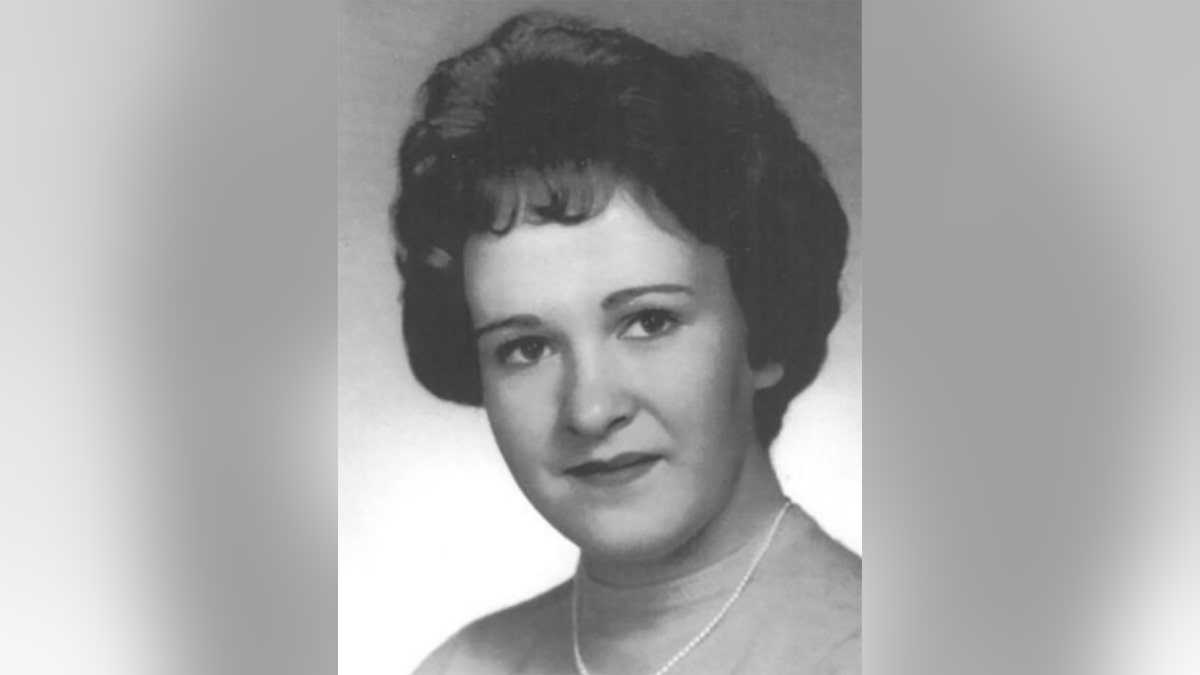
In 1965, Albert DeSalvo was already in custody for a series of sexual assaults.
He was a laborer, a former soldier, a man the police knew.
From his cell, he confessed to the Strangler murders.
The confession was taken by the Massachusetts Attorney General's chief investigator.
DeSalvo gave details. Rooms, clothing, stockings, the order of the attacks.
The chief investigator wrote it down.
There were no fingerprints.
There was no DNA.
There was no eyewitness testimony.
There was only a man talking, and a room full of men listening.
Some investigators doubted the confession.
They noted inconsistencies in the details.
They noted what did not match the crime scenes.
No charges were ever filed against DeSalvo for the Strangler murders.
The case was never tried.
The confession was the whole case.
It was a story told by a man who had nothing to lose.
It was a story that fit the panic.
The public had already named the killer. The press had already printed the name.
The record does not establish that the confession was accurate.
The record does not establish that it was false.
It establishes only that a man spoke, and that the state did not charge him.
The case was officially closed in 1964, before the confession was taken.
The confession came after the case was closed.
The confession was not the end of the investigation.
The investigation had already ended.
THE OTHER TRIAL
Albert DeSalvo was never tried for the Boston Strangler murders.
He was never charged with them.
The confession went nowhere in a courtroom.
Instead, in 1967, he stood trial for something else entirely — a series of armed robberies and sexual assaults.
He was convicted.
The judge sentenced him to life in prison.
The man who confessed to strangling thirteen women was punished for crimes that had not terrified a city.
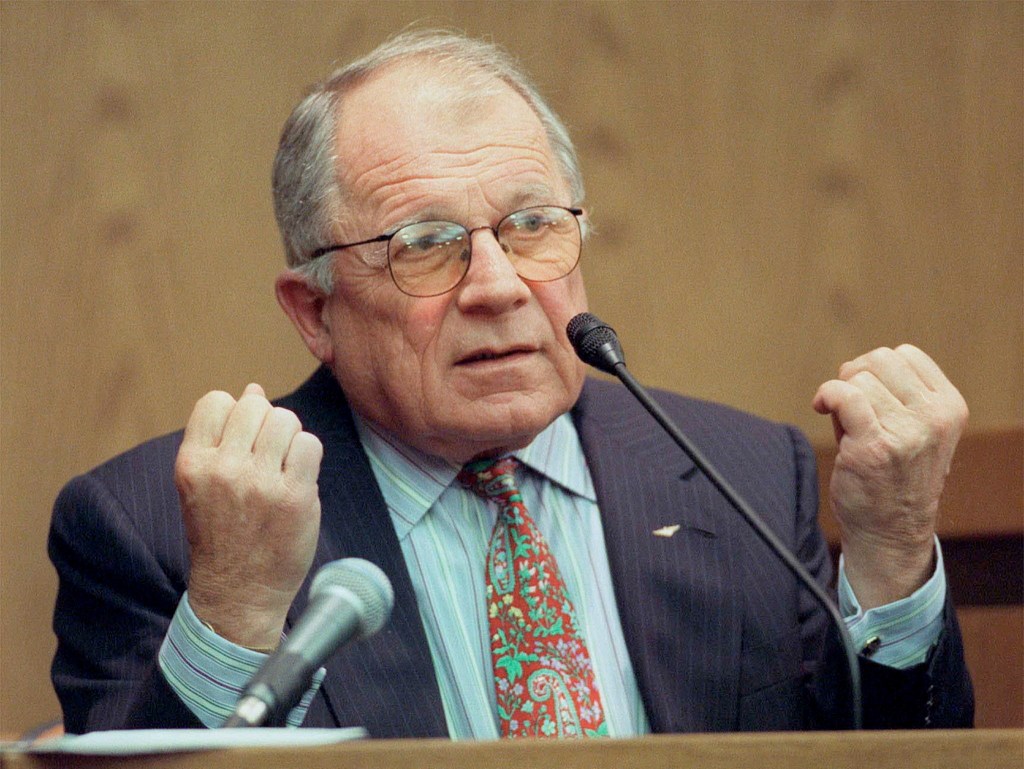
His defense attorney, F. Lee Bailey, later claimed there had been a deal.
Bailey said DeSalvo confessed to the Strangler murders as part of an arrangement.
No such deal was ever formalized.
Whether any deal existed is not established.
The record shows only Bailey's claim.
DeSalvo was never charged with the murders, deal or no deal.
So the case sat in that strange space: a confession without charges, a suspect without a trial.
He remained in prison for the robberies and assaults.
In 1973, he was found stabbed to death in his cell.
Another inmate killed him.
The man who said he was the Boston Strangler died without ever being tried for being the Boston Strangler.
The city had bought the locks.
The women had feared their apartments.
The panic was real.
The proof, in a courtroom, never came.
Not for the murders.
Not for him.
AND THE STORY STILL ISN'T OVER
The case was officially closed in 1964 without an arrest.
That was the end of the investigation.
It was not the end of the question.
Albert DeSalvo was killed in prison in 1973, stabbed by another inmate.
He took his confession with him.
No jury ever heard it.
No court ever weighed it.
Decades passed, and the file stayed shut.
Then, in 2013, DNA testing was conducted on evidence from the murder of Mary Sullivan.
The results were reported to match DeSalvo.
Some officials stated that the case was solved.
The announcement made headlines.
It also raised questions.
Questions about the reliability of the DNA evidence.
Questions about the circumstances of the testing.
Questions about whether a match on one victim proves anything about the other twelve.
That would require evidence.
The record does not establish that the DNA definitively proves DeSalvo's guilt.
The source notes the questions and leaves them open.
The families of the victims have expressed mixed reactions to the findings.
Some found a kind of closure.
Some found only more doubt.
The case remains a subject of debate.
Not because the evidence is clear.
But because it is not.
A confession without corroboration.
A DNA report with contested circumstances.
A dead suspect who was never charged.
The story still is not over.
Advertisement
You may also like
He walked into a bar to report the six bodies — but the first account did not match
The bar was on a quiet stretch of Long Island, a place where a man could walk in and order a drink before noon…
The smell from Gacy's crawl space that made police dig again
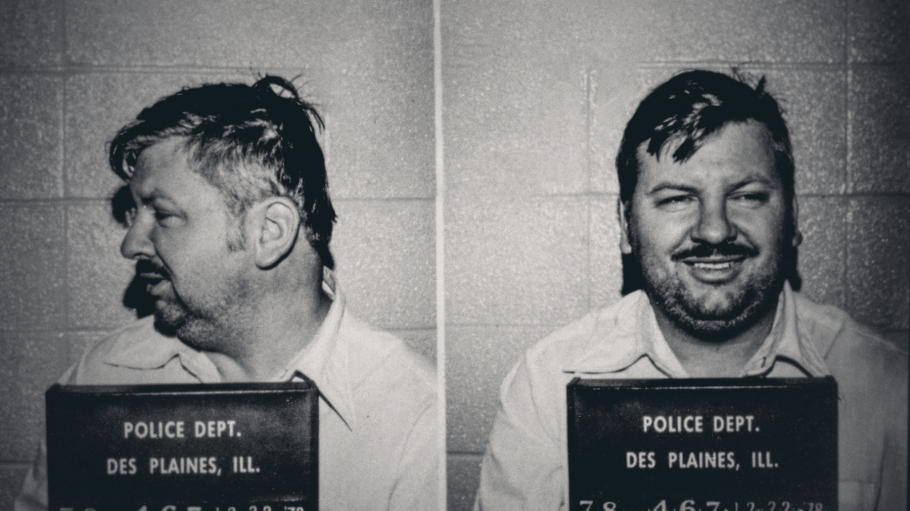
The smell hit the officers before they reached the trapdoor. It was December 1978, and police were searching the home of a building contractor…
The Christmas Eve phone call that broke Laci Peterson's mother
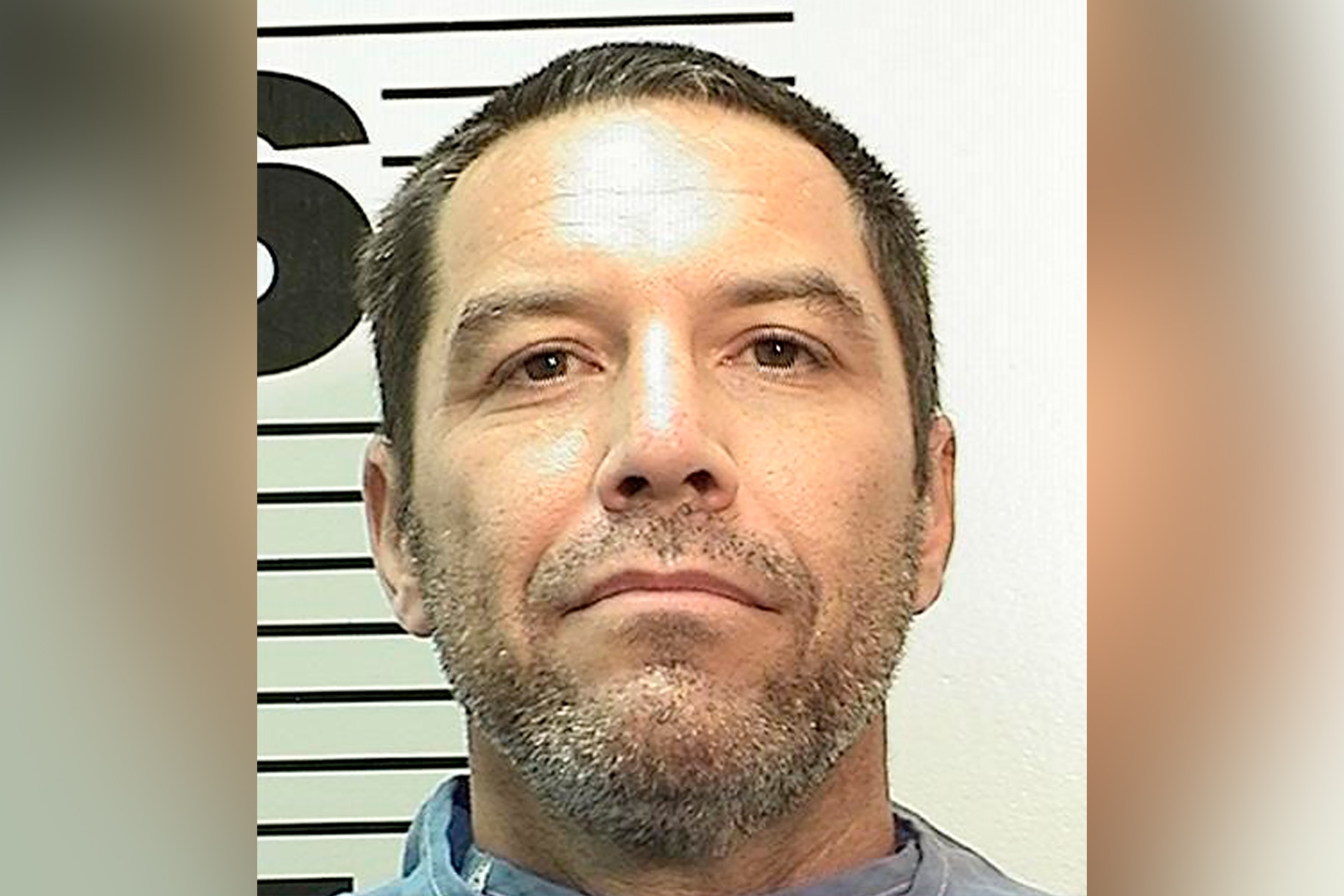
December 24, 2002, was a Tuesday. Laci Peterson, 27 and eight months pregnant, was last seen at the family home in Modesto. That evening,…
The faulty gyroscope and a pilot not rated for instrument flight — the evidence in a 1959 crash that killed three stars
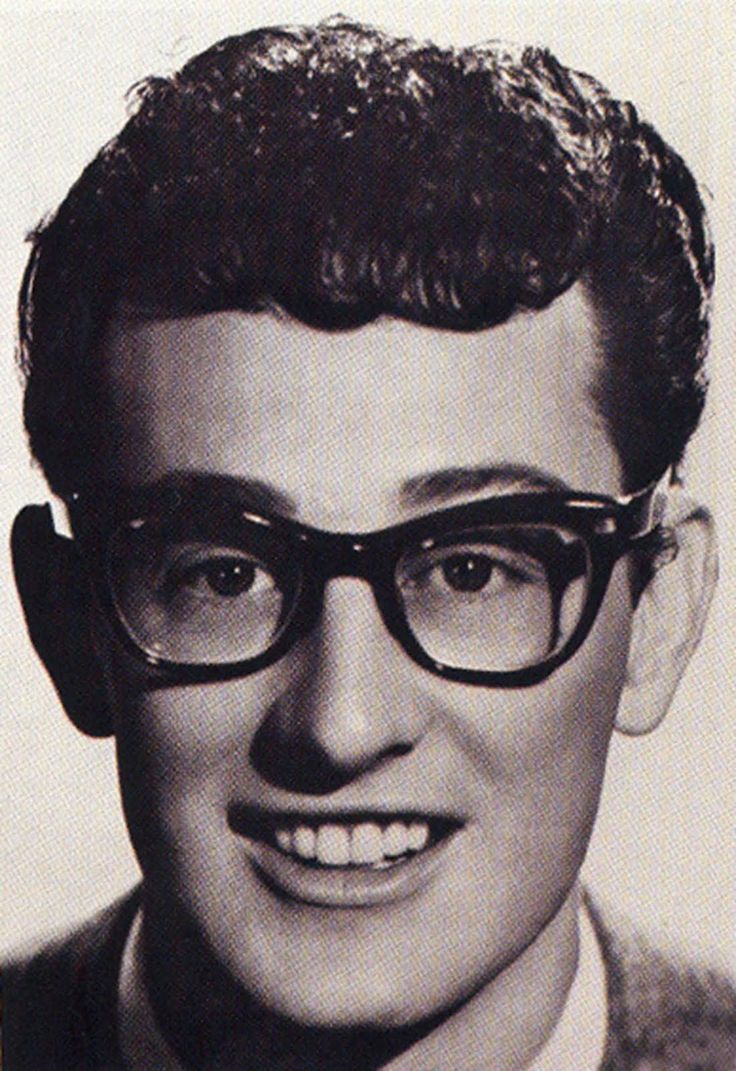
The gyroscope was found malfunctioning, and it was the one instrument that tells a pilot which way is up. The Civil Aeronautics Board’s investigation…
The unmatched glove that didn't fit — and the $33.5 million judgment the Goldman family still pursues
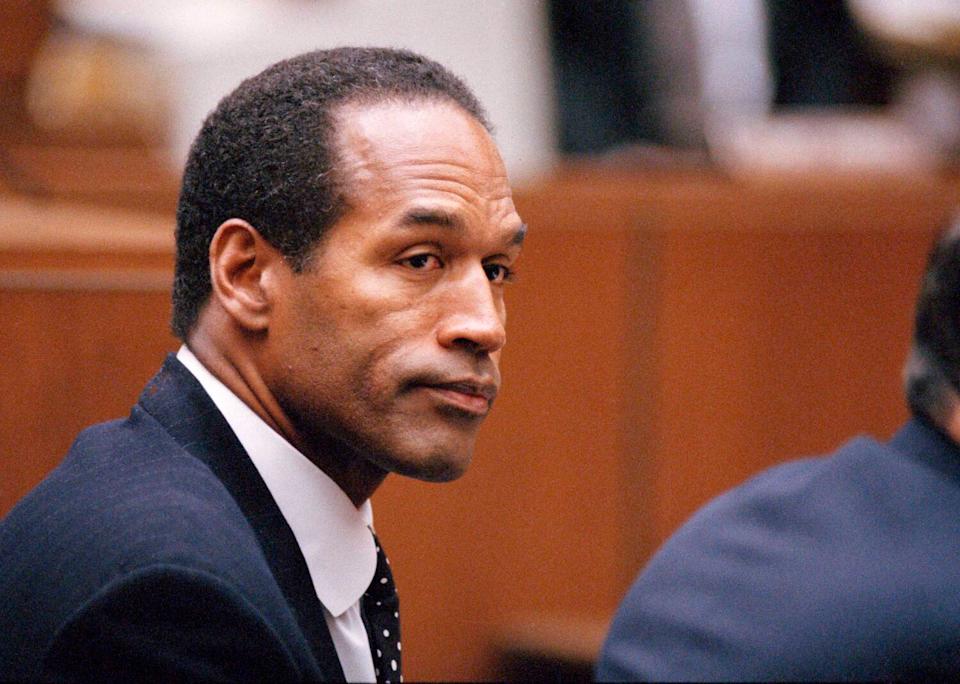
The courtroom was warm, and the cameras held on the leather. O.J. Simpson tugged at the pair of gloves the prosecution had asked him…
The 911 call that shattered a legal dynasty – and the lie that followed
The dogs were still barking when the first deputies arrived at Moselle. Paul Murdaugh, 22, and his mother, Maggie, 52, lay dead near the…