The unmatched glove that didn't fit — and the $33.5 million judgment the Goldman family still pursues
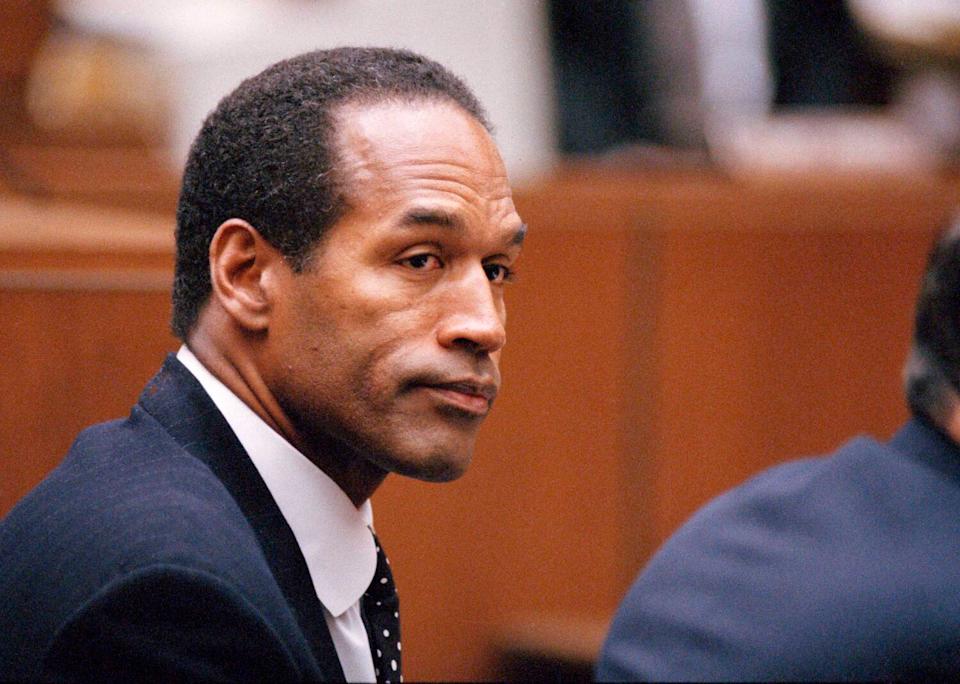
The courtroom was warm, and the cameras held on the leather.
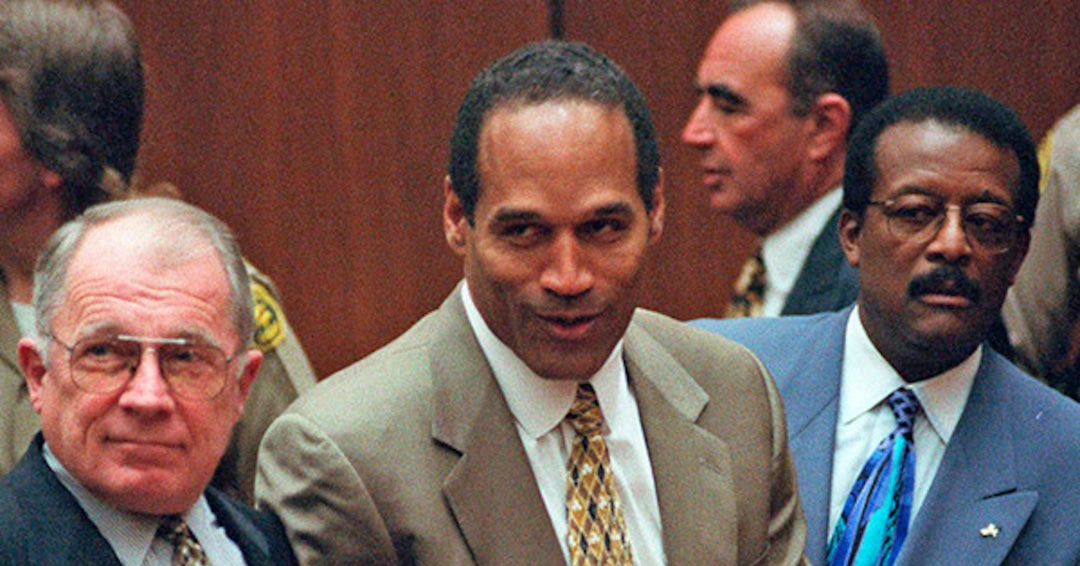
O.J. Simpson tugged at the pair of gloves the prosecution had asked him to try on.
He struggled against the fingers, the knuckles, the fit.
The defense argued the gloves had shrunk and were too small — trial testimony recorded that argument, not a measurement.
One glove was bloody, found at the crime scene on Bundy Drive.
The other glove was matching, found at Simpson's estate.
Police logged both as evidence.
The moment became famous because it looked like proof — a man who could not get the gloves on could not have worn them to kill.
But the record does not establish whether the gloves actually fit or had shrunk.
The demonstration was visual, not scientific.
No lab test ruled on the leather's size.
The prosecution's case leaned on DNA evidence, which was relatively new to juries then.
Blood drops, blood stains, genetic matches — the science was the weight of the state's argument.
The defense answered with a story of a frame.
Racist police officers, the defense argued, had planted the evidence.
That argument had a face: the lead detective whose testimony later became a flashpoint.
The gloves hung in the air between those two stories.
One side said they were too small.
The other side said they fit the narrative.
What the record leaves open is whether that courtroom moment meant anything at all.
It is a famous image.
It is not a finding.
THE NIGHT OF JUNE 12, 1994
The neighbor walking her dog found them around midnight, according to her account to police.

She called police.
Officers pronounced both victims dead at the scene, the police report states.
The coroner's findings recorded that both had been killed with a knife.
Goldman had defensive wounds.
Nicole Brown Simpson was the ex-wife of O.J. Simpson, a former football star and actor.
He became the primary suspect, according to the investigation.
The exact time of death is not in the record.
The knife was never recovered.
What is on the record is the location: outside her condominium on Bundy Drive in Brentwood.
What is on the record is the date: June 12, 1994.
What is on the record is that two people were stabbed to death.
What the record does not establish is when the killings happened, or what happened in the hours before the neighbor's dog led her to the bodies.
That would require evidence.
The bodies were found outside.
She was on the ground below.
THE CHASE AND THE TRIAL
The date was June 17, 1994.
Simpson was charged with two counts of first-degree murder, and then he fled.
He rode in his white Ford Bronco with his friend Al Cowlings, leading police on a slow-speed chase that was broadcast live on television.
He surrendered at his Brentwood estate.
The trial began in January 1995.
It lasted nearly nine months, according to court records.
Allan Park, the limousine driver, testified about Simpson's whereabouts that night.
Detective Mark Fuhrman's testimony became a flashpoint.
Tapes surfaced of him using racial slurs and discussing planting evidence.
The defense exploited that to undermine the prosecution's case.
On October 3, 1995, the jury acquitted Simpson of both counts.
The jury deliberated for less than four hours.
An estimated 100 million people watched the verdict.
The motive for the murders is not established in the record.
The knife was never found.
The chase was a turning point in public perception.
The acquittal was a shock.
The evidence was interpreted one way by the jury, and another way by millions watching at home.
TWO VERDICTS, ONE JUDGMENT
The prosecution presented blood evidence linking Simpson to the victims.
The gloves, the blood drops at his estate — the prosecution argued these pointed to guilt.
The defense answered with a different story.
Blood samples were mishandled and contaminated, the defense argued.
Simpson was framed by racist police officers, the defense said.
The criminal jury heard both cases and deliberated for less than four hours.
On October 3, 1995, they acquitted him of both counts.
Then came a second verdict, from a different system.
In 1997, a civil jury in Santa Monica found Simpson liable for the wrongful deaths of Nicole Brown Simpson and Ronald Goldman.
That jury ordered him to pay $33.5 million in damages.
Two verdicts, one set of facts.
Not because one jury was right and the other wrong.
But because the law asks different questions.

Criminal guilt requires proof beyond a reasonable doubt.
Civil liability requires only a preponderance of the evidence — that something is more likely true than not.
The criminal jury said the prosecution had not met its burden.
The civil jury said the families had met theirs.
The acquittal was not a finding of innocence.
The judgment was not a finding of murder.
Both were legal conclusions, reached by different rules.
The Goldman family has spent decades trying to collect.
The civil judgment remains largely unpaid; the exact amount collected is not in the record.
Simpson lived in Las Vegas after his parole in 2017.
He died of cancer on April 10, 2024, at age 76.
The debt did not die with him.
Fred Goldman and Kim Goldman have continued to press.
Kim Goldman became an advocate for victims' rights.
The family still pursues the $33.5 million.
The number remains a target, not a payment.
That is where the story stands: two verdicts, one judgment, and a pursuit that outlasted the man himself.
AND THE STORY STILL ISN'T OVER
He was convicted in Las Vegas in 2008.
Armed robbery and kidnapping, for attempting to retrieve sports memorabilia he claimed was stolen.
The sentence was 9 to 33 years in prison.
Parole came in 2017, after nine years served.
He walked out of Lovelock Correctional Center on October 1, 2017.
He lived in Las Vegas after that.

He died of cancer on April 10, 2024, at age 76.
The obituary stated the cause and the place.
The Goldman family kept pursuing the $33.5 million judgment.
It remained largely unpaid, according to family statements.
Fred Goldman has spoken publicly for decades.
Kim Goldman became an advocate for victims' rights.
She has said the pursuit was never about the money alone.
Nicole Brown Simpson's family stayed public too.
Her sisters remained figures in the coverage.
The Brown family established a foundation in her memory.
The exact current balance of the civil judgment is not in the record.
That remains unestablished, like so much else.
The knife was never recovered.
That, too, is not in the record.
Simpson is gone, but the judgment is not satisfied.
The families remain.
The pursuit continues without the man at its center.
It is a case of two verdicts.
It is also a case of one unpaid judgment.
The story did not end with the acquittal.
It did not end with the conviction.
It did not end with the parole.
It did not end with the death.
The families are still here.
The number is still there.
$33.5 million.
Still a target.
Still not a payment.
Advertisement
You may also like
Inside Dahmer's confession: how one man spent four days leading detectives through a drip of details on 17 killings
He was handcuffed, and he was talking fast. Tracy Edwards had flagged down two Milwaukee police officers on July 22, 1991, after escaping the…
Love letters scattered in the lane — the 1922 murder that made the front pages for years
The note was still pinned to the crabapple tree when the bodies were found. It read "Mrs. Mills." Not a confession. Not an accusation.…
The bloody glove found on O.J. Simpson's estate after detectives scaled a fence
The fence at 360 North Rockingham Avenue was seven feet tall, and Detective Mark Fuhrman climbed over it. He was there to notify O.J.…
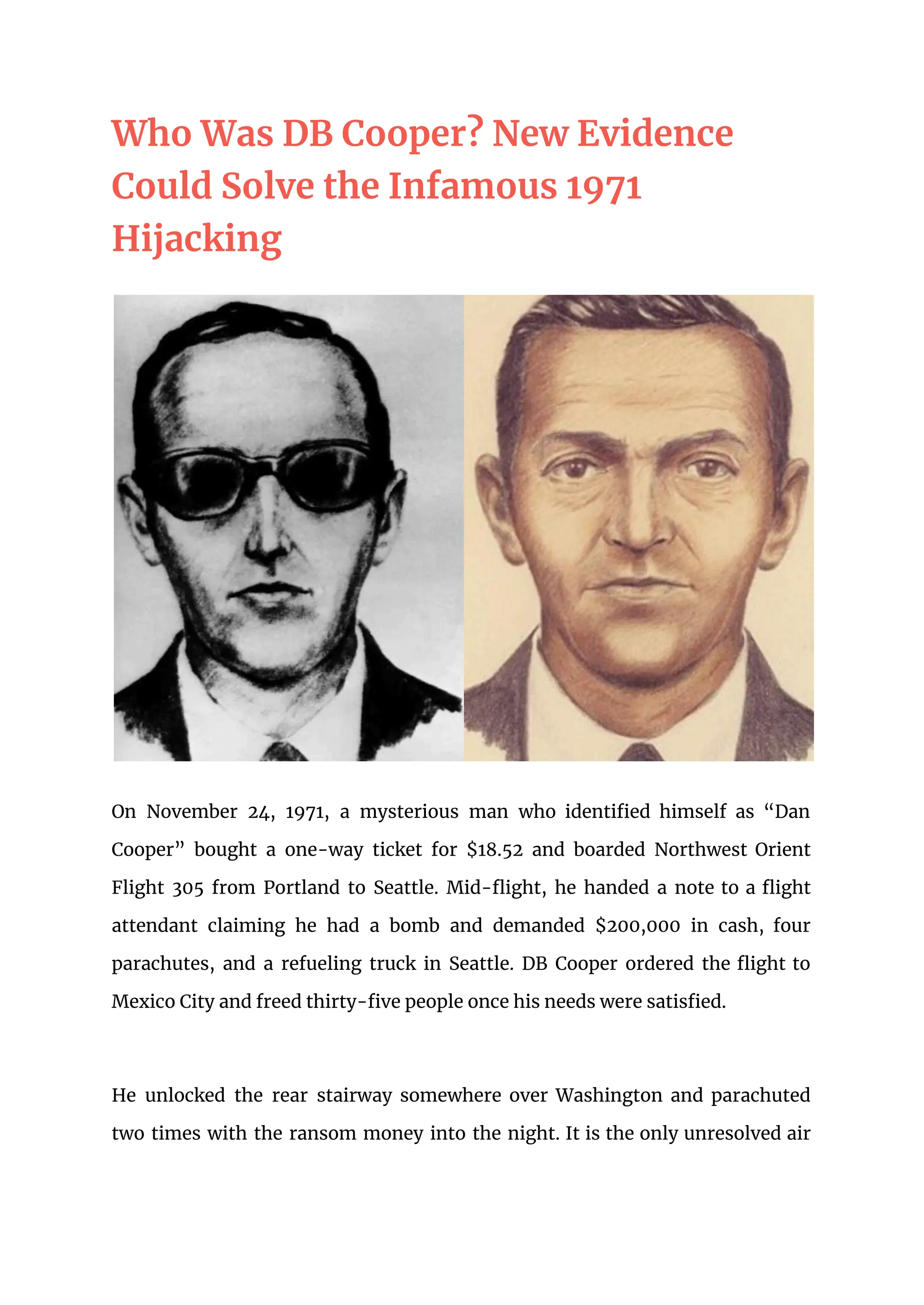
The $5,800 in ransom cash that surfaced on a riverbank 9 years after the jump
Eight years after the jump, a boy was walking the sand of the Columbia River in Washington. He found a rotting bundle of cash,…
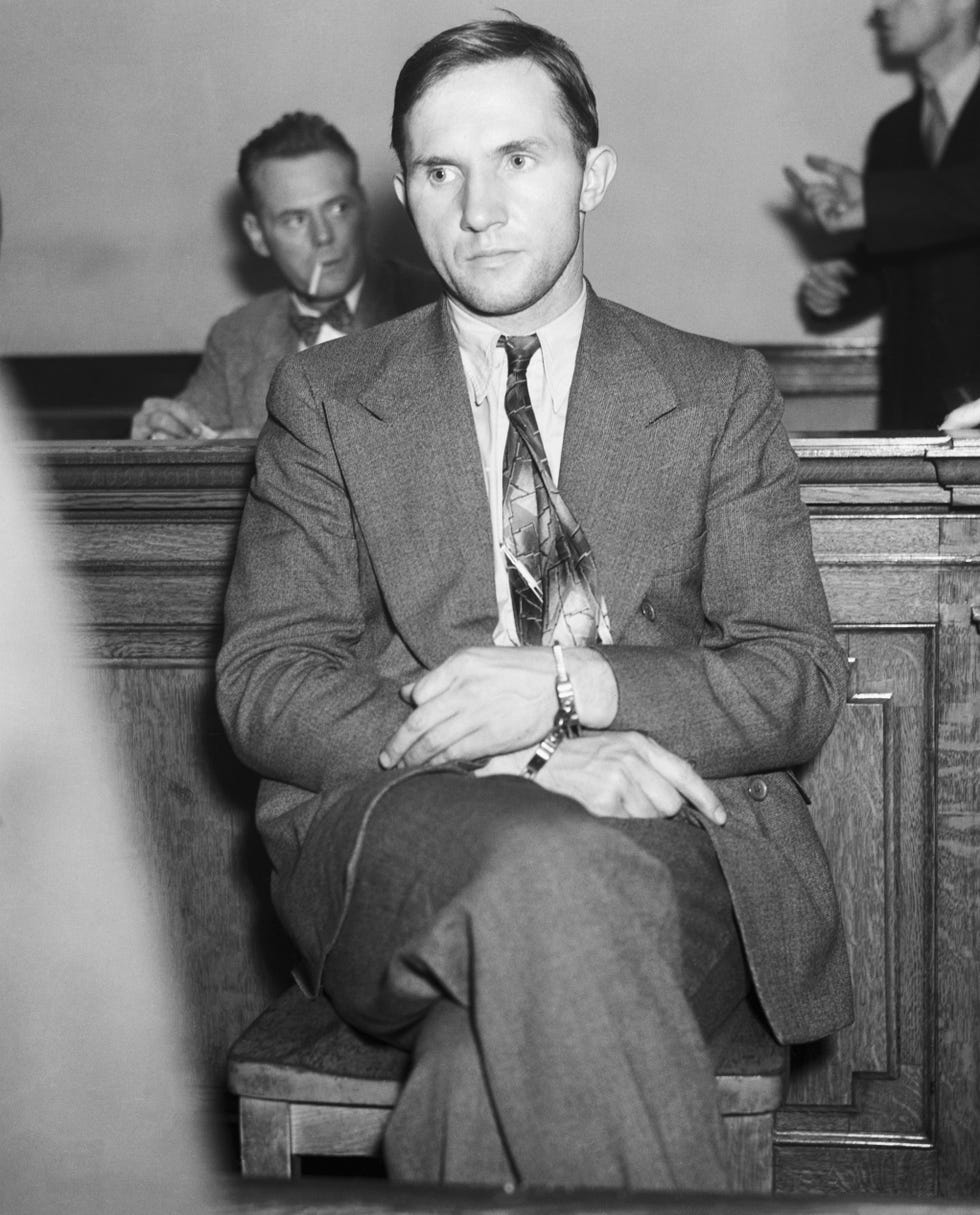
The ladder's wood that led detectives to Hauptmann's door—and the tool mark that sealed it
The ladder was the only thing the kidnapper left behind. A homemade wooden ladder, propped against the window of a nursery near Hopewell, New…
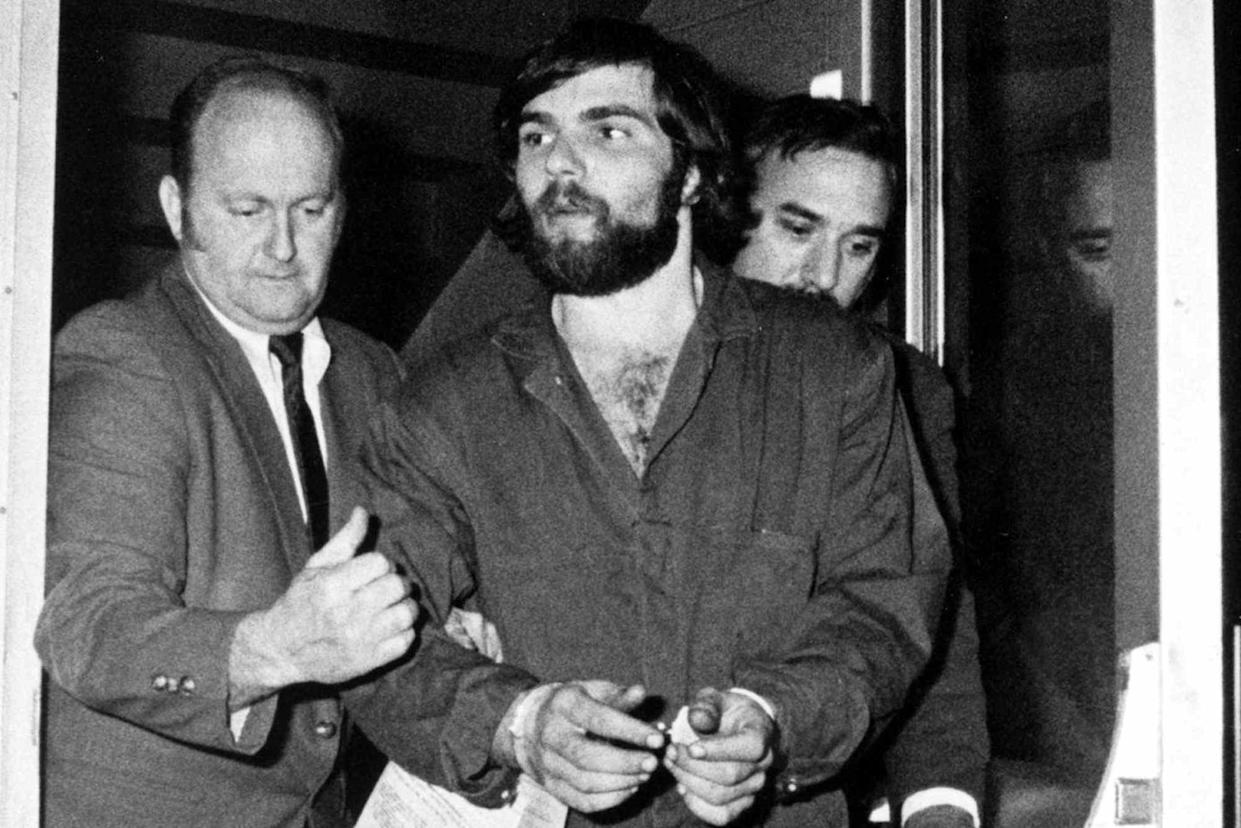
He walked into a bar to report the six bodies — but the first account did not match
The bar was on a quiet stretch of Long Island, a place where a man could walk in and order a drink before noon…