The bridge splash and the fiber evidence that turned Atlanta's child murders into one trial
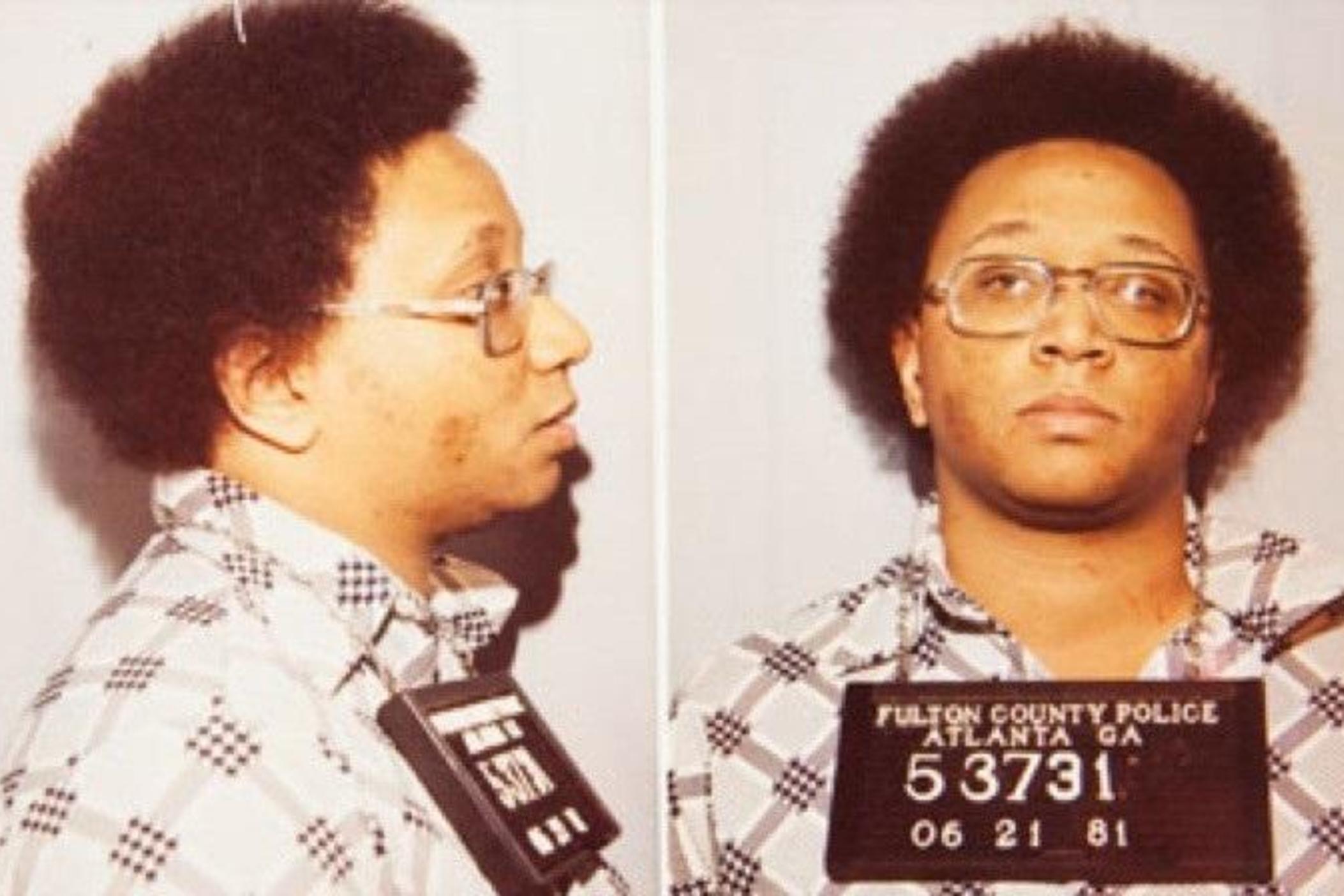
The sound came first.
On May 22, 1981, police were staked out on a bridge over the Chattahoochee River. They were there because a surveillance team had heard a splash in the water below.
It was late. It was dark. The river was already a place where bodies had been found.
A car drove off the bridge. Police stopped it. The driver was Wayne Williams, a 23-year-old Black freelance photographer and music promoter. He was questioned, then let go.
Days later, the body of a 27-year-old man was found downstream.
It was the second of two killings Williams would be charged with. Not the first of the terror, and not the last of the questions.
What exactly made that splash — whether it was a body, a rock, or something else — is not established by the record. It was a sound heard by police, not a documented event.
Was it the break in the case? Was it a coincidence? Was it a man dumping something heavy into the dark?
That would require evidence.
Since July 1979, at least 28 African-American children, adolescents, and young adults had disappeared or been found murdered across Atlanta. The victims ranged in age from 7 to 28. The city's Black community suspected the killings were racially motivated.
The river was where some of them ended up. The bridge was where the story turned.
A splash in the night. A car driving away. A body found days later.
That is what the record holds. The rest was sound.
THE TERROR
Between July 1979 and May 1981, at least 28 African-American children, adolescents, and young adults disappeared or were found murdered in the Atlanta metropolitan area.
At least 28. That number comes with a caveat the record does not settle.
Victims ranged in age from 7 to 28. Bodies were discovered in wooded areas, rivers, and vacant lots across the city.
The cases terrorized Atlanta's Black community. Many suspected the killings were racially motivated.
The story became a national media sensation. Major networks and newspapers covered every development, amplifying the fear and the demand for answers.
Public protests grew. Demands for federal intervention grew with them.
The investigation was initially fragmented. Multiple police jurisdictions handled cases separately, each with its own files, its own theories, its own pace.
That fragmentation drew anger. Victims' families and community activists led the push to fix it.
Public pressure forced the creation of a special task force. The FBI became involved in 1980.
What was documented was a city in crisis. What was not established was the exact number of victims and whether all of them were connected.
The count stands at at least 28. The connection remains a question the record leaves open.
The media covered the fear. The media also fed it.
That is what the record holds. The rest was sound.
THE FIBERS
The fibers came from his bedroom, his car, and the carpet under his feet.
Forensic analysis linked those fibers — and dog hairs from his home — to the bodies of the two victims he was charged with killing.
FBI fiber analyst Harold Deadman testified at trial about the matches.
He walked the jury through the microscopic comparisons, strand by strand.
The prosecution, led by the Fulton County District Attorney's office, built its case on those fibers.
They added eyewitness testimony placing Williams with victims.
The defense answered with a simpler argument.
The fibers were common, they said.
They were everywhere — in carpets, in cars, in any house with a dog.
The evidence was circumstantial, the defense argued, and Williams was a scapegoat.
The trial ran in Fulton County Superior Court in early 1982.
Williams's team of attorneys pressed the point that the fiber matches proved proximity, not murder.
Not because the fibers were unique. But because the defense said they were ordinary.
Whether the fibers were unique enough to prove guilt beyond reasonable doubt is contested.
The record does not establish that they were.
It establishes that Deadman testified to the matches.
It establishes that the prosecution called them conclusive.
It establishes that the defense called them coincidence.
Was the carpet in his bedroom the same as the carpet on a body?
That would require evidence.
Was the dog hair from his car the same as the dog hair on a victim?
That would require proof.
What the jury heard was a dispute between experts, argued in a crowded courtroom.
The media covered the trial as a reckoning.
The media covered the fibers as a breakthrough.
The fibers were the story. The fibers were also the question.
THE VERDICT
On February 27, 1982, the jury found Wayne Williams guilty of two counts of murder.
The judge sentenced him to two consecutive life terms in prison.
The courtroom was packed, and the media called it a reckoning.
It was a conviction. It was also a narrowing.
Williams was never charged with the other killings, though prosecutors argued he was responsible for many of them.
That is not established by the conviction. He was never charged for them.
The investigation was criticized for focusing on Williams to the exclusion of other suspects, and many of the other child murders remain officially unsolved.
The families who had demanded justice watched the verdict land.
Some felt closure. Some felt the door had closed too soon.
Williams has maintained his innocence and filed multiple appeals, all unsuccessful.
He remains incarcerated in Georgia, having been denied parole multiple times.
The fibers had tied him to two deaths. The law tied him to two life terms.
What about the rest?
The record does not answer that. The record does not establish it.
Prosecutors argued he was responsible for many of the murders. The jury convicted him of two.
The other cases stayed open in the public mind, even as police closed them in the files.
Was he the man who splashed into the Chattahoochee that night?
That would require evidence the trial never produced.
The verdict settled one question. It left the others floating, like the river itself.
AND THE STORY STILL ISN'T OVER
The other killings were officially closed in the 1980s, with police attributing many to Williams, though he was never charged.
The record does not establish that he was responsible for them.
It only establishes that the case against him covered two deaths.
Journalists and documentarians have revisited the files since.
Some victims' families continue to push for reopening the investigations.
Whether any new investigation will be opened is not in the record.
No hearing date is mentioned.
No pending motion is mentioned.
The city of Atlanta has erected memorials to the victims.
The memorials mark names, not answers.
The media's role has been widely analyzed.
The coverage amplified fear, night after night, as the body count climbed.
The same coverage pressured authorities to act, and the same coverage later narrowed on one man.
It is a chapter studied for what it did to a city.
It is a chapter studied for what it did to the families.
The case remains a painful chapter in the city's history.
The verdict settled one question, and the river kept the rest.
The splash was heard.
The fibers were matched.
The trial ended.
The story did not.
Advertisement
You may also like
The bloody glove found on O.J. Simpson's estate that didn't fit in court — and the detective who found it
The neighbor walking her dog found the bodies around midnight. Nicole Brown Simpson and Ronald Goldman were on the ground outside her condominium on…

The bloody fingerprint on the door that didn't match — and the evidence the Army lost
The door was still wet with it. February 17, 1970, Fort Bragg, North Carolina. Army Captain Jeffrey MacDonald, a Green Beret physician, called it…
The footprint left at the Clutter farm that investigators could not explain
The footprint was in the farmhouse, pressed into the floor of a house where four people lay bound and shot at close range with…

The bloody glove that didn't fit — and the LAPD evidence mistake that changed the trial
The glove sat on the evidence table, leather and dark, one found at the crime scene, the other on the accused's property. In court,…

The ring that identified Emmett Till after his body was pulled from the Tallahatchie River
The cotton gin fan was still tied to his neck with barbed wire. His body came up from the Tallahatchie River on August 31,…
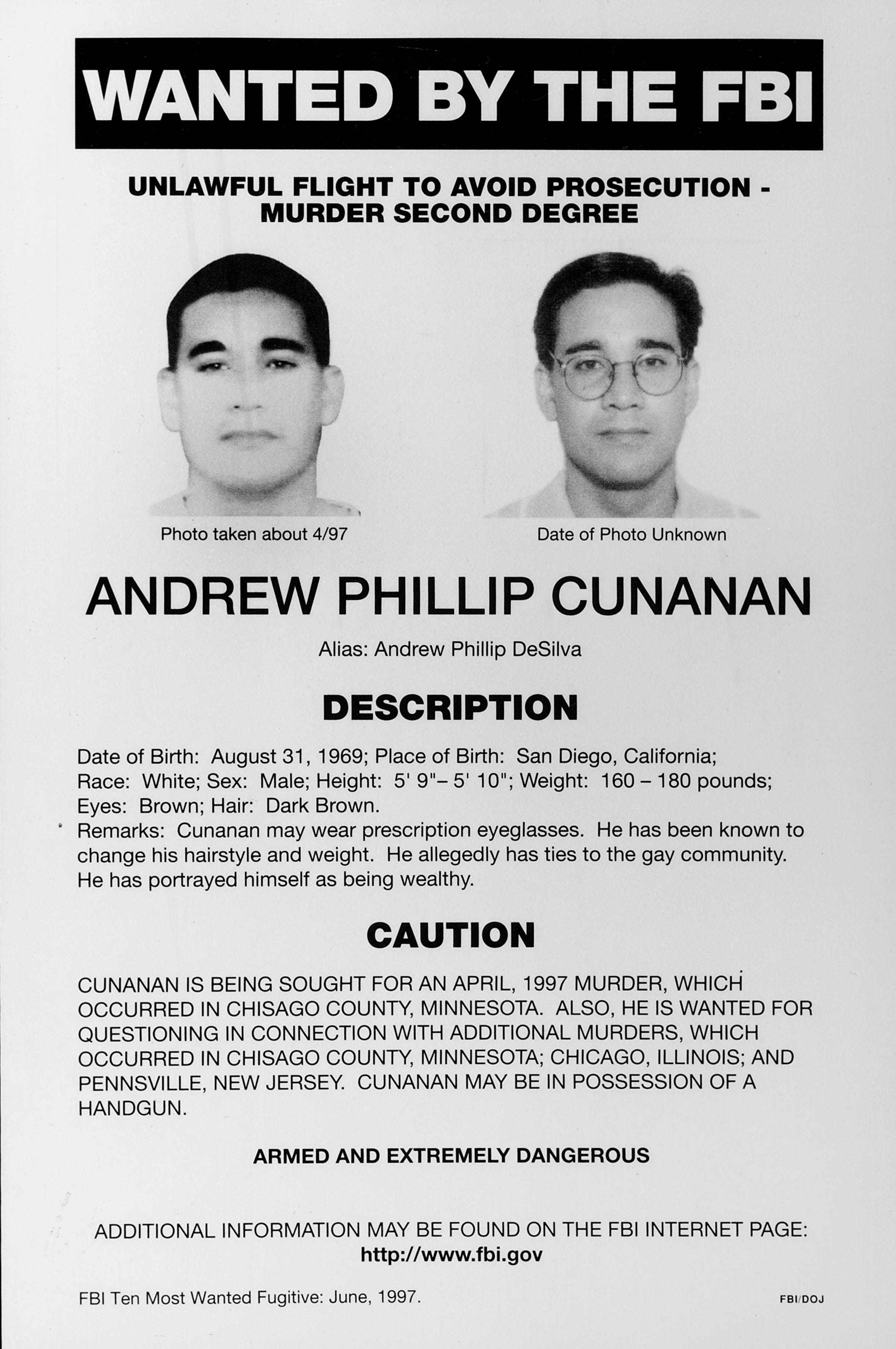
Why the FBI manhunt missed Andrew Cunanan in Miami for weeks
The bicycle was found first, abandoned against a wall a few blocks from the Casa Casuarina. On July 15, 1997, Gianni Versace was shot…