The bloody fingerprint on the door that didn't match — and the evidence the Army lost

The door was still wet with it.
February 17, 1970, Fort Bragg, North Carolina. Army Captain Jeffrey MacDonald, a Green Beret physician, called it in: four intruders, three men and a woman, had attacked his family in base housing.
Military police arrived and found Colette MacDonald dead. Her daughters, Kimberley, age 5, and Kristen, age 2, were dead too — multiple stab wounds, blunt-force injuries.
MacDonald himself had minor wounds.
He said the intruders chanted “acid is groovy” and killed his family.
Then investigators found the fingerprint.
A bloody fingerprint on a door.
It matched no one. Not MacDonald. Not his wife. Not his daughters.
Not any of the four intruders he described.
The identity of the person who left that bloody fingerprint is not established by the record.
There is a theory circulating online that the fingerprint belonged to an intruder. That is a theory. The record does not establish it.
Whose print was it?
Why did it match no one?
Why was a door in a murdered family’s home marked with blood that belonged to a stranger?
That would require evidence.
The Army had the door. It had the print. It had the case.
And then, the Army let it go.
THE ARMY'S FIRST MISTAKE
The Army’s Criminal Investigation Division initially accepted MacDonald’s story.
For a time, the account held.
Then the inconsistencies surfaced, one by one.
Investigators noted that MacDonald’s wounds were superficial.
They did not match his account of a violent struggle with four intruders.
A torn piece of pajama top was found near Colette’s body.
The crime scene report logged it.
The pajama top did not match the story either.
And then the Army made its critical mistake.
In 1970, it released MacDonald from custody.
It allowed him to leave the military without charges.
The Army cited insufficient evidence.
Why the Army concluded there was insufficient evidence is not fully explained in the record.
Not because the record is silent. But because the record does not say.
The case went cold.
It stayed cold until 1971.
That year, the victims’ parents pressured officials to reopen it.
They pushed.
They insisted.
They would not let the case sit.
The Army reopened the investigation.
But the first mistake had already been made.
The suspect had walked away.
The evidence had aged.
The door with the fingerprint remained, but the Army had let the moment pass.
That would require evidence.
THE REOPENING AND THE EVIDENCE LOST
In 1974, a federal grand jury indicted MacDonald.
The case had been reopened, but the Army's first investigation was already under attack.
Forensic experts testified that the physical evidence told a different story.
The pattern of bloodstains, the positioning of the bodies — none of it matched MacDonald's account of four intruders.
The prosecution introduced other evidence too.
MacDonald had been having an affair, they testified, and had argued with Colette.
The defense answered with a question of its own.
What had the Army lost?
What had it contaminated?
What had it simply failed to collect?
That would require evidence.
The defense argued that the initial investigation was botched, that key items were lost or mishandled before the case ever reached a grand jury.
The bloody fingerprint on the door did not match any intruder.
It also did not match MacDonald.
What specific evidence was lost or contaminated is not detailed in the record.
The fingerprint was one item the Army kept.
The pajama top torn near Colette's body was another.
Neither resolved the question of who had been in that room.
The record shows the fingerprint matched no one.
The record shows the Army lost key evidence.
It does not show what that evidence would have proved.
THE TRIAL AND THE TWO STORIES
The year was 1979, and the courtroom was in Raleigh, North Carolina.
MacDonald stood charged with three counts of first-degree murder.
The prosecution argued that MacDonald killed his family in a rage.
The defense maintained that intruders committed the murders.
Two stories, placed side by side, and the jury had to choose.
The prosecution pointed to the bloodstains, the positioning of the bodies, the superficial wounds on MacDonald himself.
The defense pointed to the Army's botched investigation, the lost evidence, the fingerprint that matched no one.
Not because the fingerprint proved an intruder.
But because the Army lost the evidence that might have said otherwise.
Whether the intruders existed or were a fabrication is not established by the record.
The jury deliberated, and the verdict came back guilty on all three counts.
The judge sentenced him to three consecutive life terms.
MacDonald appealed.
In 1980, the Fourth Circuit Court of Appeals upheld the conviction.
In 1982, the Supreme Court declined to hear the case.
The conviction stood, and the two stories settled into a single verdict.
The record shows the jury weighed the narratives and found one persuasive.
It does not show which story was true.
That would require evidence, and the evidence was lost.
MacDonald has maintained his innocence throughout.
He has been imprisoned since 1979, serving those three consecutive life terms.
The trial was the end of the argument in court.
It was not the end of the argument anywhere else.
AND THE STORY STILL ISN'T OVER
He has been imprisoned since 1979.
Three consecutive life terms, one for each victim.
He has filed appeals.
He has filed motions for a new trial.
All denied, according to court records.
In 2012, a federal judge rejected his latest request for DNA testing of the evidence.
The ruling was brief.
The fingerprint that matched no one stays unmatched.
The torn pajama top stays in the file, wherever that file is.
MacDonald remains incarcerated.
He maintains his innocence.
The case remains a subject of true-crime books and documentaries.
The debate about the evidence continues in public, long after the courtroom fell quiet.
Some argue the Army's early mistakes poisoned the case.
Some argue the physical evidence tells a story the testimony never could.
The record does not establish that any new evidence will emerge.
The next concrete step is not specified in the record.
That would require evidence.
The books keep selling.
The documentaries keep asking.
The fingerprint keeps not matching.
The pajama top keeps being lost.
The case is closed by law.
It is not closed by argument.
Not because the conviction was clean.
But because the investigation was not.
She was on the ground below.
The blood was on the door.
The questions were left open.
MacDonald has spent more than four decades inside.
He has filed numerous appeals and motions for a new trial, all denied.
He remains incarcerated.
That is where the record ends.
The rest is theory.
The rest is debate.
The rest is not established.
Advertisement
You may also like
One anonymous call, one cell tower record, and the trial that split a public
She was on her way to school, or she never arrived. Hae Min Lee, 18, a senior at Woodlawn High School in Baltimore County,…
The viral manhunt that turned a missing travel blogger into a national obsession — before her body was found
The white Ford Transit van had its own internet presence before Gabby Petito did. Petito, 22, and her fiancé Brian Laundrie were documenting a…
Why two girls' testimony went unheard for weeks in Polly Klaas search
She was on the ground below. On the night of October 1, 1993, twelve-year-old Polly Klaas was having a slumber party with two friends…
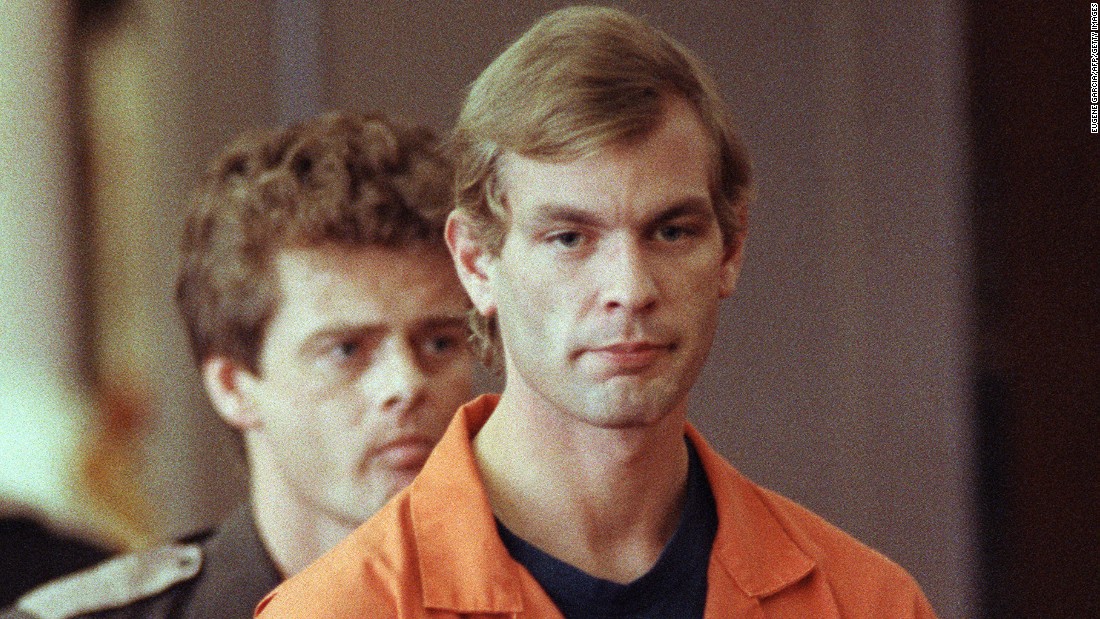
The Polaroid photos that made Milwaukee police stop the car — but what did they show?
The handcuff was loose. That was the detail Tracy Edwards would repeat, later, to reporters and in testimony: one cuff, not fully closed, on…
The therapy confession that turned Lyle and Erik Menendez from grieving sons into accused killers
It was 10:13 p.m. when the call came in. Lyle Menendez, 21, told the dispatcher his parents had been shot. His brother Erik, 18,…
The secret non-prosecution deal that let Epstein avoid federal charges for years
In 2005, a mother in Palm Beach, Florida, walked into a police station and reported that her 14-year-old stepdaughter had been sexually abused by…