The Polaroid photos that made Milwaukee police stop the car — but what did they show?
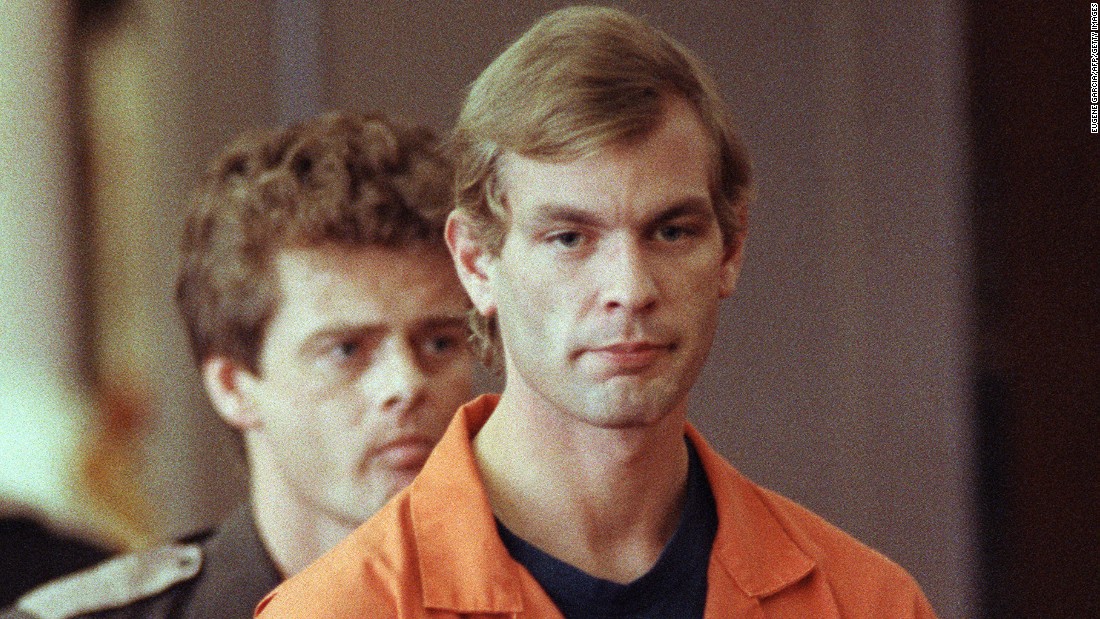
The handcuff was loose.
That was the detail Tracy Edwards would repeat, later, to reporters and in testimony: one cuff, not fully closed, on his left wrist.
On the night of July 22, 1991, Edwards ran from the apartment on North 25th Street and flagged down a Milwaukee police squad car.
He told the officers a man had tried to handcuff him.
He led them back to the apartment.
Inside, the first things the officers noticed were photographs.
Polaroids, spread out, showing what appeared to be dismembered bodies.
Human remains.
The images were among the first items that drew the officers' attention, and they prompted a deeper search of the apartment.
A severed head was later found in the refrigerator.
Other remains were found elsewhere in the rooms.
The exact content of the Polaroids—what specific images they showed—has not been publicly detailed in the record.
That would require evidence.
The officers did not describe each photograph in the initial reports.
The public was told the photographs existed, and that they were graphic.
What they depicted, precisely, remains a gap in the documented account.
The images were Polaroids.
Instant photographs, developed in the moment, kept in the apartment.
They were among the first things the officers saw.
They were enough to stop the search and start the arrest.
THE ESCAPE AND THE STOP
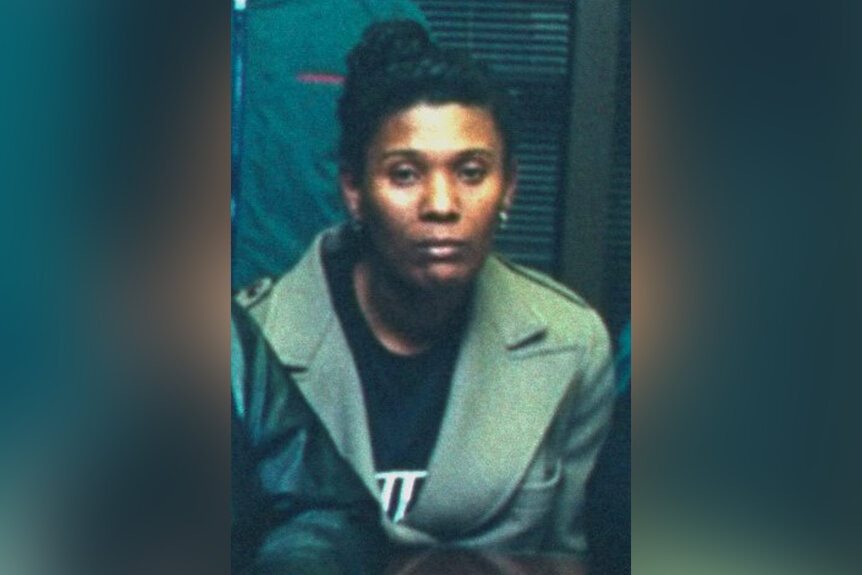
Tracy Edwards had been in the apartment for hours.
He got out.
On July 22, 1991, he flagged down two Milwaukee police officers.
He was handcuffed at the time, according to his account.
He told the officers what he had seen inside the apartment.
What he described was enough to make them follow him back.
The exact time of the stop is not specified in the record.
The exact location of the stop is not specified in the record.
What the record shows is that the stop came after the escape, not before.
The officers did not know yet about the photographs.
They did not know about the severed head in the refrigerator.
They knew only what Edwards told them, and they acted on it.
Edwards was a key witness.
He was the man who led officers to the apartment.
He was the man whose report turned a traffic stop into a doorway.
The Polaroids were found after the stop.
They were found inside the apartment.
But the stop itself was the hinge.
Without Edwards, no stop.
Without the stop, no search.
Without the search, no photographs.
The officers stopped the car because of what he said.
That is the order the record establishes.
THE APARTMENT SEARCH
The officers entered the apartment at 924 North 25th Street.
What they found was not a body in one piece.
They found Polaroid photographs of dismembered bodies.
The photographs were on the floor and on a table, according to the officers' testimony at the time.
They showed body parts arranged in ways that did not look like a hospital or a morgue.
They showed the same man in multiple images, posed and conscious in some, not in others.
One officer later said he saw a severed head in the refrigerator.
The head was on the bottom shelf, wrapped in a plastic bag.
There were also other human remains: skulls, a torso, bones in a filing cabinet and a kettle.
The lead detective oversaw the search.
His name is not confirmed in coverage.
He directed the officers to stop touching anything and to call for backup.
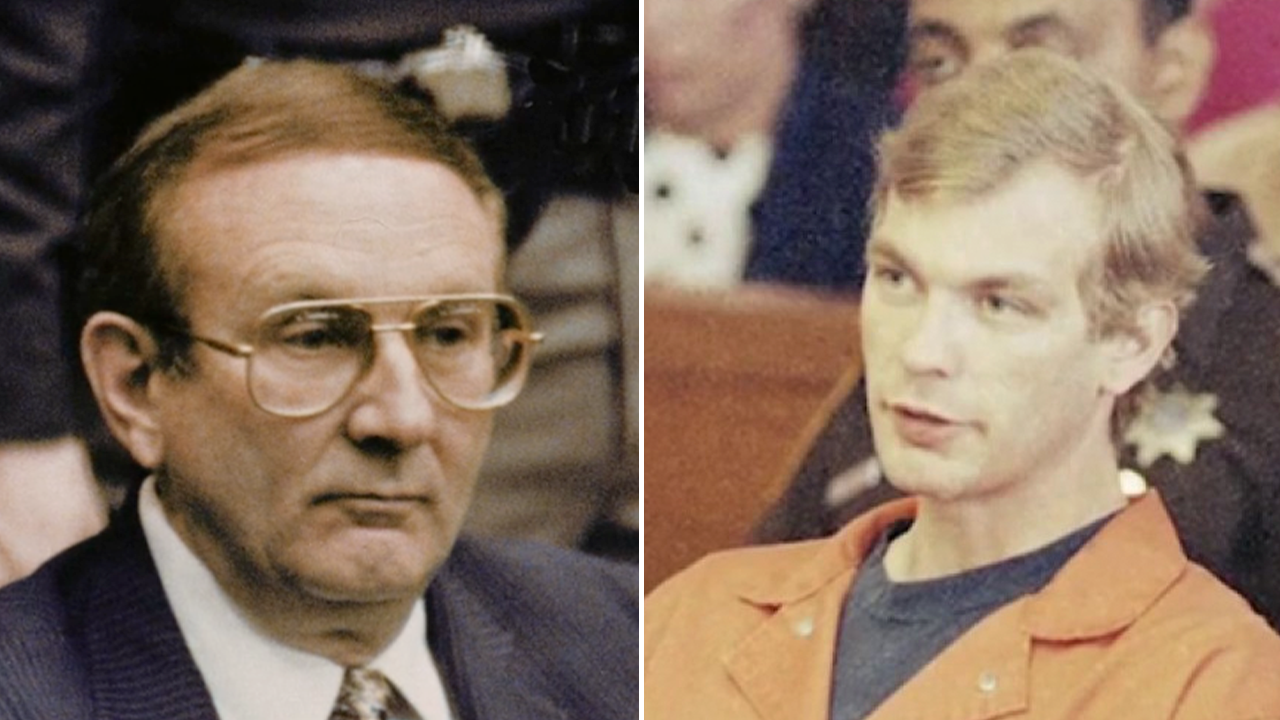
The discovery led to Dahmer's arrest that night.
He was taken into custody without resistance.
The apartment was sealed, and the photographs became evidence.
That is what the record establishes.
What the photographs showed in full — every image, every angle, every victim — was not released to the public.
The media reported the basics: Polaroids, dismemberment, a refrigerator.
The public reaction was horror at the scale.
Seventeen young men and boys, the coverage said, over thirteen years.
The apartment was a site of shock, not just a crime scene.
It was a place where photographs documented what had been done.
The lead detective did not speak publicly in those first days.
The officers who entered did.
One said he had never seen anything like it in his career.
Another said the smell alone was enough to turn his stomach.
They did not say how many photographs there were.
They did not say every name attached to them.
That would require evidence.
THE MAY 1991 FAILURE
It was May 1991, two months before the Polaroids.
Neighbors called police because a 14-year-old Laotian boy was naked, bleeding, and disoriented on the street outside Dahmer’s apartment.
Officers arrived and found the boy, Konerak Sinthasomphone, injured and drifting in and out of consciousness.
They also found Dahmer, calm and cooperative.
Dahmer told the officers the boy was his adult boyfriend, a lover who had been drinking.
The officers believed him.
They returned the boy to Dahmer’s apartment.
They did not search the apartment.
They did not check the boy’s identification.
They did not call for an ambulance.
The officers left the boy with the man who had hurt him.
Dahmer later killed the boy.
He was convicted of that murder.
The names of the officers involved are not in the record.
That is not established.
What is established is the outcome: a child was handed back to his killer.
The failure became notorious.
It was covered relentlessly in the press at the time.
It was the moment the story shifted from a single horror to a systemic one.
The Sinthasomphone family sued the city.
The city settled with some families.
The public asked how it happened.
They asked why the officers believed the lie.
They asked what the boy said that was ignored.
That would require evidence.
The record holds the outcome, not the explanation.
The boy is not here to tell it.
AND THE STORY STILL ISN'T OVER
The Polaroids themselves remain the pivot the record cannot turn.
What they depicted is not fully established in the record; the specific details were never disclosed.
Dahmer was charged with 15 counts of first-degree murder in Wisconsin.
He pleaded guilty but argued he was insane.
The jury rejected the defense.
He was sentenced to 15 consecutive life terms, totaling over 900 years.
The verdict landed, and the public debate did not stop.
The coverage shifted from the images in the apartment to the failure in May 1991.
Neighbors had called; officers had returned the boy; the city had settled with some families.
The Sinthasomphone family filed suit, and the city settled with some.
The building where the apartment stood was demolished in 1992.
Dahmer was killed on November 28, 1994, by fellow inmate Christopher Scarver.
Scarver was serving time for murder; he beat Dahmer to death with a metal bar.
The story did not end with the sentence.
It did not end with the demolition.
It did not end with the death.
What the Polaroids showed remains the unanswered question.
That would require evidence.
The record holds the outcome, not the explanation.
The families carry the rest.
Advertisement
You may also like
The cellphone video that placed Alex Murdaugh at the kennels — what it revealed
June 7, 2021. Someone calls 911 from Moselle, the family’s hunting estate in Colleton County, South Carolina. The voice belongs to Alex Murdaugh, and…
The traffic stop that freed Winston Moseley days before Kitty Genovese's murder
Days before the murder, Winston Moseley was questioned in a routine traffic stop and released. The investigation record documents the stop. It documents the…
The 2018 interview in which Duane Davis described the Cadillac, the gun, and the handoff — and what detectives did next
In 2018, Duane “Keffe D” Davis sat for an interview. He described being in the white Cadillac that night on the Las Vegas Strip.…
The river stakeout that heard a splash and stopped Wayne Williams — but the bodies kept coming
The Jackson Parkway bridge spans the Chattahoochee River, and on May 22, 1981, police were staked out beneath it. They were waiting for a…
The Green River Task Force's own mistakes let a killer slip through for 20 years
He passed the polygraph in 1984, and the Green River Task Force cleared him. Gary Ridgway walked out of the interview and went back…
A wedding ring left on the dresser — and the confession that followed it
The ring sat on the bedroom dresser. Shanann Watts had returned home that morning, August 13, 2018, from a business trip to Arizona. Her…