The therapy confession that turned Lyle and Erik Menendez from grieving sons into accused killers
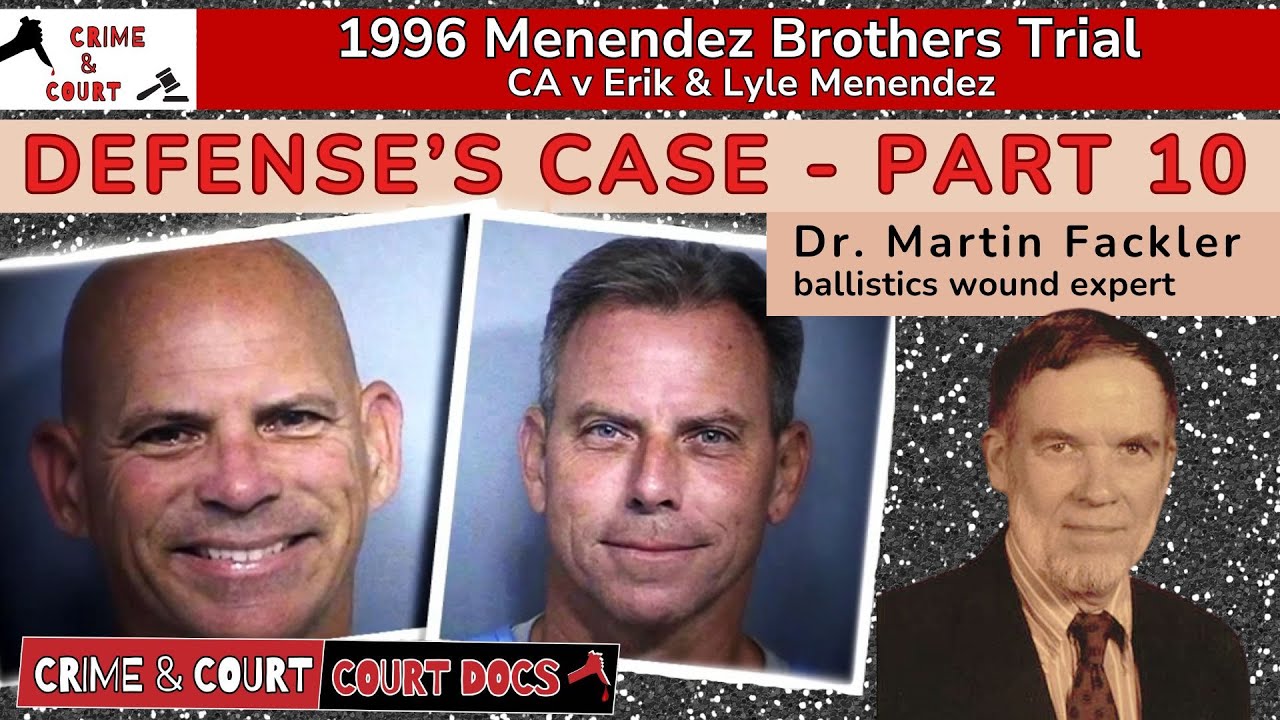
It was 10:13 p.m. when the call came in.
Lyle Menendez, 21, told the dispatcher his parents had been shot.
His brother Erik, 18, was on the line too.
What exactly they said beyond claiming they found their parents dead is not in the record.
The 911 tape is famous; its full contents are not documented.
The brothers told police they had been out seeing a movie.
They came home, they said, and found the bodies in the den.
They said they believed it was a mob hit.
José Menendez was a wealthy Cuban-American entertainment executive.
He had enemies, the brothers suggested.
The initial investigation found no forced entry.
It found no suspects.
It found two grieving sons.
The alibi held.
The movie story was initially accepted.
The case went unsolved for several months.
Neighbors remembered the brothers as polite, shaken, believable.
The media treated them as orphans, not suspects.
Reporters described the scene as a tragedy, not a crime scene.
What made the police believe them?
The absence of forced entry pointed inward, but no one looked there.
The sons cried on camera.
The sons spent money.
The sons waited.
And the investigation waited with them.
The case went cold.
Then a therapist's mistress walked into a police station.
But that came later.
For months, the brothers were the story's victims.
Nothing about their story was checked.
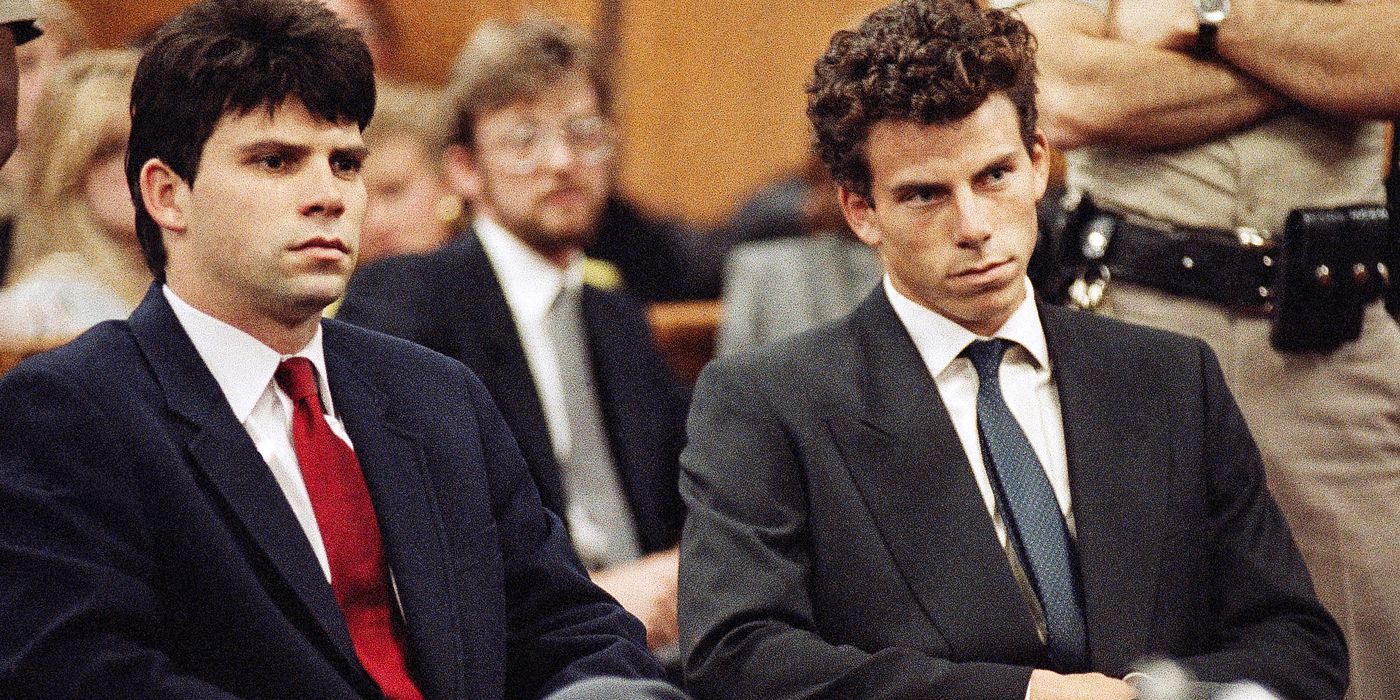
Nothing about their story needed to be checked.
They had called 911.
They had sounded frantic.
That was enough.
THE THERAPY SESSION
The session was private.
Erik Menendez sat with his psychologist, Dr. Jerome Oziel, and confessed.
Oziel recorded it.
The exact content of that recording is not detailed in the source.
What is documented is what happened next.
Oziel told his mistress, Judalon Smyth, about the confession.
She went to police.
In March 1990, a warrant was issued.
The brothers were arrested.
A secret, spoken in confidence, had become the hinge of a murder case.
It was a confession.
It was also a betrayal.
Therapists are bound by privilege, but the law carved an exception here.
Oziel testified about what Erik told him.
Smyth testified about what Oziel told her.
The media seized on the chain.
A grieving son, a psychologist, a mistress, a police station.
Each link carried the weight of the next.
The public learned the brothers had not just lost parents.
They had allegedly planned their deaths.
But that was the prosecution's framing.
The defense would later argue the confession was coerced, the recording manipulated.
None of that mattered at the moment of arrest.
The brothers were in custody.
The case had a name now.

It had suspects.
It had a story the tabloids could sell.
Not because the facts were clear.
But because the confession was loud.
THE SPENDING SPREE
They bought things.
The prosecution listed them at trial: Rolex watches, a Porsche, a $700,000 investment in a restaurant.
The purchases came after the deaths of José and Kitty Menendez.
Prosecutors argued the spending showed a motive of greed.
They painted the brothers as heirs who wanted the estate now, not later.
The defense did not deny the purchases.
Leslie Abramson and Jill Lansing countered with testimony from relatives and experts about alleged abuse.
They described years of sexual and emotional torment, a story the brothers told to explain the killings.
No physical evidence of abuse was presented.
The record holds no medical reports, no photographs, no corroborating examination.
What the jury heard were words.
Testimony from family members who believed the brothers.
Testimony from experts who said the brothers' behavior fit a pattern of trauma.
The prosecution called it a story.
The defense called it a survival.
The exact dates and amounts of the spending sprees are not specified in the source.
That detail is not established.
What is established is the argument: love or money.
The first trial ended in a hung jury in 1994.
The jury deadlocked on whether the killings were murder or manslaughter.
They could not agree if the brothers were grieving sons or calculating heirs.
The tabloids had already chosen.
Headlines screamed about the Rolexes and the Porsche.
The public saw photographs of the brothers smiling, shopping, living.
Grief does not look like that, the prosecution whispered.
Fear does not buy a restaurant, the columnists wrote.
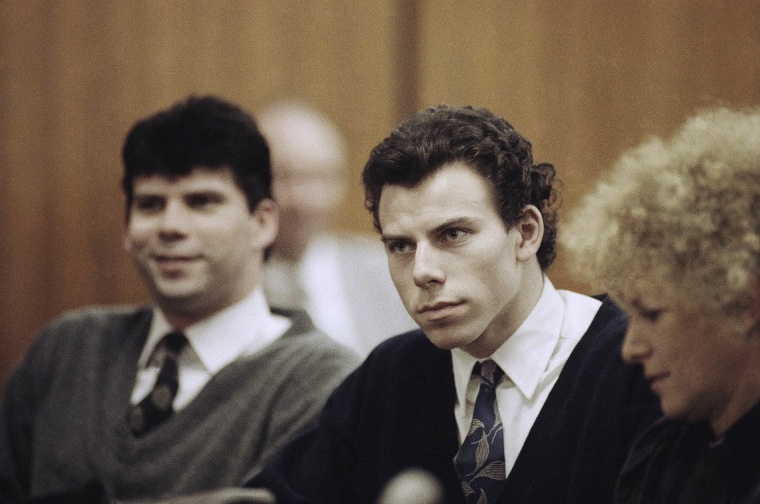
The brothers sat in court in matching sweaters, dressed by their attorneys.
The spending spree became the story the confession could not bury.
It was evidence of motive.
It was also evidence of something else: the brothers did not act like men who had lost everything.
They acted like men who had gained it.
THE TWO STORIES
Two stories went to trial.
The defense told the jury the brothers killed in self-defense after years of sexual and emotional abuse at their father's hands.
The prosecution told the jury the motive was greed, and the Rolexes and the Porsche and the restaurant investment were the proof.
The first jury could not choose, and the case ended in a hung jury in 1994.
The second trial was a narrower room.
Judge Weisberg ruled much of the abuse evidence inadmissible, severely limiting the defense.
The brothers' lawyers could not put the full history before the jury.
What remained was the spending, the confessions, and the question of which story explained a double murder.
The media had already chosen its sides.
Court TV broadcast the proceedings live, and the public split into camps: those who believed the abuse claims and those who saw two spoiled killers.
The cameras caught the brothers crying, and they caught the prosecutors calling it an act.
In March 1996, both brothers were convicted of first-degree murder and conspiracy to commit murder.
The prosecution had sought the death penalty; the jury chose life in prison without the possibility of parole.
The truth of the abuse allegations remains unestablished.
No physical evidence of abuse was presented at trial.
That is not to say it did not happen.
It is to say the record does not prove it, and the law requires proof.
The jury chose the story it could verify.
The other story went to appeals, and then to documentaries, and then to the public again.
It still has not been resolved in a courtroom.
AND THE STORY STILL ISN'T OVER
They are still there.
Lyle and Erik Menendez remain incarcerated at separate California prisons.
:max_bytes(150000):strip_icc():focal(749x0:751x2)/pamela-bozanich-menendez-trial-100724-3-4020c329cace46f0917d36d6ad7e7962.jpg)
They have filed multiple appeals.
All of them were denied.
Then, in 2023, the record changed shape.
A letter Erik wrote to a cousin describing the abuse surfaced.
A former member of the boy band Menudo alleged that José Menendez had abused him.
Neither document proves the abuse happened.
The record does not establish that.
But in 2024, Los Angeles County District Attorney George Gascón recommended resentencing.
He cited the new evidence.
A hearing was scheduled for 2025.
It was postponed.
The outcome of that hearing is not in the record.
That is where the case sits, alive and unresolved.
The extended family is divided.
Some relatives support resentencing.
Others oppose it.
The public watched the first trial live on Court TV.
They argued about the brothers then.
They argue about them still.
The question was always the same: which story was true?
The greed story, verified by receipts and purchases?
Or the abuse story, repeated in therapy and letters, but never proven in a courtroom?
That would require evidence.
The brothers' lawyers say the new documents are that evidence.
The prosecutors who convicted them say the letters are convenient, not conclusive.
The hearing will decide.
It has not been decided.
The brothers wait.
The family waits.
The cameras wait.
Advertisement
You may also like
The traffic stop that freed Winston Moseley days before Kitty Genovese's murder
Days before the murder, Winston Moseley was questioned in a routine traffic stop and released. The investigation record documents the stop. It documents the…
The 2018 interview in which Duane Davis described the Cadillac, the gun, and the handoff — and what detectives did next
In 2018, Duane “Keffe D” Davis sat for an interview. He described being in the white Cadillac that night on the Las Vegas Strip.…
The river stakeout that heard a splash and stopped Wayne Williams — but the bodies kept coming
The Jackson Parkway bridge spans the Chattahoochee River, and on May 22, 1981, police were staked out beneath it. They were waiting for a…
The Green River Task Force's own mistakes let a killer slip through for 20 years
He passed the polygraph in 1984, and the Green River Task Force cleared him. Gary Ridgway walked out of the interview and went back…
A wedding ring left on the dresser — and the confession that followed it
The ring sat on the bedroom dresser. Shanann Watts had returned home that morning, August 13, 2018, from a business trip to Arizona. Her…
The car trunk odor that haunted Casey Anthony's trial — and the verdict that followed
The odor came from the trunk of an abandoned car. In July 2008, investigators impounded the vehicle that Casey Anthony had left behind in…