Why two girls' testimony went unheard for weeks in Polly Klaas search
She was on the ground below.
On the night of October 1, 1993, twelve-year-old Polly Klaas was having a slumber party with two friends at her mother’s home in Petaluma, California.
An intruder entered the house.
He tied up the three girls.
He placed pillowcases over their heads.
Then he took Polly.
Her mother, Eve Nichol, returned home later that evening and discovered the scene.
What did the two girls see through that cloth?
What did they hear before the door closed?
What did they tell the first officer who knelt beside them?
The source does not specify what the two girls told investigators immediately after the abduction.
That detail sits outside the record.
It is not established in the reporting.
What is established: three girls were bound, two were left behind, one was gone.
The pillowcases were part of the scene.
The testimony came later, at trial.
But for weeks, the search moved on other lines.
Local sex offenders.
Tips from the public.
Nothing solid.
The two girls were witnesses from the first hour.
They were also children, alone in a house that had just been broken into.
The immediate horror is the scene itself.
The urgent question is what they said.
That would require evidence.
THE SEARCH
The search for Polly Klaas became the largest in California history.
Local police coordinated the effort.
The FBI joined within days.
Thousands of volunteers came to Petaluma.
They walked fields, checked ditches, and posted flyers on every available surface.
The media camped outside the Klaas home, and the story went national.
Strangers sent cards, money, and offers of help.
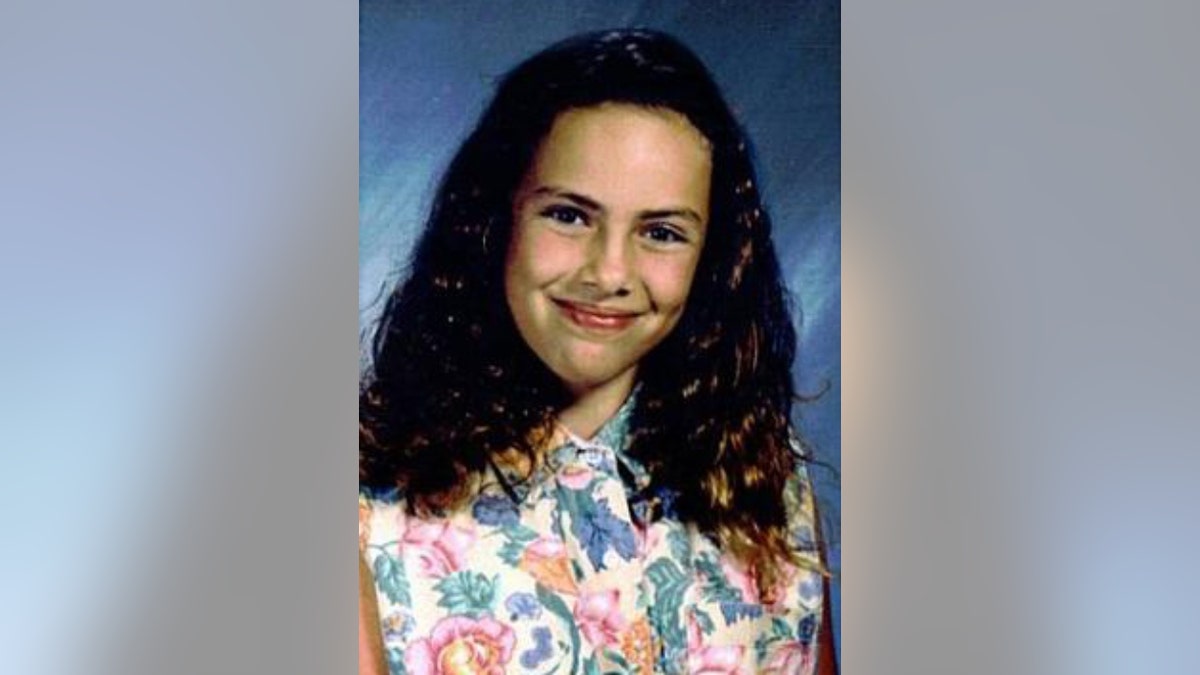
A nationwide outpouring of support followed, the kind of public response that had rarely been seen for a missing child.
The investigation focused on local sex offenders and public tips.
Detectives followed hundreds of leads.
None of them produced a solid break for weeks.
The two girls who had been at the slumber party gave their testimony to police.
What they said was part of the record.
The source does not state what specific leads their testimony generated.
The source does not state why it did not immediately point to a suspect.
That remains a gap in the documented account.
The search went on for more than two months.
Polly remained missing.
The volunteers kept coming.
The cameras kept rolling.
The frustration mounted in the small town of Petaluma, where everyone knew the name of the missing girl.
Every lead died.
Every day ended without her.
A massive, well-intentioned effort stalled, and the public was left to ask how two eyewitnesses could not break the case open.
That would require evidence the record does not provide.
The search continued until the ground gave up its answer.
THE INFORMANT
Two girls had given descriptions to police on the night of the abduction.
They had described the intruder, the knife, the pillowcases.
For weeks, the search built on those descriptions stalled.
Then a woman who had been in a relationship with Davis contacted authorities.
She told them Davis had confessed to her.
She led police to Davis, who was already in custody on an unrelated parole violation.
Under interrogation, Davis confessed to abducting and killing Polly.
He led investigators to her body on November 30, 1993, in a remote wooded area near Cloverdale, California.
She had been strangled.
The tip broke the case open.
The record does not state why the informant’s tip was acted upon when the girls’ testimony was not.
It does not state the timing of her contact either.
That would require evidence the source does not provide.
What is documented is the sequence: the informant spoke, Davis was already held, Davis confessed.
What is documented is the result: the ground gave up its answer.
What is not documented is the gap between the girls’ words and the informant’s.
The public reaction at the time focused on the arrest, not the delay.
The media coverage turned to Davis, his record, his confession.
The girls’ testimony became part of the trial record, not the search story.
She was on the ground below.
THE TRIAL
Davis was tried in Sonoma County Superior Court in 1996.
Four years had passed since the pillowcases, since the search, since the confession.
The trial was the place where the story was supposed to close.
The prosecution called the two girls from the slumber party.
They testified about the man who tied them up, the pillowcases over their heads, the sound of Polly being taken.
The source does not specify the content of the girls’ trial testimony.
It does not say how the prosecution framed their words, or how the defense tried to break them.
That would require evidence the record does not provide.
What the record shows is the verdict.
Davis was convicted of first-degree murder with special circumstances: kidnapping, burglary, use of a deadly weapon.
The jury recommended the death penalty.
The judge sentenced Davis to death.
Then came the sentencing hearing, and the moment the public would remember.
Davis made a crude remark to the court.
He gestured toward the victim’s family.
The courtroom had been heavy with grief; now it was heavy with outrage.
The media coverage turned to the gesture, the remark, the man.
Did the girls’ testimony even matter in the end?
Did it change the verdict, or just confirm what the confession already gave the jury?
The record does not say.
The verdict stood.
The sentence stood.
Davis was led away, and the story of the trial closed with his crude remark echoing.
The girls’ testimony was part of the record.
It was also part of something quieter, something the coverage did not hold onto.
AND THE STORY STILL ISN'T OVER
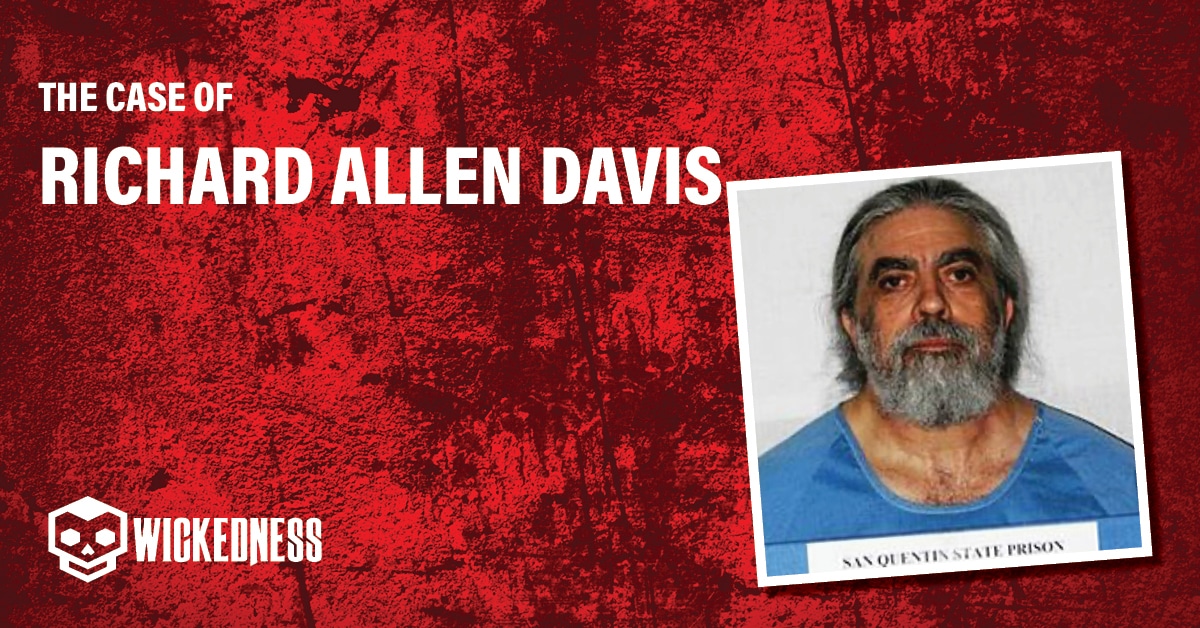
Richard Allen Davis remains on death row at San Quentin State Prison.
His appeals have been repeatedly denied.
California has not carried out an execution since 2006.
The source does not state the current status of his appeals or any upcoming hearing dates.
That would require evidence.
The case still shapes policy.
California’s “three strikes” law followed in its wake.
Funding for DNA testing and missing-children programs increased.
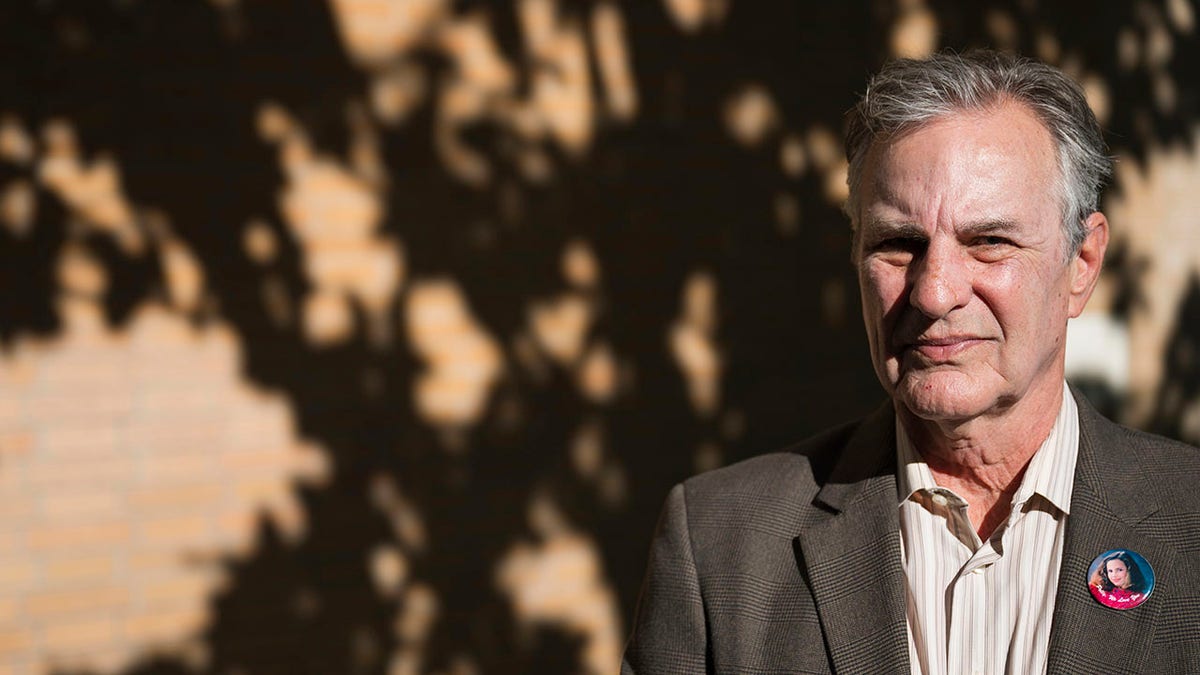
Marc Klaas became a well-known victims’ rights advocate.
He founded the KlaasKids Foundation, which works on missing-children issues and criminal justice reform.
The public’s memory of the case still presses on the law.
Not because the trial settled everything.
But because the trial settled what was in the record, and the record still carries weight.
The girls’ testimony was part of it.
It was part of the conviction.
It was part of the sentence.
It was part of what the jury heard and what the judge pronounced.
The crude remark at sentencing echoed louder in the coverage than the quiet testimony of two girls.
That is documented.
What the source does not document is why their testimony went unheard for weeks.
It does not establish a failure.
It does not establish a delay.
It establishes only that the testimony was given, and that the story moved on.
The story is still moving.
Davis is still on death row.
The appeals are still denied.
The execution is still not carried out.
The weight is still pending.
Marc Klaas still speaks for the missing.
The foundation still works the cases.
The law still carries the case’s name in its changes.
The public still remembers the search, the pillowcases, the shallow grave.
They remember the coverage.
The girls’ testimony was part of the record.
It is also part of something quieter, something the coverage did not hold onto.
Advertisement
You may also like
The traffic stop that freed Winston Moseley days before Kitty Genovese's murder
Days before the murder, Winston Moseley was questioned in a routine traffic stop and released. The investigation record documents the stop. It documents the…
The 2018 interview in which Duane Davis described the Cadillac, the gun, and the handoff — and what detectives did next
In 2018, Duane “Keffe D” Davis sat for an interview. He described being in the white Cadillac that night on the Las Vegas Strip.…
The river stakeout that heard a splash and stopped Wayne Williams — but the bodies kept coming
The Jackson Parkway bridge spans the Chattahoochee River, and on May 22, 1981, police were staked out beneath it. They were waiting for a…
The Green River Task Force's own mistakes let a killer slip through for 20 years
He passed the polygraph in 1984, and the Green River Task Force cleared him. Gary Ridgway walked out of the interview and went back…
A wedding ring left on the dresser — and the confession that followed it
The ring sat on the bedroom dresser. Shanann Watts had returned home that morning, August 13, 2018, from a business trip to Arizona. Her…
The car trunk odor that haunted Casey Anthony's trial — and the verdict that followed
The odor came from the trunk of an abandoned car. In July 2008, investigators impounded the vehicle that Casey Anthony had left behind in…