One anonymous call, one cell tower record, and the trial that split a public
She was on her way to school, or she never arrived.
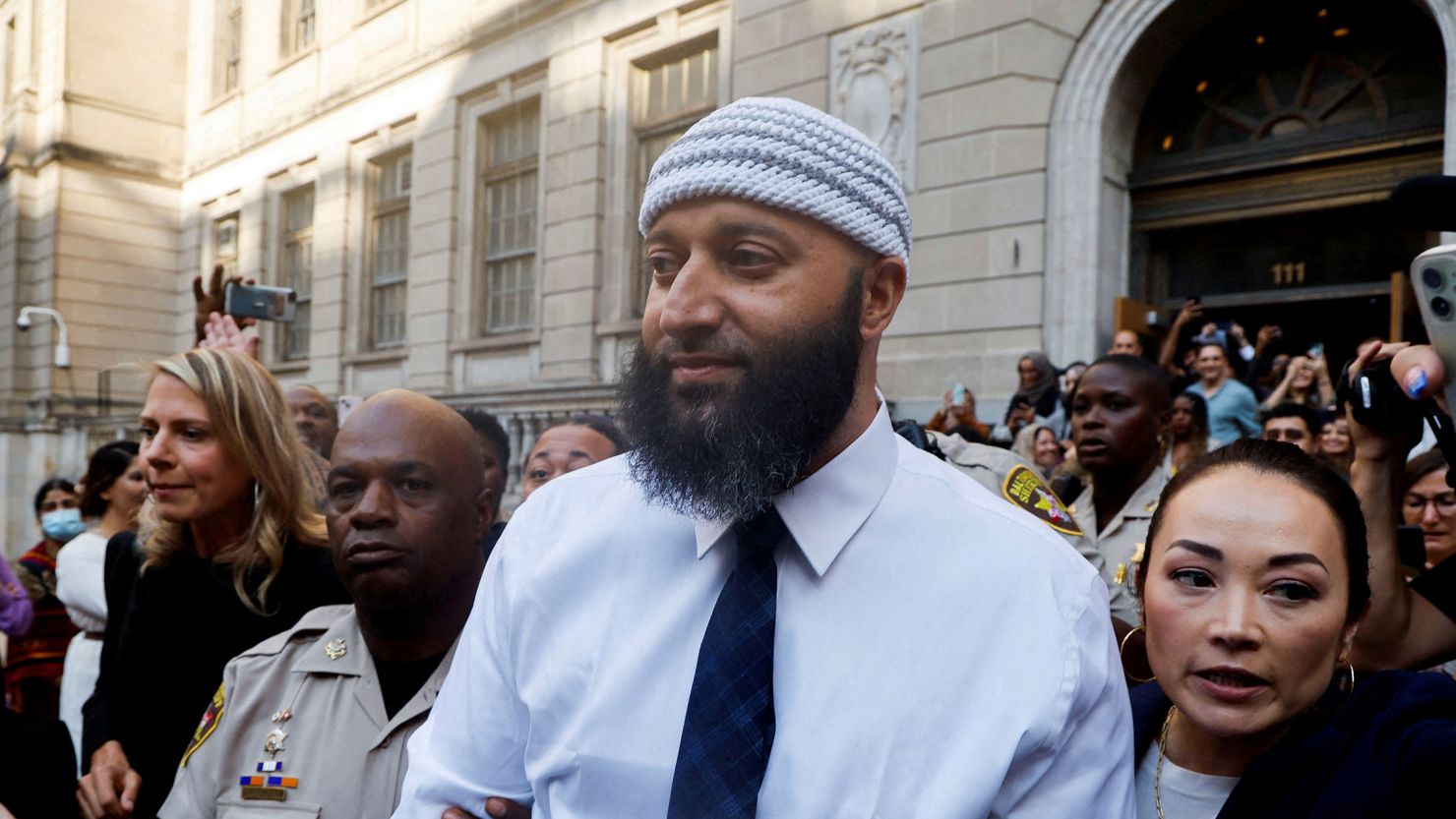
Hae Min Lee, 18, a senior at Woodlawn High School in Baltimore County, Maryland, disappeared on January 13, 1999.
Her body was found on February 9, 1999, in Leakin Park, a wooded area in Baltimore City.
She had been strangled.
Her car was found abandoned nearby.
For weeks, the case went unsolved.
Then police received an anonymous phone call.
That call shifted the investigation toward Adnan Syed, Lee's ex-boyfriend and classmate.
It is the documented pivot: an unnamed voice, a direction change.
Who made that call?
Why did they make it?
What did they say?
The record does not establish the caller's identity.
It is a fact that the call happened.
It is not a fact who placed it.
The call is the hinge.
Before it, the case sat open.
After it, police focused on Syed.
One voice, uncredited, changed the weight of the inquiry.
The local Baltimore media reported the disappearance and the discovery in Leakin Park.
They reported the arrest when it came.
They did not report who called.
That detail stayed inside the investigation, unverified and unnamed.
The call is documented.
The caller is not.
THE CELL TOWER RECORD
The tower record placed him in Leakin Park.
That much the prosecution could show.
The call, the time, the tower — three numbers that pointed to one place.
The defense argued the numbers meant less than they seemed.
A phone can ping a tower without a person being there.
Calls can go to voicemail.
A record is not a witness.

Jay Wilds was the witness.
Wilds, a friend of Syed's, testified that Syed showed him Lee's body and asked for help burying it.
He told the court where, he told the court when.
His story shifted between tellings.
His credibility was a major issue at trial.
The defense pressed on both: the unreliable science and the unreliable man.
They argued Wilds was the actual killer.
Wilds had no physical evidence tying him to the crime.
The medical examiner testified that Lee died of strangulation.
That fact was not in dispute.
What remained in dispute was who did the strangling.
The cell phone evidence was disputed at trial.
Its exact reliability is not established.
Not because the technology was new.
But because the records were read two ways — one by the state, one by the defense.
The jury heard both readings.
They chose one.
The tower record held.
The question of what it truly proved did not.
THE TRIAL
The trial opened in 2000.
Adnan Syed stood charged with first-degree murder, kidnapping, robbery, and false imprisonment.
The prosecution's case rested on the cell phone records and on Jay Wilds, who testified that Syed showed him the body and asked for help burying it.
Wilds's testimony shifted between tellings.
His credibility became the hinge of the trial.
The defense argued the cell phone evidence was unreliable.
The defense argued Wilds was the actual killer.
The jury found Syed guilty of first-degree murder and kidnapping.
He was sentenced to life in prison plus 30 years.
The conviction was upheld on appeal.
It held for sixteen years.
In 2016, a court granted a new trial, ruling that Syed's defense counsel had been ineffective.
That decision was later overturned.
The case went back to the original verdict.
Then, in 2022, prosecutors filed a motion to vacate.
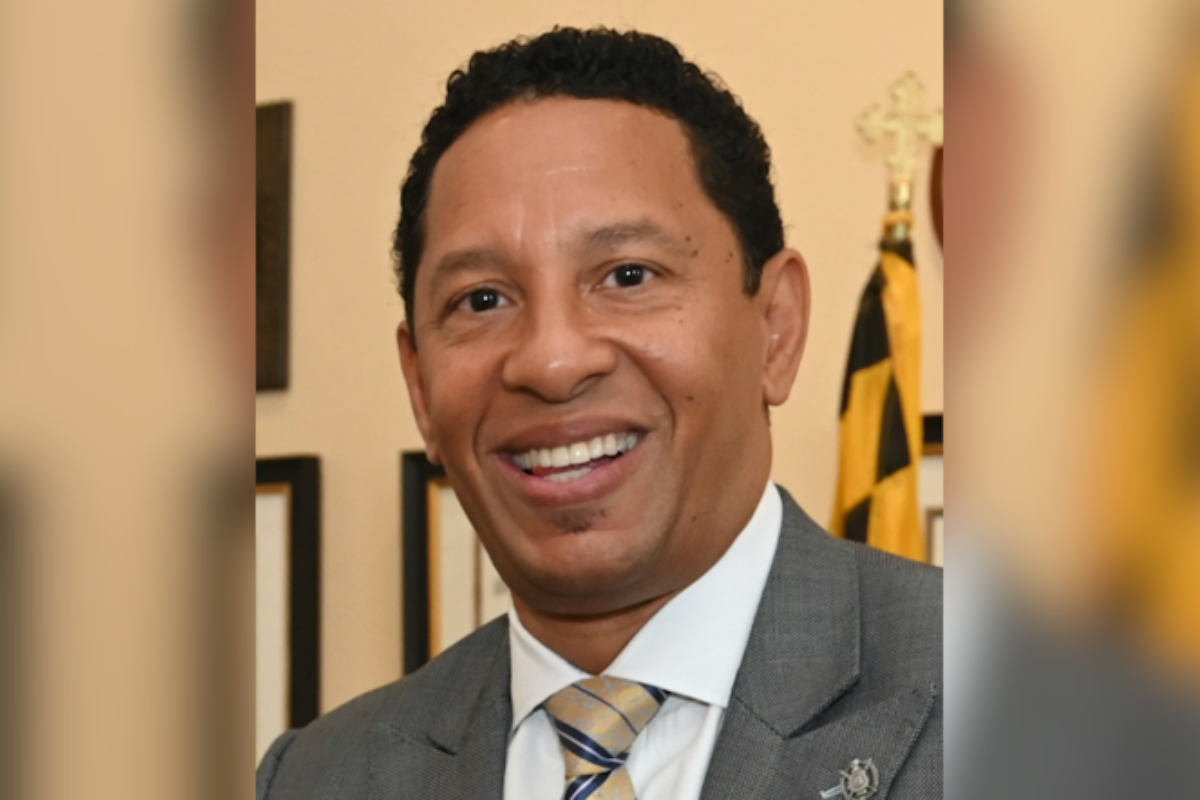
A Baltimore City Circuit Court judge granted it, citing new evidence and constitutional violations.
Syed walked out of prison.
The specific new evidence in that motion is not detailed in the source.
So the record shows a conviction, an appeal, a reversal, another reversal, and a release.
It shows a case that flipped four times.
It does not show what finally made it flip.
The legal whiplash is documented.
The reason for it is not.
THE PODCAST EFFECT
In 2014, Sarah Koenig’s podcast “Serial” returned to a case most of Baltimore had set down years earlier.
It told the story in weekly episodes, and the story reached a national audience.
Local media had covered the trial in 2000.
The podcast did something else.
It made the case a question again.
It asked whether the cell tower records proved what prosecutors said they proved.
It asked whether Jay Wilds’s testimony could be believed.
It asked whether the trial had been fair.
Those are fair questions.
But the podcast’s specific claims are not established facts in the record.
They are part of the public debate, not part of the documented case.
The documented record has the anonymous call, the cell records, the testimony.
The documented record has the conviction.
What the podcast added was interpretation, and interpretation is not evidence.
The podcast raised questions about the reliability of the evidence.
The evidence itself did not change.
Neither did the conviction, for years.
But the public conversation did.
Listeners weighed the inconsistencies.
They weighed the gaps.
They weighed the story against the record.
The record remained what it was.
The story was more compelling.
That is the line, and the line has held.
The case is still debated because of “Serial.”
The debate is real.
The facts are what they are.
AND THE STORY STILL ISN'T OVER
In 2022, a Baltimore City Circuit Court judge vacated Adnan Syed's conviction after prosecutors filed a motion to vacate, citing new evidence and constitutional violations.
He was released from prison.
In 2023, a judge dismissed the charges against him.
He was not retried.
The legal process appears concluded.
Hae Min Lee's family has expressed ongoing grief and frustration with the legal process.
They have stated they believe Syed was responsible for her death.
The case remains a subject of public debate.
It is debated largely because of "Serial."
The podcast brought national attention to the case and raised questions about the criminal justice system.
The questions are real.
The answers are not settled.
What the record establishes is this: the conviction was vacated, the charges were dismissed, and Syed was not retried.
What the record does not establish is any future legal action.
No hearings are mentioned in the source.
No next step is specified.
The story is not over because the debate is not over.
It is a debate about evidence.
It is a debate about fairness.
It is a debate about what a trial can prove and what it cannot.
That would require evidence.
The family's grief is documented.
The family's frustration is documented.
The belief they hold is documented as their belief.
The record does not resolve it.
It does not need to.
The charges are dismissed.
The conviction is vacated.
The case is closed in court.
It remains open in public.
Advertisement
You may also like
The love letters scattered at a 1922 murder scene that turned a minister's death into a media circus
The crabapple tree stood at the edge of a lovers' lane called "the Bungalow," and beneath it the grass held two bodies on the…
The 31 days Casey Anthony said nothing, and the trunk evidence that turned a missing-child case into a homicide charge
The 911 call came on July 15, 2008, from a grandmother named Cindy Anthony. She told the dispatcher her daughter, Casey Anthony, had not…
The clip-on tie left behind that made FBI agents look twice
The clip-on tie sat on the seat, a plain thing, dark and cheap. It was found after the plane landed, after the man was…
The pharmacy clerk's last stop before vanishing — what police found next
She was at the counter at the pharmacy, and he was going to meet a contractor about a job. Robert Piest was 15 years…
The courtroom theatrics that turned a murder trial into a national spectacle
In June 1970, as the trial opened, the three female defendants walked into the courtroom with shaved heads. Swastikas were carved on their foreheads.…
The cellphone video that placed Alex Murdaugh at the kennels — and the timeline he swore was wrong
Paul Murdaugh’s phone was recording on June 7, 2021, at the dog kennels on the family estate, Moselle. The video was casual, unplanned, the…