The bullet that linked a bank-robbing cop to Biggie's murder
A 9mm pistol sits at the center of the story, widely reported in connection with the murder of Christopher Wallace.
The gun is the object that links the case to a former LAPD officer involved in a bank robbery.
Detective Russell Poole built his theory on ballistics evidence.
The ballistics tied the murder weapon to a gun used in a prior shooting involving that officer.
The officer is named as a suspect in the Wallace family's civil lawsuit.
He was never charged.
The source does not name him in its news coverage.
The source does not specify the exact caliber or make of the bullet.
It only states that a 9mm pistol was widely reported.
The bullet itself is not described in the record.
The connection runs through the weapon's use in a prior shooting, not through the projectile's markings.
No one has ever been criminally charged with the murder.
The bullet's link is to a theory, not a conviction.
What does a single bullet prove?
What does it fail to prove?
What does the record actually establish?
That would require evidence.
The shooter's identity is not established.
The bullet's specific details are not in the record.
The gun is the hinge.
The theory is the door it opens.
THE DRIVE-BY
It was a red light on Wilshire Boulevard.
A Chevrolet Impala pulled up alongside the car.
The driver fired multiple shots, striking Wallace four times.
Christopher Wallace, known as the Notorious B.I.G., was in that car with his entourage.
They had just left a party at the Petersen Automotive Museum.
The night was March 9, 1997.
He was pronounced dead at Cedars-Sinai Medical Center.
He was 24 years old.
The shooting came six months after the murder of rival rapper Tupac Shakur.
The sequence is on the record. The moment is not.
The source does not name any witnesses from the scene.
The initial investigation was hampered by a lack of cooperation from witnesses.
The scene was chaotic.
The identity of the driver is not established in the record.
The motive is not established in the record.
A 1994 Chevrolet Impala SS, driven by the shooter.
A 9mm pistol, widely reported in connection with the murder.
Those are the objects the record leaves behind.
The gun is the hinge.
The theory is the door it opens.
THE DETECTIVE'S THEORY
Russell Poole was assigned to the case, and he built a theory out of the objects left behind.
He believed the murder was carried out by rogue LAPD officers, particularly one involved in a bank robbery and his associate.
Poole thought the killing was retaliation for the murder of Tupac Shakur, which some alleged was tied to the East Coast–West Coast rap rivalry.
His theory rested on informant testimony and ballistics evidence.
The ballistics linked the murder weapon to a gun used in a prior shooting involving the bank-robbing officer.
That was the hinge: one gun, used before, used again.
Poole took his findings to his superiors.
They dismissed them.
He left the LAPD in 1999, frustrated by the department's handling of the case.
The LAPD's Rampart Division scandal later implicated several officers in corruption.
Some investigators alleged that rogue officers were involved in the murder.
The theory gained weight after the scandal, but the record does not establish who the informants were.
It does not establish the reliability of their testimony.
That remains unproven in the record.
Poole's gun was the door.
His informants were the key.
The department locked the door instead.
THE CIVIL CASE
In 2006, the Wallace family filed a civil lawsuit against the city of Los Angeles.
The suit named a former LAPD officer as a suspect, though he was never charged.
The family’s attorney pursued the case in civil court.
The lawsuit brought new attention to Poole’s evidence.
It included testimony from a former gang member who claimed to have been in the car with the shooter.
The source does not detail what that testimony said.
It does not specify the exact terms of the settlement either.
The city settled the lawsuit in 2010 for an undisclosed amount.
The amount was reportedly around $1.1 million, but that figure is reported, not confirmed.
The city settled without admitting liability.
No individual was ever charged or convicted in the criminal case.
Not the officer named in the suit.
Not his associate.
Not anyone.
The civil case was the only legal proceeding.
It was a fight for answers, not a trial.
The record shows a family pressing a system that paid to close the door.
What the gang member said under oath? The source does not say.
What the city admitted? Nothing.
What the settlement bought? Silence, on the record.
The murder of Christopher Wallace remains officially unsolved.
A settlement is not a verdict.
A payment is not a confession.
That would require evidence.
AND THE STORY STILL ISN'T OVER
A settlement is not a verdict.
A payment is not a confession.
That would require evidence.
The murder of Christopher Wallace remains officially unsolved.
The criminal case remains open, but no arrests have been made.
The LAPD has not reopened the case, and no new leads have been reported.
Officially, the department has said the case remains under review.
That status is not specified beyond "under review," and no public progress has been announced.
The record does not establish what the LAPD is currently doing with the file.
Voletta Wallace has continued to speak publicly about the case.
She has expressed frustration with the lack of justice.
She has asked what happened to the evidence, what happened to the leads, what happened to the answers.
That would require a reopened investigation.
Russell Poole died in 2015 of a heart attack.
His work on the case was later dramatized in the 2018 film *City of Lies*.
The film is a dramatization.
It is not a court record.
The civil settlement did not include an admission of wrongdoing by the city or any officer.
No individual was ever charged.
No individual was ever convicted.
The bullet linked the weapon to a bank-robbing officer.
The theory that he pulled the trigger remains unproven.
That is the line the record draws.
It is a thin line.
It is the only line there is.
Advertisement
You may also like

The 7:09 PM call that placed Adnan Syed near Leakin Park — and what the defense said about it
The call came in at 7:09 PM on January 13, 1999. It was placed to Jay Wilds's home. That was the night Hae Min…
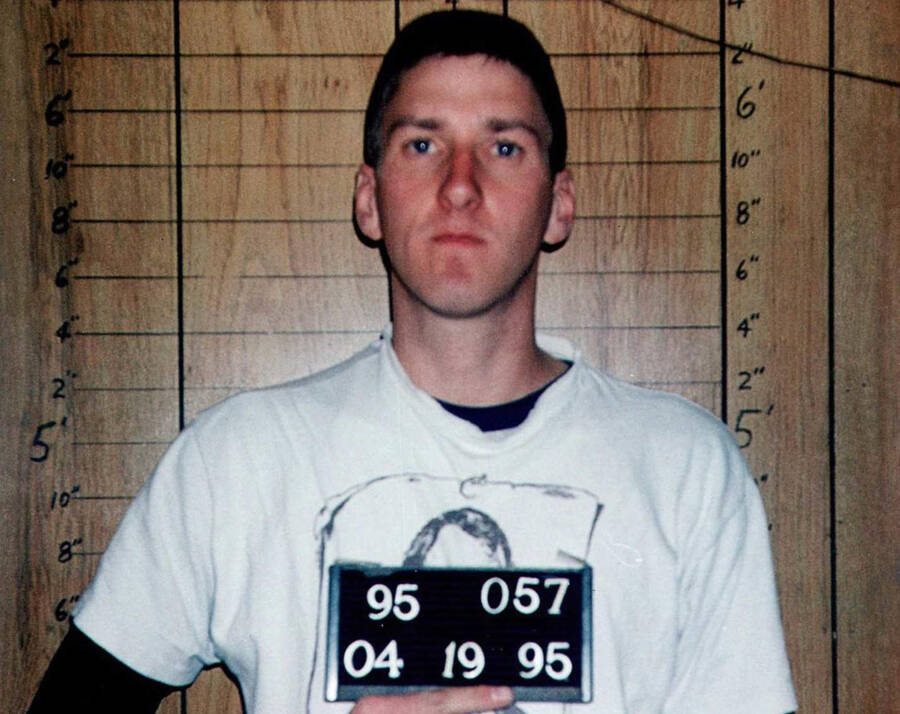
The 1995 Oklahoma bombing that left 168 dead — and one man's sentence still stands
The Ryder truck was gone. The axle was not. On April 19, 1995, a rented truck packed with ammonium nitrate and fuel oil exploded…
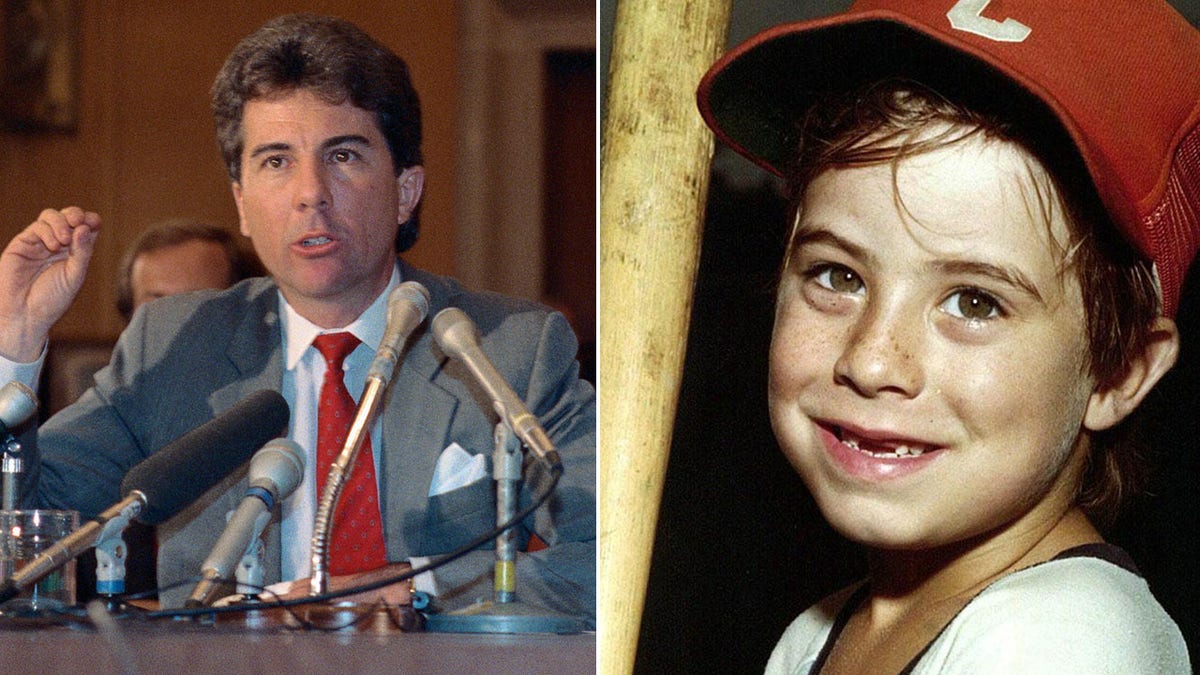
The severed head found by two fishermen that changed an abduction case forever
The head surfaced in a drainage canal along the Florida Turnpike near Vero Beach, about 120 miles north of Hollywood. Two fishermen found it…
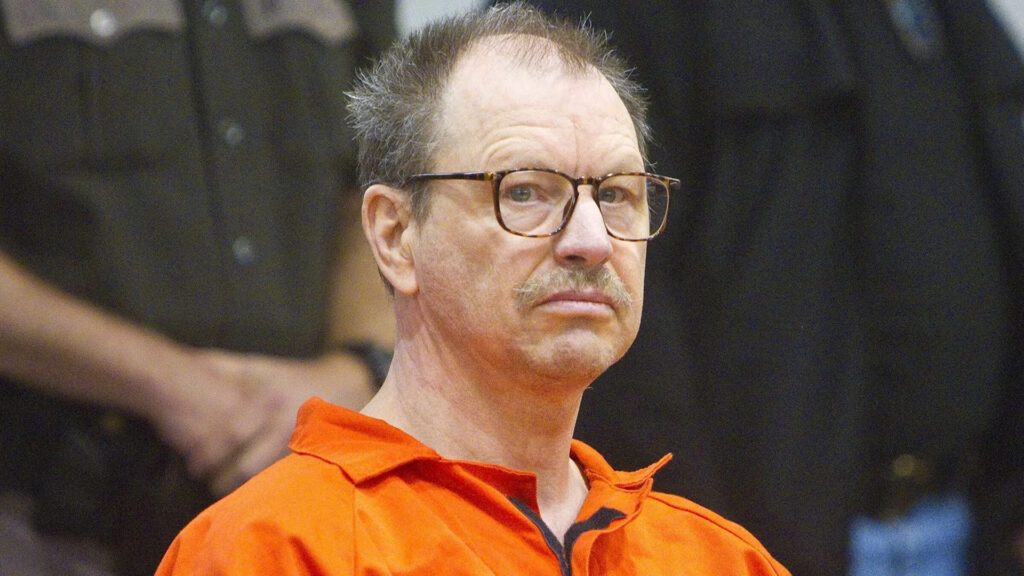
The 1987 witness sighting that didn't stop the Green River Killer
A witness reported seeing Gary Ridgway with a victim. The year was 1987. The report was made to police working the Green River Killer…
The taunting smiley-face letters that led to a serial killer's downfall
The letters arrived unsigned, except for one thing. A circle. Two dots. A curved line. A smiley face, drawn in pen at the bottom…
The empty frames left on display after thieves took Vermeer and Rembrandt
The empty frames still hang in the Isabella Stewart Gardner Museum in Boston. Where Vermeer's *The Concert* once hung, there is an empty rectangle…