The cell tower data that put Adnan Syed near Leakin Park — and the questions it left behind
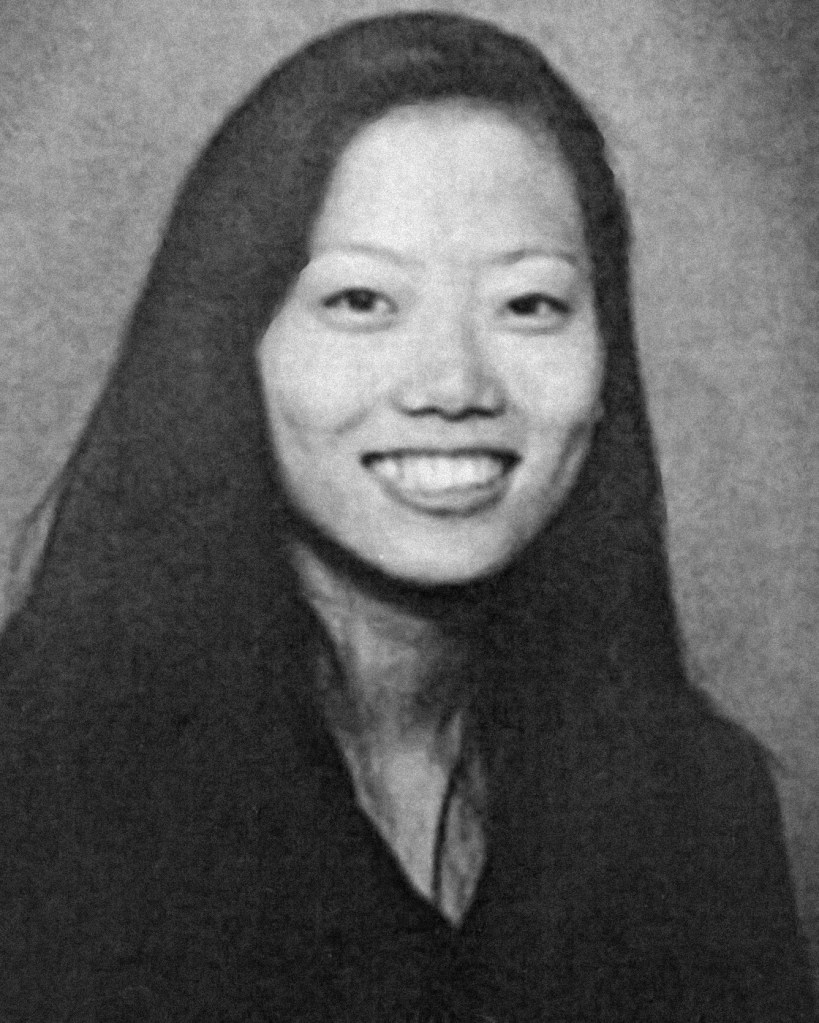
On January 13, 1999, Hae Min Lee, an 18-year-old senior at Woodlawn High School, disappeared after leaving school.
Her car was found on February 9, 1999, in a parking lot in Baltimore City.
Her body was discovered the same day in Leakin Park, buried in a shallow grave.
The medical examiner determined she had been strangled.
Police focused on Adnan Syed, Lee's former boyfriend, after receiving an anonymous phone tip.
That tip set everything in motion.
It is a single, unnamed voice in the record.
The identity of the anonymous tipster is not in the record.
Was it a neighbor?
A classmate?
A stranger with a grudge?
That would require evidence.
The tip led to Syed, but it did not explain how the caller knew.
It did not say what the caller saw.
It did not say why the caller waited.
The record holds the call and little else.
Syed was arrested on February 28, 1999, and charged with first-degree murder.
The case would turn on what came after.
But it started with a phone call.
One call, and a name entered the investigation.
One call, and the weight fell on a teenager.
She was on the ground below, buried before the tip ever came.
THE WITNESS AND THE CHANGING STORY
Jay Wilds was an acquaintance of Adnan Syed.
He was the key witness for the prosecution.
Wilds claimed he helped Syed bury Hae Min Lee's body.
That claim was the heart of the state's case.
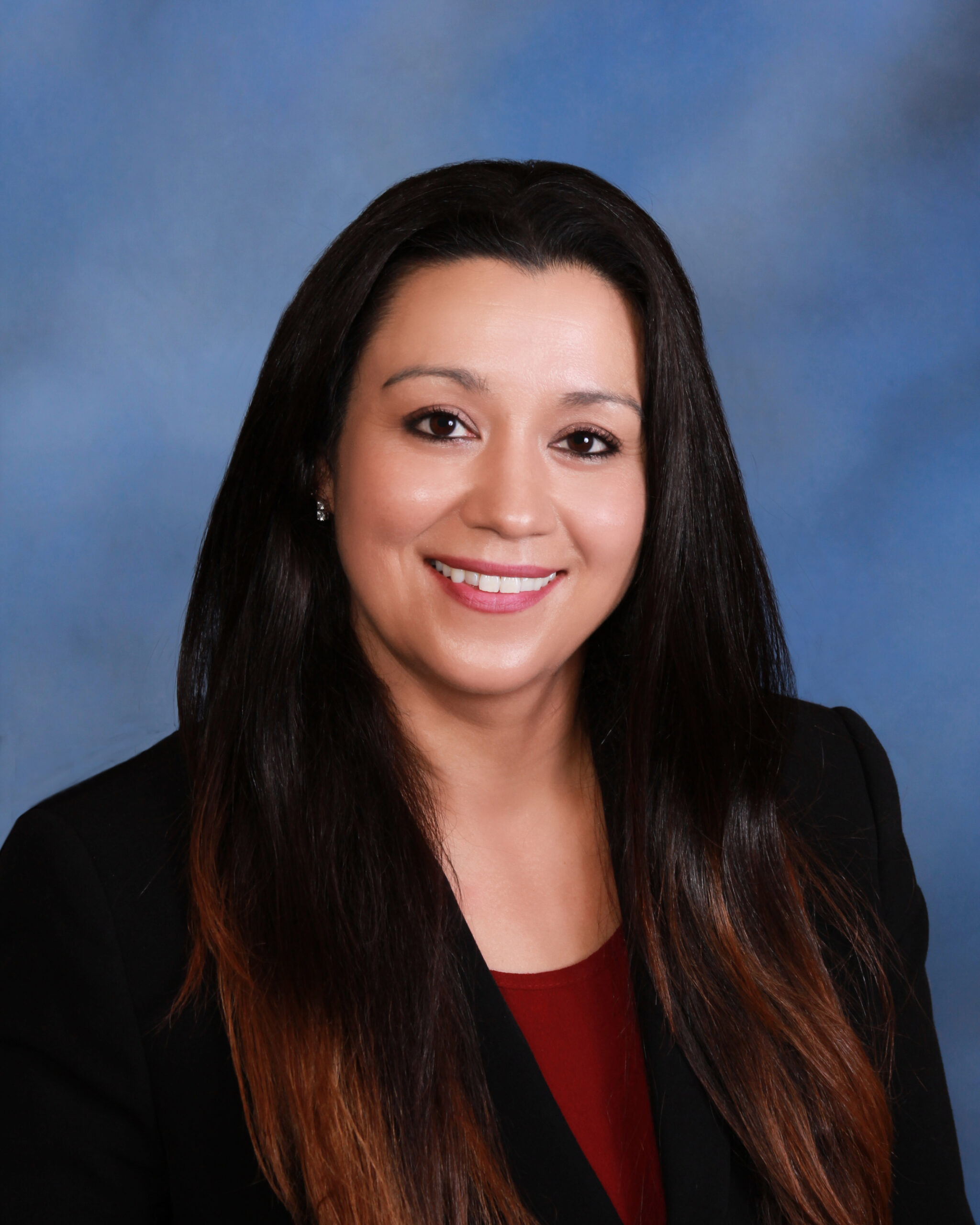
It was also a story that kept moving.
Wilds's account changed over multiple interviews with police.
What he said in one statement did not match what he said in the next.
The details shifted: where he was, when he was there, what he saw.
The *Serial* podcast later highlighted these inconsistencies for millions of listeners.
The defense raised questions about the reliability of Wilds's testimony.
They also questioned the handling of evidence around him.
No physical evidence linked Syed to the crime.
No blood, no fibers, no forensic trace placed him at the burial site.
The case rested on one witness whose story did not stay still.
Why did the prosecution lean so heavily on a shifting account?
Why did a jury trust a narrative that changed with each telling?
Why was there so little else to hold onto?
That would require evidence the record does not provide.
The exact nature of Wilds's inconsistencies is not detailed in the source.
What is documented is the pattern: interviews, revisions, more interviews.
The unease is documented too.
A case built on a single voice.
A voice that changed.
THE CELL TOWER DATA
The cell phone records arrived in the Baltimore City Circuit Court in 2000.
The prosecution argued they placed Syed near Leakin Park at the time of the burial.
The defense argued the cell tower data was unreliable.
The exact technical basis for that unreliability argument is not specified in the source.
The medical examiner testified that Lee died by strangulation.
The time of death could not be precisely determined.
The trial was held in Baltimore City Circuit Court in 2000.
The records were a list of calls, a sequence of numbers, a map of pings.
The prosecution saw a location.
The defense saw a guess.
The jury saw both, and heard both.
Not because the technology was simple.
But because the argument over it was.
The records did not place Syed anywhere by themselves.
They required interpretation.
They required a witness to explain them.
They required a jury to believe that explanation.
The medical examiner's testimony could not fix the hour.
The burial time came from Jay Wilds's account.
The cell tower data was meant to confirm that account.
It is a precise claim.
It is also a contested one.
The tension sits in the record.
The records were introduced.
The records were argued over.
The records were part of a case that later fell apart.
THE VERDICT AND ITS AFTERMATH
The verdict came in February 2000.
The jury found Adnan Syed guilty of first-degree murder, kidnapping, robbery, and false imprisonment.
He was sentenced to life in prison plus 30 years.
The conviction was upheld on direct appeal.
It held for sixteen years.
In 2016, a post-conviction court granted Syed a new trial, ruling that his original defense attorney, Cristina Gutierrez, had provided ineffective assistance by failing to contact an alibi witness.
That ruling was overturned by a Maryland appellate court.
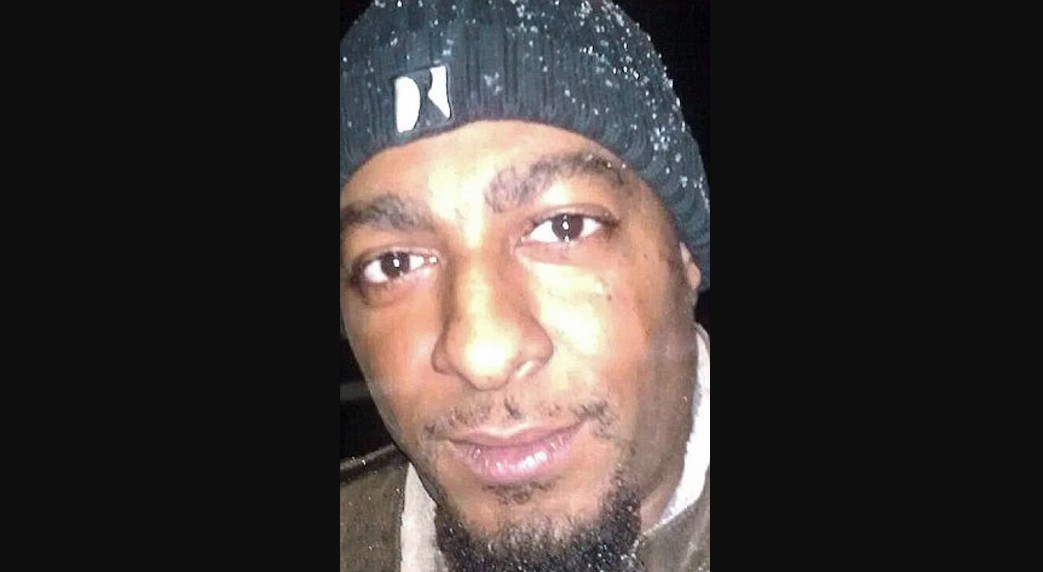
The conviction stood again.
It stood because the cell tower data was admitted.
It stood because the jury heard the records argued over, not proven.
It stood until 2022, when a Baltimore City Circuit Court judge vacated Syed's conviction.
Prosecutors acknowledged flaws in the evidence.
They acknowledged the cell phone data was unreliable.
They acknowledged the failure to disclose evidence about another suspect.
The identity of that other suspect is not disclosed in the source.
Not because it is secret.
Because the record does not establish it.
So the question sits where the records once did: how much of the verdict rested on the towers?
The towers that placed him near Leakin Park.
The towers the defense called unreliable.
The towers prosecutors later called flawed.
That would require evidence.
The conviction was vacated.
Syed was released from prison in September 2022.
In 2023, the charges were dropped, and he was formally exonerated.
The verdict was real.
The unraveling was real too.
AND THE STORY STILL ISN'T OVER
He was released from prison in September 2022.
In October 2022, the state's attorney's office moved to drop all charges.
The motion was granted in 2023.
Syed was formally exonerated in 2023.
He now works at Georgetown University's Prisons and Justice Initiative.
The legal chapter is closed.
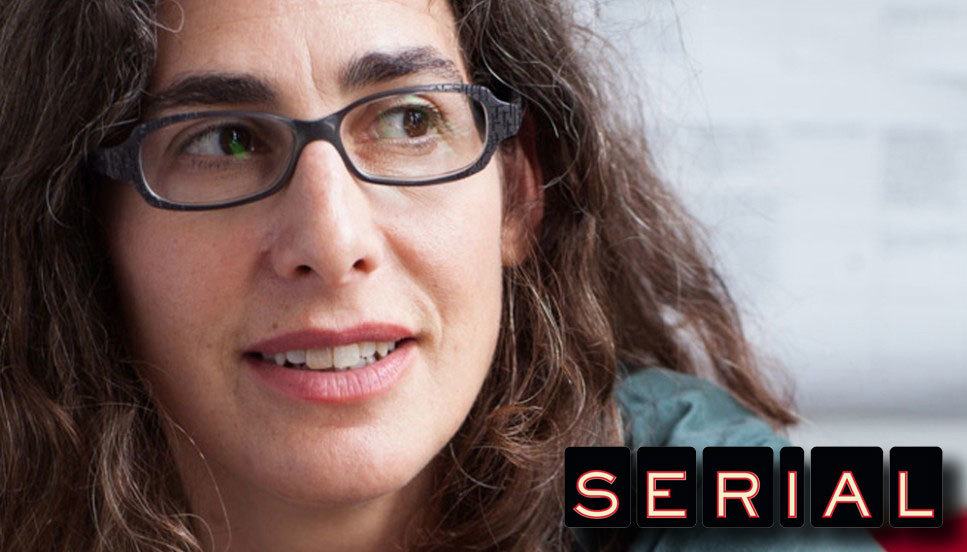
The human questions are not.
Hae Min Lee's family, through their attorney, have expressed ongoing grief and frustration.
They maintain their belief in Syed's guilt.
That belief is theirs to hold.
The record does not establish what happened in Leakin Park on January 13, 1999.
It establishes what the jury found.
It establishes what the prosecutors later acknowledged about the cell tower data.
It establishes that the data was unreliable.
It does not establish who buried Hae Min Lee.
It does not establish who strangled her.
The medical examiner testified that she died by strangulation.
The time of death could not be precisely determined.
No physical evidence linked Syed to the crime.
The anonymous tip led police to him.
The witness changed his story.
The cell tower records were introduced.
The defense argued they were unreliable.
The prosecutors later agreed.
The verdict was real.
The unraveling was real too.
The case remains a subject of public debate.
The *Serial* podcast sparked widespread scrutiny.
That scrutiny changed how the case was seen.
It did not change what the record shows.
The charges were dropped.
The exoneration was formal.
The family grieves.
The public argues.
The story still isn't over.
Advertisement
You may also like
The cellmate confession that cracked the Tate-LaBianca case
She was in custody on an unrelated charge. Months after the murders at Cielo Drive, Susan Atkins told her cellmate about the killings. The…
The waiter who returned a pair of eyeglasses and never came home
He was 25 years old, a waiter at a nearby restaurant. On the night of June 12, 1994, he left work to return a…
The trapdoor beneath Gacy's floorboards that led police to 27 bodies
The crawl space was a dirt hole under a suburban house, reachable only through a trapdoor. On December 22, 1978, police executing a search…
The 8:44 p.m. video that placed Alex Murdaugh at the kennels — and the alibi it shattered
The cellphone belonged to Paul Murdaugh. At 8:44 p.m. on June 7, 2021, that phone recorded video near the dog kennels at the family’s…
The .35 caliber Marlin rifle that silenced six beds in Amityville
The call came on November 13, 1974. Police were sent to 112 Ocean Avenue in Amityville, New York, after the DeFeo family failed to…
The notebook found with Brian Laundrie's remains that changed the Petito case
Gabby Petito, 22, and her fiancé Brian Laundrie set off on a cross-country van trip through national parks in the western United States. The…