The cell tower records that placed a convicted man near a park — and the alibi witness who never testified
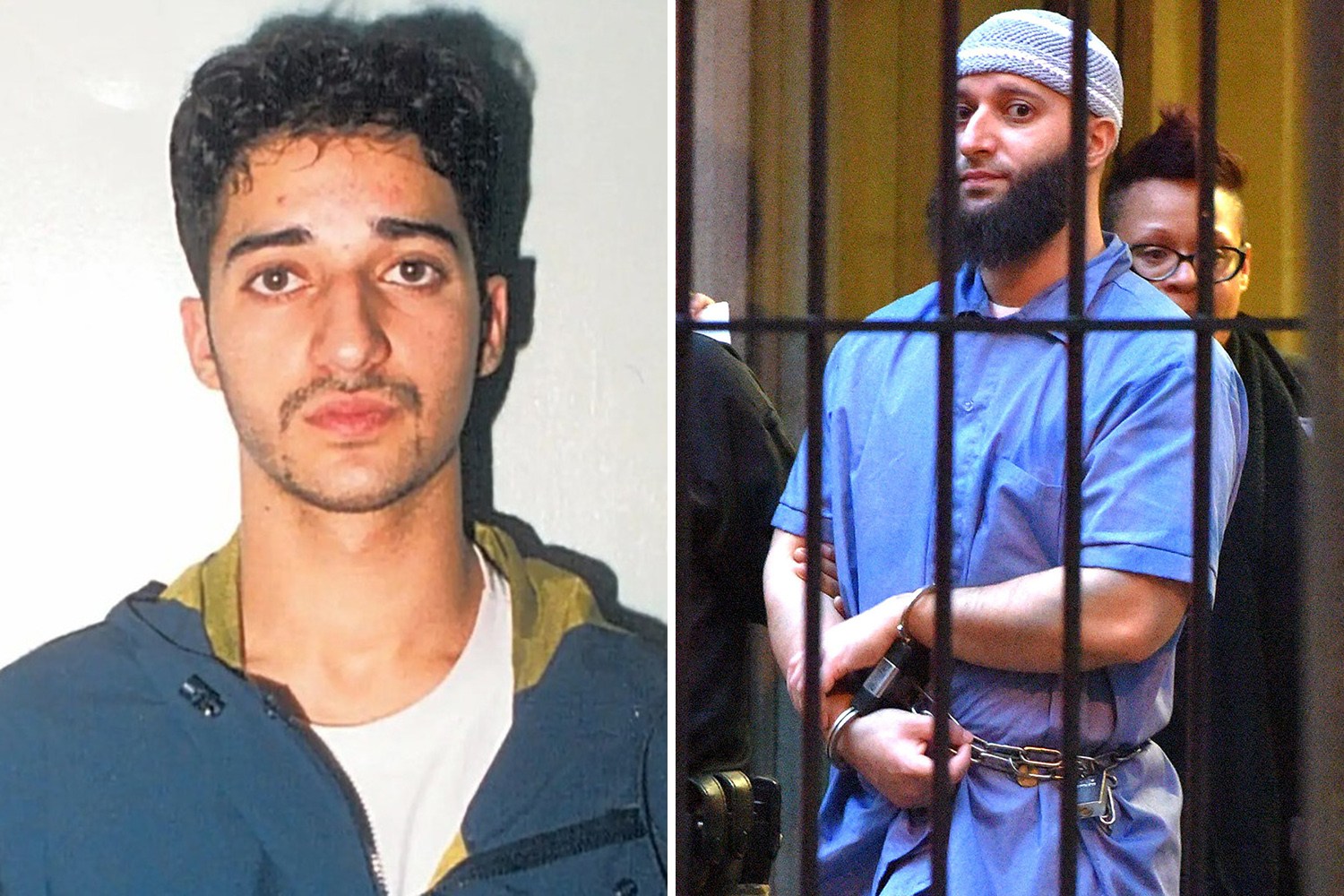
She was on her way home.
Hae Min Lee, 18, a senior at Woodlawn High School, left school on January 13, 1999, and was never seen again.
Her body was found on February 9, 1999, in Leakin Park.
She was buried in a shallow grave.
The cause of death was manual strangulation.
Her ex-boyfriend, Adnan Syed, was arrested on February 28, 1999, and charged with her murder.
At trial, the prosecution introduced cell phone records from Syed's phone.
Incoming calls, prosecutors argued, placed him near Leakin Park at the time of the burial.
The defense argued the cell tower data was unreliable.
A potential alibi witness, Asia McClain, never testified.
The jury heard the cell records.
The jury heard the alibi witness was missing.
What the jury did not hear, for years, was the argument that the cell tower data itself might be flawed.
A viral podcast later raised that question.
It is a claim raised by the defense and later by the podcast.
Whether the data was actually unreliable is not established by the record.
No physical evidence — no DNA, no fingerprints — linked Syed to the crime scene, according to the case record.
The investigation was later criticized for failing to pursue other leads.
A potential sighting at a convenience store.
An anonymous tip about another suspect.
Neither resolved.
The trial began in October 1999.

The prosecution's case relied on Jay Wilds' testimony.
Wilds, a former acquaintance, testified that Syed showed him Lee's body in the trunk of a car and asked for help burying her.
His testimony placed Syed at the scene.
It provided a timeline.
The cell records were meant to confirm that timeline.
Incoming calls, the prosecution said, put Syed near the park.
The defense said the towers could not do that.
The jury heard both arguments.
They heard Wilds.
They did not hear Asia McClain.
What would she have said?
What difference would it have made?
That would require evidence.
The record does not provide it.
THE DISAPPEARANCE
She was last seen leaving Woodlawn High School on January 13, 1999.
Eighteen years old. A senior. A student who did not come home that afternoon.
Police began investigating immediately, interviewing classmates and teachers.
They asked who knew her. They asked who had seen her last.
Detectives learned she had an ex-boyfriend named Adnan Syed.
They learned he had called her the night she disappeared.
They focused on him.
There were other leads. A potential sighting of Lee at a convenience store was not pursued.
An anonymous tip about another suspect was not followed.
The identity of that potential alternative suspect is not in the record.
It is not established. It was never established.
The investigation narrowed to Syed, and the other possibilities went quiet.
Not because they were checked. Because they were not.
Classmates were interviewed. Teachers were interviewed. The focus stayed on one name.
A convenience store sighting. An anonymous tip. Two threads left undone.
What would those threads have shown?
What would they have changed?
That would require evidence.
The record does not provide it.
The investigation was later criticized for failing to pursue these other leads.
By then, the case had moved forward. The focus had settled.
Lee was found on February 9, 1999, in Leakin Park, buried in a shallow grave.
The cause of death was manual strangulation.
Syed was arrested on February 28, 1999, and charged with her murder.
The other leads stayed where they were left.
Unpursued. Unanswered. Unresolved.
THE WITNESS AND THE RECORDS
Jay Wilds was a former acquaintance of Syed.
He told police that Syed showed him Lee's body in the trunk of a car.
He said Syed enlisted his help to bury her in Leakin Park.
Wilds' testimony placed Syed at the scene.
It provided a timeline of the burial.
The cell phone records from Syed's phone were introduced as evidence.
The prosecution argued that incoming calls placed him near Leakin Park at the time of the burial.
The defense argued that the cell tower data was unreliable.
The defense argued that Wilds' testimony was inconsistent.
Was Wilds consistent?
Was the tower data reliable?
That would require evidence, and the evidence was contested at trial.
What the record does not establish is whether either side was right.
No physical evidence linked Syed to the crime scene.
No DNA.
No fingerprints.
Nothing from the trunk of the car.
The prosecution had a witness and a timeline.
The defense had doubt and an alternative.
The jury would hear both.
The records were read aloud in court.
The calls were mapped.
The towers were placed.
The story depended on where the signals landed.
THE TRIAL
The trial began in October 1999 in Baltimore City Circuit Court.
Syed was charged with first-degree murder, kidnapping, robbery, and false imprisonment.
The prosecution’s case leaned on Jay Wilds’ testimony.
It leaned on the cell phone records.
It leaned on the story of where the signals landed.
The defense argued that Wilds was the actual killer.
The defense argued that Syed was a victim of a flawed investigation.
Asia McClain was a potential alibi witness.
She did not testify at trial.
Why she did not testify is not in the record.
The jury heard Wilds describe the burial.
The jury heard about the calls and the towers.
The jury heard no alibi from Asia McClain.
On February 25, 2000, the jury found Syed guilty of all charges.
He was sentenced to life in prison plus 30 years.
The verdict landed.
The absence of the alibi witness landed too.
It was a weight the defense carried into the verdict.
It was a question the record leaves open.
Not because the record answers it.
But because the record never asked it.

AND THE STORY STILL ISN'T OVER
In 2010, the case reached millions through the podcast *Serial*.
The podcast raised questions about the reliability of the cell phone evidence and the fairness of the trial.
In 2016, a Maryland appeals court granted Syed a new trial, citing ineffective assistance of counsel.
That decision was later overturned by the Maryland Court of Appeals in 2019.
In 2022, a Baltimore City Circuit Court judge vacated Syed's conviction.
Prosecutors acknowledged flaws in the case: unreliable cell phone evidence, and the failure to disclose a potential alternative suspect.
Syed was released from prison in September 2022.
In 2023, the Maryland Court of Special Appeals upheld the vacatur.
Prosecutors later dropped all charges, citing a lack of evidence.
Syed remains free.
The case remains controversial.
Some maintain his guilt.
Others argue his innocence.
What the record establishes is the process: a conviction, a reversal, a vacatur, a dismissal.
What the record does not establish is whether Syed is guilty or innocent.
The charges were dropped.
The dispute was not resolved.
Hae Min Lee's family has continued to express grief and frustration over the legal proceedings.
For them, the case never ended.
It was overturned.
It was dismissed.
It was reopened, argued, and closed again.
And still the question the record never asked remains unanswered.
Advertisement
You may also like
The 911 call a mother made at 5:52 a.m. — the ransom note that followed
The 911 call came at 5:52 a.m. December 26, 1996, in Boulder, Colorado. Patsy Ramsey's voice on the line, reporting her 6-year-old daughter, JonBenét,…
The brother's call that ended a 17-year bombing spree
The manifesto arrived in 1995. It was 35,000 words, titled "Industrial Society and Its Future," and it was mailed to The New York Times…
The newspaper clipping and note in the Black Dahlia case that still defy explanation
A newspaper clipping and a note, reportedly carrying the killer's taunts, sat in the evidence file. They were key evidence, the investigation summary says.…
The 1969 letter that came with a victim's bloody shirt and a promise
The package arrived at the San Francisco Chronicle in 1969. Inside was a piece of a shirt. The shirt was bloody. It belonged to…
The tarot card left at a D.C. sniper scene that said 'Call me God'
The card was on the ground beside the body. October 19, 2002. Falls Church, Virginia. A victim shot while loading groceries. Police found a…
Afeni Shakur scattered her son's ashes at his childhood home — the case that still haunts Vegas
Afeni Shakur carried her son's ashes back to Marin City. She scattered them at his childhood home, a private act in a small California…