A cellmate's jailhouse confession was the break that led to Manson's arrests — but the defense said the followers acted alone
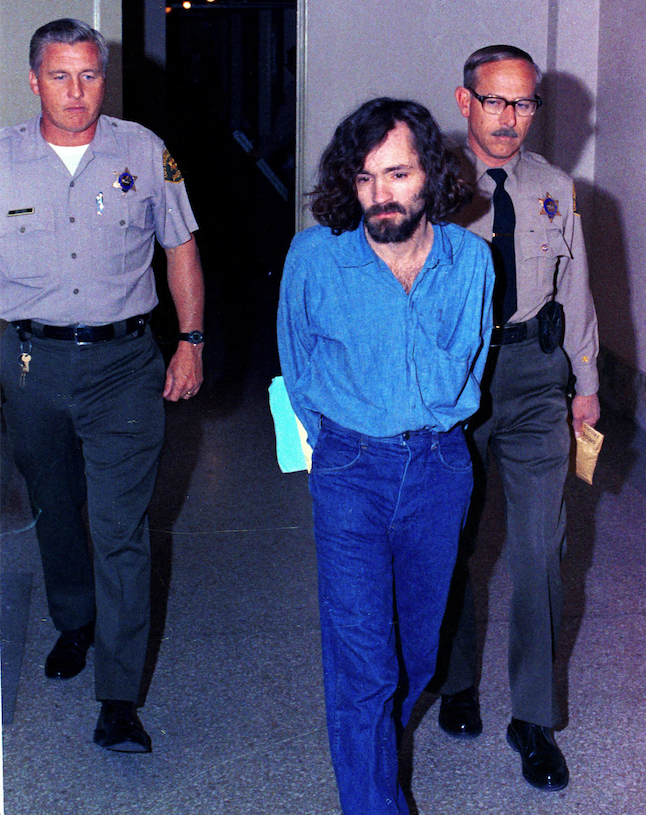
Susan Atkins was in jail on an unrelated charge when she started talking.
She told her cellmate, Virginia Graham, about the murders.
Graham listened.
Then Graham went to the authorities and repeated what she had heard.
That is the documented breakthrough: a confession spilling sideways, cell to cell, before it ever reached a courtroom.
The record does not detail the exact content of Atkins’s statements to Graham.
It says only that she told her about the murders.
What she said, how she said it, whether she bragged or confessed or spun a story — that is not established.
Graham testified later about those statements, and her testimony helped lead to arrests.
The trial began in June 1970.
Vincent Bugliosi prosecuted for the Los Angeles County District Attorney’s Office.
He would argue that Manson orchestrated the killings.
The defense answered with a different story: Manson had not ordered the murders.
His followers acted independently, they argued.
So the cellmate’s confession opened the case.
But it also opened a question that would run through the whole trial.
How much of what Atkins told Graham was truth?
How much was a woman in jail shaping a story to serve herself?
That would require evidence.
The testimony came.
The arguments followed.
The secret was out in the light, and everyone wanted to own it.
TWO NIGHTS, TWO SCENES
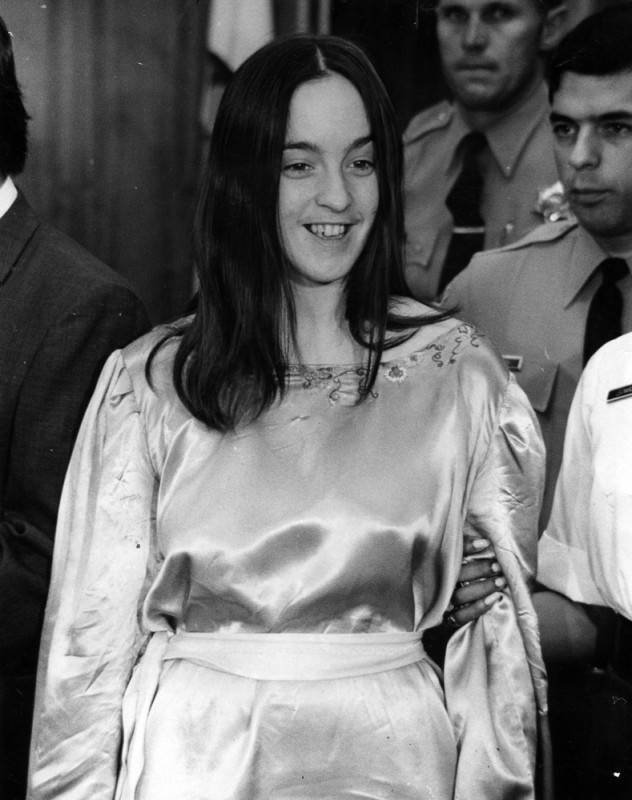
The first night was August 9, 1969.
Five people were murdered at 10050 Cielo Drive in Benedict Canyon: actress Sharon Tate, who was eight and a half months pregnant; coffee heiress Abigail Folger; hairstylist Jay Sebring; and two others.
The following night, August 10, 1969, Leno LaBianca and his wife Rosemary were murdered in their Los Feliz home.
The crimes were discovered the following mornings by the victims' associates and family.
Detective Lieutenant Earl Deemer led the Tate case.
Detective Sergeant Paul Whiteley investigated the LaBianca case separately.
Whiteley noticed similarities between the two cases.
The Tate murders were initially investigated as drug-related because of the victims' connections to the entertainment industry.
That theory did not explain the LaBianca scene.
Manson himself did not enter either house.
He was present at the LaBianca scene and directed the actions, prosecutors later said.
The weapons were knives and a .22-caliber revolver at the Tate scene.
The LaBianca murders involved knives.
The specific details of how the murders were carried out beyond those weapons are not in the record.
Two nights, two scenes, two separate investigations.
The killings were later attributed to a group led by Charles Manson, who directed his followers to commit the murders.
At the time, the link between the houses was not yet visible.
It took a jailhouse confession to make it so.
THE PROSECUTION'S CASE
The trial began in June 1970.
Linda Kasabian was the prosecution's key witness.
She had been present during the Tate murders as a lookout.
She was granted immunity and testified for the prosecution.
:max_bytes(150000):strip_icc():focal(749x0:751x2)/patricia-krenwinkel-then-now-060225-d0f0385812db48c2b07c7ce904cf8004.jpg)
The exact nature of her testimony is not detailed in the record.
Only that she testified under immunity.
The evidence included fingerprints.
A gun was found at the Tate scene.
There was testimony about the group's activities.
Prosecutor Vincent Bugliosi laid out the case.
He argued that Manson orchestrated the murders.
The motive was to incite a race war.
He called it "Helter Skelter."
The name came from a Beatles' song.
It was based on Manson's apocalyptic beliefs.
That motive was a theory.
Not a documented confession from Manson.
The trial was marked by disruptions.
Manson attempted to represent himself.
An X appeared carved on his forehead.
The courtroom was tense.
The prosecution built its case against a charismatic defendant.
Bugliosi presented Kasabian's testimony.
He presented the forensic evidence.
He argued the followers did not act alone.
He argued they acted on orders.
The defense would answer that claim.

But that answer was still to come.
The judge presided over the disruptions.
The witnesses took the stand.
The evidence was laid out piece by piece.
The prosecution's case was built on testimony and objects.
It was built on the story of two nights.
It was built on the words of a lookout who turned witness.
The courtroom waited.
The prosecution rested its case on a theory.
The theory was Helter Skelter.
The theory was a race war.
The theory was Manson's design.
That was the prosecution's argument.
The defense had its own.
THE DEFENSE'S ANSWER
The defense argued that Manson had not ordered the murders and that his followers acted independently.
Irving Kanarek represented Manson.
Daye Shinn represented Tex Watson.
The prosecution's "Helter Skelter" motive was a theory.
It was not a documented confession from Manson himself.
The record states Manson "directed" the actions at the LaBianca scene.
The defense contested his role in ordering the killings.
Was there an order?
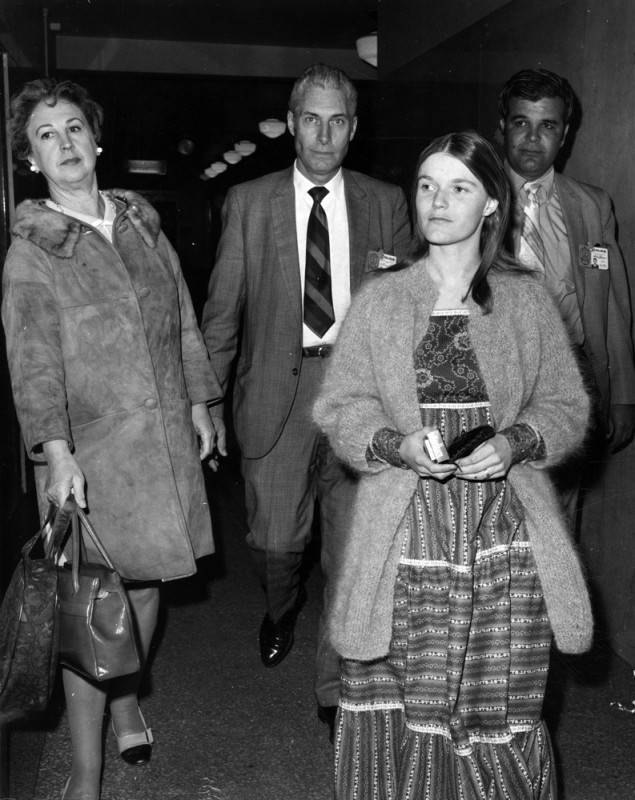
Was there a plan?
Was there a single voice commanding the knives?
That would require evidence of a direct command.
The record does not establish that Manson explicitly ordered the murders.
It establishes the prosecution's argument.
It establishes the defense's denial.
Two stories, irreconcilable.
One of a mastermind.
One of rogue followers.
Which is true?
The trial did not settle the question beyond the verdict.
Kanarek argued for Manson.
Shinn argued for Watson.
They did not argue the same case.
They argued the same denial: no order, independent acts.
The jury heard Kasabian's testimony.
They heard Virginia Graham's account of Atkins's statements.
They heard the fingerprints and the gun.
The defense heard the same and said it showed followers, not a leader.
Manson did not enter either house.
He was present at the LaBianca scene.
He directed the actions, the record says.
Directed is not ordered.
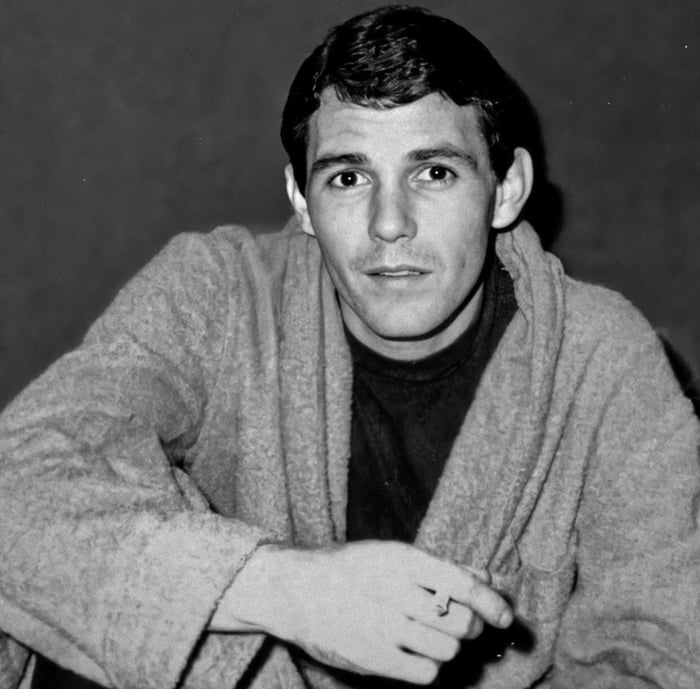
Directed is not commanded.
The line between them was the trial.
AND THE STORY STILL ISN'T OVER
In January 1971, Manson, Atkins, Krenwinkel, and Van Houten were found guilty of first-degree murder and conspiracy.
All four were sentenced to death.
Watson, tried separately, was also convicted and sentenced to death.
The verdicts landed, and then the sentences did not.
In 1972, the California Supreme Court abolished the death penalty, and the sentences were commuted to life in prison with the possibility of parole.
Ronald Hughes, Van Houten’s attorney, disappeared during the trial and was presumed dead.
The trial had consumed them; the aftermath outlasted them.
Manson died in prison on November 19, 2017.
Atkins died on September 24, 2009.
Kasabian, the prosecution’s key witness, died in 2020.
Watson and Krenwinkel remain in prison, denied parole multiple times.
Van Houten was granted parole in 2023 and released after 53 years.
The convictions stand.
No new evidence has changed them.
But the defense’s claim that the followers acted alone has never been definitively disproven in the record.
Directed is not ordered.
That line, drawn in the trial, was never erased.
It is a documented fact that Atkins confessed to her cellmate.
It is a documented fact that the jury convicted.
It remains an interpretation, not established truth, that Manson commanded the killings.
The record holds the verdicts.
The record does not hold a confession from Manson himself.
The story still isn’t over, because the question at its center was never fully answered.
It was answered by a jury.
It was not answered by the evidence alone.
Advertisement
You may also like
The bloodstained boots that cracked a four-murder case — but only after a tip from a cellmate
A pair of bloodstained boots. They belonged to Richard Hickock, and they were found in the men’s possession. Alongside them was a radio stolen…
The Tylenol bottle that doctors first called a stroke — before cyanide changed everything
The first victim was 12 years old, taking Extra-Strength Tylenol for a cold in Elk Grove Village. The date was September 29, 1982. The…
The cotton gin fan tied to Emmett Till's neck — and the sheriff who said the body wasn't his
The river gave it back on August 31, 1955. A cotton gin fan was tied to the neck with barbed wire. The body was…
The bloody watch in the yard that didn't fit the intruder story
The watch was in the grass of the Sheppard yard, its face crusted with blood. It belonged to Sam Sheppard, the husband of the…
The wanted poster at a Miami hotel that no one looked at for a month
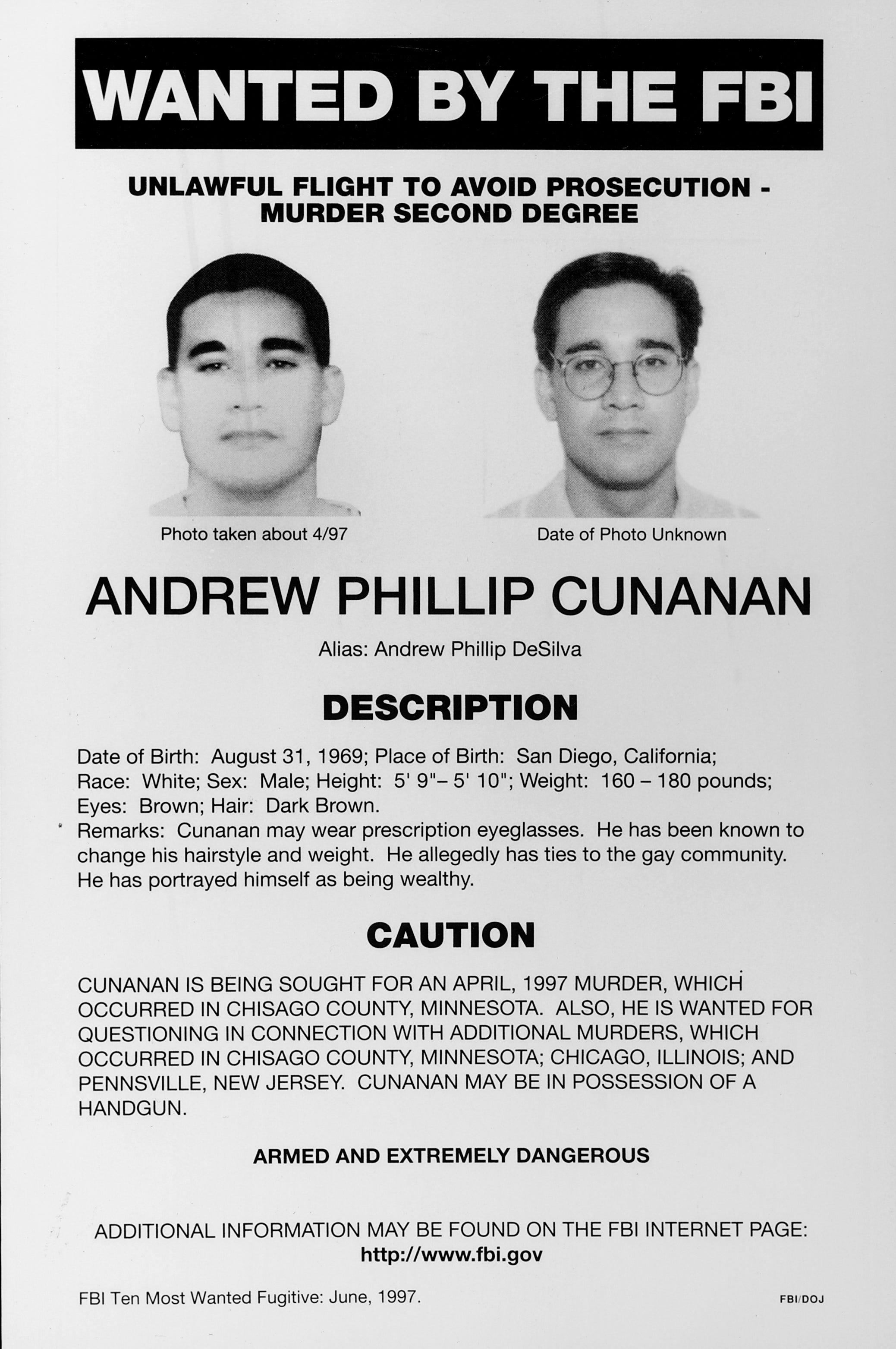
The wanted poster sat at the front desk of the Normandy Plaza hotel in Miami Beach for over a month. It showed Andrew Cunanan,…
The confession that never reached a courtroom — and the DNA match that came 49 years too late
In 1965, Albert DeSalvo was already in custody for other crimes when he confessed to being the Boston Strangler. His attorney, F. Lee Bailey,…