The cellphone records that placed Adnan Syed in Leakin Park — and the witness who changed his story
She was on the ground below, in Leakin Park, buried in a shallow grave.
Hae Min Lee, an 18-year-old senior at Woodlawn High School, disappeared on January 13, 1999. She was last seen leaving school that afternoon. Her body was found on February 9, 1999. The cause of death was manual strangulation.
The police focused on Adnan Syed, Lee's former boyfriend and classmate, after receiving an anonymous tip. The identity of the anonymous tipster is not in the record. That is not established by any document.
The investigation leaned on two things. Cell phone records placed Syed in the Leakin Park area around the time of the murder. A key witness, Jay Wilds, a friend of Syed's, claimed Syed showed him the body and asked for help burying it.
Wilds' account changed over multiple interviews. He told different versions of where, when, and how. No physical evidence linked Syed to the crime scene.
Was it the tip that set the direction? Was it the cell towers that locked him in? Was it Wilds who sealed it?
That would require evidence. The record shows a shifting witness and a phone log. It does not show how an anonymous call and a changing story became a conviction.
The case was reopened in 2014, after the "Serial" podcast raised questions about the evidence. Syed has maintained his innocence throughout. The story, from that first tip to this moment, holds its own unease.
THE CELL TOWER MAP
The cell tower map was the prosecution's centerpiece.
According to the prosecution, the phone records placed Syed in the Leakin Park area around the time of the murder.
It was a map drawn from incoming and outgoing calls, a series of pings that put a phone in a place.
The defense argued that the cell phone evidence was unreliable.
Not because the records were wrong. But because the science of cell tower location was new, the coverage was patchy, and the interpretation was open to dispute.
The exact reliability of the cell phone evidence is not established in the record.
Then there was Jay Wilds.
Wilds testified against Syed, claiming Syed showed him the body and asked for help burying it.
His account changed over multiple interviews.

He told one version to police. He told another version at trial.
The details shifted: where he was, what he saw, when he was called.
The prosecution presented the testimony as the story that made the phone records fit.
No physical evidence linked Syed to the crime scene.
Not the car. Not the grave. Not the body.
The case was reopened in 2014, after the "Serial" podcast highlighted inconsistencies in the prosecution's timeline and the failure to disclose exculpatory evidence.
The podcast made the cell tower map famous.
It made Wilds a name.
But a viral theory is not a fact established by the record.
Was the map solid? Was Wilds credible?
That would require evidence.
THE TRIAL
The trial began in 2000.
Jay Wilds took the stand and told the jury that Syed showed him the body and asked for help burying it.
The cellphone records placed Syed in Leakin Park around the time of the murder, according to the prosecution.
The defense argued the cell tower evidence was unreliable.
Wilds’ account had changed over multiple interviews, the defense noted.
No physical evidence linked Syed to the crime scene.
The jury found him guilty of first-degree murder, kidnapping, robbery, and false imprisonment.
He was sentenced to life in prison plus 30 years.
The conviction was upheld on direct appeal.
For years, that was the record.
In 2016, a post-conviction court granted Syed a new trial, citing ineffective assistance of counsel.
That decision was reversed by a higher court in 2019.
The verdict held.
It held through appeals. It held through the podcast. It held for more than two decades.
In 2022, a Baltimore judge vacated Syed’s conviction after prosecutors filed a motion to dismiss the charges.
The motion cited new evidence and the failure to disclose information about Wilds.
The specific new evidence is not detailed in the source.
The state later dropped all charges.
The verdict had lasted 22 years.
It did not fall because the evidence was suddenly proven false in court.
It fell because prosecutors chose to step away.
Was the map solid all along? Was Wilds credible?
That would require evidence.
The record, for now, holds only the motion and the dismissal.
THE PODCAST EFFECT
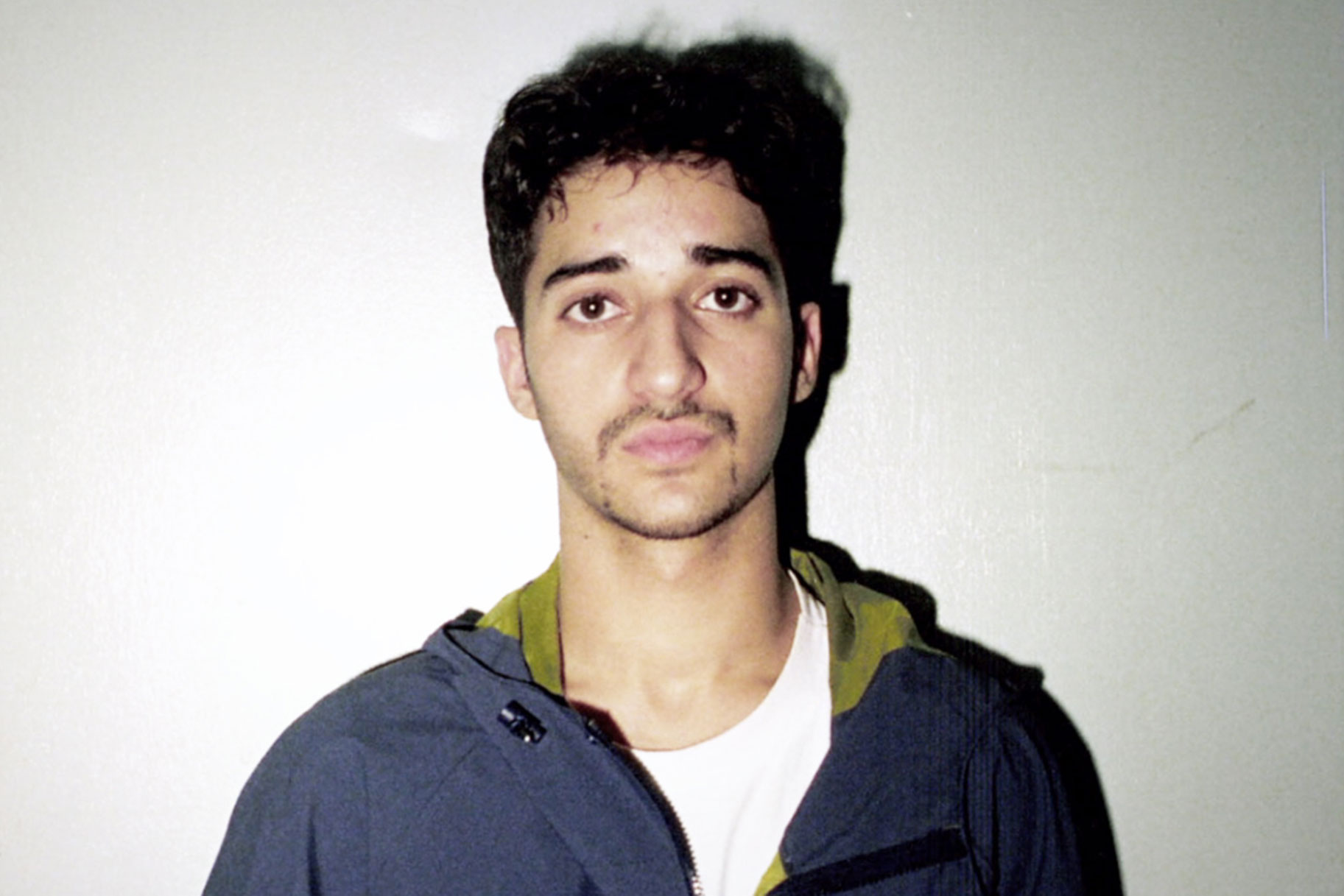
In 2014, a podcast called "Serial" turned the case into a global phenomenon.
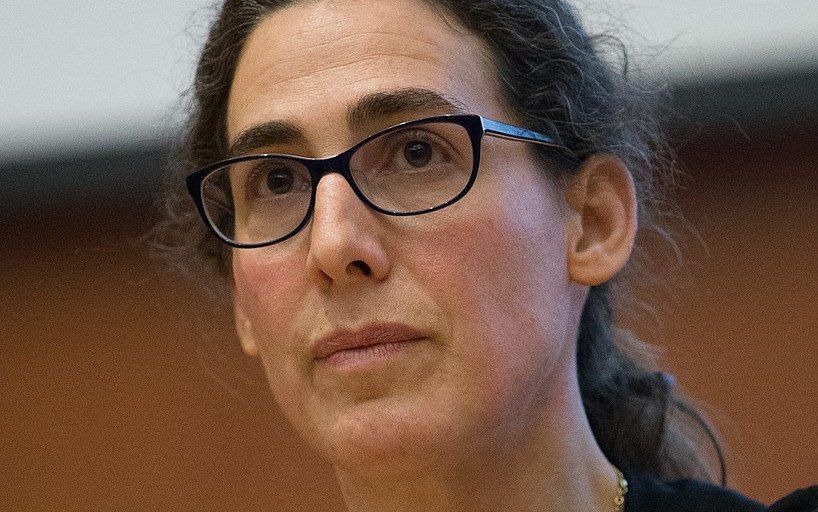
Sarah Koenig produced it, and she spent a season picking apart the evidence.
She walked listeners through the cell tower testimony, the timeline, and the shifting account of Jay Wilds.
The podcast raised questions the trial had not answered.
It highlighted inconsistencies in the prosecution's timeline.
It highlighted the failure to disclose exculpatory evidence.
It highlighted a defense that seemed, at times, absent.
Not because the podcast proved Syed innocent.
But because it showed how much the record did not prove.
The case was reopened in 2014 following the podcast's release.
That is a documented fact: a podcast changed the legal trajectory.
"Serial" remains one of the most listened-to true-crime podcasts in history.
Millions heard the questions.
Millions formed opinions.
The podcast's specific claims, though, are not all established by the record.
Some are theories.
Some are possibilities.
Some are just gaps.
That would require evidence.
The record holds the motion, the dismissal, and the questions.
The debate over the evidence's reliability continues.
The debate over the trial's fairness continues.
The podcast did not just inform.
It moved a case that had been closed for fifteen years.
AND THE STORY STILL ISN'T OVER
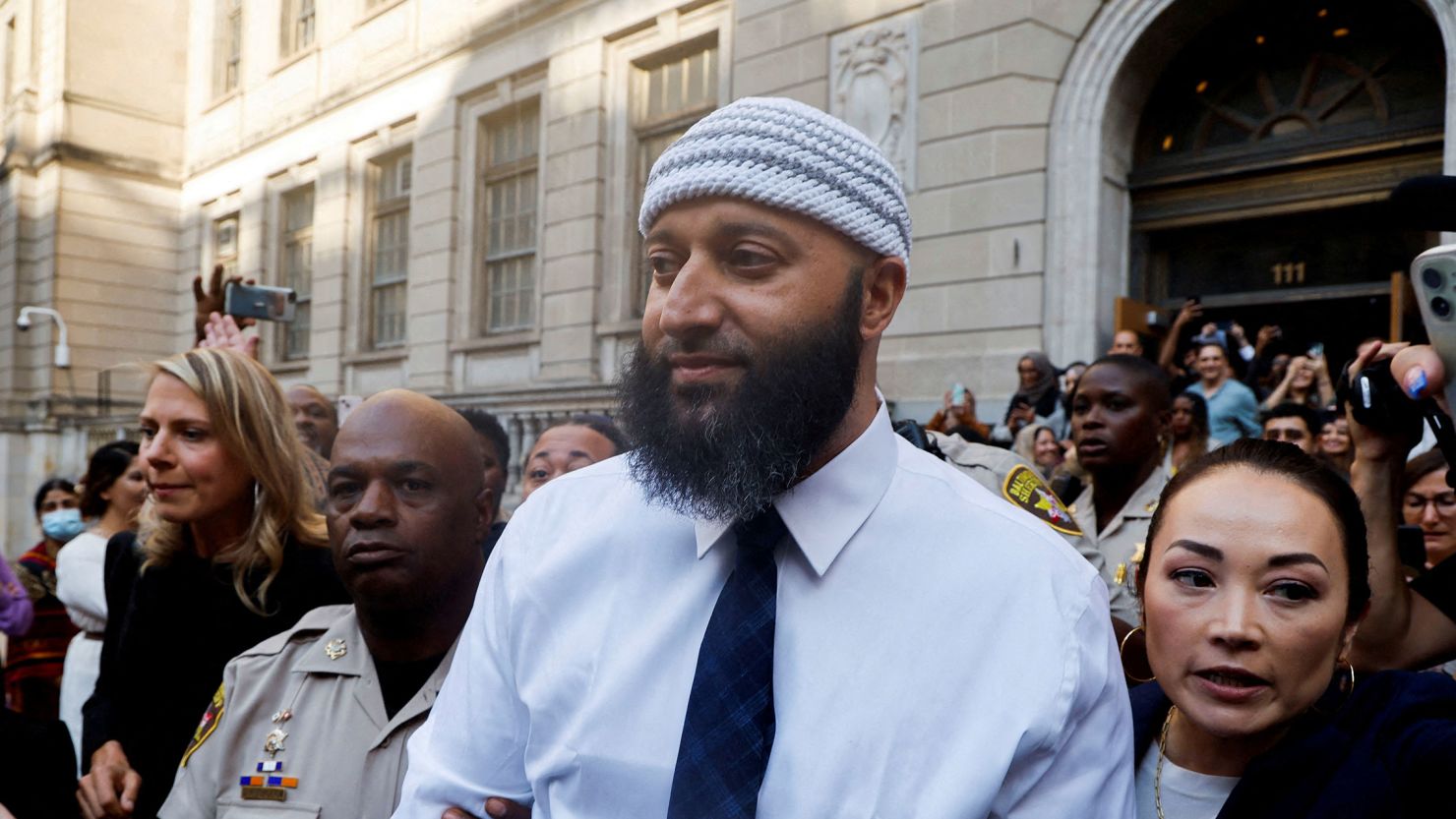
September 2022, and Adnan Syed walked out of prison.
The charges had been dropped.
The state had filed a motion to dismiss, citing new evidence and the failure to disclose information about Jay Wilds.
A Baltimore judge vacated the conviction.
Syed was free, after more than two decades behind bars.
He has maintained his innocence throughout.
The legal case is over.
The story is not.
Hae Min Lee's family has expressed frustration with the proceedings.
They argue the case was not fully resolved.
That full resolution is not established.
The family says it is not there.
The state dropped all charges, but the questions remain.
The "Serial" podcast, produced by Sarah Koenig, remains one of the most listened-to true-crime podcasts in history.
It did not just inform.
It moved a case that had been closed for fifteen years.
It sparked a debate about the reliability of the cellphone records.
It sparked a debate about the fairness of the trial.
It sparked a debate about whether the right man was ever convicted.
That debate continues.
The public is left with questions.
The family is left with questions.
Syed is left with his freedom.
The record does not establish what happened in Leakin Park on January 13, 1999.
It establishes a conviction.
It establishes a vacated conviction.
It establishes a witness who changed his story.
It does not establish the truth.
The case is closed.
It is also open.
Advertisement
You may also like
He walked into a bar to report the six bodies — but the first account did not match
The bar was on a quiet stretch of Long Island, a place where a man could walk in and order a drink before noon…
The smell from Gacy's crawl space that made police dig again
The smell hit the officers before they reached the trapdoor. It was December 1978, and police were searching the home of a building contractor…
The Christmas Eve phone call that broke Laci Peterson's mother
December 24, 2002, was a Tuesday. Laci Peterson, 27 and eight months pregnant, was last seen at the family home in Modesto. That evening,…
The faulty gyroscope and a pilot not rated for instrument flight — the evidence in a 1959 crash that killed three stars
The gyroscope was found malfunctioning, and it was the one instrument that tells a pilot which way is up. The Civil Aeronautics Board’s investigation…
The unmatched glove that didn't fit — and the $33.5 million judgment the Goldman family still pursues
The courtroom was warm, and the cameras held on the leather. O.J. Simpson tugged at the pair of gloves the prosecution had asked him…
The 911 call that shattered a legal dynasty – and the lie that followed
The dogs were still barking when the first deputies arrived at Moselle. Paul Murdaugh, 22, and his mother, Maggie, 52, lay dead near the…