The cellphone video from the kennels that contradicted Alex Murdaugh's alibi
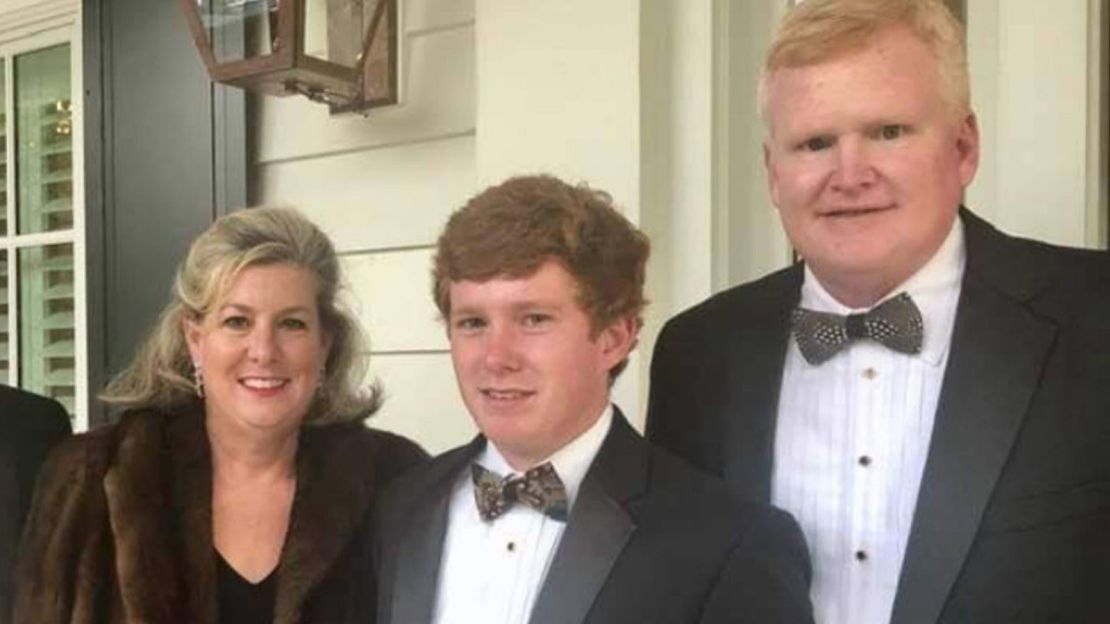
A dog barks on a cellphone video.
Paul Murdaugh’s voice is on it too, captured at the kennels near the murder scene.
The time is approximately when the killings happened.
The video placed Alex Murdaugh at the kennels, not at his mother’s house as he had publicly claimed.
Prosecutors, led by Creighton Waters, presented the video as a critical piece of evidence at the trial that began in January 2023.
It is not established who took the video.
It is not established how investigators came to possess it.
The source records only that the footage existed and what it showed.
That is the weight of the thing: an ordinary object, a phone left recording, that quietly dismantled a carefully stated alibi.
What else did that video show?
That would require evidence the record does not provide.
The video was a fact.
The motive remained a theory.
THE 911 CALL AND THE FIRST MISTAKE
June 7, 2021.
Paul Murdaugh, 22, and his mother, Margaret "Maggie" Murdaugh, 52, were found shot to death at the family's hunting estate, Moselle, in Colleton County, South Carolina.
The bodies were discovered by Paul's father, Richard "Alex" Murdaugh, who called 911.
The source does not specify the content of that call or the exact time it was made.
The initial investigation treated the murders as an unsolved double homicide with no clear motive.
SLED agents found no signs of forced entry and no clear suspects.
Alex Murdaugh publicly claimed he had been at his mother's house at the time of the killings.
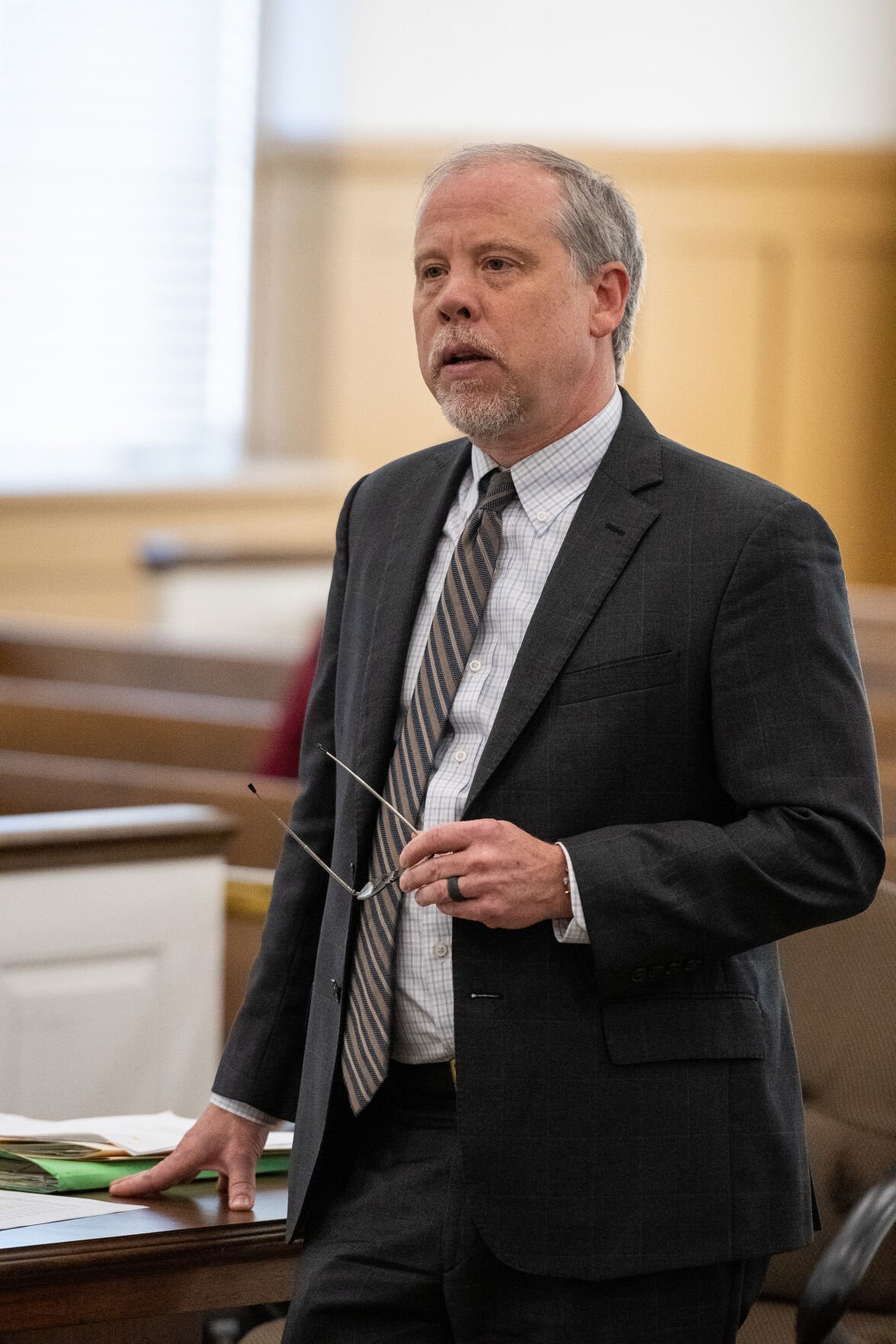
That was the first story.
A grieving father.
An estate with no forced entry.
No suspects, no motive, no witnesses.
The fog of an early investigation.
But the cracks were already there, waiting to be noticed.
The claim of being at his mother's house did not match what the evidence would later show.
Not yet.
For now, the case sat in that fog, an unsolved double homicide with a prominent family at its centre.
The public attention came because of the name.
Murdaugh.
A powerful legal family in the Lowcountry.
And a father who said he was elsewhere when his wife and son died.
That alibi was the first mistake.
It would not survive contact with the evidence.
THE ROADSIDE SHOOTING AND THE CRUMBLING ALIBI
In September 2021, Alex Murdaugh was shot on a roadside.
He claimed a stranger had shot him.
That claim did not hold.
Investigators determined the shooting was staged by a man named Curtis Smith, who later pleaded guilty to assisting Alex in an insurance fraud scheme.
The source does not specify how investigators determined the shooting was staged.

What is documented is the plea: Smith admitted his role.
What followed was a collapse of credibility.
The grieving father became the suspect.
The story he told, the alibi he offered, the injury he suffered — each piece began to look manufactured.
Investigators also uncovered a pattern of financial crimes.
Millions were stolen from his law firm.
Millions more were taken from the estate of Gloria Satterfield, the family's longtime housekeeper who had died in 2018.
Not because the murders were solved by these findings.
But because the man publicly mourning his wife and son was also, prosecutors would later argue, a man who had been draining accounts for years.
The roadside shooting did not kill Alex Murdaugh.
It killed his story.
A staged attack, an admitted scheme, a trail of missing money.
How many other pieces of his narrative were manufactured?
That question would follow him into the courtroom.
The record does not yet answer it.
THE TRIAL AND THE TWO STORIES
Alex Murdaugh was charged with two counts of murder and two counts of possession of a weapon during the commission of a violent crime.
Prosecutors, led by Creighton Waters, argued that Alex killed his wife and son to cover up his financial crimes.
The motive was not definitively established in court.
That is what the record says, and the record does not go further.
Defence attorneys Dick Harpootlian and Jim Griffin argued that Alex was a grieving father.
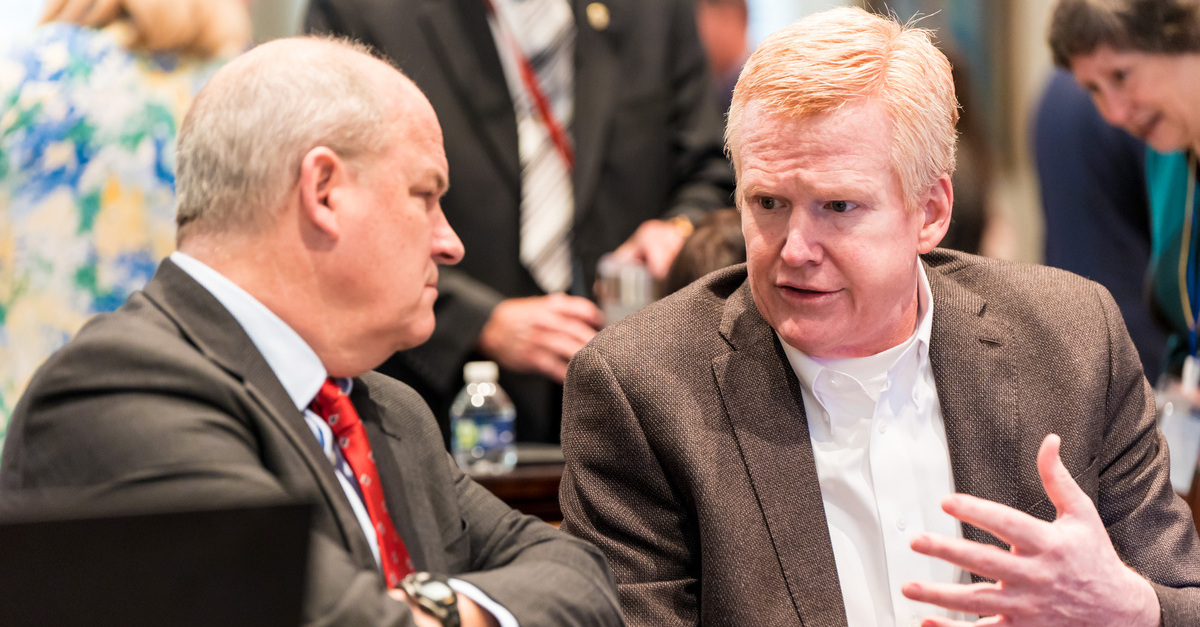
They said the state had no physical evidence.
They pointed to the lack of direct forensic evidence linking Alex to the murders.
The murder weapons — a rifle and a shotgun — were found near the crime scene.
They were identified during the trial.
Two stories, built from the same facts.
One story: a man protecting a lifetime of theft.
The other story: a father who lost his wife and son.
Which one does the evidence support?
The cellphone video placed him at the kennels.
The timeline placed him there.
The financial records placed him in debt.
The defence said none of that was proof.
The jury disagreed.
In March 2023, the jury found Alex Murdaugh guilty on all four counts.
Judge Clifton Newman sentenced him to two consecutive life sentences without the possibility of parole.
The motive remains a theory.
That would require evidence the court did not establish.
AND THE STORY STILL ISN'T OVER
Judge Clifton Newman sentenced him to two consecutive life sentences without the possibility of parole.
The motive remains a theory.
That would require evidence the court did not establish.

Alex Murdaugh is serving those sentences at a South Carolina prison.
He has continued to appeal his convictions.
He cited alleged jury tampering by a court clerk.
The convictions were upheld in 2024.
The next concrete legal step is not specified.
That would require a hearing date the record does not give.
Separately, he pleaded guilty to numerous federal and state financial crimes.
Fraud and money laundering were among them.
He received additional prison time for those.
Buster Murdaugh, the surviving son, has maintained his father's innocence in the murders.
He has spoken publicly about the case.
The Murdaugh family's legal legacy has been dismantled.
The law firm that bore the family name settled civil claims related to the financial fraud.
The case has been the subject of extensive media coverage.
Documentaries and books have told the story.
The verdict was not the end.
Appeals keep the case alive.
Financial crimes keep the case alive.
A family's public defence keeps the case alive.
What happens next is unclear.
That would require a date, a ruling, a motion.
The record does not provide one.
Advertisement
You may also like
The love letters that vanished from police custody after the 1922 double killing
The crabapple tree stood in a lane called Lovers' Lane, in Phillipsburg, New Jersey, near New Brunswick. On the evening of September 14, 1922,…
The clip-on tie that held no answers after the skyjacker vanished — FBI's 45-year puzzle
The clip-on tie sits in an FBI evidence file, a strip of fabric no wider than a man's hand. It was recovered from the…
The 8:44 p.m. video on Paul Murdaugh's phone that cracked Alex's alibi
He called at 10:07 p.m. On June 7, 2021, Alex Murdaugh told emergency dispatchers in Colleton County, South Carolina, that he had found the…

The parole agent who spotted a face in a sketch — and what it took to bring Polly home
A parole agent looked at a composite sketch and saw a face he knew. The date was December 4, 1993. The face belonged to…
The unpaid $33.5 million judgment the Goldman family still pursues after Simpson's death
A jury in a 1997 civil trial found O.J. Simpson liable for the wrongful deaths of Nicole Brown Simpson and Ronald Goldman. The award…
The .35-caliber Marlin rifle found in a marsh that pointed to a calm 23-year-old
The marsh gave it back on a day the record does not name. A .35-caliber Marlin rifle, rusted and discarded, was found in the…