The confession that named 11 victims — but never made it to trial
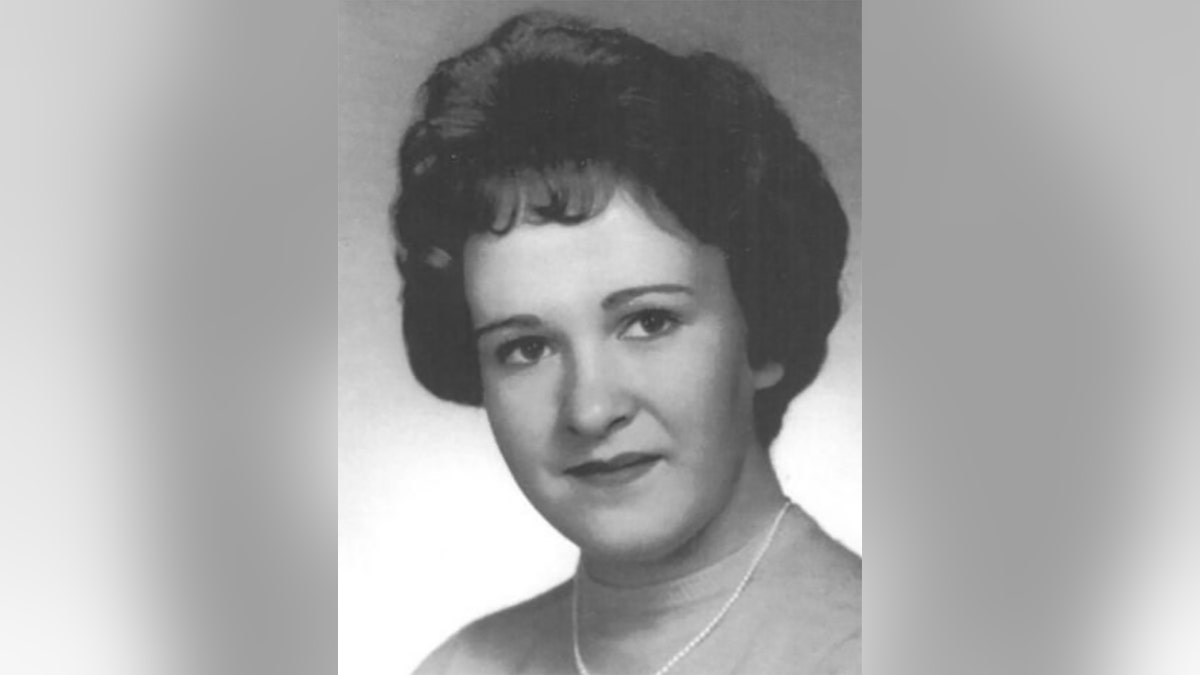
In 1965, a man already in custody for other crimes gave a detailed confession to a series of murders that had terrorized Boston since 1962.
His confession named eleven victims.
He described apartments and details that suggested knowledge of the crimes.
No physical evidence linked him to any murder scene.
He was never charged with the murders.
The confession never made it to trial.
The public and media largely accepted him as the killer.
Some investigators doubted the confession, noting inconsistencies.
How can a confession so detailed never reach a courtroom?
How can a man describe rooms he was never in?
How can eleven names carry so much weight and so little proof?
That would require evidence.
Whether the confession was true is not established by the record.
The man was Albert DeSalvo, a handyman and former soldier.
He was already in custody when he spoke.
The lead detective spent hours interviewing him.
The confession was taken, written down, and kept.
It was never tested before a jury.
It was never tested against the crime scenes in a court of law.
The record holds the confession and the doubt together.
It holds the detail and the absence of physical proof.
It holds the names of eleven victims and the silence of the trial that never came.
THE FIRST REPORT TO THE LAST VICTIM
The first widely attributed murder came on June 14, 1962, in a Boston apartment.
That victim was found strangled, and the city began to count.
Between June 1962 and January 1964, a series of murders of women in the Boston area became known as the work of the "Boston Strangler."
The victims ranged in age from 19 to 85.
They were strangled, often in their own apartments, with ligatures or stockings.
The killer appeared to target women alone in their homes.
That was the pattern the city learned to fear.
The final victim was found on January 4, 1964, in her Boston apartment.
She was the last one attributed to the Strangler.
The exact number of victims attributed to the Strangler is not specified in the record.
Not because the count is settled.
But because the record holds no single official tally.
The crimes sparked intense fear across the city.
Women locked their doors.
They checked their windows.
They hesitated before answering a knock.
The killer seemed to know when they were alone.
The apartments were the crime scenes.
The apartments were the traps.
The police had no suspect in sight.
No physical evidence pointed to one man.
No confession existed yet.
The fear was real.
The suspect was not.
THE 1965 CONFESSION
The man in custody was Albert DeSalvo, a handyman and former soldier.
In 1965, he confessed to the murders.
His confession was detailed.
He described the apartments.
He described the victims.
He described them in ways that suggested knowledge of the crimes, according to the record.
The confession was taken by the lead detective, who spent hours interviewing DeSalvo.
The detective believed him.
The public believed him.
The media believed him.
DeSalvo was never charged with the murders.
No physical evidence linked him to the murder scenes.
Some investigators doubted the confession, noting inconsistencies.
They noted the gaps.
They noted the contradictions.
The public heard the details instead.
The public heard the man.
The public heard the story.
Whether DeSalvo's knowledge came from the crimes or from other sources is not established.
That question was never answered in court.
It was never tested in court.
It was never put before a jury.
The confession named eleven victims.
It described stockings and ligatures.
It described women alone in their apartments.
It described a killer who entered without force.
It described a man who confessed.
It did not describe evidence.
It did not describe a match.
It did not describe proof.
The confession was compelling.
It was also uncorroborated.
That would require evidence.
That would require a trial.
There was no trial for the murders.
DeSalvo would go to court for something else entirely.
THE TRIAL THAT WASN'T ABOUT MURDER
There was no trial for the murders.
Albert DeSalvo went to court in 1967 for something else entirely.
He was tried for a series of armed robberies and sexual assaults, unrelated to the stranglings.
The prosecution was led by the Middlesex County District Attorney’s office.
Judge Cornelius J. Moynihan presided over the courtroom.
DeSalvo’s attorney was F. Lee Bailey, the man who had helped bring the confession into the public eye.
The confession that named eleven victims was not part of this trial.
It was never heard by a jury.
It was never tested by cross-examination.
DeSalvo was convicted and sentenced to life in prison.
Not for murder.
Not for any homicide at all.
He was never tried for the Boston Strangler murders.
He was never convicted of killing anyone.
Why the confession was not used in the murder cases is not stated in the record.
That would require evidence.
That would require a trial that never happened.
The courtroom heard about robberies.
The courtroom heard about assaults.
The courtroom never heard the name of the last victim spoken as a charge.
DeSalvo stood in that courtroom as a convicted robber, not as a confessed killer.
The confession sat in the files, detailed and specific, describing apartments and victims in ways that suggested knowledge.
It sat there unused.
It sits there still, between what is viral and what is documented.
He was sentenced to life for the crimes that were tried.
The murders went uncharged.
AND THE STORY STILL ISN'T OVER
He was serving his life sentence at Walpole State Prison in Massachusetts when another inmate stabbed him to death in 1973.
After his death, doubts about his guilt persisted.
In 2013, DNA testing on evidence from the murder of the final victim excluded DeSalvo as the source of the DNA.
The testing was contested.
Whether that exclusion is definitive is not established.
The case remains officially unsolved.
The Boston Strangler murders are considered one of the most infamous unsolved cases in American history.
The families of the victims have continued to seek answers.
No other suspect has been officially named.
Not because the record closes the question.
But because the record leaves it open.
The confession named eleven victims.
It never named a trial.
The case is closed in name only.
Advertisement
You may also like
The trapdoor beneath a contractor's home that hid 29 bodies — and the teenager who led police to it
December 11, 1978. A 15-year-old boy named Robert Piest told his mother he was going to meet a contractor about a job. He never…
The cellphone video that broke Alex Murdaugh's alibi — and the double murder trial that followed
The video is eight seconds of darkness, dogs barking, and a voice. Paul Murdaugh recorded it at the dog kennels on the family's Moselle…
The rifle that six sleeping DeFeos were shot with — and the son who confessed
The call came on November 13, 1974. A neighbor placed it to the Suffolk County Police Department. Officers arrived at 112 Ocean Avenue in…
The floppy disk trace that unmasked a church leader as BTK after 30 years
A floppy disk arrived at a Wichita newspaper in 2004, sent by someone claiming to be the BTK killer. It was a taunt, a…
The notebook found beside Brian Laundrie's remains that changed the Gabby Petito case
On October 20, 2021, Brian Laundrie's remains were found in the Carlton Reserve in Florida. A notebook lay nearby. Inside that notebook was a…
The anonymous call that shifted the Hae Min Lee case toward Adnan Syed
She was 18. Hae Min Lee left Woodlawn High School on January 13, 1999, and never arrived at the daycare to pick up her…