The cotton gin fan that pulled a body from the Tallahatchie — and the DNA test that settled it
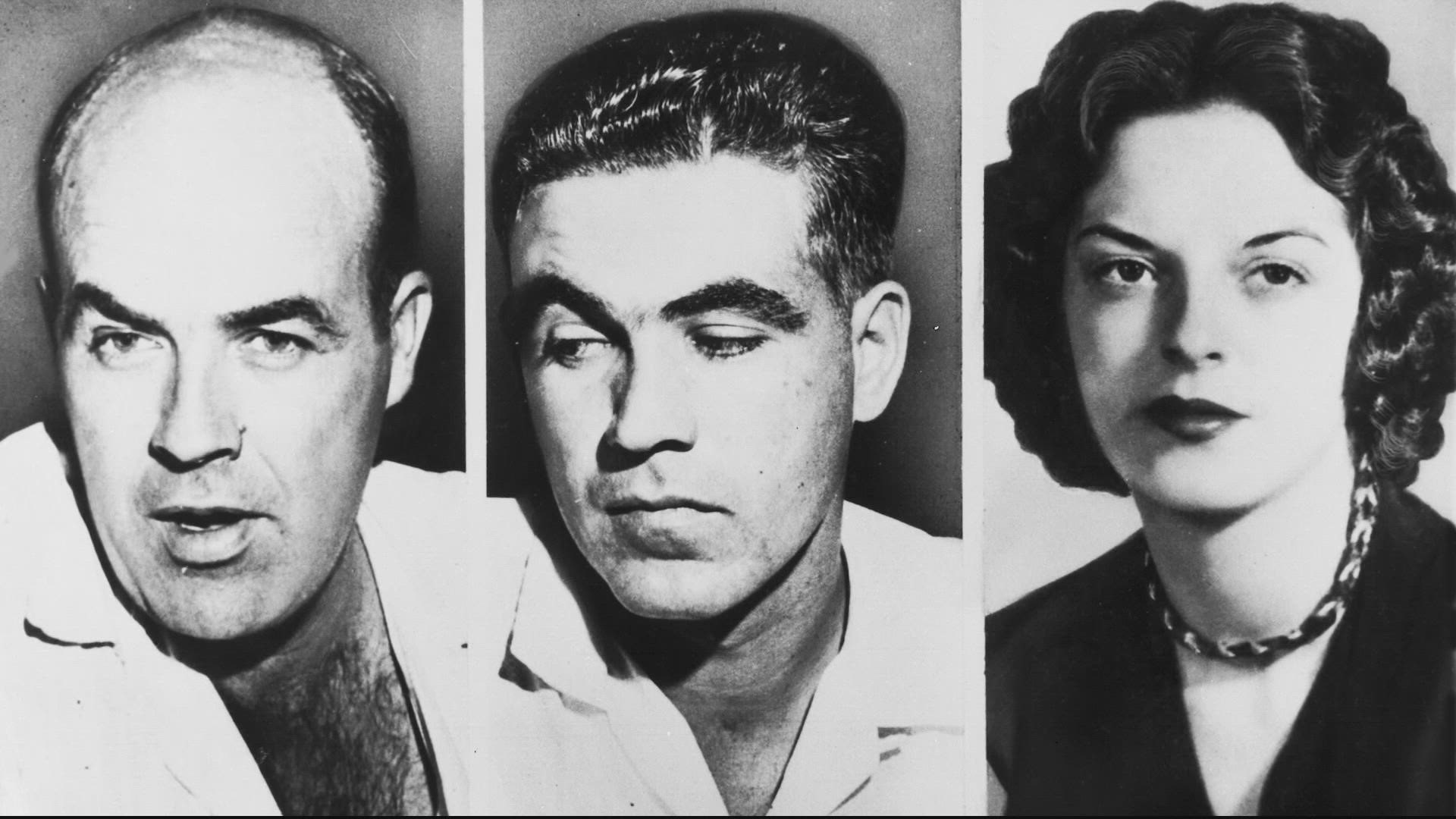
A cotton gin fan came up with the body on August 31, 1955.
It was tied to the neck with barbed wire, and it had held a boy to the bottom of the Tallahatchie River.
The boy was so disfigured that the local sheriff publicly doubted it was Emmett Till, a 14-year-old from Chicago visiting relatives in Money, Mississippi.
That doubt — not the murder itself — became the hinge of the case.
The fan was never a mystery.
The identity of the body it anchored was.
The sheriff's doubt is recorded.
His motive for the doubt is not in the record.
The weapon used to shoot the boy was never recovered, either.
So the case turned on a question that fifty years could not answer by rumor.
It would take an exhumation.
It would take a DNA test.
It would take the FBI reopening a file that had sat closed since 1955.
What surfaced from the river was a body.
What the record could not yet prove was whose.
THE ABDUCTION AND THE BODY
On August 24, 1955, Till entered Bryant's Grocery and Meat Market.
There, the case record says, he allegedly whistled at or made remarks to Carolyn Bryant, the white store owner's wife.
The exact words are not in the record.
Four nights later, on August 28, Carolyn's husband Roy Bryant and his half-brother J.W. Milam went to the home of Till's great-uncle, Moses Wright.
They abducted Till from that house, according to Wright's testimony.
The boy was beaten.
He was shot.
He was thrown into the Tallahatchie River, weighted down by a cotton gin fan tied to his neck with barbed wire.
The weapon used to shoot him was never recovered.
His body was recovered on August 31.
What surfaced from the river was a body.
What the record could not yet prove was whose.
It was Moses Wright who identified the two men who took Till.
He testified at trial, and he pointed at Roy Bryant in the courtroom.
That was the prosecution's hinge: one witness, standing in a Mississippi courtroom, naming the men who came in the night.
The defense would argue the body was unrecognizable.
The defense would argue the prosecution could not prove it was Till.
But Wright's finger did not waver.
He was the lone witness.
She was on the ground below — no, he was in the room, and he pointed.
The trial had not yet begun when the sheriff publicly doubted the body's identity.
That doubt would become the case's long shadow.
But Wright's testimony stood first, before the doubt, before the DNA, before the fifty years.
THE TRIAL AND THE DOUBT
The indictment came down in September 1955, and the trial opened on September 19 in Sumner, Mississippi.
The defense argued the body was unrecognizable.
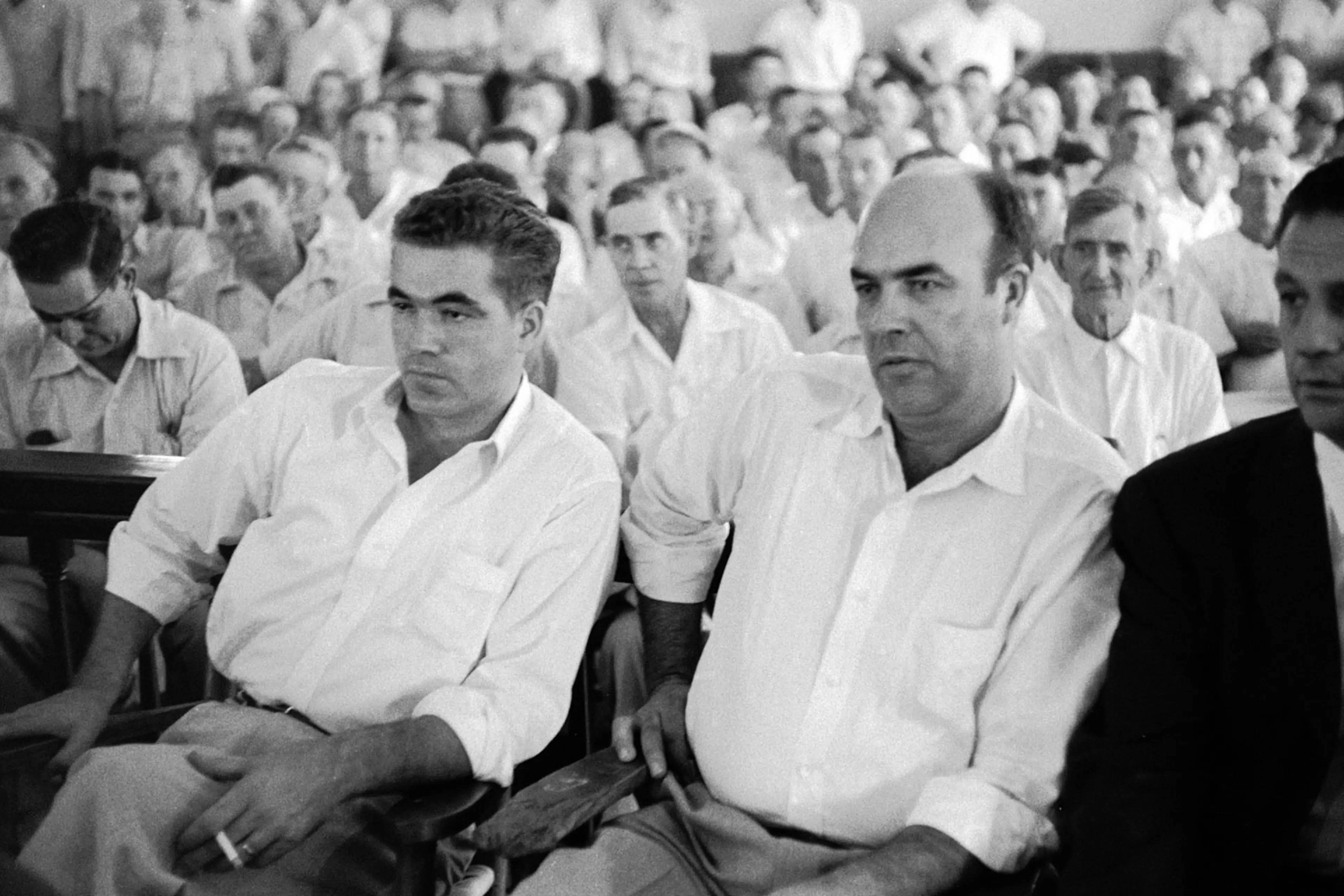
The defense argued the prosecution could not prove it was Till.
The sheriff had already said as much in public, before the jury was even seated.
That doubt was never tested at trial.
The sheriff's claim was not put to a test in the courtroom, and the record does not show it ever was.
The prosecution put Moses Wright on the stand, and Wright pointed at Roy Bryant.
The physical evidence was the body itself, pulled from the Tallahatchie with a cotton gin fan wired to its neck.
The jury was all white and all male.
They deliberated for 67 minutes.
They acquitted both defendants.
The verdict was not a finding about the body.
It was a finding about the doubt.
In January 1956, Bryant and Milam, protected by double jeopardy, confessed to the murder.
They sold the confession to Look magazine, and it was published that year.
The confession's full text is not in the trial record.
It was a magazine story, not a court document.
The acquittal stood.
The doubt stood with it.
The body was buried again, still unidentified by the law that had judged it.
Not because the evidence was absent.
But because the jury chose the doubt.
THE EXHUMATION AND THE DNA
The Department of Justice reopened the case in 2004.
A documentary filmmaker had reported new evidence, the DOJ said.
What that evidence was is not specified in the record.
The FBI exhumed Emmett Till's body in 2005.
DNA testing confirmed it was indeed Emmett Till, the FBI stated.
Fifty years after the sheriff's public doubt, science answered the question the jury had left open.
The body was his.
It had always been his.
In 2007, a Mississippi grand jury declined to indict anyone new, according to the grand jury record.
The primary suspects were dead.
The evidence, the DOJ concluded in 2017, was insufficient to charge anyone remaining.
The case was closed.
In 2022, an unserved arrest warrant for Carolyn Bryant was discovered in a courthouse archive.
The warrant's date is not in the record.
Why it was never served is not in the record.
No charges were pursued.
Certainty arrived. Justice did not.
The DNA test settled what the body was.
It could not settle what was done about it.
The relief of knowing is real.
The frustration of knowing too late is real too.
Both are documented.
The record holds the test result, the grand jury's decline, the closed case, the unserved warrant.
What the record does not hold is a conviction.
That would require evidence.
That would require a defendant.
That would require a trial.
The record holds none of those.
AND THE STORY STILL ISN'T OVER
Roy Bryant died in 1994.
J.W. Milam died in 1980.
Carolyn Bryant died in 2023.
The death records closed the last names on the original indictment.
In 2022, the Emmett Till Antilynching Act was signed into law, making lynching a federal hate crime.
The legislation carried the name of a boy whose killers walked free.
In 2023, the Department of Justice closed its final review.
The statement was plain: no further prosecution was possible.
The DNA test had settled the identity in 2005.
It settled what the sheriff had doubted in 1955.
It did not settle what the jury decided in 1955.
It did not settle what the acquittal meant.
The Till family has continued to advocate for justice.
The specific actions are not detailed in the record.
Any future legal steps are not in the record either.
What remains is a symbol.
A body identified by science.
A case closed by time.
A law named for a child.
The fan stayed in the river's history.
The barbed wire stayed in the photographs.
The confession stayed in the magazine pages.
The verdict stayed in the courthouse record.
The DNA test proved who the body was.
That proof arrived fifty years late.
It was enough for science.
It was never enough for law.
The story does not end with a conviction.
It ends with a name on a law.
It ends with a family still asking.
It ends with a record that holds no trial.
That would require a defendant.
That would require a trial.
The record holds none of those.
Advertisement
You may also like
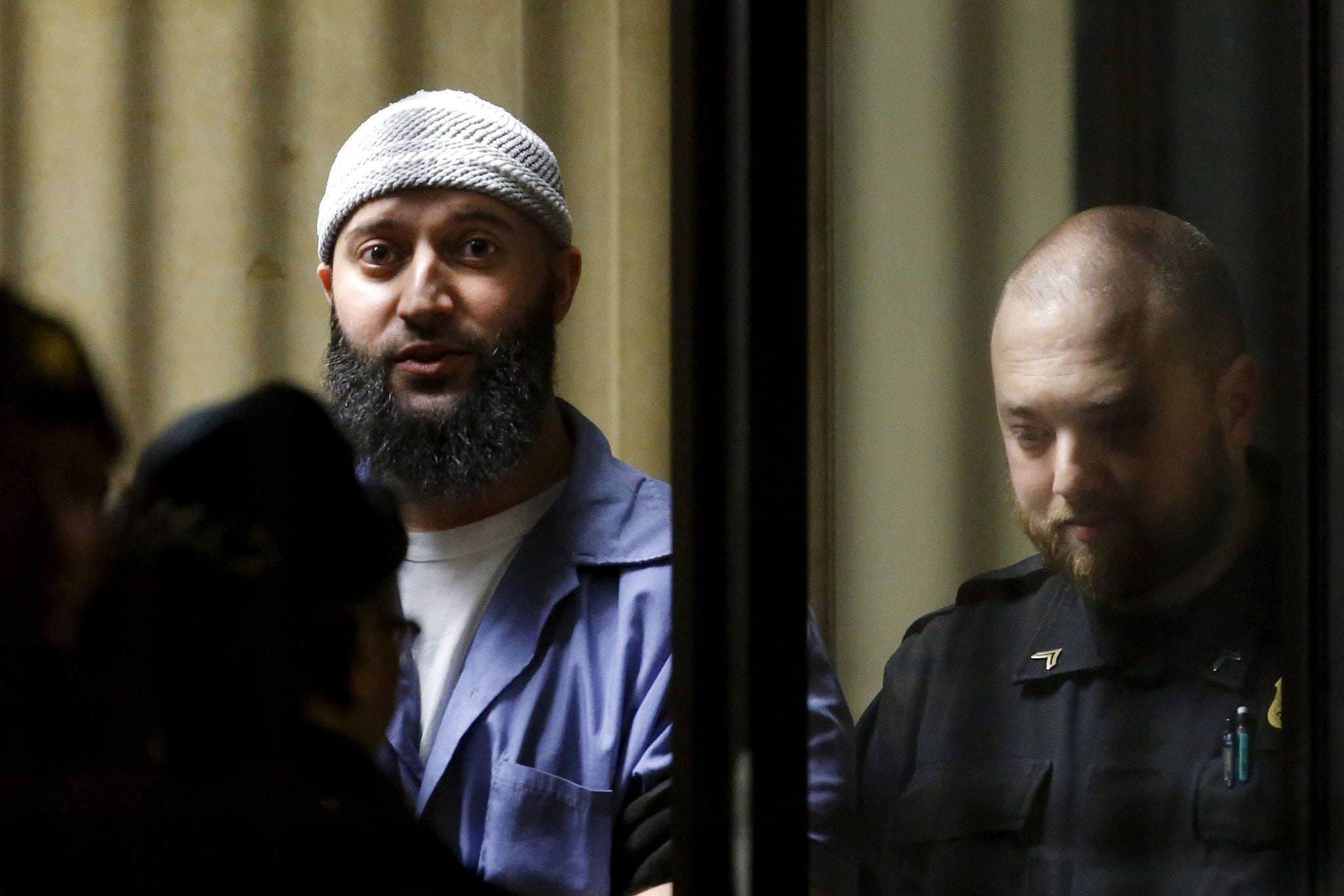
One anonymous note sent police to a witness — is that note the key to Hae Min Lee's 1999 murder case?
The note was anonymous. It arrived after Hae Min Lee's body was found on February 9, 1999, in Leakin Park, partially buried. She had…
The last video Paul Murdaugh filmed minutes before the shots that killed him and his mother
He was 22, and he was filming his dogs. Paul Murdaugh held up his cell phone at the family's hunting estate in Colleton County,…
The pillowcase that tied a kidnapper to Polly Klaas — and the parole officer who spotted him
Two girls lay on the floor of the bedroom, their hands and feet bound. They had been tied up, but they had not been…
The pajama top that told the FBI a different story than Jeffrey MacDonald's
The pajama top was folded on an evidence table, and it told two stories at once. On the night of February 17, 1970, at…
The 10 p.m. check that found an open door and an empty bed
The key turned in the lock at approximately 10:00 p.m. on May 3, 2007. Kate McCann stepped into the holiday apartment in Praia da…
The psychologist's tape that turned a Beverly Hills double murder into a confession
The tape exists. Dr. Jerome Oziel, the brothers' psychologist, testified that Erik confessed to the murders during a session. That testimony is on the…