One anonymous note sent police to a witness — is that note the key to Hae Min Lee's 1999 murder case?
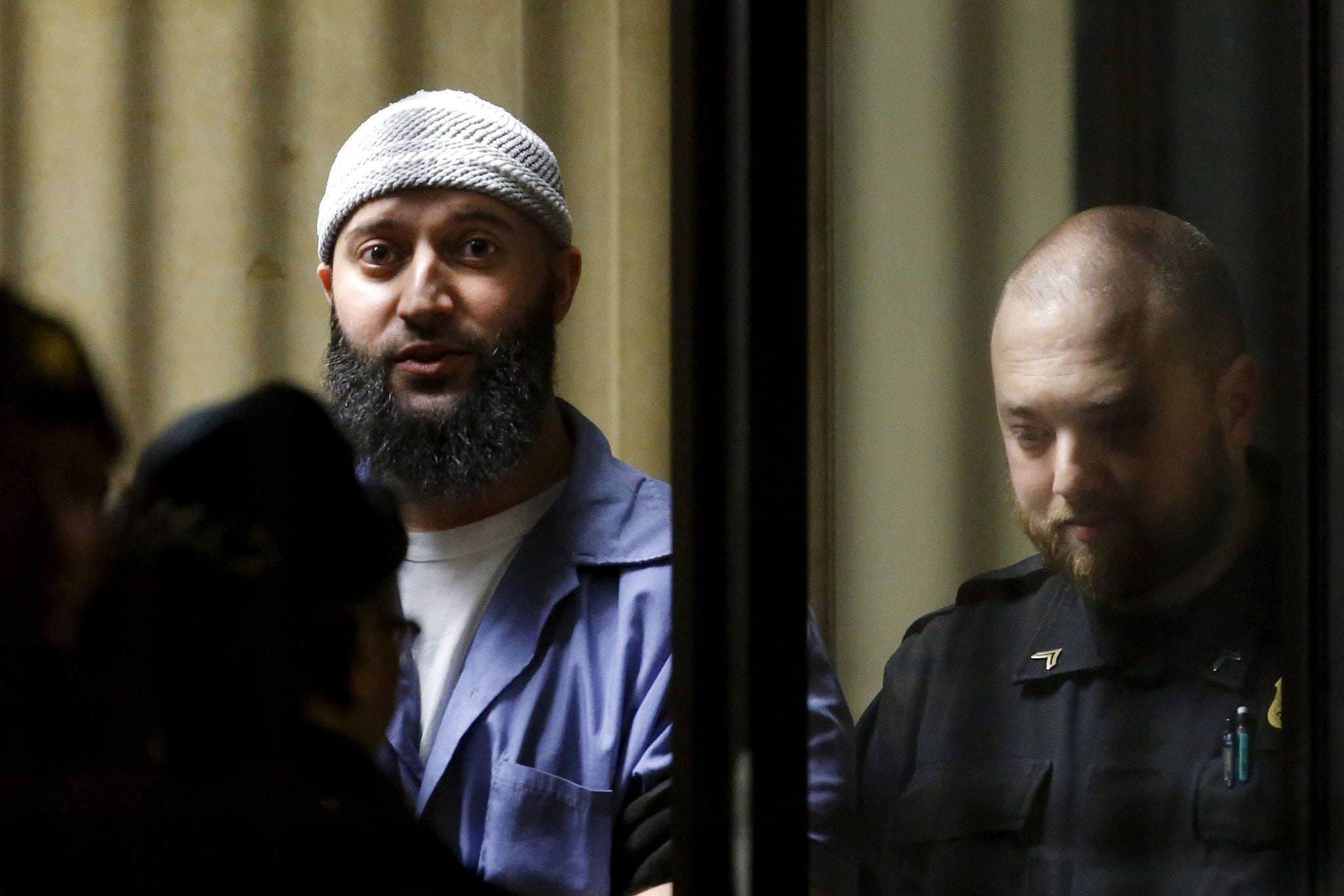
The note was anonymous.
It arrived after Hae Min Lee's body was found on February 9, 1999, in Leakin Park, partially buried.
She had been strangled.
For weeks, the case went unsolved.
No DNA, no fingerprints ever linked Adnan Syed to the crime scene.
The source states this explicitly.
Then a single scrap of paper directed police to Jay Wilds.
That was the key break in the investigation.
A phone call from Wilds followed.
On February 28, 1999, police arrested Syed, Lee's ex-boyfriend.
Wilds later led police to Lee's gray Nissan Sentra, abandoned in a residential neighborhood.
Who wrote the note?
What did it say?
Why did it point to Wilds?
That would require evidence.
The record does not establish who wrote it.
The record does not describe its full contents.
But the note set the case in motion.
Not science.
Not physical proof.
A piece of paper, and then a man's words.
That is what the state's case would rest on.
THE DISAPPEARANCE AND THE BODY
January 13, 1999, was a school day.
Hae Min Lee, 18, a senior at Woodlawn High School in Baltimore County, Maryland, attended class that morning.
She was last seen leaving school that afternoon.
She did not come home.

Her family reported her missing.
Police initially treated it as a missing persons case.
That is what the record shows: a teenager, a school day, a report filed.
Then the weeks passed.
For nearly a month, there were no answers.
Her body was found on February 9, 1999, in Leakin Park, a wooded area in Baltimore City.
She was partially buried.
The medical examiner testified she died from manual strangulation.
A gray Nissan Sentra — her car — was found weeks later, abandoned in a residential neighborhood.
The exact time of death is not established in the source.
What happened between her leaving school and her body being found is not established either.
Those weeks remain a gap.
A family waiting. A school community wondering. A case with no suspect named.
The car was found, but it did not point to anyone.
The body was found, but it did not name a killer.
What the investigation had, at that point, was a victim and a date and a park.
Not physical proof.
Not a confession.
Not yet a man's words.
THE WITNESS AND THE PHONE RECORDS
Jay Wilds was an acquaintance of Syed.
According to his statement, Syed showed him Lee's body in the trunk of her gray Nissan Sentra.
Wilds said they drove to Leakin Park, where they buried her.
He later led police to Lee's car, abandoned in a residential area.
The most significant piece of evidence was the cell phone records.
The state argued those records placed Syed near Leakin Park at the time of the burial.
Not because of what the records showed directly.
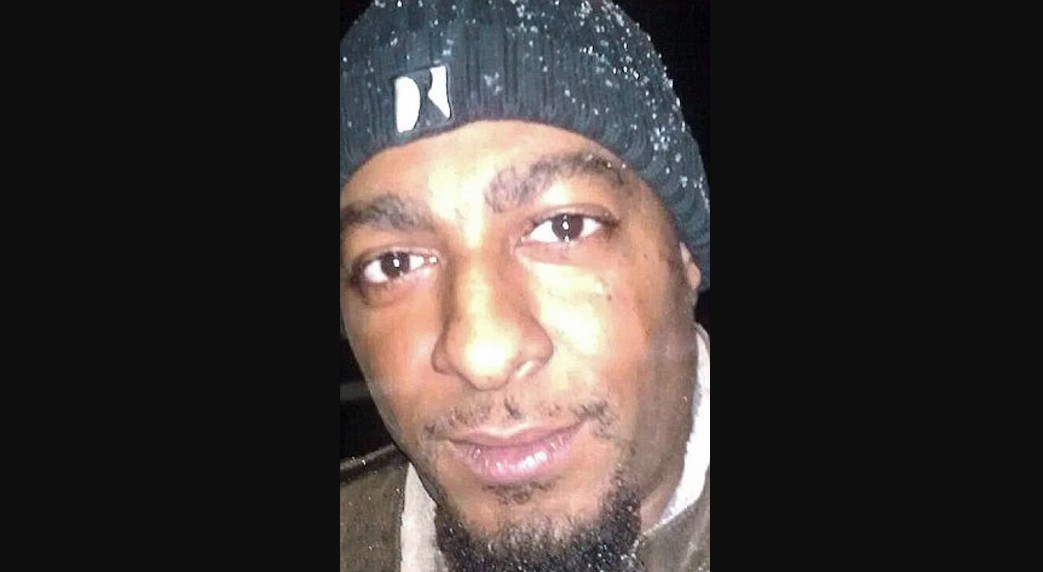
Because of what a tower's ping suggested about where his phone was.
The defense later challenged the reliability of those records.
Whether the cell phone records were accurate is disputed.
A friend of Syed's testified he asked her for a ride after school on the day Lee disappeared.
She later said she was mistaken.
That testimony was recanted, per the source.
So the case rested on one man's story and a tower's ping.
How much of a conviction can hold on that?
How much of it should?
The record does not establish that the cell phone records were accurate.
It does not establish that the friend's original testimony was true.
It establishes only what was said, and what was later walked back.
TWO STORIES, ONE VERDICT
The prosecution built its case on one story.
Jay Wilds testified that Syed showed him the body in the trunk of Hae Min Lee's gray Nissan Sentra.
Wilds said they drove to Leakin Park and buried her.
The cell phone records, the state argued, placed Syed near that park at the time of the burial.
They charged Syed with first-degree murder, kidnapping, robbery, and false imprisonment.
The defense told a different story.
Wilds was lying, the defense argued, and Syed had no motive.
No physical evidence — no DNA, no fingerprints — linked Syed to the crime scene, according to the source material.
The trial began in October 1999.
In February 2000, the jury found Syed guilty of first-degree murder.
He was sentenced to life in prison plus 30 years.
The conviction was upheld on direct appeal.
In 2016, a post-conviction court granted Syed a new trial, ruling his original attorney provided ineffective counsel by failing to contact a potential alibi witness.
In 2019, the Maryland Court of Special Appeals upheld the conviction.
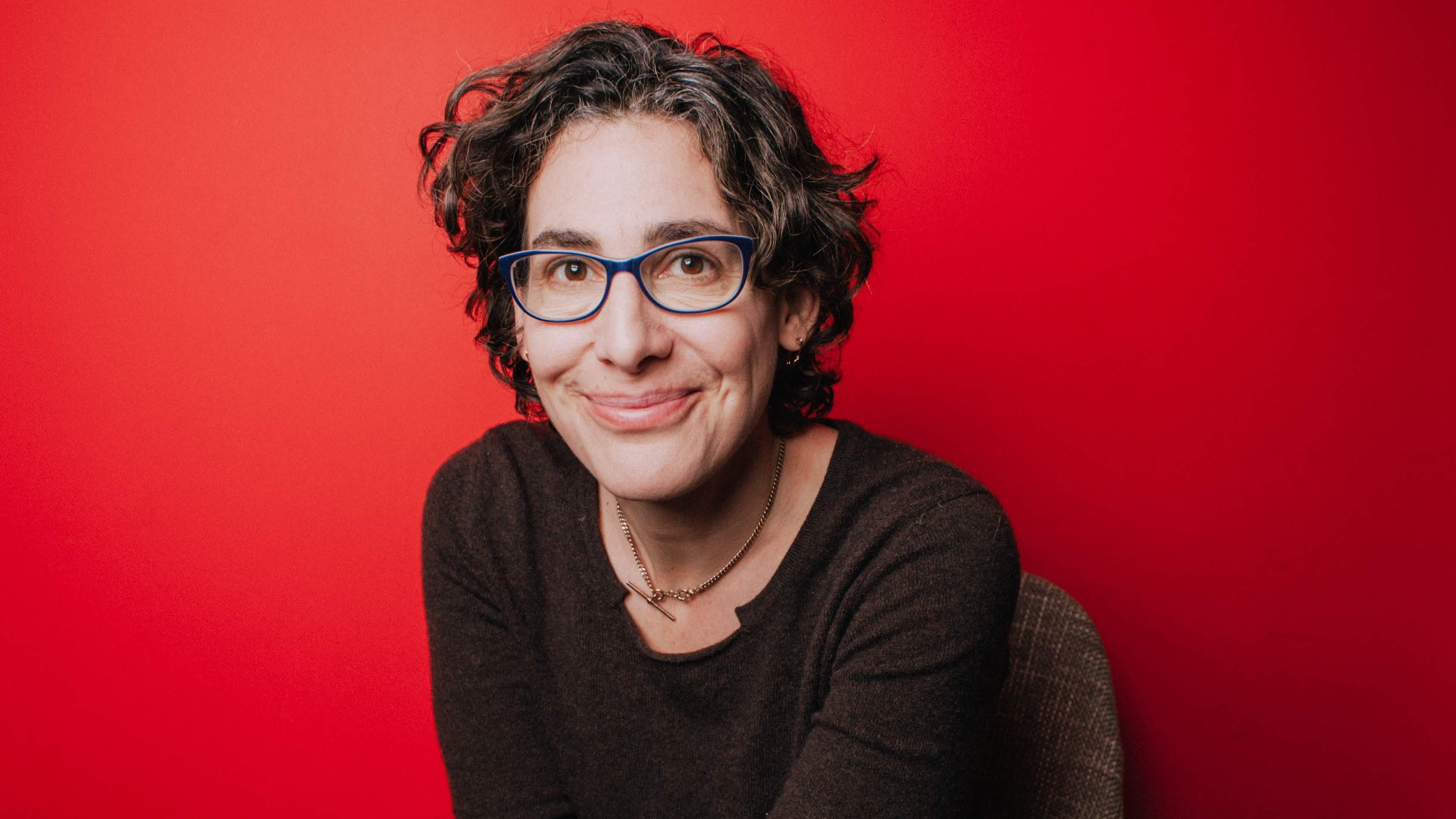
In 2022, a Baltimore City Circuit Court judge vacated the conviction after prosecutors acknowledged problems with the evidence.
They cited unreliable cell phone data and the failure to disclose evidence about another suspect.
The state later dropped all charges.
What the verdict settled, the appeals did not.
Whether Syed is guilty or innocent is not established.
He has maintained his innocence throughout.
The record shows a conviction, an appeal, a vacated verdict, and dropped charges.
It does not show what happened in Leakin Park on the night of January 13, 1999.
That remains a question the courts did not answer.
AND THE STORY STILL ISN'T OVER
The state dropped all charges in 2022, and Adnan Syed walked out of prison in September of that year.
He has maintained his innocence throughout.
Hae Min Lee's family has expressed frustration with the legal proceedings, particularly the lack of transparency in the decision to vacate the conviction.
The case gained renewed attention through the podcast *Serial*, hosted by Sarah Koenig.
Rabia Chaudry, a family friend of Syed, brought the case to Koenig's attention.
The podcast raised questions about the evidence and the conviction, and it sparked widespread debate about the criminal justice system.
The case remains controversial, with many questions about the reliability of the evidence used to convict him.
The cell phone records were challenged. The alibi witness was never contacted. The other suspect was not disclosed.
What remains is the note.
Who wrote the anonymous note, and whether it was truthful, is not established in the source.
Its author, its intent, its accuracy — the record does not explain any of it.
That note directed police to Jay Wilds.
Wilds led police to the car. Wilds testified. Wilds's testimony became the backbone of the case.
No DNA, no fingerprints, no physical evidence linked Syed to the crime scene.
The record shows a conviction, an appeal, a vacated verdict, and dropped charges.
It does not show what happened in Leakin Park on the night of January 13, 1999.
That remains a question the courts did not answer.
The note remains a question too.
Advertisement
You may also like
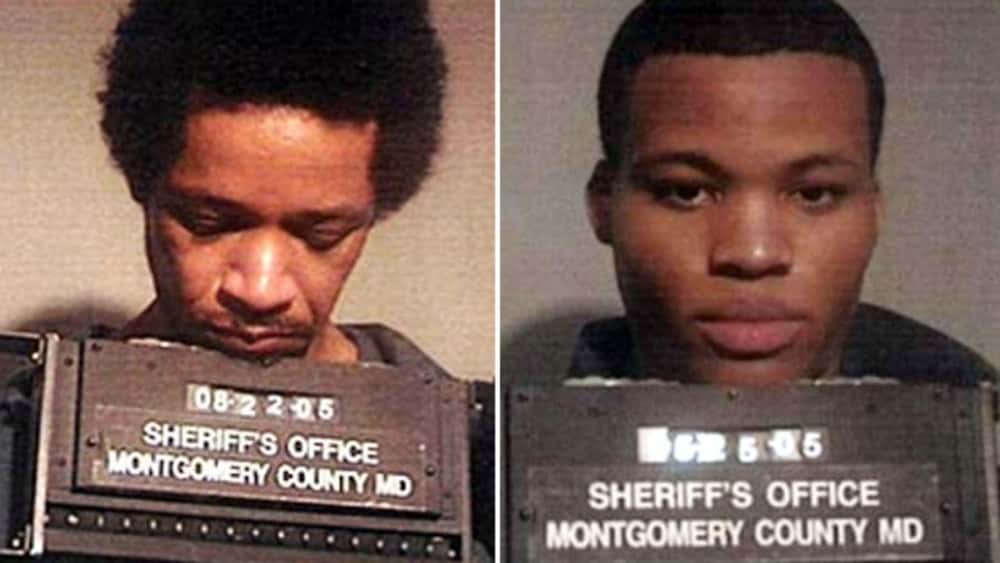
The tarot card left at a D.C. sniper crime scene that said 'Call me God'
The card was on the ground at a crime scene in Montgomery County. A tarot card, face up, with a message written across it:…
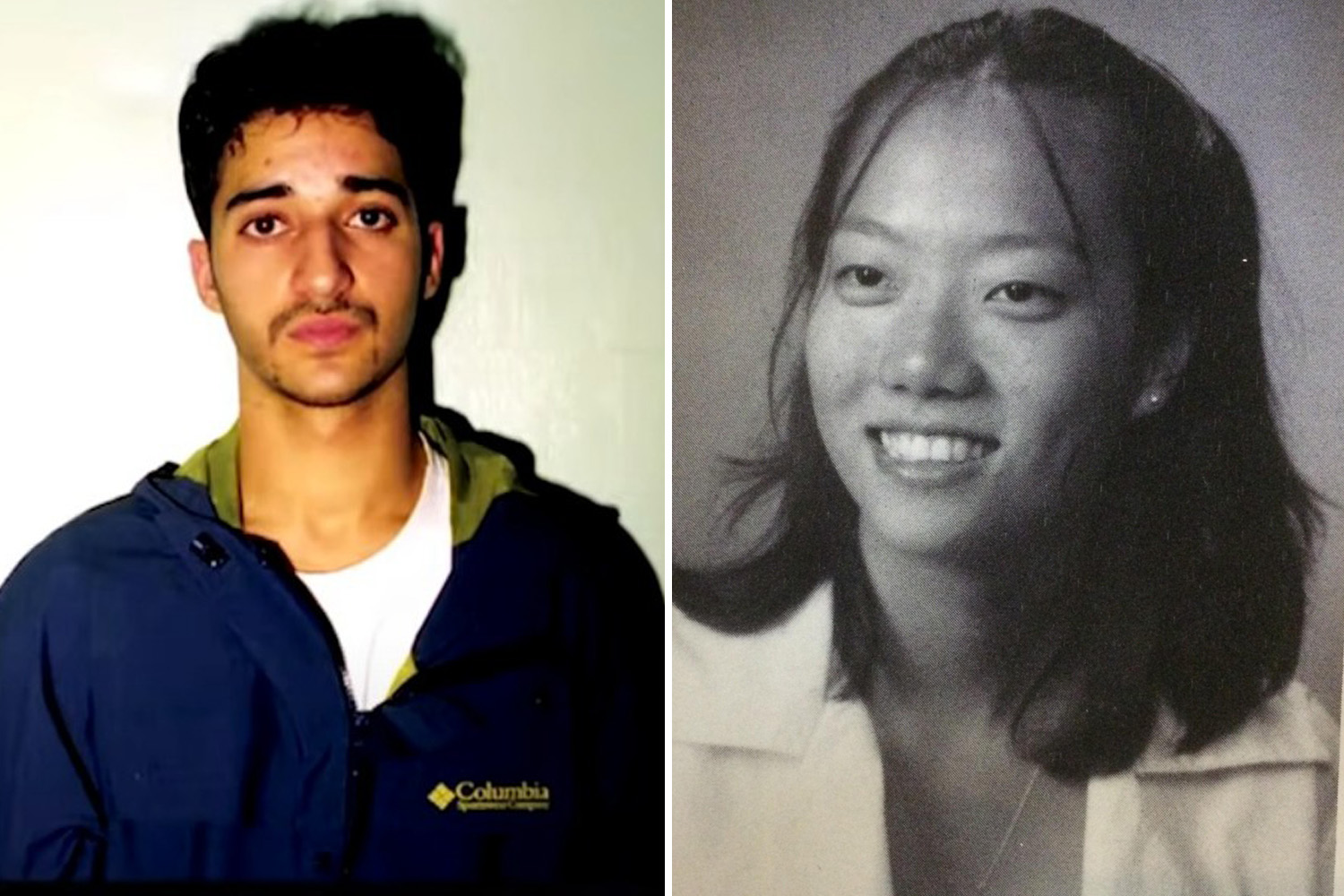
The cell phone records that placed a suspect near Leakin Park — but one witness kept changing his story
January 13, 1999, was a school day. Hae Min Lee, an 18-year-old senior at Woodlawn High School in Baltimore County, Maryland, was last seen…
The parole agent who saw a sketch and stopped a car — then Polly Klaas's killer led police to her body
The parole agent saw the car first. A sketch, a tip, and a car on the road — that was the break. On November…
The cellmate tip that cracked the Clutter case after investigators ignored a footprint
The footprint was there on the night of November 15, 1959, inside the farmhouse near Holcomb, Kansas. Four members of the Clutter family were…
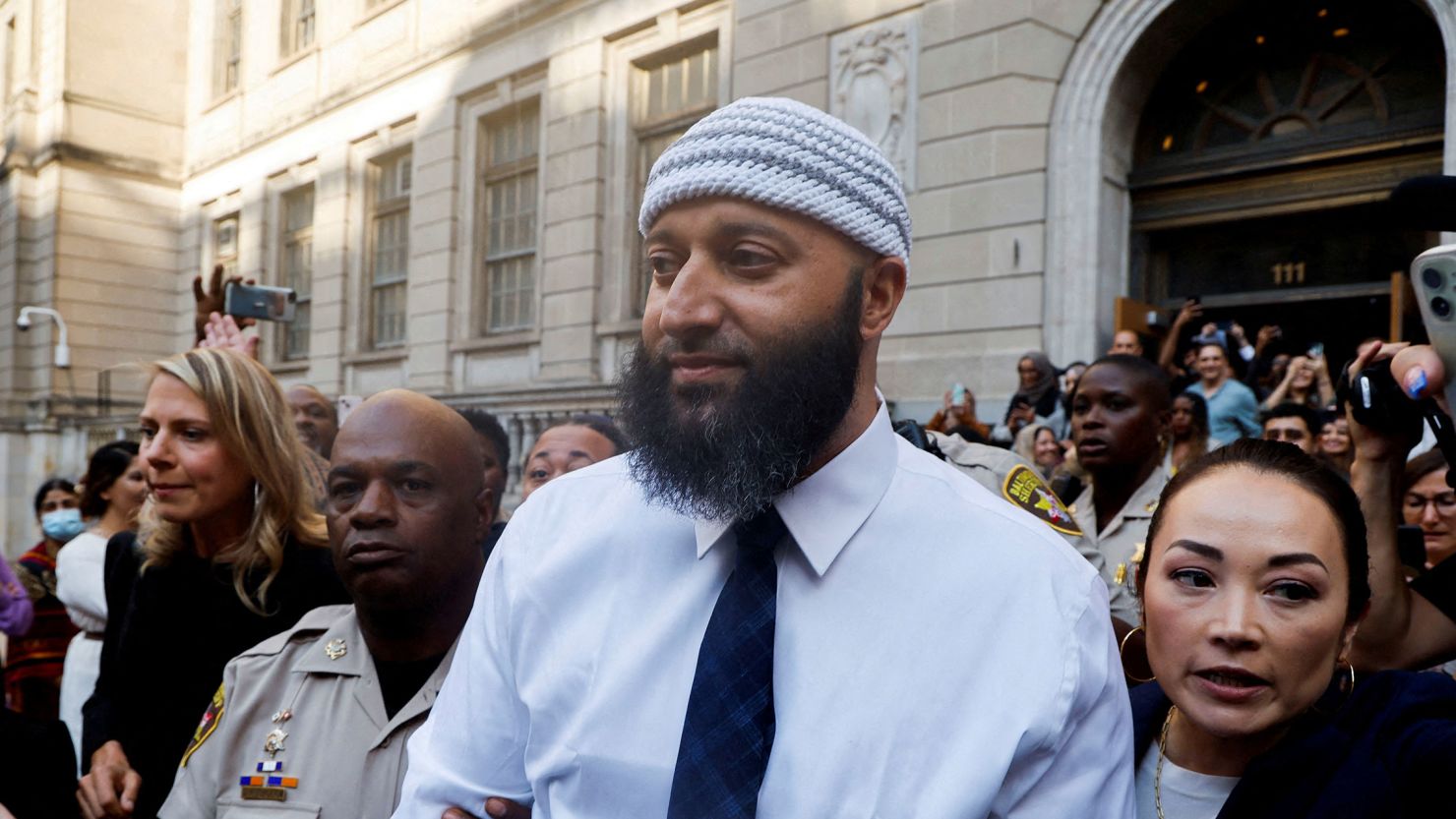
The cell tower records that placed Adnan Syed at Leakin Park — and the witness who changed his story
The phone call came on February 12, 1999. Baltimore County police picked up an anonymous tip that day, and the voice on the line…
The jailhouse informant's testimony that could not save Casey Anthony
She sat in the witness box and testified that Casey Anthony had made incriminating statements while in jail. Her name was Robyn Adams, a…