The psychologist's tape that turned a Beverly Hills double murder into a confession
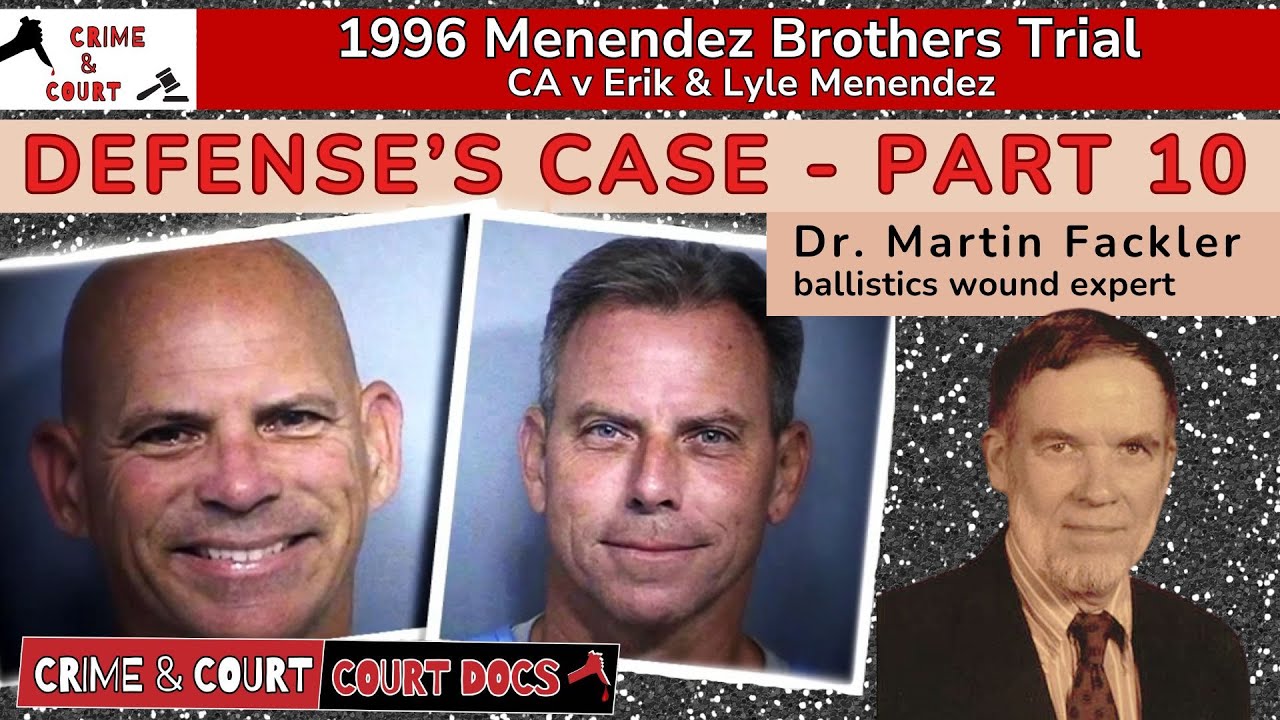
The tape exists.
Dr. Jerome Oziel, the brothers' psychologist, testified that Erik confessed to the murders during a session.
That testimony is on the record.
Judalon Smyth, Oziel's former patient, told police about the confession.
That tip led to the arrests in March 1990.
The confession was recorded on tape.
The source does not specify the exact contents of that tape.
It does not give the recording's length.
It does not quote a single word from it.
What was said, in what order, in what tone — the record does not say.
Online theories circulate about the tape.
Some claim Erik's voice breaks at a certain moment.
Some claim a specific phrase proves a motive.
None of that is established.
The tape is a fact. What is on it, word for word, is not.
That would require the tape itself, or a transcript, or testimony quoting it.
The record offers none of those.
So the tape holds the key, and the key's shape is unknown.
It is a single object that ended months of a stalled investigation.
It is also a blank space where the public has projected its own scripts.
The brothers drove home from a movie theater that night and called 911.
For months, the case went unsolved.
Then a psychologist's patient talked.
Then a tape existed.
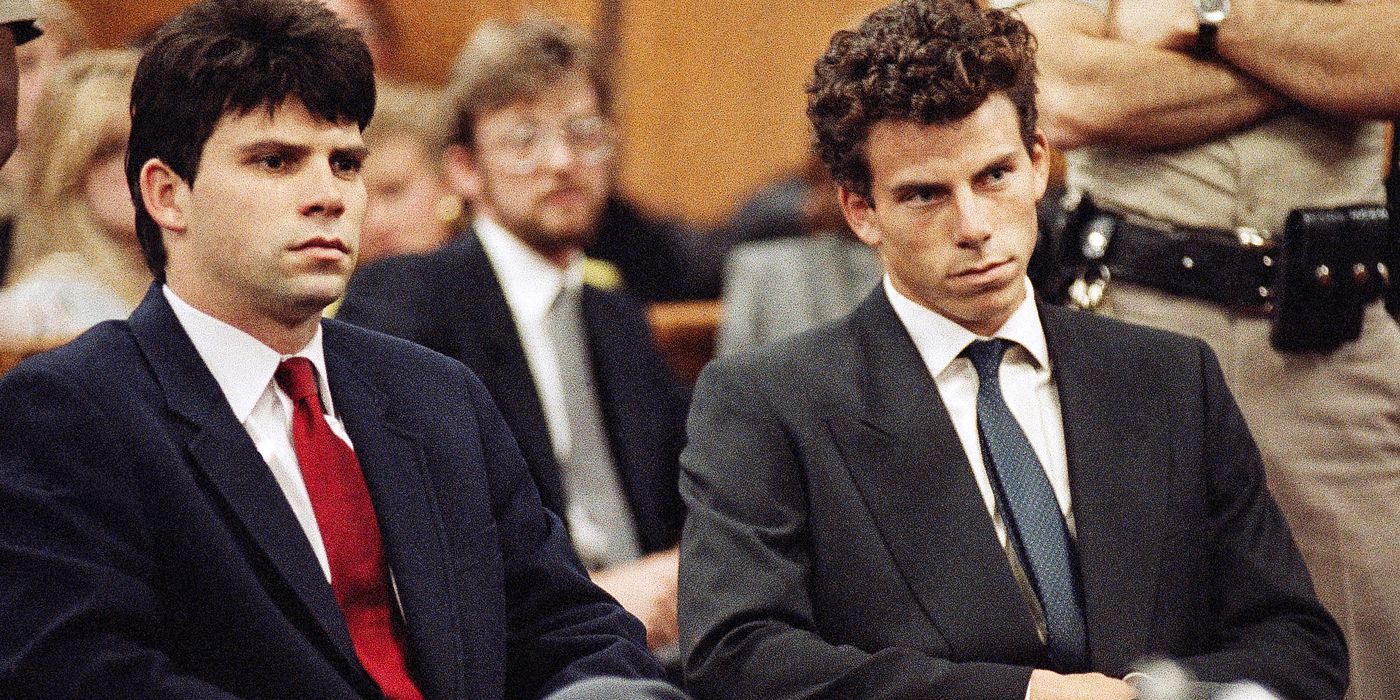
Then two brothers were arrested.
What exactly the tape captured remains, in the documented record, unspoken.
THE NIGHT OF AUGUST 20, 1989
On the evening of August 20, 1989, Lyle and Erik Menendez shot and killed their parents, José and Kitty Menendez, in the family room of their Beverly Hills mansion.
The brothers drove to a movie theater.
Then they returned home and called 911, claiming they had discovered the bodies after coming back from the cinema.
The parents had been shot multiple times with shotguns.
Two shotguns had been purchased by the brothers days before the murders, according to purchase records.
The exact time of the shootings is not specified in the source.
The sequence of events inside the house is not specified in the source.
What is documented is the purchase.
What is documented is the alibi.
What is documented is the call.
A family room.
Two shotguns.
A movie that may or may not have been watched.
The 911 call came after the theater, before the arrest, and the record holds the order of those facts but not the minutes between them.
Forensic evidence established the weapons.
Purchase records established the timing.
The brothers' own statements established the story of the cinema.
Not because the record says otherwise.
But because the record says nothing more.
Did they plan it?
Did they argue first?

Did their parents see them raise the guns?
That would require evidence the source does not provide.
The Beverly Hills Police Department found shotgun shells at the scene but no clear motive, according to the case record.
The investigation initially treated the killings as a mob-style hit.
José Menendez had business connections.
The sons had bought shotguns days earlier.
The parents were dead on the floor of their own home.
The brothers were the ones who called it in.
THE INVESTIGATION STALLS
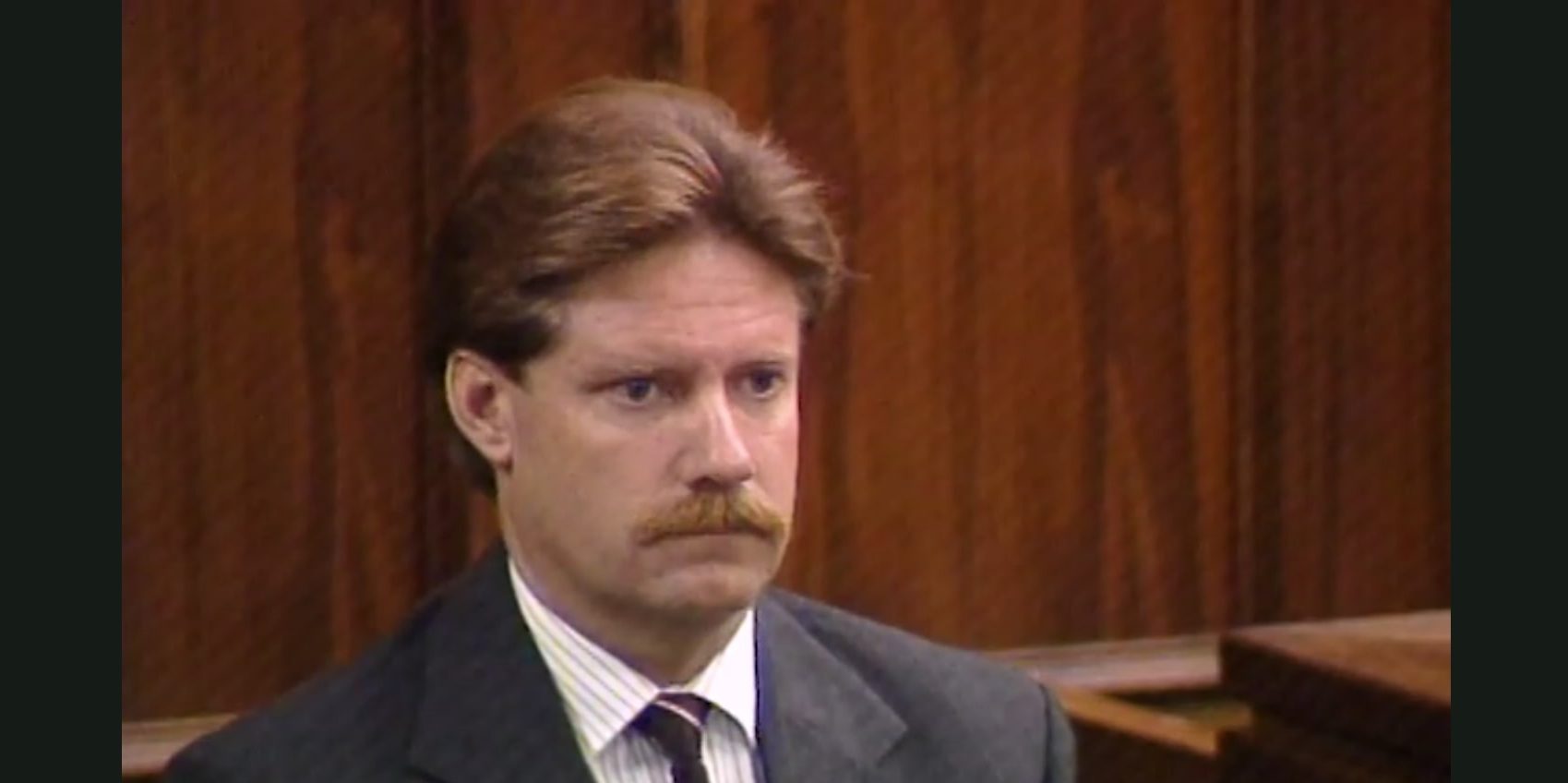
Detective Leslie Zoeller of the Beverly Hills Police Department led the initial investigation.
The killings were treated as a mob-style hit, because José Menendez had business connections.
Detectives found shotgun shells at the scene.
They found no clear motive.
The case went unsolved for several months.
The house had been a fortress of wealth; the crime looked like an execution.
Forensic evidence placed the shots in the family room, but it placed no one else there.
The brothers told police they had been at a movie theater.
They returned home and called 911, claiming they had discovered the bodies.
Nothing about the scene pointed to the sons.
Not the weapons, which were gone.
Not the shells, which were common.
Not the victims' business affairs, which offered many possible enemies.
So the investigation stalled.
It stalled the way a case stalls when the evidence names no one.
The brothers bought Rolex watches.
They bought a Porsche.
They bought other luxury items.
The prosecution would later point to these purchases as evidence of motive.
The spending drew suspicion, according to the prosecution's case.
But suspicion is not a finding.
The exact timeline of when investigators first began to suspect the brothers is not specified in the source.
What is documented is the stall.
Weeks passed.
The parents were dead.
The sons were spending.
The case record shows no arrest, no charge, no public suspect.
The killers, whoever they were, seemed to be getting away with it.
They were not far away.
They were buying watches.
THE CONFESSION AND THE ARREST
The breakthrough came months later, from inside a psychologist's office.
Dr. Jerome Oziel, the brothers' psychologist, testified that Erik confessed to the murders during a session.
Oziel's former patient, Judalon Smyth, told police about the confession.
The confession was recorded on tape, according to testimony.
What the tape says, exactly, is not detailed in the source.
Whether it was recorded at all, and if so, how, is not established.
The record shows a confession was reported.
The record does not show its full contents.
:max_bytes(150000):strip_icc():focal(749x0:751x2)/pamela-bozanich-menendez-trial-100724-3-4020c329cace46f0917d36d6ad7e7962.jpg)
Smyth's testimony carried the confession out of the office and into the Beverly Hills Police Department.
The lead detective, Leslie Zoeller, had a cold case.
He had shotgun shells and no motive.
He had a mob-style theory and no arrests.
Then he had a psychologist's account of a son describing the murders.
The brothers were arrested in March 1990.
The arrest record is the document.
The confession was the cause.
The defense argued the confessions were coerced.
Jill Lansing, for Lyle, and Leslie Abramson, for Erik, made that argument.
Coerced by whom, and how, was their claim.
The prosecution's case leaned on the confession.
The prosecution's case leaned on the spending sprees.
The brothers bought Rolex watches.
They bought a Porsche.
They bought them after the murders, with the parents dead.
Was the confession a true account?
Was it a product of pressure?
That would require evidence.
The tape, if it exists, holds the answer.
The source does not say what it holds.
The confession turned a cold case into an arrest.
It did not turn the arrest into a settled story.
That would come later, in courtrooms, over years.
AND THE STORY STILL ISN'T OVER
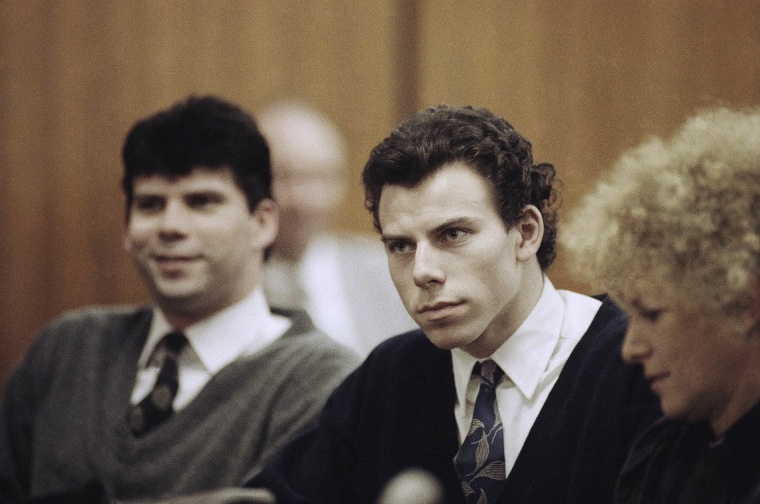
The first trial ran from 1993 to 1994.
It was televised. It became a media sensation.
The jury deadlocked on all counts, and the judge declared a mistrial.
The defense argued the brothers acted in fear of their father after years of abuse.
The prosecution, led by Deputy District Attorney Pamela Bozanich, argued the murders were about greed and inheritance.
A second trial began in 1995, presided over by Judge Stanley Weisberg.
Judge Weisberg applied stricter evidentiary rules.
Much of the abuse testimony was excluded from the second trial.
In 1996, the jury convicted both brothers of first-degree murder.
They were sentenced to life in prison without the possibility of parole.
The appeals followed.
They have been unsuccessful, according to the appellate record.
Lyle Menendez remains at the Richard J. Donovan Correctional Facility.
Erik Menendez remains at Mule Creek State Prison.
Documentaries and social media have renewed public attention in recent years.
Some advocates now call for resentencing.
No court has overturned their convictions.
The outcome of any pending resentencing motions or hearings is not specified in the source.
The family remains divided, with some relatives supporting the brothers and others opposing any release.
The case is legally closed.
It is publicly unresolved.
The tape that turned a cold case into an arrest now sits inside a larger argument about what the confession meant.
That argument has outlived the trials.
It shows no sign of ending.
Advertisement
You may also like
The tarot card left at a D.C. sniper crime scene that said 'Call me God'
The card was on the ground at a crime scene in Montgomery County. A tarot card, face up, with a message written across it:…
The cell phone records that placed a suspect near Leakin Park — but one witness kept changing his story
January 13, 1999, was a school day. Hae Min Lee, an 18-year-old senior at Woodlawn High School in Baltimore County, Maryland, was last seen…
The parole agent who saw a sketch and stopped a car — then Polly Klaas's killer led police to her body
The parole agent saw the car first. A sketch, a tip, and a car on the road — that was the break. On November…
The cellmate tip that cracked the Clutter case after investigators ignored a footprint
The footprint was there on the night of November 15, 1959, inside the farmhouse near Holcomb, Kansas. Four members of the Clutter family were…
The cell tower records that placed Adnan Syed at Leakin Park — and the witness who changed his story
The phone call came on February 12, 1999. Baltimore County police picked up an anonymous tip that day, and the voice on the line…
The jailhouse informant's testimony that could not save Casey Anthony
She sat in the witness box and testified that Casey Anthony had made incriminating statements while in jail. Her name was Robyn Adams, a…