The cyanide-laced Tylenol bottle that broke a family apart — and a case that never closed

The letter arrived at Johnson & Johnson in the fall of 1982.
It demanded $1 million to stop the poisonings.
Seven people in the Chicago area were already dead.
They had taken Extra-Strength Tylenol capsules laced with potassium cyanide.
The first victim was a 12-year-old girl from Elk Grove Village.
She died on September 29 after taking the capsules for a cold.
That same day, a 27-year-old postal worker from Arlington Heights died after taking the same product.
The letter was a key piece of evidence.
It promised to end the killings.
It did not name the killer.
It led to the extortion conviction of James Lewis.
He was convicted in 1983 and sentenced to 10 years in prison.
He served about 12 years.
He was never charged with the murders.
He maintained he had no involvement in the deaths.
The case remains officially unsolved.
No one has ever been charged.
The identity of the person who actually laced the capsules is not established.
The letter is documented.
The killer is not.
The bottles were tampered with after leaving the manufacturer, investigators concluded.
The cyanide was odorless and tasteless.
The capsules were widely distributed.
The letter promised to stop it.
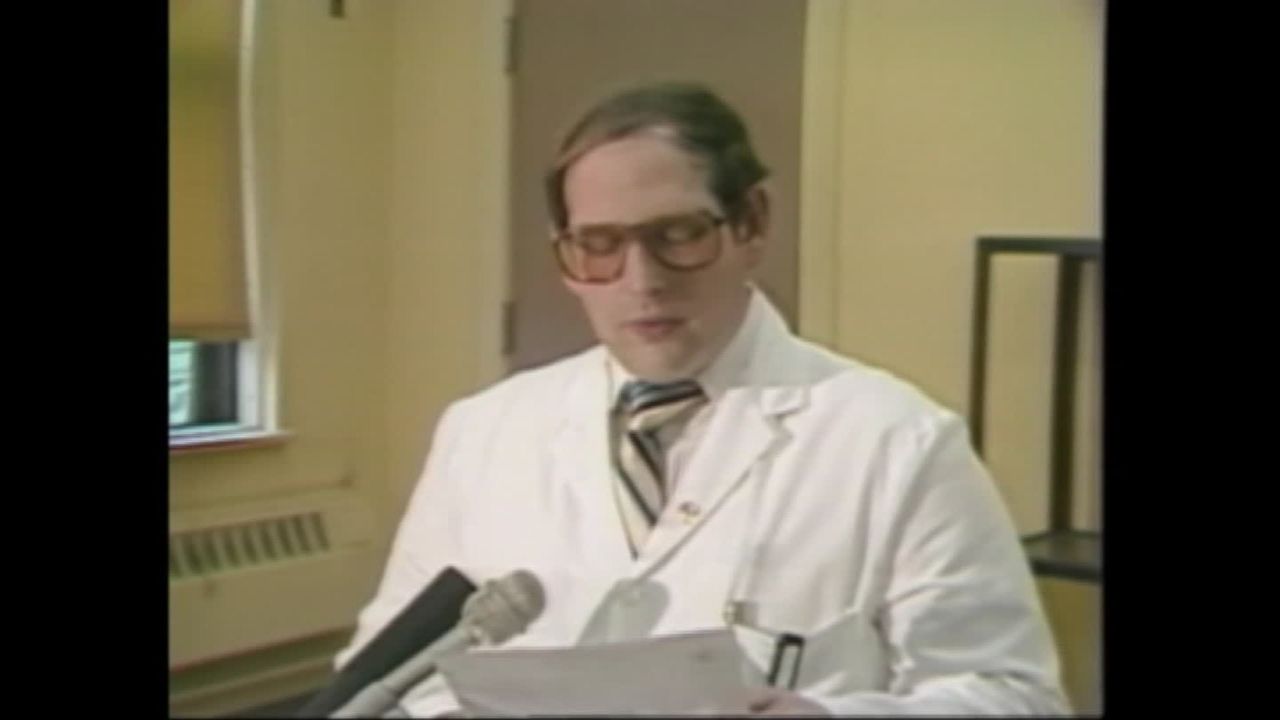
The poisonings stopped.
The mystery did not.
THE FIRST DEATHS
The first victim was 12 years old.
She took Extra-Strength Tylenol for a cold on September 29, 1982, in Elk Grove Village.
She died that same day.
So did a 27-year-old postal worker from Arlington Heights.
He took the same product, the same day.
Over the following days, his brother and sister-in-law, both of Lisle, also died after taking capsules from the same bottle.
A woman from Elmhurst died.
A woman from Chicago died.
A woman from Winfield died.
Seven people in all, across the Chicago area, within a week.
Paramedics and doctors noticed the pattern first: sudden, unexplained deaths, close together.
Investigators linked the deaths to Tylenol capsules.
The bottles came from different stores.
The capsules inside them contained potassium cyanide.
The cyanide was odorless and tasteless.
The bottles had been opened, poisoned, and put back.
The exact timeline of when each victim purchased their bottle is not in the record.
What is in the record: the bottles were traced to specific batches.
What is also in the record: investigators found no evidence of tampering at the Johnson & Johnson plant.
The poison was added after the bottles left the factory, likely in retail stores.
The first death was a child with a cold.

The second was a postal worker with a headache.
The third and fourth were a brother and sister-in-law sharing one bottle.
The pattern was the clue.
The clue was the product.
The product was everywhere.
THE INVESTIGATION
Paramedics and doctors noticed the pattern first.
Sudden deaths, unexplained, all in the same days.
The pattern was the clue.
The clue was the product.
Investigators linked the deaths to Tylenol capsules.
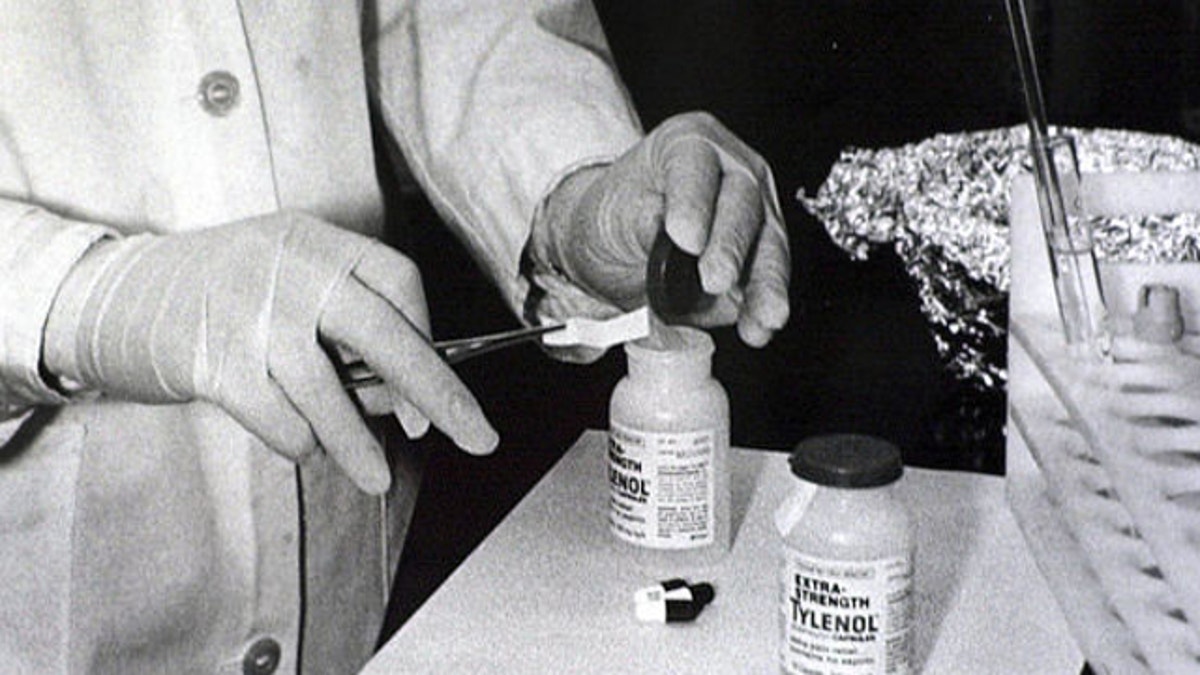
They found bottles from different stores, different shelves, containing capsules laced with cyanide.
The FBI and local police traced those bottles to specific batches.
They found no evidence of tampering at the Johnson & Johnson plant.
Not at the factory.
Not in the machinery.
Not in the distribution line.
Investigators concluded the poison was added after the bottles left the factory.
Likely in retail stores, they said.
Likely, because the exact retail locations where the tampering occurred are not specified in the record.
The cyanide was odorless and tasteless.
The capsules were widely distributed.
That combination complicated everything.
Every bottle was a suspect.
Every store was a potential scene.
The investigation was hampered by the lack of surveillance footage.
It was hampered by the fact that the tampering occurred in multiple locations.
It was hampered by a poison that left no trace on the tongue.
They analyzed the cyanide.
They analyzed the capsules.
They traced batches and checked factories.
The forensic work was extensive.
It was also full of dead ends.
The poison was added somewhere.
The record does not establish where.
The record does not establish who.
It establishes only that the bottles left the factory intact, and that somewhere between the plant and the victims, the capsules were changed.
That would require evidence.
That evidence was never found.
THE EXTORIONIST
A man named James Lewis saw the poisonings and saw an opportunity.
He wrote to Johnson & Johnson and demanded $1 million to stop the killings.
He claimed responsibility for the poisonings in that letter.
The letter was a key piece of evidence.
It led to his conviction for extortion in 1983.
He was sentenced to 10 years in prison.
He served about 12 years.
Lewis was never charged with the murders.
He maintained he had no involvement in the deaths.
The letter demanded money. It did not demand an investigation.
It did not name a co-conspirator. It did not describe the cyanide.
It did not place him in a store. It did not place him near a bottle.
That would require evidence.
Whether James Lewis was involved in the actual poisonings is not established by the record.
The extortion conviction proved he tried to profit from tragedy.
It proved nothing about the capsules.
The case remains officially unsolved.
There was no trial for the murders because no one was ever charged.
The letter bought him prison time. It bought him nothing else.
AND THE STORY STILL ISN'T OVER
The Tylenol murders remain unsolved.
No one was ever charged.
James Lewis was released from prison.
He died in 2023.
The case changed the industry anyway.
Tamper-evident packaging became standard.
Federal anti-tampering laws were passed.
The victims' families kept asking.
No new leads emerged.
The FBI closed its investigation in the 1980s.
The media revisits the case now and then.
A documentary asks if Lewis did it.

A podcast re-runs the timeline.
A forum thread names a suspect.
None of that is in the record.
No new leads, no new suspects, no new evidence — that would require files.
What remains is the letter.
The extortion conviction stands.
The murders do not.
The families were left with questions.
The investigators were left with a closed file.
The public was left with a safer bottle.
It is a solved extortion case.
It is an unsolved murder case.
It is both, and neither resolves the other.
The cyanide was odorless.
The capsules were everywhere.
The tampering happened after the factory.
That is what investigators concluded.
That is all they concluded.
Lewis maintained he had no involvement.
He was never charged with the deaths.
He served his time for the letter.
The letter demanded $1 million.
The letter bought him prison time.
It bought him nothing else.
The case remains open in the way cold cases are open.
Which is to say, it remains closed.
The victims' families have continued to seek answers.
The record does not provide them.
Advertisement
You may also like
The cotton gin fan tied to Emmett Till's neck — and the evidence that didn't convict
The Tallahatchie River gave up its weight on August 31, 1955. Emmett Till's body surfaced with a cotton gin fan tied to his neck…
A Splash in the Chattahoochee — the Fiber Evidence That Tied Wayne Williams to Two Murders
The bridge over the Chattahoochee was quiet that night in May 1981. Police had staked it out after a tip, waiting on the dark…
The slumber party interrupted: Polly Klaas's last night before the intruder came
The party was a sleepover. Three girls, twelve years old, in the bedroom of a house in Petaluma, California. It was October 1, 1993.…
The .40-caliber pistol traced to New Jersey that linked Andrew Cunanan to Versace's killing
A .40-caliber pistol ended Gianni Versace’s life on the steps of his Miami Beach mansion. That same pistol had been stolen from a prior…
The modified Caprice trunk that hid a shooter from sight during the 2002 sniper attacks
The trunk of a white Chevrolet Caprice opened like a door to nothing. A shooter could lie flat inside, fire through a hole, and…
The door handle that caught a serial killer: inside the DNA hunt
The door handle was on a car parked outside a house in Citrus Heights, California. In 2018, investigators obtained a discarded sample of DNA…