The cotton gin fan tied to Emmett Till's neck — and the evidence that didn't convict
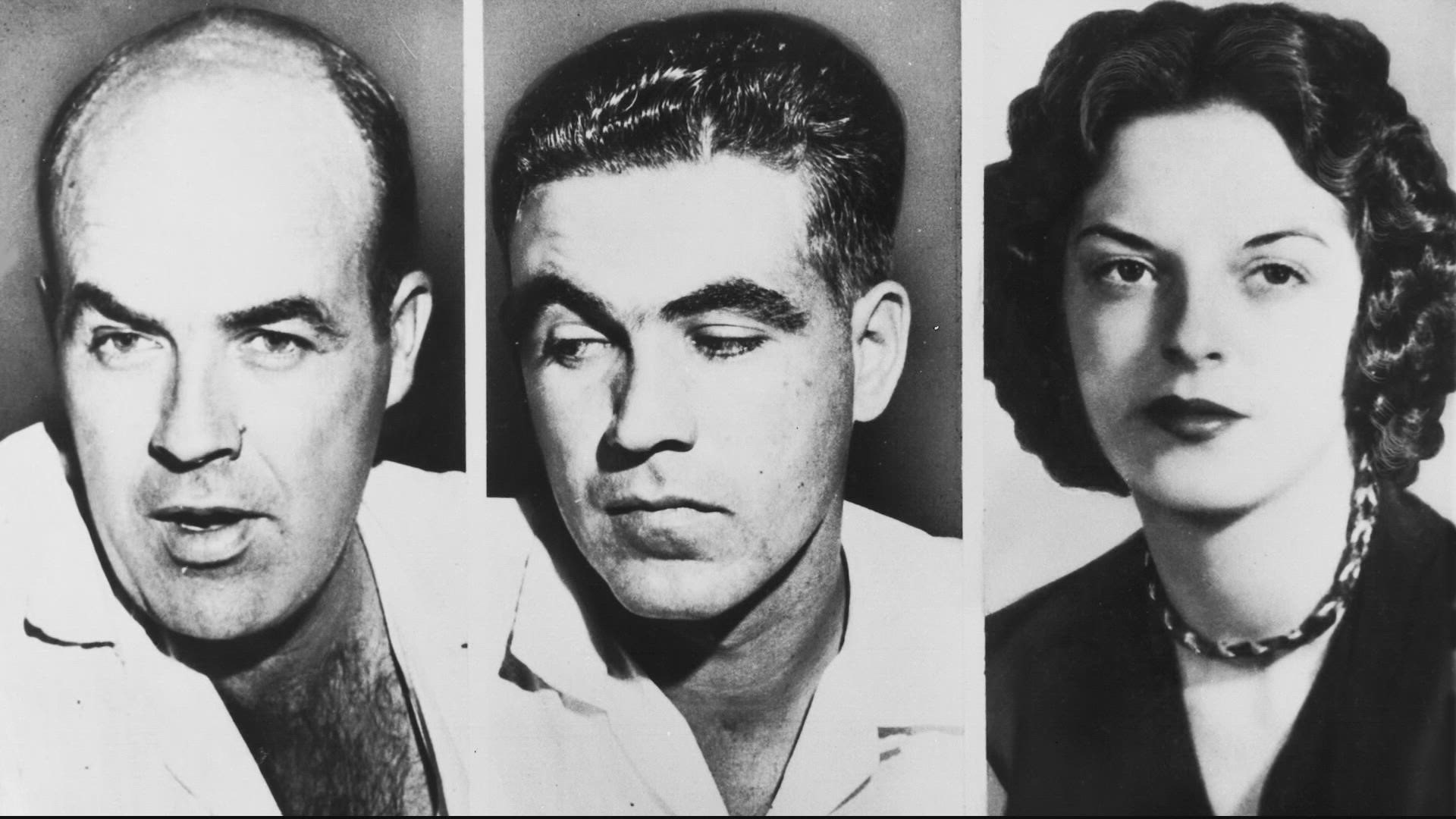
The Tallahatchie River gave up its weight on August 31, 1955.
Emmett Till's body surfaced with a cotton gin fan tied to his neck with barbed wire.
The fan was traced to a gin near the Milam property.
The trace was clear.
The trail was not followed.
Investigators did not pursue the link aggressively.
The exact origin of the fan is not established beyond that trace.
The murder weapon was never recovered.
The sheriff publicly doubted the body was Till's.
He claimed it had been planted.
He said so out loud, in the days when the case should have been closing.
The body was in the river.
The fan was on the body.
The fan came from a gin near the Milam property.
The weapon was gone.
Why did the evidence point so clearly?
Why did the investigation stop short?
Why did the sheriff's doubt outweigh the fan?
That would require evidence.
The record does not supply it.
THE WHISTLE AND THE ABDUCTION
Four days before that, on August 24, 1955, a 14-year-old Black boy from Chicago walked into a small grocery store in Money, Mississippi.
The store was Bryant's Grocery and Meat Market.
The clerk was Carolyn Bryant, a white woman.
What the boy said or did inside the store is not established.
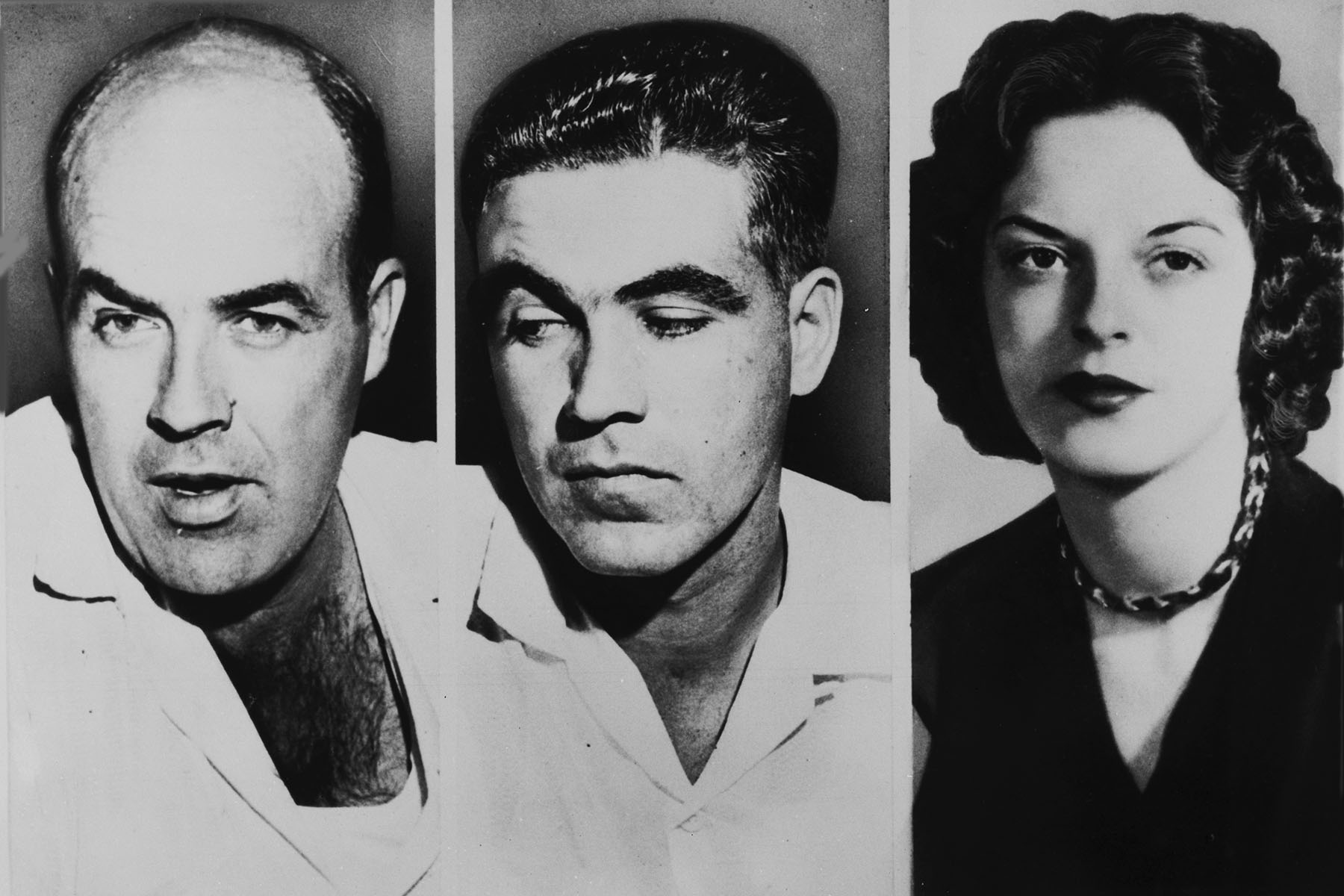
The whistle is alleged.
The record does not say whether he whistled, what he remarked, or if he said anything at all.
Emmett Till was visiting relatives in Money for the summer.
He was from Chicago.
He was in the Delta for a few weeks.
On August 28, in the middle of the night, two men came to his great-uncle's home.
Moses Wright, the great-uncle, testified that the two men took Till from the house.
He testified that they came armed.
He testified that they took the boy.
He testified that he knew one of them by voice, and by name.
The men were Roy Bryant and J.W. Milam, the husband and half-brother of the store clerk.
Carolyn Bryant did not testify at the 1955 trial about the alleged whistle.
That fact came later.
In a 2007 interview with historian Timothy Tyson, she recanted her claims about what happened in the store.
What exactly Till did or said remains unclear.
The whistle is a theory built on an allegation.
The abduction is documented.
The witness stood in a courtroom and named the men who took his great-nephew.
The small act and the violent response sit side by side in the record.
One is alleged.
One is sworn to.
THE SHED AND THE BODY
The strongest evidence the prosecution had came from a Black farmhand named Willie Reed.
Reed testified that he saw Milam and Bryant at a shed, and that from inside he heard a beating.
He testified that he saw a Black man being beaten.
That was the shed where the prosecution said Till was killed, or at least where he was hurt.
The exact sequence of events at the shed is not established beyond Reed's testimony.
The body itself was identified by Moses Wright, Till's great-uncle, who had witnessed the abduction.
He had watched the two men take the boy from his home in the middle of the night.
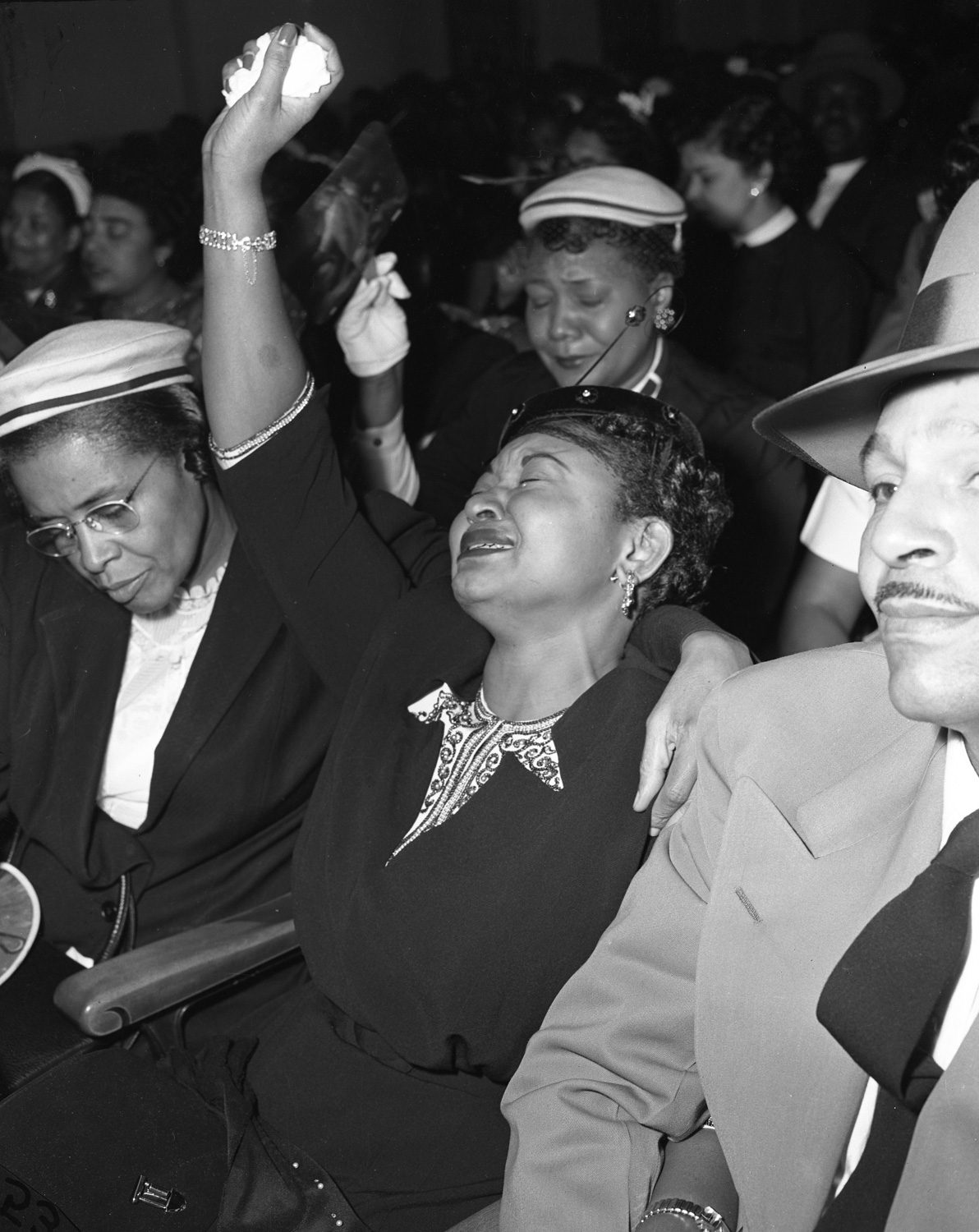
In Chicago, Emmett Till's mother, Mamie Till Mobley, identified the body by a ring bearing his father's initials.
The body had been severely beaten and shot in the head.
The cotton gin fan tied to the neck was traced to a gin near the Milam property.
Investigators did not pursue that link aggressively.
The murder weapon was never recovered.
Reed was a sharecropper testifying against white men in a Mississippi courtroom.
His testimony placed the accused at the scene of a beating.
It placed a Black man in their company at the time Till disappeared.
It was circumstantial.
It was also the closest the prosecution came to a direct account of what happened inside that shed.
What happened inside remains a matter of one man's word.
The state built its case on what Reed saw and what he heard.
The jury heard it too.
They deliberated for 67 minutes.
THE TRIAL AND THE ACQUITTAL
The trial began on September 19, 1955, in Sumner, Mississippi.
Roy Bryant and J.W. Milam were charged with murder.
The prosecution called Moses Wright, who had watched the two men take Till from his home.
The prosecution called Willie Reed, who said he saw the men at the shed where a beating happened.
The defense argued the body was not Till's.
The defense argued the prosecution had failed to prove its case.
The sheriff had already said the body was planted, and the defense leaned on that doubt.
The all-white, all-male jury heard the witnesses.
They deliberated for 67 minutes.
They returned a verdict of not guilty for both men.
The verdict is not a statement of innocence.
The jury's reasoning is not in the record.
That record shows only the time, the verdict, and the silence that followed.
The acquittal sparked national and international outrage.
Then, months later, the men sold their story to Look magazine for $4,000.
In the paid interview, Milam and Bryant admitted to kidnapping, beating, and killing Till.
They said they had meant only to scare him.
They said they killed him when he refused to beg for mercy.
They could admit it because they had been acquitted.
Double jeopardy protected them from being tried again.
The confession was published in January 1956.
No conviction ever followed it.
The admission was not evidence in a courtroom.
It was a transaction.
It was a truth sold after the law had already let them walk.
AND THE STORY STILL ISN'T OVER
In 2004, the U.S. Department of Justice reopened the case.
The FBI exhumed Till's body and confirmed the cause of death: a gunshot wound to the head.
That confirmation matched what the defense had argued against in 1955.
It matched what the jury had chosen not to believe.
In 2007, a grand jury in Mississippi declined to indict anyone.

It declined to indict Carolyn Bryant, who had recanted her testimony.
The recantation was not new evidence in a courtroom.
It was a statement to a historian, made decades after the trial.
In 2017, the U.S. Department of Justice announced it was closing the case.
No new charges.
In 2023, an unserved arrest warrant for Carolyn Bryant was discovered in a Mississippi courthouse.
A grand jury declined to act on it.
Roy Bryant died in 1994.
J.W. Milam died in 1980.
Carolyn Bryant died in 2023.
Mamie Till Mobley died in 2003.
No one has ever been convicted for the murder.
The men who admitted to the killing were protected by double jeopardy.
The confession was a transaction, sold to a magazine for $4,000.
It was a truth told after the law had already let them walk.
The current status of any further legal action is not established beyond the 2017 closure and the 2023 grand jury decision.
What remains is the record.
What remains is the fan traced to a gin near the Milam property, a lead not pursued.
What remains is the 67-minute deliberation.
What remains is the weight of what was known and what was not acted upon.
The story is not over because the evidence is closed.
The story is not over because the case is closed.
The story is not over because no one was ever convicted.
The story remains open in the way history stays open.
It waits on nothing but acknowledgment.
Advertisement
You may also like
The Avia shoe print that tied a serial killer to his final crime scene
The sole of an Avia athletic shoe left a pattern in the dark. That pattern turned up at more than one crime scene linked…
The floppy disk clue that ended a 30-year hunt for BTK
For more than a decade, the killer had been silent. Then, in 2004, he resumed sending letters and packages to media outlets, according to…
The 1888 letter signed 'Jack the Ripper' that police never proved genuine
A letter arrived at a news agency in late September 1888. It was signed with a name no one had seen before: "Jack the…
Two college students, one gas station, and the gunman who made them kneel
The night of July 19, 1976, in Orem, Utah, began like any other shift at a gas station. Two young men were working the…
The confession that broke the Hillside Strangler case — but one victim's body was found after the trial began
October 18, 1977. A body on a hillside in Los Angeles. She was young. She had been strangled. The medical examiner would confirm the…
The cellmate tip that cracked the Clutter family murders open
Floyd Wells was a prisoner. In late 1959, he told authorities that his former cellmate, Richard Hickock, had described planning a robbery of the…