The slumber party interrupted: Polly Klaas's last night before the intruder came
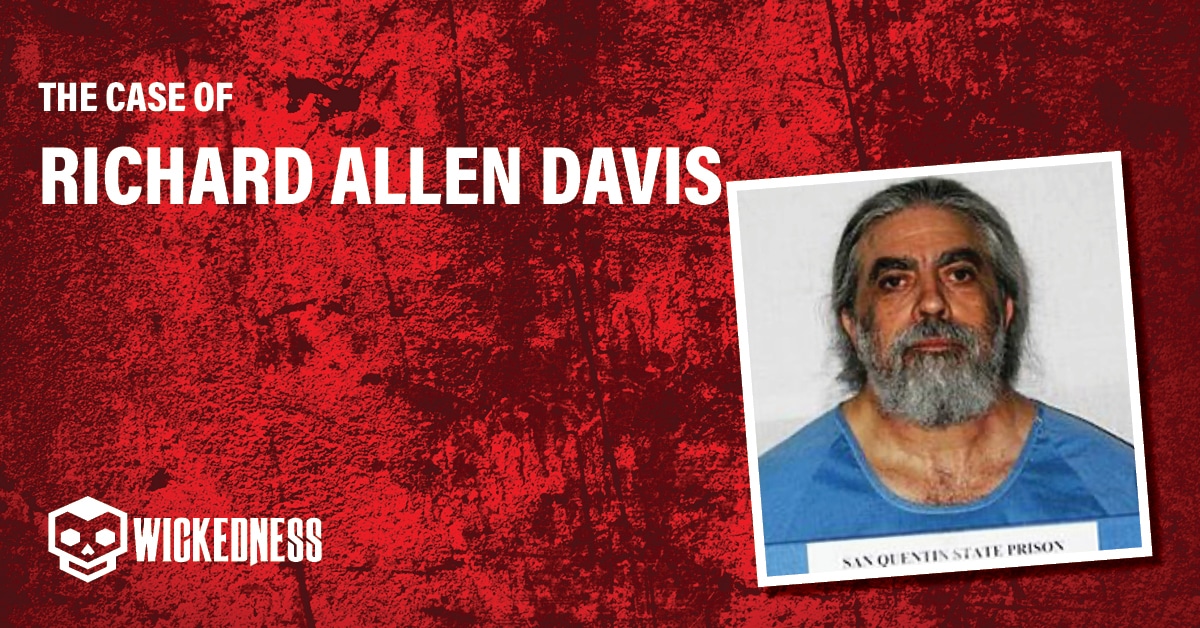
The party was a sleepover.
Three girls, twelve years old, in the bedroom of a house in Petaluma, California.
It was October 1, 1993.
The ordinary had been made sinister by the time Eve Nichol returned home later that evening.
She found the scene.
The two friends were still there, tied up, pillowcases over their heads.
Polly was gone.
The pillowcase is the object that remains in the record.
It is a documented detail, not a theory.
It was there, on a child's head, in a child's bedroom.
The exact method of entry is not established by the record.
The intruder's identity at that moment is not established by the record.
What is established is what Eve Nichol found when she walked in.
What is established is that the party ended.
What is established is that a twelve-year-old was taken.
The room would have been quiet.
The house would have been still.
She was on the ground below, or so the record would later suggest, but that is not yet the story.
The story is the pillowcase.
It is a thing you can hold.
It is a thing that was placed over a face.
It is a thing that was removed, later, somewhere else.
What happened inside that house is not fully known.
What happened after the door opened is not fully known.
What is known is that Eve Nichol came home to a silence that was not the silence of three girls sleeping.
What is known is that the night did not end the way it began.
What is known is that on the night of October 1, 1993, Polly Klaas was having a slumber party with two friends.
And then the intruder came.
THE SEARCH
The search began before the sun came up.
Petaluma Police and the FBI launched a massive manhunt that morning.
Thousands of volunteers answered.
They distributed flyers.
They organized search parties.
They walked the hills and the roads and the orchards around Petaluma.
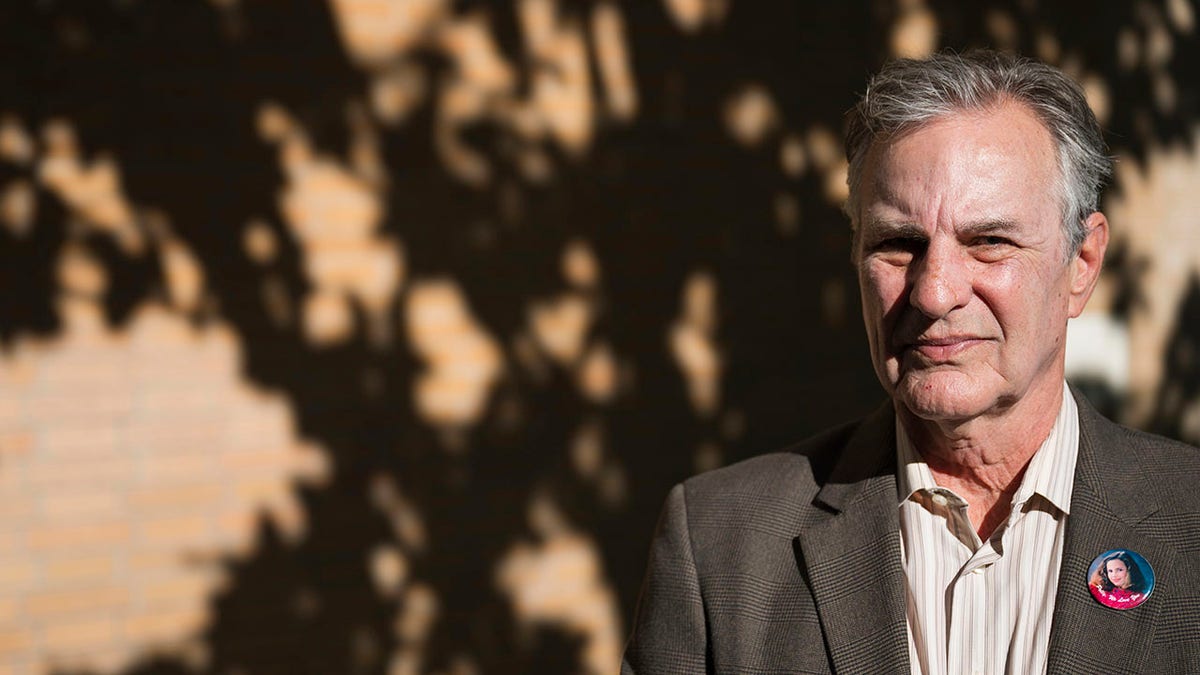
Polly's father, Marc Klaas, stood with them.
Polly's mother, Eve Nichol, stood with them.
They became the public face of a waiting town.
They spoke to cameras.
They asked for help.
They asked for any word at all.
Polly's younger sister, Annie Nichol, was also there.
She was not on the news the way her parents were.
She was a child who lost her sister, and later she spoke about that loss publicly.
The search lasted from October 1 until December 4.
Sixty-four days.
Two months of hope.
Two months of flyers fading on telephone poles.
The exact timeline of the search is not in the record.
The moment the family learned of the discovery is not in the record.
What is in the record is this: on December 4, 1993, Polly's body was found in a wooded area near Cloverdale, California.
She had been strangled.
The hope ended there.
The public advocacy did not.
Marc Klaas kept speaking.
Eve Nichol kept speaking.
Annie Nichol kept speaking.
The search had been massive.
The grief was private.
The waiting was over, and the waiting had been the only thing they could share.
THE ARREST
A parole agent saw the composite sketch and recognized the face.
The face belonged to Richard Allen Davis, a man on parole with a long criminal record.
Davis was arrested on November 30, 1993.
He initially denied involvement.
Then he confessed to the murder, according to the record.

He led investigators to Polly's body.
She was found on December 4, 1993, in a wooded area near Cloverdale, California.
She had been strangled.
Forensic evidence, including fibers and hair, linked Davis to the crime scene.
The specific content of the confession is not detailed in the record.
The exact nature of the forensic links is not detailed in the record.
What is documented is the delay.
Davis had an extensive criminal record.
He had recently been on parole.
The investigation faced criticism for how long it took to identify him as a suspect.
Why did it take so long?
Why was a man with that record out on parole?
Why did a parole agent have to make the call?
The record does not answer these questions.
That would require evidence.
The waiting had been the only thing they could share.
Then the waiting ended, and the grief became something else.
THE TRIAL
The trial opened in Sonoma County Superior Court in 1996.
Richard Allen Davis sat charged with first-degree murder with special circumstances, kidnapping, and burglary.
The prosecution presented his confession, the forensic links, the long criminal history.
The defense argued the confession was coerced and the evidence circumstantial.
What the defense said beyond that, what the prosecution said beyond that, is not in the record.
The jury listened.
They found Davis guilty on all counts.
Then came the penalty phase, and the courtroom turned.
Davis made obscene gestures at the jury.
He made obscene gestures at the family.
The reports of those gestures were widely carried.
The family sat through it.
The judge sentenced him to death.
It is a sentence.
It is not an ending.
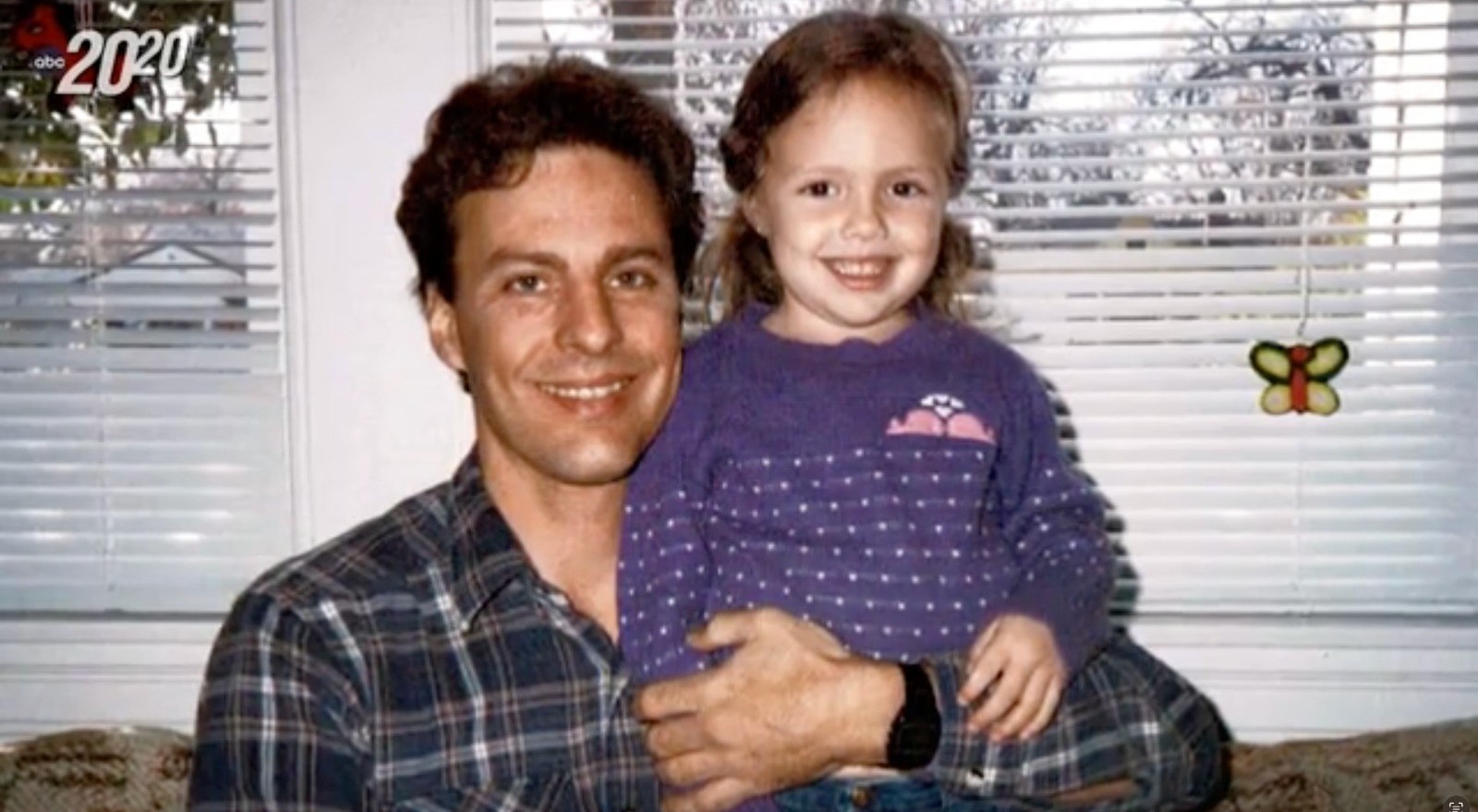
Davis remains on death row, and California has not carried out an execution since 2006.
The family had waited through the search.
They had waited through the arrest.
They had waited through the trial.
What they got was a verdict, a gesture, and a sentence that has not been carried out.
AND THE STORY STILL ISN'T OVER
He remains on death row.
California has not executed anyone since 2006.
The state’s lethal injection protocol is still tied up in legal challenges.
His appeals have been ongoing.
What comes next for Richard Allen Davis is not specified in the record.
There is no upcoming court date on the page.
That would require evidence.
Marc Klaas founded the KlaasKids Foundation.
It works to prevent child abduction and violence.
Eve Nichol has spoken publicly about the case.
She has spoken about her grief.
The family did not stop at the verdict.
The case helped pass California’s “Three Strikes” law in 1994.
Harsher sentences for repeat offenders became the rule.
Polly’s memory has been honored.
There are memorials.
There are foundations in her name.
Her sister has spoken publicly about the loss.
The work continues.
It is the work of people who lost a child.
It is the work of people who refuse to let the story end with a sentence.
The sentence has not been carried out.
The family keeps advocating.
The foundation keeps working.
The memorials stand.
What remains is a waiting.
A waiting that has lasted decades.
A waiting that has no end date in the record.
Advertisement
You may also like
The Avia shoe print that tied a serial killer to his final crime scene
The sole of an Avia athletic shoe left a pattern in the dark. That pattern turned up at more than one crime scene linked…
The floppy disk clue that ended a 30-year hunt for BTK
For more than a decade, the killer had been silent. Then, in 2004, he resumed sending letters and packages to media outlets, according to…
The 1888 letter signed 'Jack the Ripper' that police never proved genuine
A letter arrived at a news agency in late September 1888. It was signed with a name no one had seen before: "Jack the…
Two college students, one gas station, and the gunman who made them kneel
The night of July 19, 1976, in Orem, Utah, began like any other shift at a gas station. Two young men were working the…
The confession that broke the Hillside Strangler case — but one victim's body was found after the trial began
October 18, 1977. A body on a hillside in Los Angeles. She was young. She had been strangled. The medical examiner would confirm the…
The cellmate tip that cracked the Clutter family murders open
Floyd Wells was a prisoner. In late 1959, he told authorities that his former cellmate, Richard Hickock, had described planning a robbery of the…