The D.C. intern whose remains surfaced in Rock Creek Park a year after she vanished
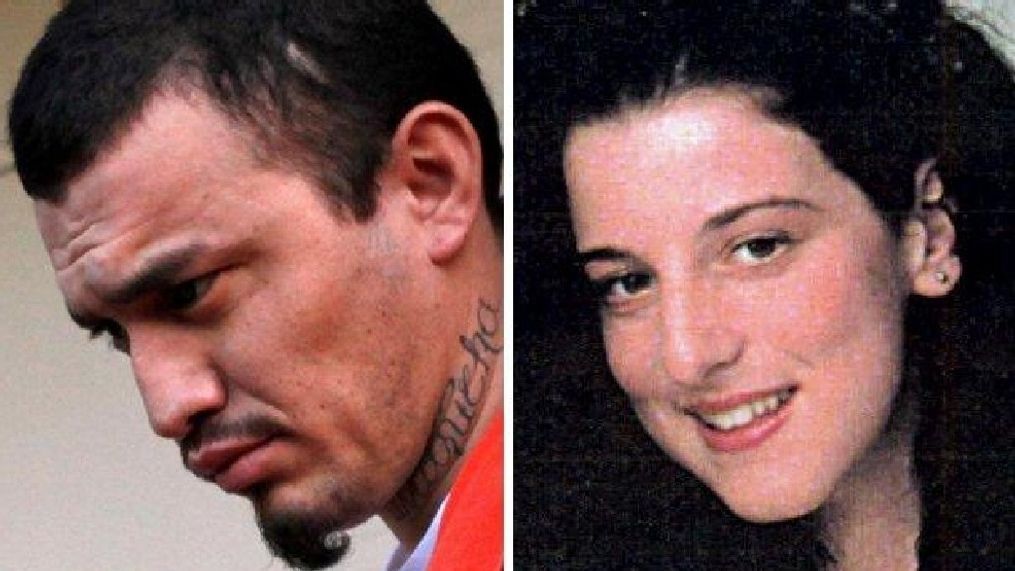
The dog found the bones first.
On May 22, 2002, a man walking his dog in Rock Creek Park, a large urban park in Washington, D.C., came upon human remains.
The remains were identified as Chandra Levy, a 24-year-old intern with the U.S. Bureau of Prisons and a graduate student at Golden Gate University.
She had been missing since May 1, 2001 — over a year before the discovery.
The cause of death was determined to be homicide.
The exact manner of death is not established in the record.
No weapon was ever identified or recovered.
A year of missing-person posters, news conferences, and tip lines ended in a patch of woods where a dog stopped walking.
Who was she?
How did she end up here?
What happened in that year between her last known sighting and the moment the remains surfaced?
That would require evidence.
The park is ordinary.
It is also where two other women had been attacked that same year, according to the record.
But that connection came later.
First came the remains.
Then the identification.
Then the question that would follow the case for two decades.
THE DISAPPEARANCE AND THE CONGRESSMAN
She was last seen at her apartment near Dupont Circle on May 1, 2001.
Her parents, Robert and Susan Levy, were in California.
They reported her missing on May 6 after failing to reach her.
The case drew intense national attention.
It drew attention because Levy had been having an affair with U.S. Representative Gary Condit, a California Democrat.
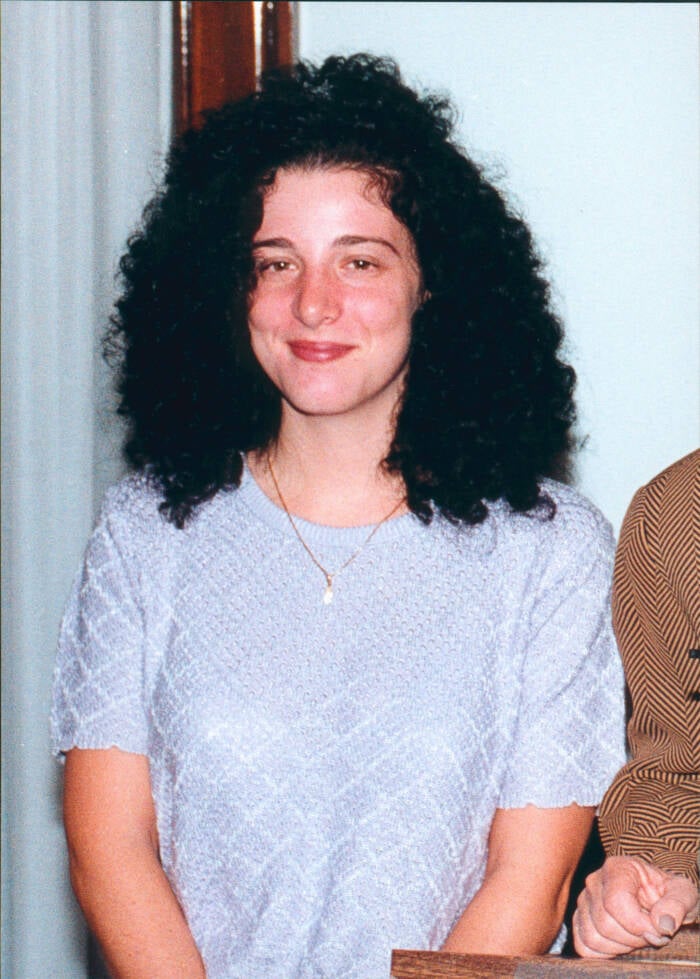
Condit admitted to the affair.
He denied any involvement in her disappearance.
Police initially focused on him.
His apartment was searched.
He gave multiple interviews.
He was publicly suspected and extensively investigated.
He was never charged.
Not because the suspicion faded.
Because the record never established his involvement.
Condit's involvement in the disappearance is not established; he was never charged.
The case went cold for years.
The focus on Condit consumed the headlines.
The question of whether that focus delayed the real investigation remains open.
That would require evidence.
The apartment near Dupont Circle sat empty.
The parents waited by the phone in California.
The congressman answered questions on camera.
No one answered the central question.
She was gone.
The case went cold.
THE REOPENING AND THE INMATE'S TESTIMONY
In 2008, the FBI and D.C. police reopened the investigation.
The case had gone cold for years.
Ingmar Guandique was already in prison.

An undocumented immigrant from El Salvador, he was serving time for attacking two other women in Rock Creek Park in 2001.
He became a suspect.
In 2010, prosecutors charged Guandique with Levy's murder.
The key evidence was a confession.
Not a confession to police. A confession to a fellow inmate, who said Guandique told her he killed Levy.
That was the case.
Prosecutors presented the inmate's testimony to the jury.
They argued Guandique attacked Levy during a robbery in the park.
There was no physical evidence linking him to the crime scene.
No DNA. No fingerprints. No weapon.
Defense attorneys argued the inmate was unreliable.
They argued the confession was fabricated.
The case rested entirely on one person's word.
Is a confession from prison enough to convict?
The jury said yes.
In November 2010, they convicted Guandique of first-degree murder while armed.
He was sentenced to 60 years in prison.
But the reliability of that testimony was disputed.
It remains disputed.
THE VERDICT AND ITS COLLAPSE
The trial began in October 2010.
Guandique was charged with first-degree murder while armed.
Prosecutors argued he attacked Levy during a robbery in the park.
The defense argued the case was built on a false confession.

The defense also argued that Condit remained a viable suspect.
In November 2010, the jury convicted Guandique.
He was sentenced to 60 years in prison.
But the reliability of the key testimony was disputed at trial.
That testimony came from a fellow inmate who said Guandique confessed to her in prison.
There was no physical evidence linking Guandique to the crime scene.
The case relied heavily on her words.
In 2016, the conviction was vacated.
Guandique's defense attorneys presented evidence that the inmate had recanted her testimony.
Prosecutors declined to retry him.
In 2018, the charges were dismissed.
Guandique was released from prison in 2019 and deported to El Salvador.
What happens to justice when the key witness changes her story?
The record does not establish the truth of the recantation.
The record does not establish Guandique's guilt.
The record does not establish his innocence.
It establishes a conviction, a recantation, and a collapse.
The case remains officially unsolved.
No one else has been charged.
AND THE STORY STILL ISN'T OVER
The case remains officially unsolved.
No one else has been charged.
Robert Levy died in 2011.
Susan Levy continued to advocate for her daughter's case until her death in 2020.

The murder of Chandra Levy remains an open investigation for the Washington, D.C. Metropolitan Police Department.
What comes next?
What new lead?
What development?
The record does not specify.
No next hearing date is documented.
No motion is pending in the record.
No active step is known.
The investigation is open.
That is all the record establishes.
It is a case with a conviction that collapsed.
It is a case with a recantation that undid it.
It is a case with no physical evidence, no weapon, no confession that held.
The parents who pushed for answers are gone.
The man convicted is free, deported.
The congressman once suspected was never charged.
Chandra Levy's remains were found in Rock Creek Park on May 22, 2002.
She had been missing since May 1, 2001.
The cause of death was homicide.
That is documented.
Who killed her is not.
The park holds its trees, its paths, its silence.
The file holds its gaps.
The case remains officially unsolved.
That is the ache at the center of it.
That is the quiet persistence of those who loved her.
What remains unknown is almost everything that matters.
Advertisement
You may also like
The crawl space at 8213 West Summerdale Avenue and the remains that ended a contractor's clown act
The crawl space ran beneath 8213 West Summerdale Avenue, a low, dark place under a contractor's house in Norwood Park Township, Illinois. Between 1972…
The 8:44 p.m. video that broke Alex Murdaugh's alibi — and the appeal that may decide his fate
The video is dark, grainy, and just over a minute long. It was recorded at 8:44 p.m. on June 7, 2021, from Paul Murdaugh's…
The $5,800 in ransom cash a boy found on a riverbank in 1980
The bills came apart in his hands. A boy named Brian Ingram was walking along the Columbia River near Vancouver, Washington, in 1980 when…
The .35 caliber Marlin rifle that ended six lives — and the confession that followed
The rifle was a .35 caliber Marlin. Police recovered it from the house at 112 Ocean Avenue in Amityville, New York. All six victims…
The cell tower records that placed Adnan Syed near Leakin Park — and the alibi witness never disclosed
She was 18, a senior at Woodlawn High School in Baltimore County, Maryland. Her name was Hae Min Lee. On January 13, 1999, she…
The 21-year-old pilot's logbook, and the instrument rating he never had
The cornfield near Clear Lake, Iowa, held its secret until morning. On February 3, 1959, a small Beechcraft Bonanza had gone down shortly after…