D.C. Sniper Muhammad Executed in 2009; Malvo Sentenced to Life
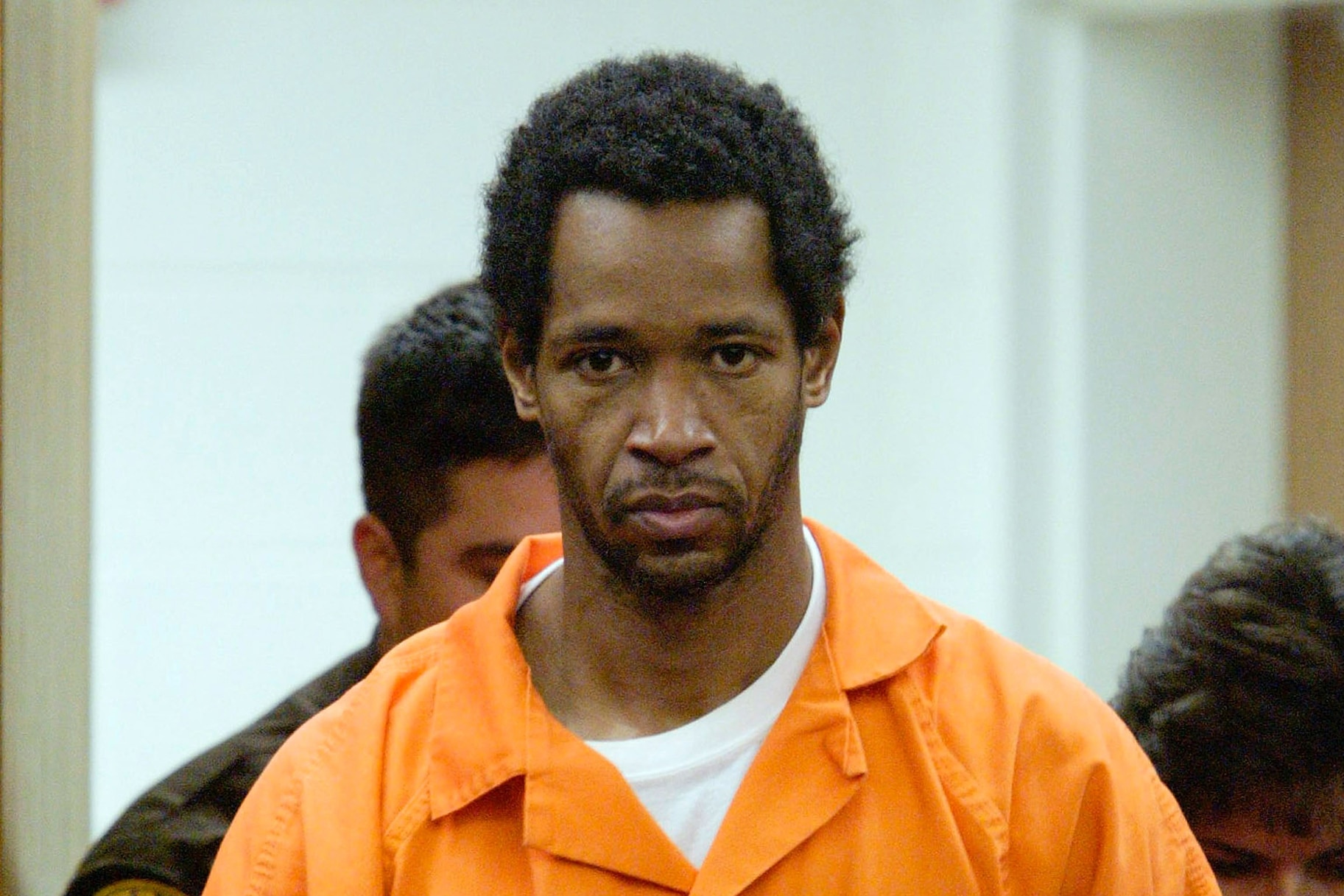
On November 10, 2009, John Allen Muhammad was executed by lethal injection in Virginia. Nearly seven years earlier, he and Lee Boyd Malvo had terrorized the Washington, D.C. region for three weeks, leaving ten people dead and three wounded. The execution ended one chapter of a case that still haunts the communities where ordinary errands turned fatal.
The attacks began on October 2, 2002, when a man was shot and killed in a parking lot in Wheaton, Maryland. At first, police thought it was a robbery. But over the following weeks, more shootings occurred across Maryland, Virginia, and Washington, D.C. The victims were people going about daily life—mowing a lawn, pumping gas, loading groceries, walking to school. The randomness and the long-range gunfire made the pattern clear: this was a spree, not a series of isolated crimes.
The investigation initially struggled. The shooter used a high-powered rifle from a distance, leaving little forensic evidence at the scenes. A tarot card found at one crime scene was widely reported to have been left by the shooters. Ballistics later linked the shootings to a Bushmaster .223-caliber rifle. A witness reported seeing a white van at one scene, but the actual vehicle turned out to be a blue Chevrolet Caprice. That mistaken lead caused police to stop and search hundreds of similar vans, delaying the identification of the real car.
A breakthrough came when police received a phone call from a person claiming to be the shooter. Then, a fingerprint found on a magazine at a crime scene proved crucial. On October 24, 2002, a truck driver tipped police to a car parked at a rest stop off Interstate 70 near Myersville, Maryland. Inside the car, officers found the rifle, a scope, and other equipment. Muhammad and Malvo were arrested.
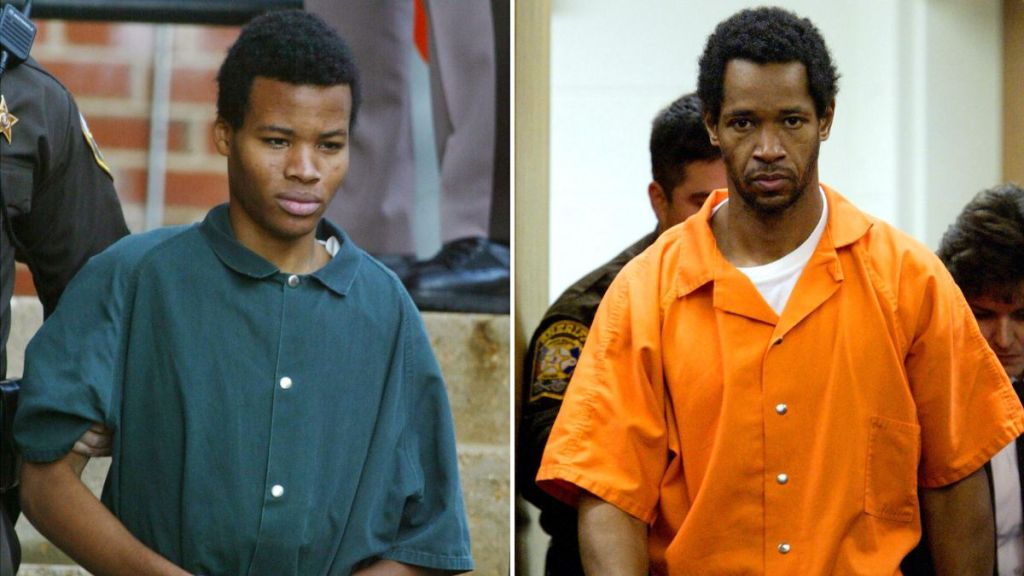
John Allen Muhammad was a U.S. Army veteran; Malvo was a teenager from Jamaica. Their victims included a bus driver, a landscaper, an FBI analyst, a bus stop passenger, and a schoolboy. The boy, shot outside a middle school in Maryland, was widely reported to be 13 years old; his name was not widely used in early coverage due to his age.
Muhammad was tried first, in Virginia, in 2003. He was convicted of capital murder for the killing of a man at a gas station in Manassas, Virginia. He was sentenced to death. Malvo was tried separately, also in Virginia, and was convicted of capital murder for a different shooting. He was sentenced to life in prison without the possibility of parole.
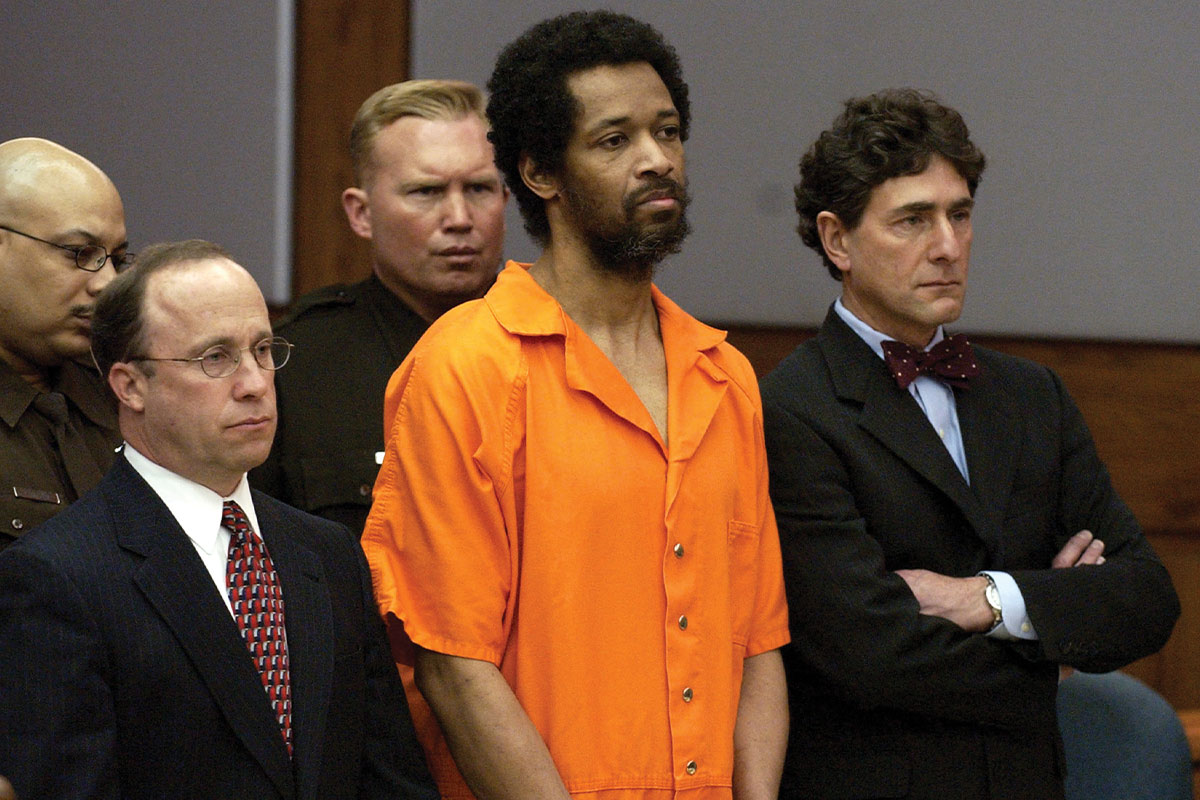
Muhammad’s conviction and death sentence were upheld on appeal. He was executed on November 10, 2009. Malvo’s case took a different turn. In 2017, the U.S. Supreme Court ruled that mandatory life sentences without parole for juveniles were unconstitutional. Malvo’s sentence was subsequently re-sentenced to life without parole after a new hearing, though reports vary on the exact procedural outcome.
Both men were also charged in other jurisdictions, including Maryland and Louisiana, but the Virginia convictions were the primary ones.
What remains unknown is the full extent of any planning or motive beyond what was presented in court. The source material does not detail the defense arguments or any statements made by the men about their reasons. Some details of the investigation—such as the exact content of the phone call or the tarot card’s significance—are also not fully public.
The case changed how police handle multi-jurisdictional investigations. Families of the victims have continued to advocate for changes in law enforcement practices and for victims’ rights. The boy who survived the shooting has, as an adult, spoken publicly about the attack and his recovery.
Lee Boyd Malvo remains in prison, serving a life sentence. The legal path that led to his current status reflects the evolving law on juvenile sentencing, and any further proceedings would depend on future court actions.
Advertisement
You may also like
In 1932, Lindbergh baby kidnapped; Hauptmann convicted, executed in 1936
At around 10 p.m. on March 1, 1932, the nurse Betty Gow entered the second-floor nursery of the Lindbergh home in Hopewell, New Jersey,…
Ex-cop Joseph DeAngelo pleads guilty to 13 murders, 13 kidnappings in Golden State Killer case
On August 21, 2020, a 74-year-old man in a wheelchair appeared via video screen in a Sacramento courtroom. Joseph James DeAngelo Jr., a former…
Ted Bundy executed in 1989 after convictions in Florida murders of two students and a girl
On January 24, 1989, Ted Bundy was executed in the electric chair at Florida State Prison. The sentence closed a decade-long saga that began…
Black Dahlia case remains unsolved 78 years after Elizabeth Short's body found
On the morning of January 15, 1947, a woman’s body was discovered in a vacant lot in the Leimert Park neighborhood of Los Angeles.…
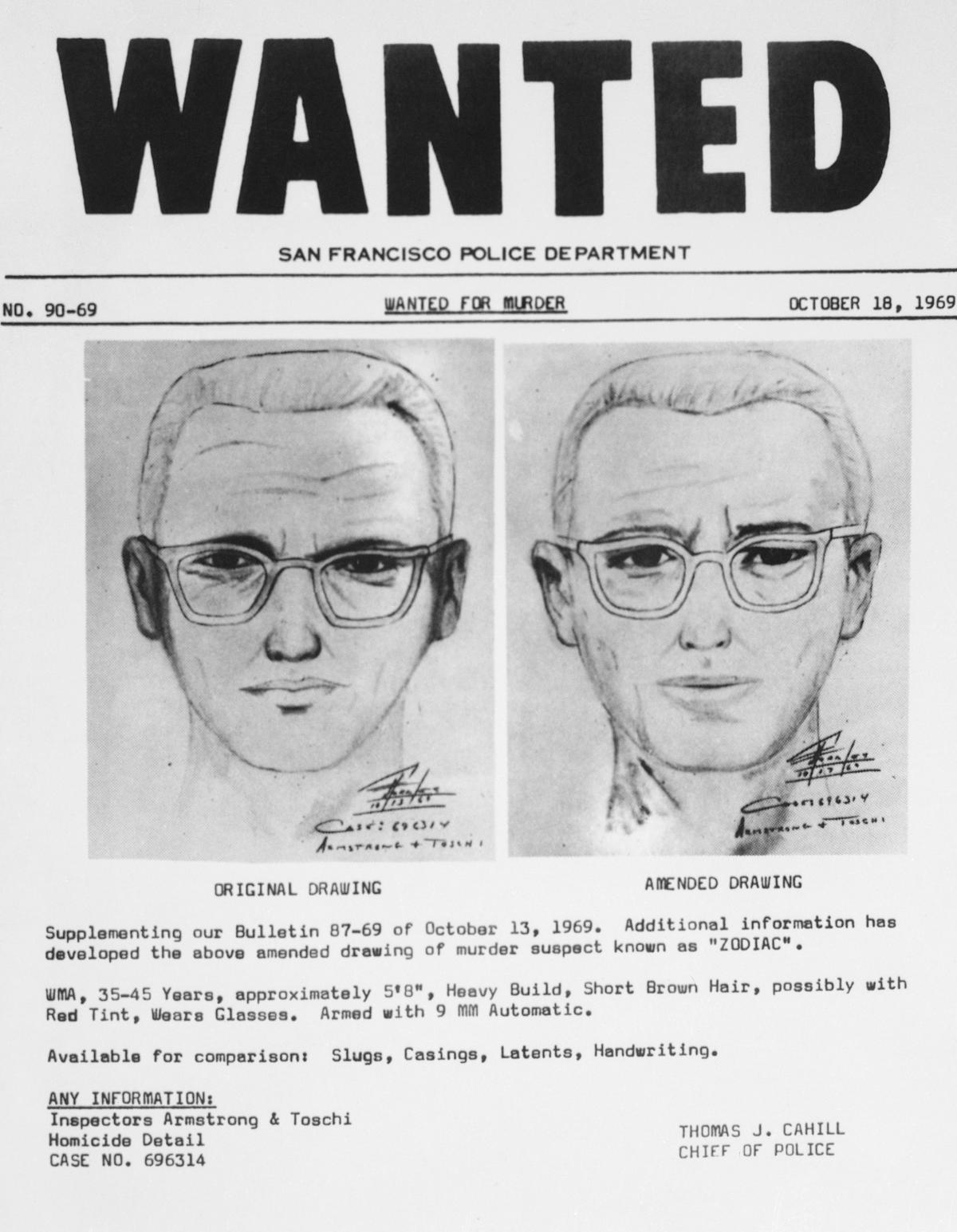
Zodiac Killer case timeline: 1968 attacks to unsolved verdict
On December 20, 1968, two teenagers were shot and killed on a secluded road near Vallejo, California, known as Lake Herman Road. The victims…
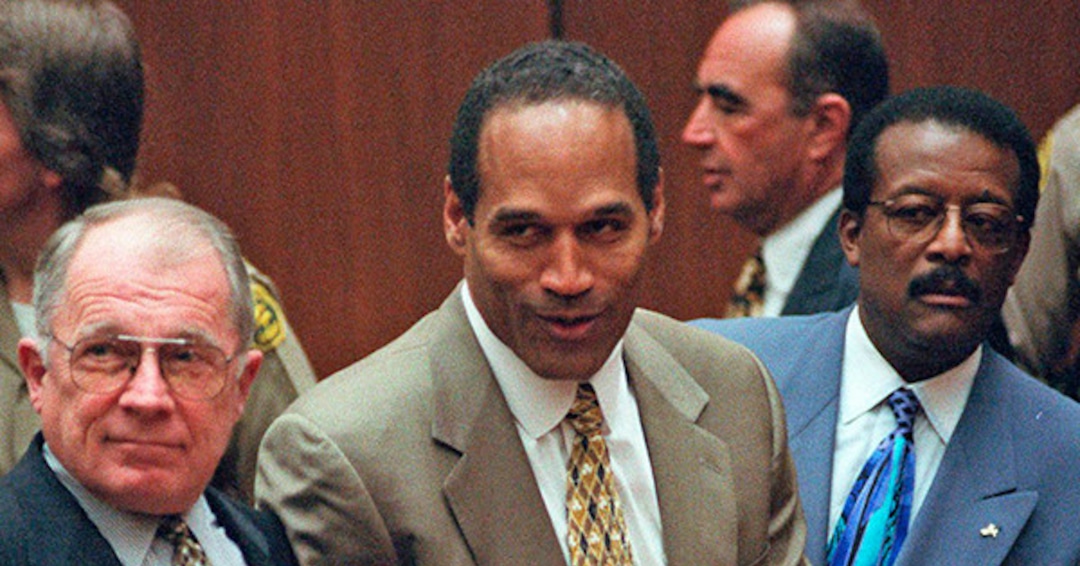
O.J. Simpson Acquitted of Murder Charges in 1995 After Nearly 9-Month Trial
The call came around midnight. A neighbor walking a dog on Bundy Drive in the Brentwood neighborhood of Los Angeles found two bodies and…