In 1932, Lindbergh baby kidnapped; Hauptmann convicted, executed in 1936
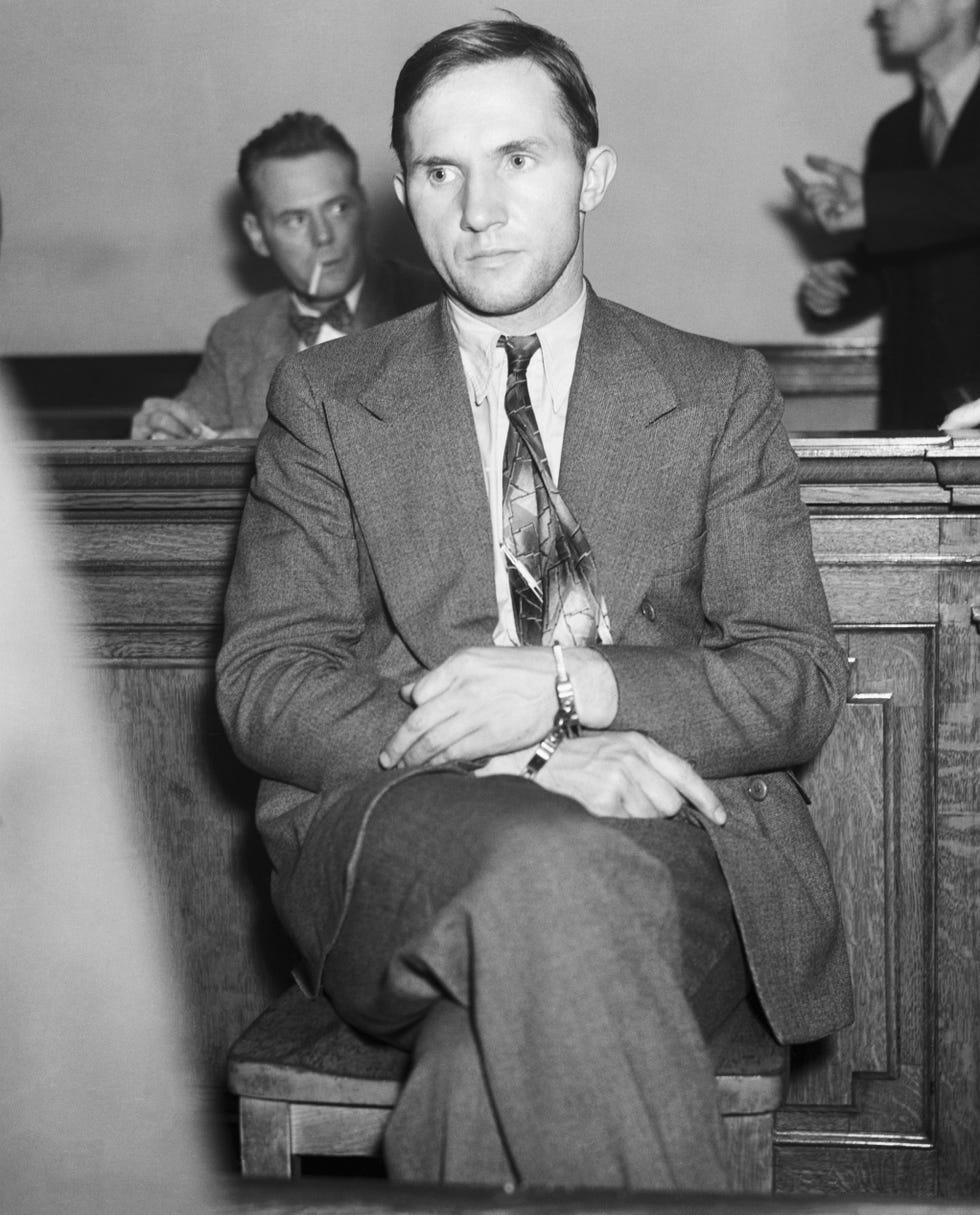
At around 10 p.m. on March 1, 1932, the nurse Betty Gow entered the second-floor nursery of the Lindbergh home in Hopewell, New Jersey, and found the crib empty. Charles Lindbergh Jr., the 20-month-old son of aviator Charles Lindbergh and author Anne Morrow Lindbergh, was gone. She alerted his parents immediately.
On the nursery windowsill, a ransom note demanded $50,000. Outside the house, investigators found a makeshift wooden ladder, its top rungs suggesting the kidnapper had climbed to the nursery window. The note was written in German-accented English, a detail that would later shape the investigation.
Police initially focused on servants and family acquaintances. The nursery was not secured, and the scene was contaminated, as the source records. The case would be marked by early missteps before any real progress.
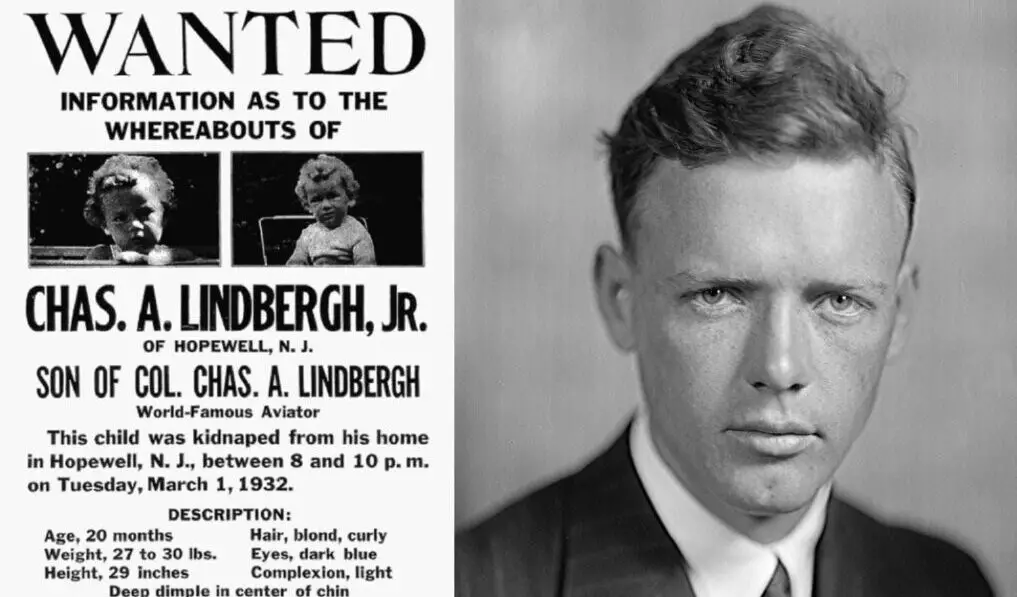
Despite a massive search, the child was not found alive. On May 12, 1932, his body was discovered in a shallow grave about four and a half miles from the Lindbergh home. The cause of death was a blow to the head. No weapon was ever recovered.
The ransom was paid. A Bronx doctor acted as an intermediary, delivering the money to a man in a cemetery. But at trial, the intermediary never positively identified that man as Bruno Richard Hauptmann, the German-born carpenter who would later be convicted. The identity of the person who collected the ransom remained disputed.
The investigation stalled for more than two years. Then, in September 1934, a gold certificate from the ransom money was used at a New York City gas station. The attendant wrote down the license plate number of the car, and that led police to Hauptmann, who lived in the Bronx.

A search of his home turned up over $14,000 of the ransom money. Investigators also found a notebook containing the phone number of one of the intermediaries. Prosecutors presented wood evidence: a rail from the homemade ladder matched wood from Hauptmann's attic floor, and tool marks were said to match his chisel.
Hauptmann claimed the money had been left with him by a friend, Isidor Fisch, who had since died. The defense argued the evidence was circumstantial and that the ladder wood match was inconclusive. The ransom notes, traced through their distinctive phrasing, were also part of the case, with handwriting analysis used by the prosecution.
Hauptmann was arrested on September 19, 1934, and charged with extortion and murder. His trial began on January 2, 1935, in Flemington, New Jersey. It was a media sensation. He pleaded not guilty.
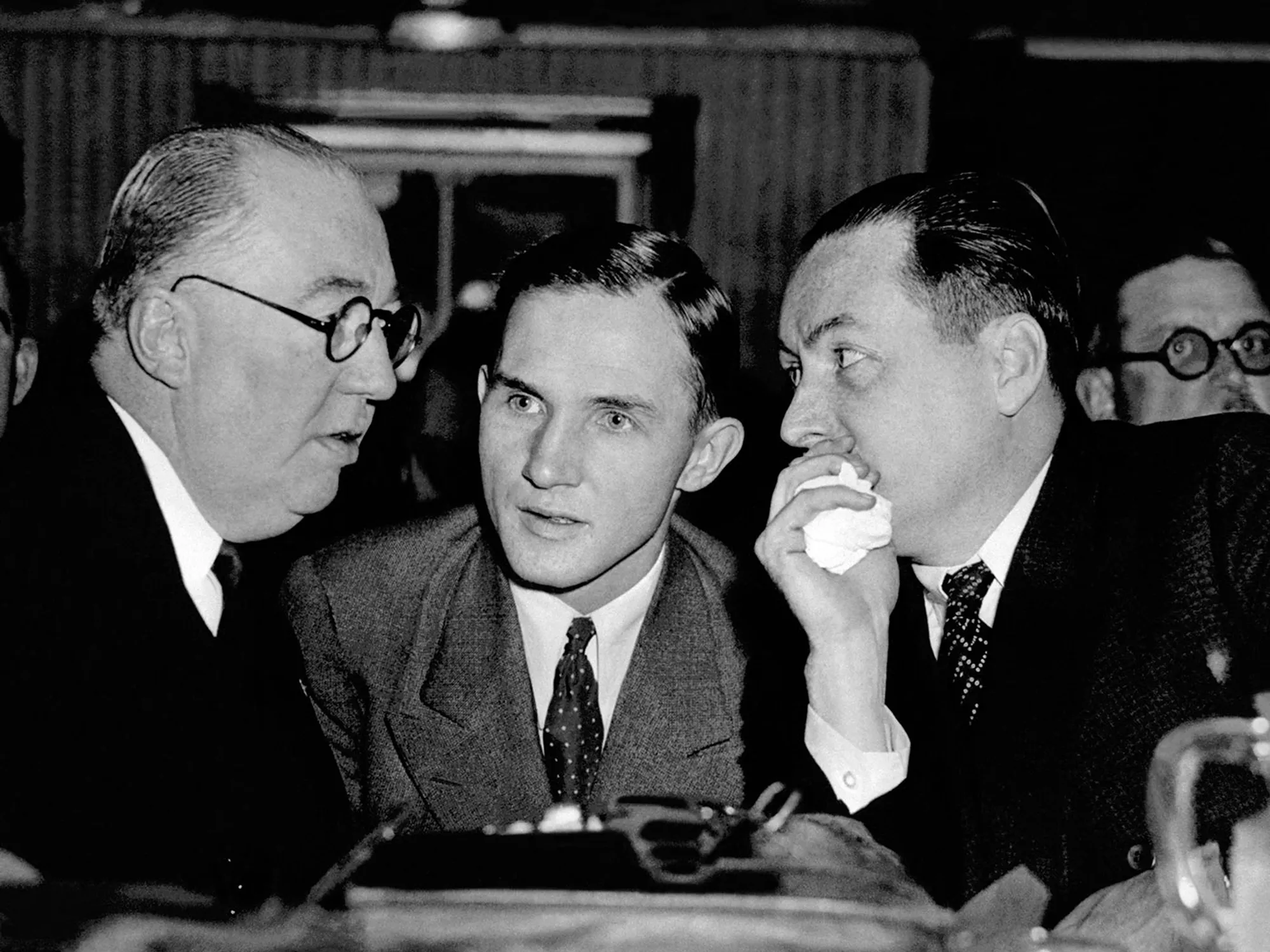
The prosecution's case rested on the ransom money, the wood evidence, and handwriting analysis of the ransom notes. The jury deliberated for about 11 hours and returned a guilty verdict on February 13, 1935. Hauptmann was sentenced to death.
Appeals were rejected, including a request for a new trial based on alleged juror bias. On April 3, 1936, Bruno Richard Hauptmann was executed in the electric chair at the New Jersey State Prison. He maintained his innocence to the end.
The conviction has never been universally accepted. Some later investigators and authors have argued that the evidence was flawed, and that Hauptmann may have been innocent or that others were involved. But no other person was ever charged, and the case remains officially closed with Hauptmann as the sole convicted perpetrator.
The Lindbergh family left the United States for Europe in 1935, partly to escape the intense publicity. Charles Lindbergh later became known for his isolationist speeches before World War II and his work in aviation. Anne Morrow Lindbergh became a noted author. The Lindbergh home in Hopewell was later donated to the state and became a historic site.
What remains unknown is the full truth of what happened that night. The identity of the man in the cemetery was never confirmed by the intermediary. The ladder's origin was disputed. And Hauptmann's guilt, despite the conviction and execution, has been questioned for decades. The case is closed, but the questions have never fully gone away.
Advertisement
You may also like
O.J. Simpson acquitted of 1994 murders of ex-wife and waiter after nine-month trial
🚨 THE DOG AT MIDNIGHT It is June 12, 1994. A dog wanders the streets of Brentwood with blood on its paws. A passerby…
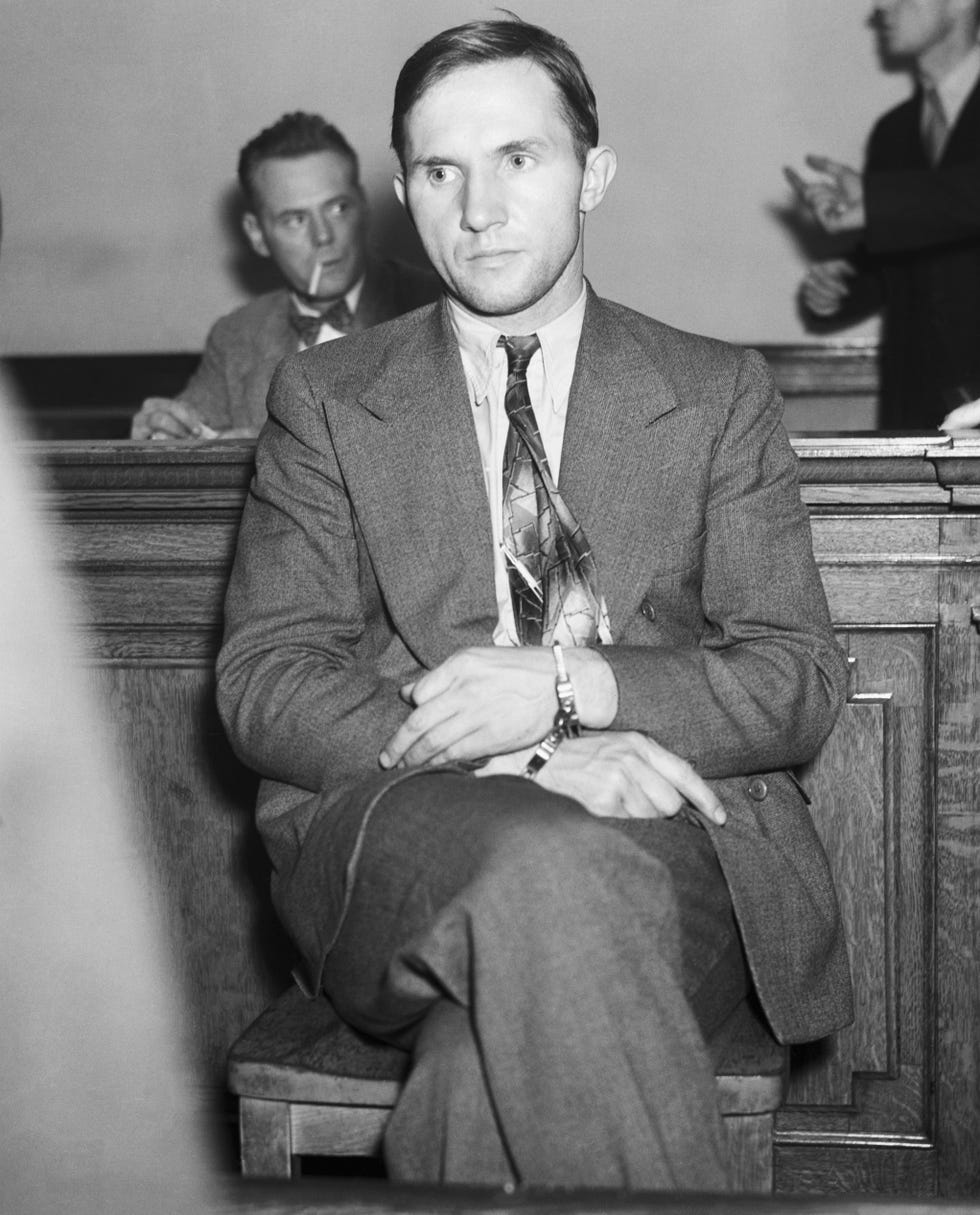
Lindbergh Baby Kidnapping: 1932 Abduction, 1935 Conviction, 1936 Execution Timeline
On the evening of March 1, 1932, Charles Lindbergh Jr., the 20-month-old son of aviator Charles Lindbergh and his wife Anne Morrow Lindbergh, was…
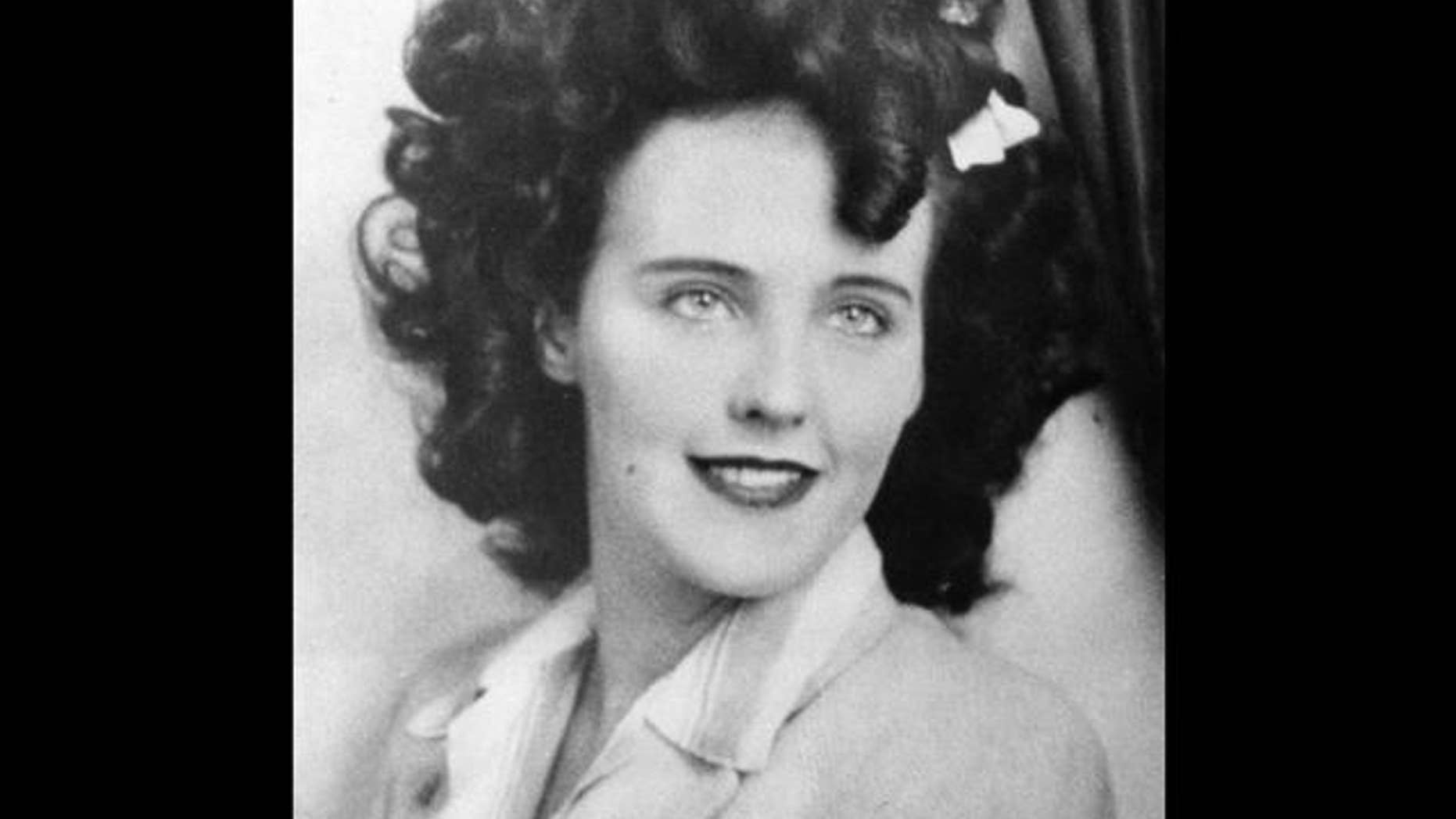
Black Dahlia case: 1947 Los Angeles murder of Elizabeth Short remains unsolved, no charges ever filed
On the morning of January 15, 1947, a woman's body was discovered in a vacant lot on Norton Avenue in the Leimert Park area…
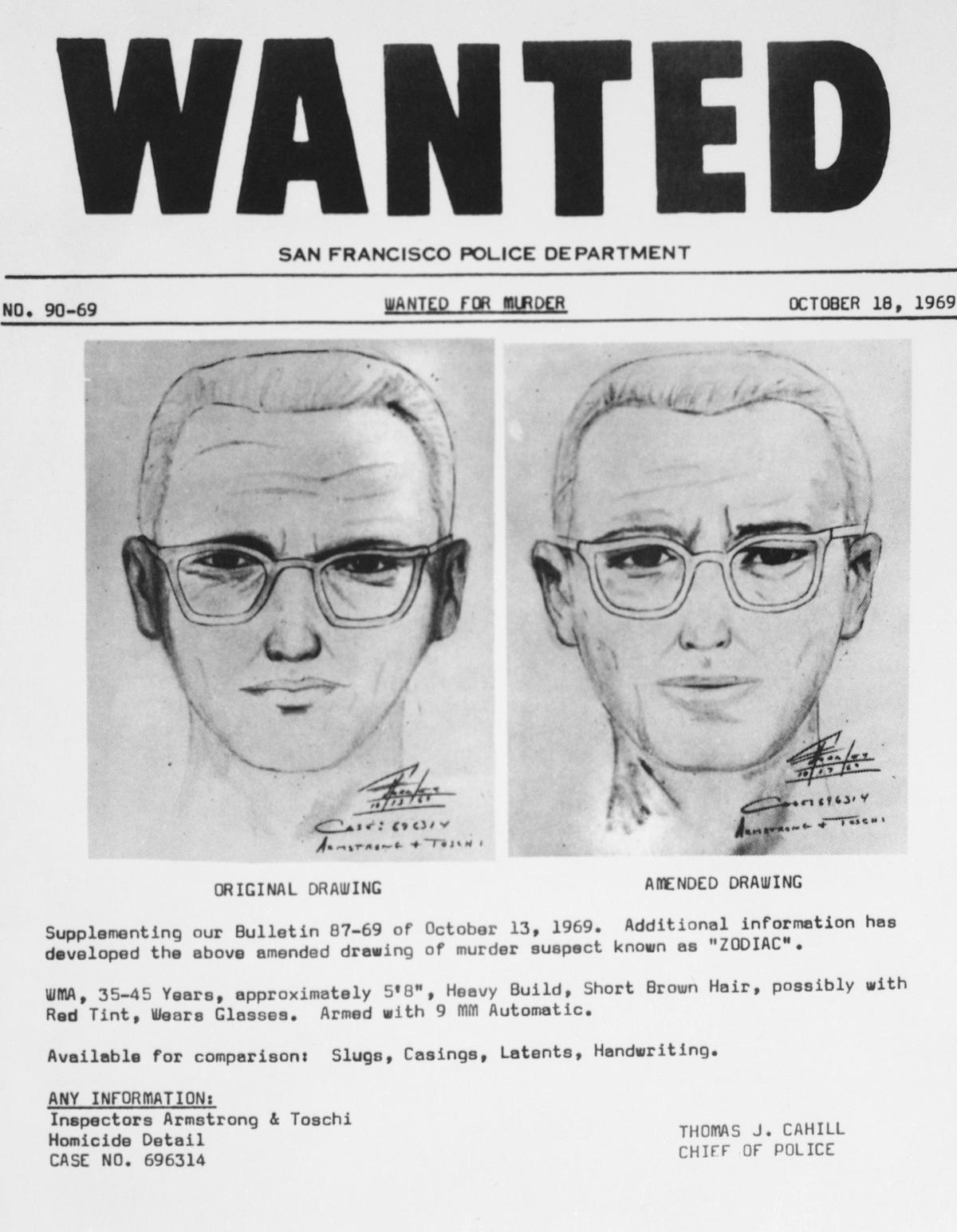
Zodiac Killer case from 1968 to 2021: unsolved, no charges ever filed
On December 20, 1968, two teenagers were shot and killed near a secluded lovers' lane in Benicia, California. The victims were David Faraday and…
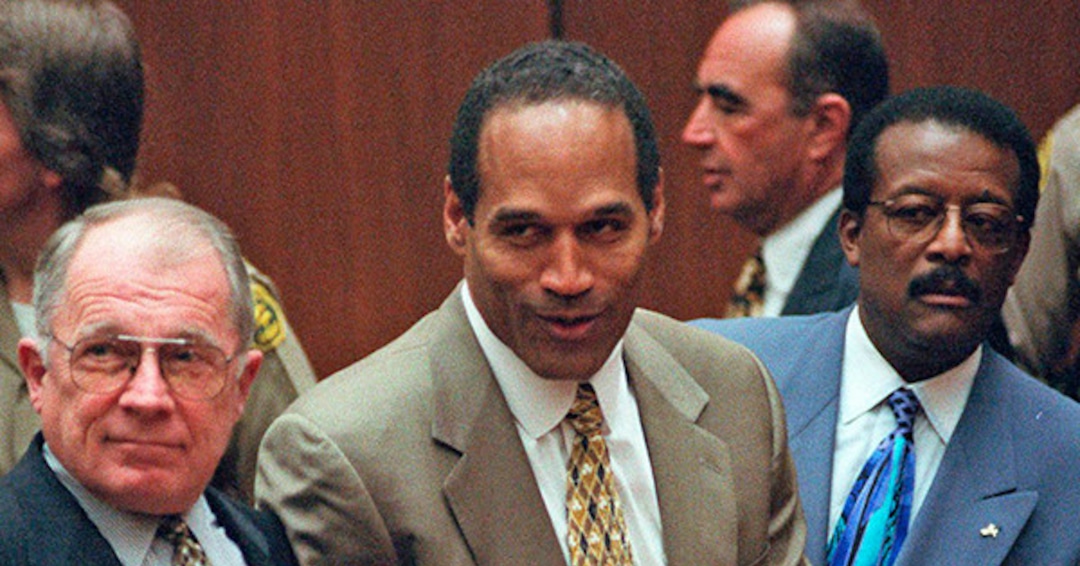
O.J. Simpson acquitted of 1994 murders after nine-month trial
On the night of June 12, 1994, a neighbor walking a dog in the Brentwood neighborhood of Los Angeles discovered the bodies of Nicole…
Manson Family convicted of seven Tate-LaBianca murders in 1971
On the night of August 8–9, 1969, five people were murdered at 10050 Cielo Drive in the Benedict Canyon area of Los Angeles. The…