Manson Family convicted of seven Tate-LaBianca murders in 1971
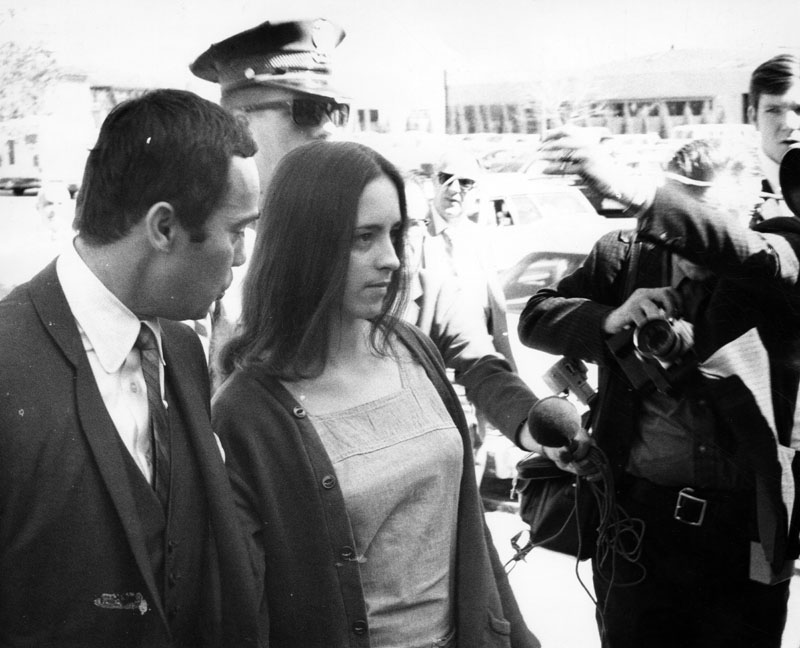
On the night of August 8–9, 1969, five people were murdered at 10050 Cielo Drive in the Benedict Canyon area of Los Angeles. The victims were actress Sharon Tate, who was eight and a half months pregnant; coffee heiress Abigail Folger; hairstylist Jay Sebring; writer Wojciech Frykowski; and Steven Parent, a young man visiting the property’s caretaker. The following night, August 9–10, grocery chain owners Leno and Rosemary LaBianca were murdered in their Los Feliz home. The crimes were discovered the following mornings by housekeepers and family members. The Tate murders were initially reported as a drug-related killing, and the LaBianca murders were not immediately linked.
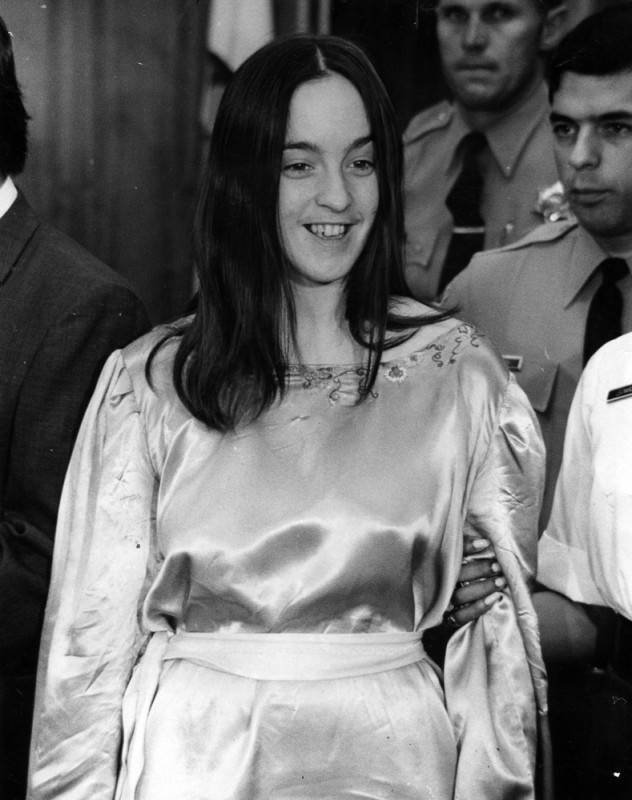
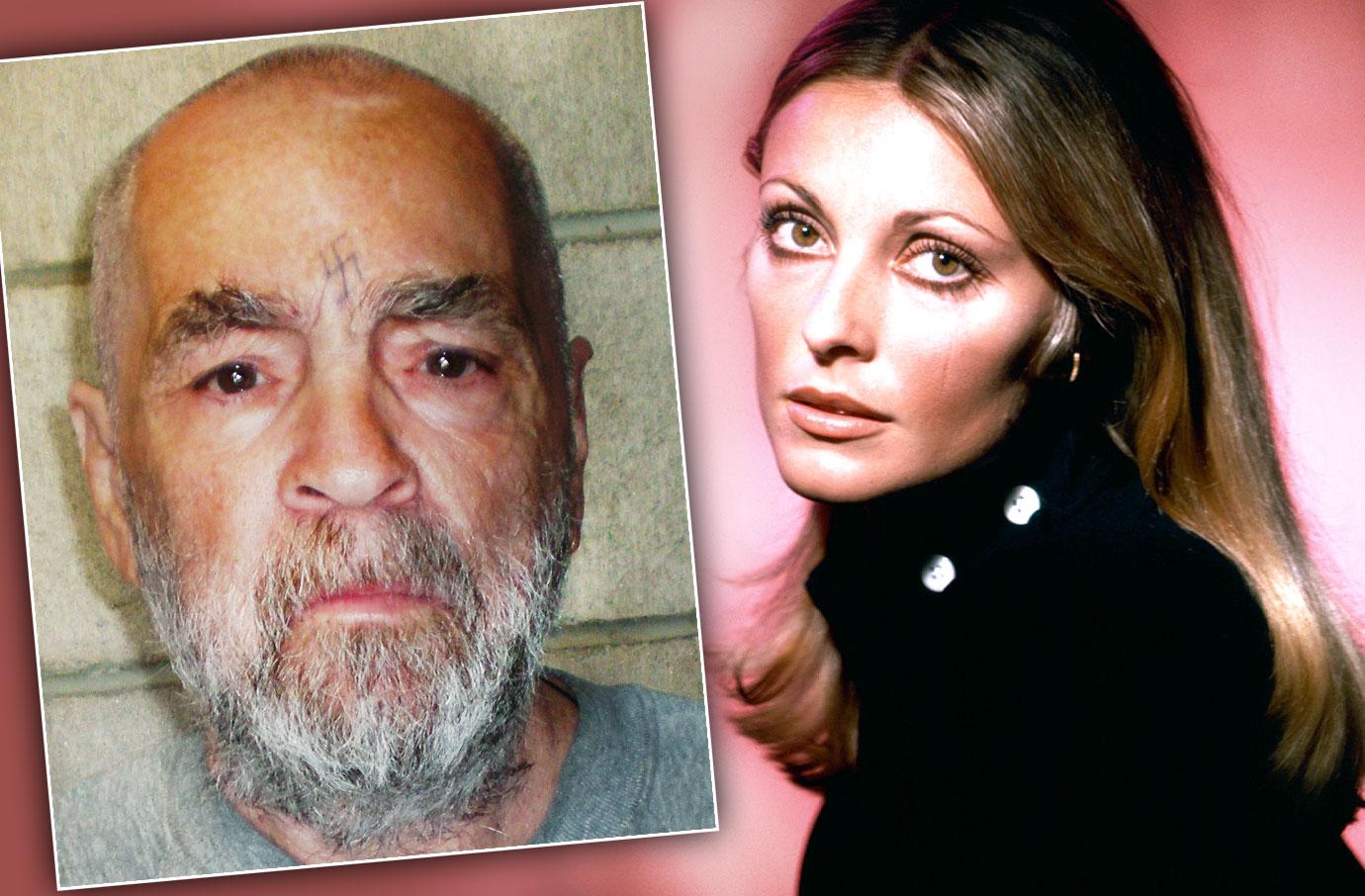
The perpetrators were members of a commune led by Charles Manson. Those convicted for the murders were Manson, Susan Atkins, Patricia Krenwinkel, and Leslie Van Houten. Charles “Tex” Watson was also convicted. The victims were Sharon Tate, Jay Sebring, Wojciech Frykowski, Abigail Folger, Steven Parent, Leno LaBianca, and Rosemary LaBianca. Key figures around the case included prosecutor Vincent Bugliosi, who wrote a widely known book about the case, and the lead detective, whose name has been widely reported as Lieutenant Earl Deemer of the Los Angeles County Sheriff’s Department. The victims’ families, particularly Sharon Tate’s mother, Doris Tate, became public advocates for victims’ rights.
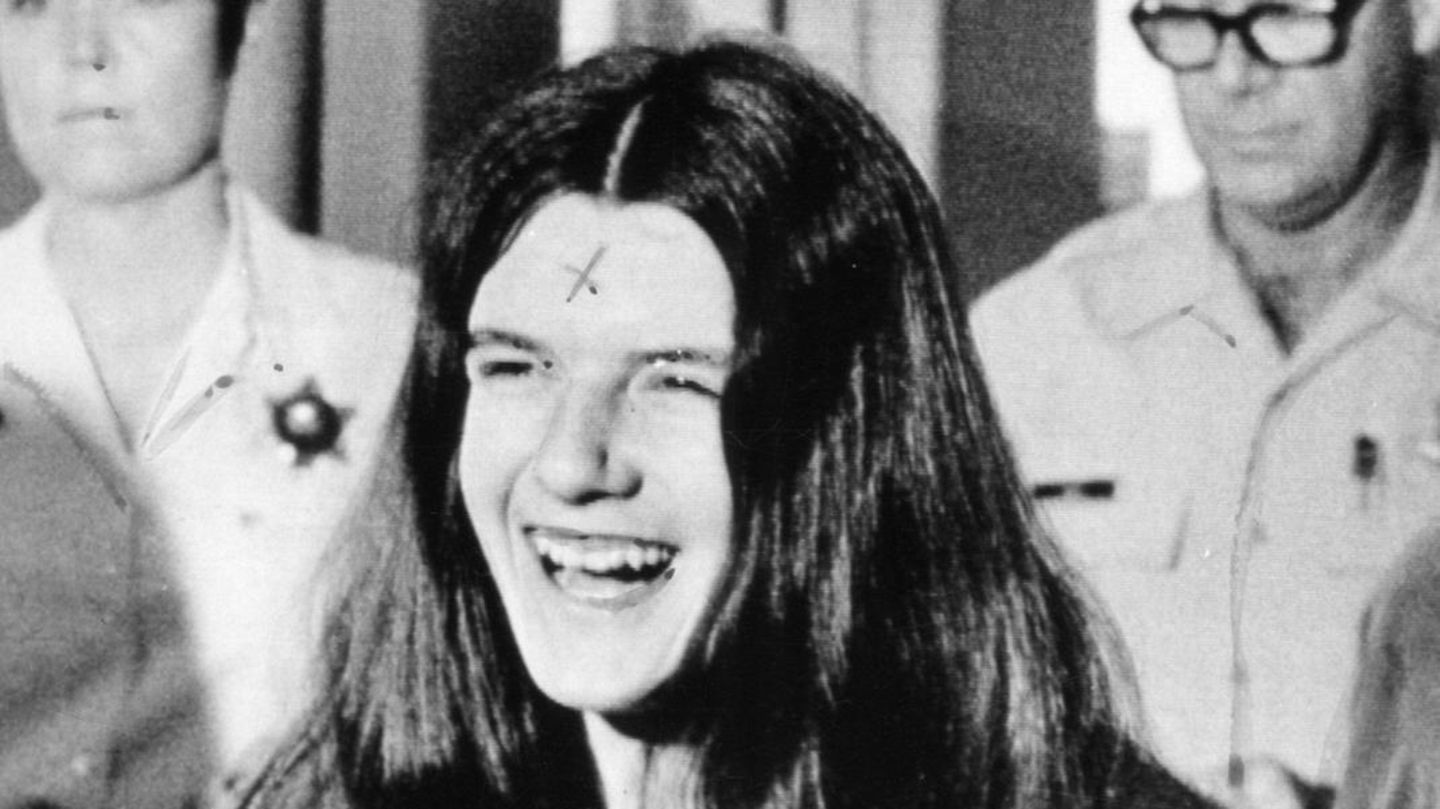
Police initially dismissed the Tate murders as a drug deal gone wrong, and the connection to the LaBianca killings was not made for weeks. The investigation stalled. Police found a pair of eyeglasses at the Tate scene and a knife sheath at the LaBianca scene, but no immediate suspects. The breakthrough came months later when Susan Atkins, jailed on unrelated charges, told cellmates about the murders. Her statements led police to the Spahn Ranch, where Manson’s group lived. Evidence included fingerprints from the crime scenes, matching Krenwinkel and Watson, and testimony from Atkins, who turned state’s witness before later recanting. A key turning point was prosecutor Vincent Bugliosi’s theory that Manson ordered the murders to trigger a race war he called “Helter Skelter,” a phrase taken from a Beatles song. The theory was presented at trial, though Manson’s motive was not established as fact beyond the prosecution’s argument.
:max_bytes(150000):strip_icc()/Leslie-Van-Houten-030525-fd2591b965064cc0b888c70d473a57c6.jpg)
The trial began in June 1970. Manson, Atkins, Krenwinkel, and Van Houten were charged with seven counts of first-degree murder and conspiracy. Watson was tried separately. The prosecution argued that Manson orchestrated the murders, though he did not personally kill anyone. The defense argued that Manson was a manipulator but not the actual killer. In January 1971, the jury convicted all four defendants on all counts. They were sentenced to death. In 1972, the California Supreme Court abolished the death penalty, and their sentences were commuted to life in prison with the possibility of parole. Watson was convicted separately and also sentenced to death, later commuted to life. Atkins, Krenwinkel, and Van Houten were also convicted of the LaBianca murders in a separate trial.
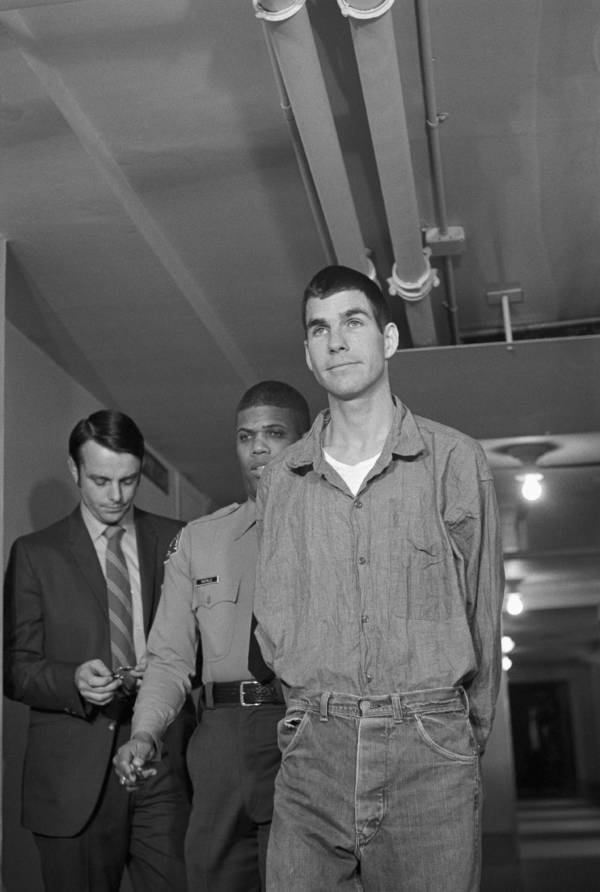
All four convicted killers remained in prison for decades. Charles Manson died in prison in November 2017, at age 83. Susan Atkins died in prison in 2009. Patricia Krenwinkel remains incarcerated. Leslie Van Houten was granted parole multiple times, but governors blocked her release; she was released in 2023 after a court ruling. Tex Watson remains incarcerated. The case has been the subject of numerous books, films, and documentaries. The Manson Family’s other crimes, including the murder of musician Gary Hinman and the attempted murder of a man named in reports as Bernard Crowe, were also prosecuted, but the Tate-LaBianca murders remain the central case. The Cielo Drive house was demolished in 1994.
The weapons were knives and a gun; the killers used a car, reported as a yellow Ford, to travel to the scenes. What remains unknown is whether Manson’s motive, as argued by the prosecution, was definitively proven. The convictions, however, stand.
Advertisement
You may also like
Unsolved 1947 Black Dahlia murder: Elizabeth Short's body found, killer never charged
🚨 THE MANNEQUIN ON THE LOT The morning of January 15, 1947, was bright in the Leimert Park area of Los Angeles. A local…
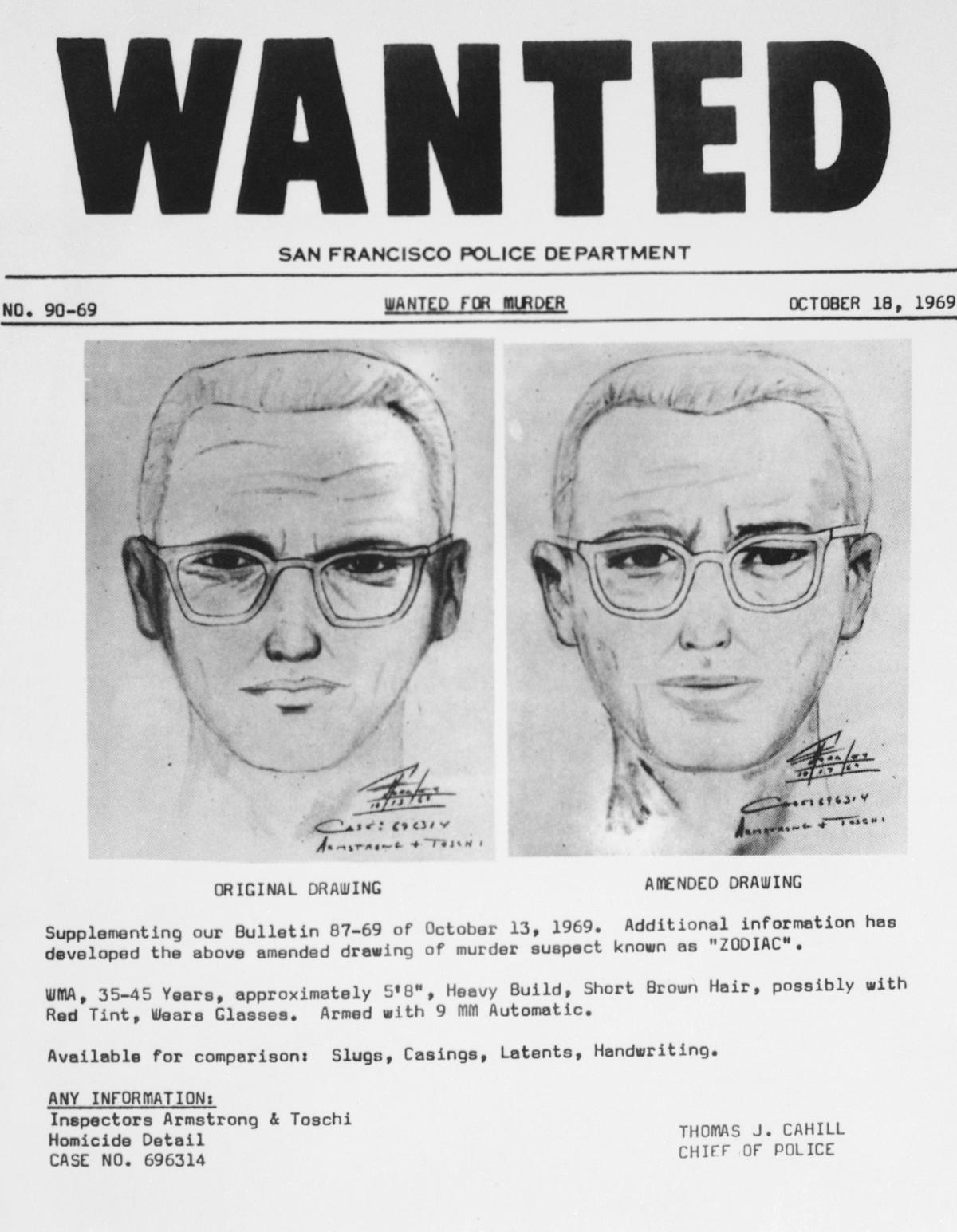
Zodiac Killer case remains unsolved after 1968-69 attacks, no suspect ever charged
🚨 THE COLD OPEN: THE THEORY THAT WON'T DIE In 2021, a team of cold-case investigators claimed to have identified the Zodiac Killer as…
Ex-cop DeAngelo pleads guilty to Golden State Killer murders, rapes after 40-year hunt
🚨 THE PLEA In 2020, Joseph James DeAngelo Jr. pleaded guilty to 13 murders and 13 kidnapping-for-robbery counts, plus numerous rape-related charges, as part…
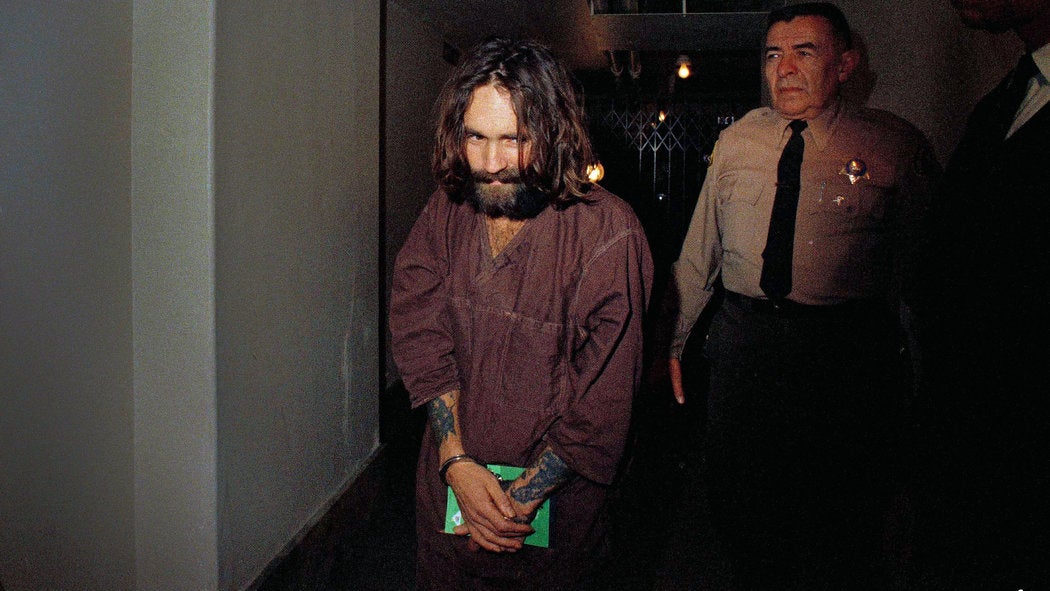
Manson Family murders trial ends with convictions for 7 killings
🚨 THE VERDICT, 1971 The verdict came in January 1971. A jury found Charles Manson, Susan Atkins, Patricia Krenwinkel, and Leslie Van Houten guilty…
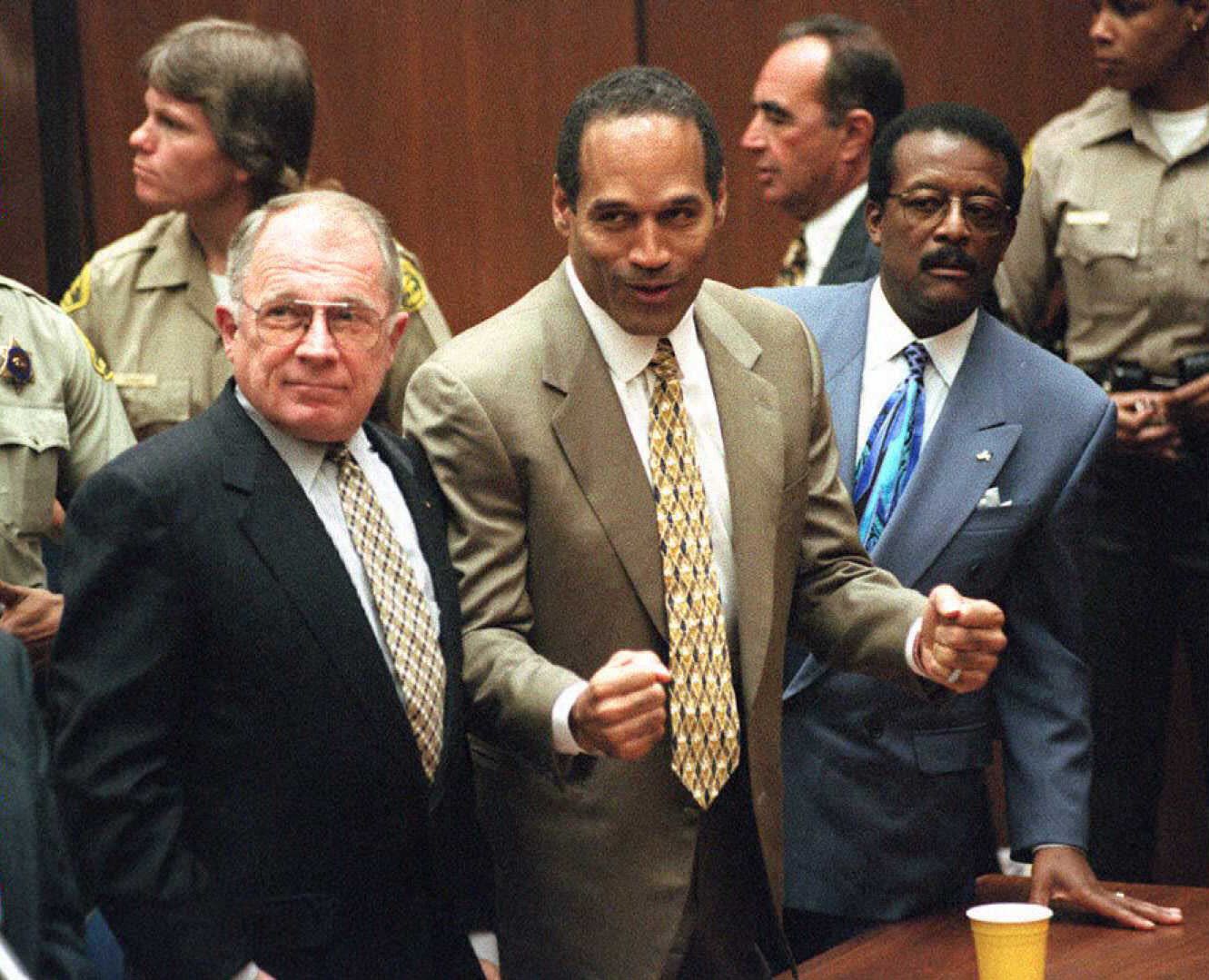
O.J. Simpson acquitted of 1994 murders of ex-wife and waiter after nine-month trial
🚨 THE DOG AT MIDNIGHT It is June 12, 1994. A dog wanders the streets of Brentwood with blood on its paws. A passerby…
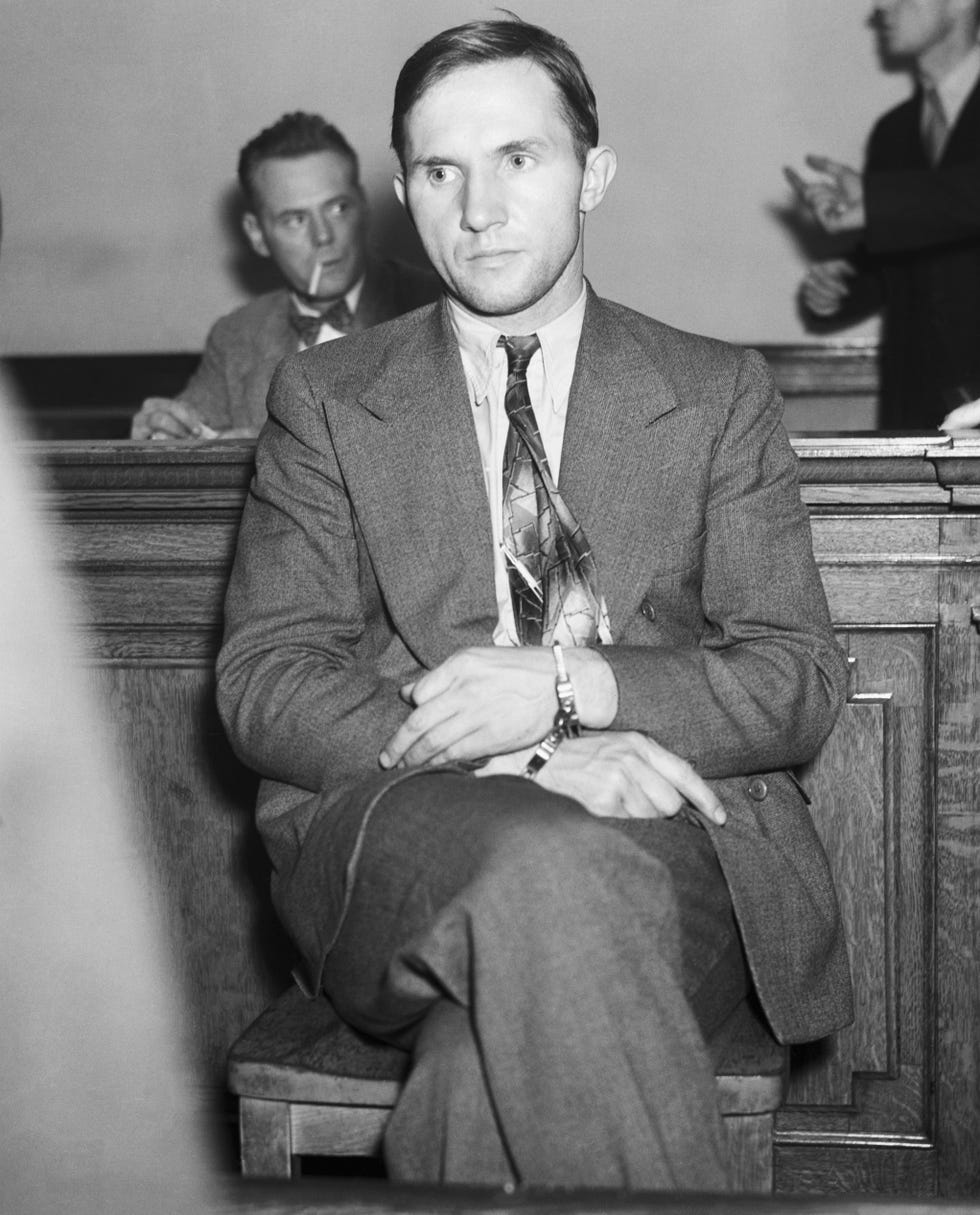
Lindbergh Baby Kidnapping: 1932 Abduction, 1935 Conviction, 1936 Execution Timeline
On the evening of March 1, 1932, Charles Lindbergh Jr., the 20-month-old son of aviator Charles Lindbergh and his wife Anne Morrow Lindbergh, was…