Manson Family murders trial ends with convictions for 7 killings
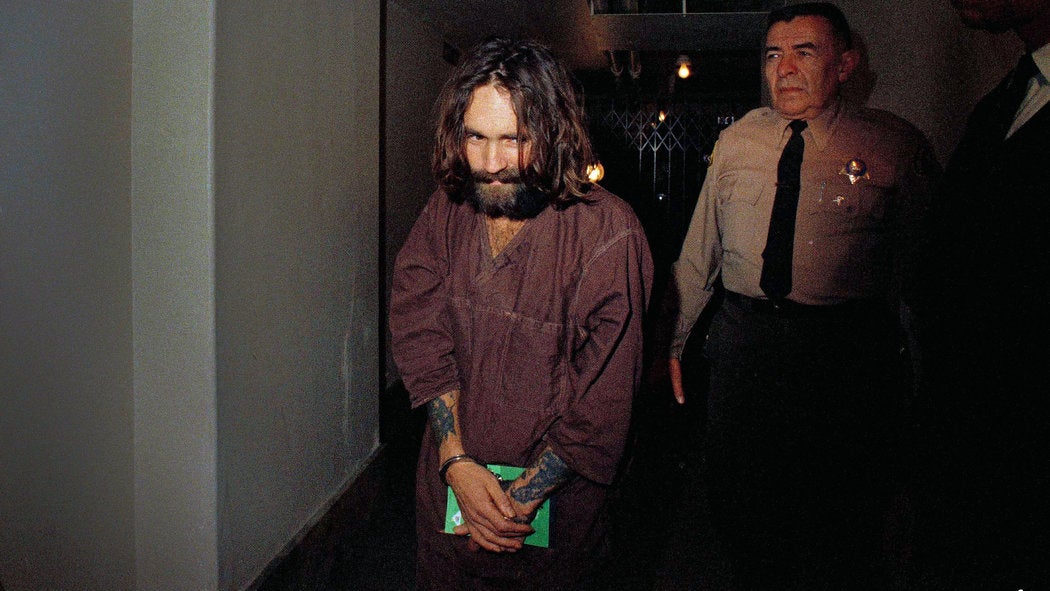
🚨 THE VERDICT, 1971
The verdict came in January 1971.
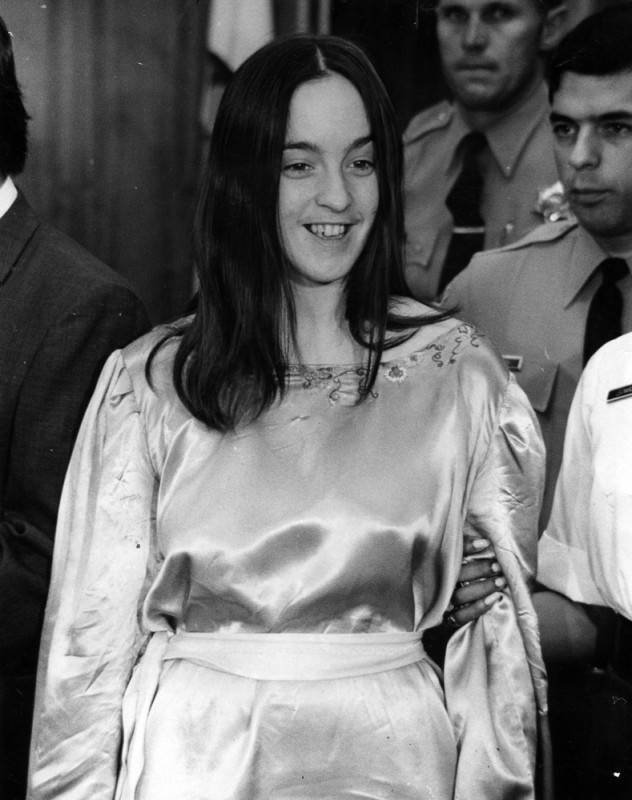
A jury found Charles Manson, Susan Atkins, Patricia Krenwinkel, and Leslie Van Houten guilty on all counts.
Seven counts of first-degree murder and conspiracy.
The victims were Sharon Tate, eight months pregnant.
Abigail Folger.
Jay Sebring.
Wojciech Frykowski.
Steven Parent.
Leno LaBianca.
Rosemary LaBianca.
Seven people, named in the record.
Tex Watson was tried separately after extradition from Texas.
He was also convicted.
All four were sentenced to death.
The California Supreme Court abolished the death penalty in 1972.
Their sentences were commuted to life with the possibility of parole.
The trial had begun in June 1970.
Manson, Atkins, Krenwinkel, and Van Houten were charged together.
Prosecutors relied on testimony, fingerprints, and a knife found near the LaBianca home.
Linda Kasabian, granted immunity, was the chief witness.
The jury's exact reasoning is not in the record.
That is not established.
What is established is the verdict.
The legal machinery caught up.
It took months, then a trial, then a judgment.
Closure, of a kind.
The case was brutal.
The verdict was final.
Seven lives weighed against seven convictions.
The courtroom theatrics came later.
The X on Manson's forehead came later.
The verdict itself was plain.
It was a finding.
It was also a beginning — of appeals, commutations, and decades in prison.
But in January 1971, the jury spoke.
All counts.
All four defendants.
AUGUST 8–9, 1969 — THE TATE HOUSE
On the night of August 8–9, 1969, five people were killed at 10050 Cielo Drive in Benedict Canyon, Los Angeles.
The victims were actress Sharon Tate, eight months pregnant; coffee heiress Abigail Folger; hairstylist Jay Sebring; writer Wojciech Frykowski; and Steven Parent, a visitor.
They were stabbed and shot.
The word "Pig" was written in blood on the front door.
The killers drove the victims' own cars away from the scene.
The house was rented.
The night was warm.
Inside, there was no sign of a struggle that fit any known motive.
No robbery, no ransom, no jealousy — nothing the investigators could name.
What happened inside the house that night is not fully documented.
The exact sequence of events is not established.
The record shows the bodies. It shows the blood. It shows the word on the door.
It does not show the order of the killings, or who struck first, or who spoke last.
That would require evidence that was never recovered.
The victims were found the following morning by a housekeeper.
She saw what the night had left.
She was on the ground below.
Five people dead. One word in blood. No motive in sight.
The cars were gone — driven away by the killers, according to the record.
The investigation began with nothing to hold onto.
It was random. It was brutal.
It seemed motiveless.
AUGUST 9–10, 1969 — THE LABIANCA HOUSE
The next night, August 9–10, supermarket executive Leno LaBianca and his wife Rosemary were killed in their Los Angeles home.
"Helter Skelter" and other phrases were carved or written on the walls.
The LaBiancas' bodies were discovered the following evening by their son.
A knife was later found near the LaBianca home.
The exact time of death for the LaBiancas is not in the record.
It is not in the record because no clock was stopped, no witness placed them at an hour.
The son came the next evening, and what he found was already done.
Two houses, two nights, seven dead.
The first night had a name attached to it — Sharon Tate, pregnant, famous.
The second night had no such anchor.
Leno LaBianca ran a supermarket chain; Rosemary ran the house.
They were killed after the first scene was set, after the word "Pig" had dried on the door.
The walls at the LaBianca house carried a different word: "Helter Skelter."
That word would follow the case into court, into books, into theory.
But the knife found near the LaBianca home was a physical object.
It was a thing that could be held, bagged, marked as evidence.
The record does not say exactly when the LaBiancas died.
The record says the son found them the following evening.
That is all the record says.
THE DISCOVERY
:max_bytes(150000):strip_icc():focal(749x0:751x2)/patricia-krenwinkel-then-now-060225-d0f0385812db48c2b07c7ce904cf8004.jpg)
The housekeeper arrived at 10050 Cielo Drive the following morning.
She found five bodies.
The record does not give the housekeeper's name.
The record says only that she made the discovery.
Sharon Tate was eight months pregnant.
Abigail Folger, Jay Sebring, Wojciech Frykowski, and Steven Parent were there too.
They had been stabbed and shot.
The word "Pig" was written in blood on the front door.
That was August 9.
The next evening, the LaBiancas' son came to their home.
He found his father and stepmother dead.
The record does not give the son's name either.
"Helter Skelter" and other phrases were carved or written on the walls at that house.
Two scenes.
Nine dead.
The initial investigation was hampered by a lack of obvious motive.
Why these people?
Why this house?
Why the next night?
That would require evidence.
The record does not say what the investigators first thought.
It says they had no clear reason for the killings.
No robbery had been reported.
No known enemies of the victims.
No confession came quickly.
The police had bodies and blood and a word on a door.
They did not have a why.
The housekeeper found the first scene.
The son found the second.
The record stops there.
THE BREAK — SUSAN ATKINS IN JAIL
The break came months later.
Susan Atkins was in jail on unrelated charges.
She told cellmates about the murders.
That much is in the record.
The exact content of her statements to those cellmates is not detailed in the source.
Her words led police to the Spahn Ranch, where the group lived.
They searched the place.
They found the group.
Forensic evidence began to line up.
Fingerprints from the Tate crime scene matched Patricia Krenwinkel.

A knife found near the LaBianca home was part of the evidence.
It was a knife, and it was near the LaBianca home.
That is what the record shows.
It does not show where the knife came from, or whose it was.
The investigation had stalled on a lack of motive.
Atkins gave it a direction.
The record turns here.
Not because of a confession in a courtroom.
Because of a conversation in a cell.
THE TRIAL BEGINS — JUNE 1970
The trial began in June 1970.
Charles Manson, Susan Atkins, Patricia Krenwinkel, and Leslie Van Houten were charged with seven counts of first-degree murder and conspiracy.
Tex Watson was tried separately after being extradited from Texas.
The courtroom became a stage.
The prosecution's case took shape around a single witness.
Linda Kasabian, a member of the group present during the Tate murders, was the prosecution's chief witness.
She was granted immunity.
Her testimony described the night of the Tate murders.
The source does not quote her specific testimony.
That would require the trial transcript.
Kasabian stood where the defendants sat.
She was not charged.
She was not accused.
She was the voice the jury heard.
The defendants were four.
The charges were seven.
The victims were seven.
The record turns here, from cellhouse talk to sworn words.
Not because of what Manson said in court.
Because of what a witness said on the stand.
The prosecution argued the murders were intended to ignite a race war.
Manson had called it "Helter Skelter."
The defense allowed him to appear in court with an X carved into his forehead.
The prosecution used that X to portray him as controlling and manipulative.
The trial ran for months.
The charges stood.
The testimony stood.
The X stood.
THE DEFENSE'S 'HELTER SKELTER'
Manson called it "Helter Skelter," a coming race war that would leave the world to his followers.
That was the defense he tried to present in court — the murders as a response to a prophecy, not a plan.

The prosecution argued the opposite.
The murders were intended to ignite that war, they said, a calculated act to set the prophecy in motion.
Two narratives, one courtroom.
Was it a genuine belief or a ploy?
Was he a prophet or a con man?
Was the X on his forehead a mark of conviction or a performance?
That would require evidence.
The record does not establish whether Manson's "Helter Skelter" was a real belief or a strategy.
What the record does establish is what happened in court.
The defense allowed Manson to appear with an X carved into his forehead.
The prosecution seized it.
They used the X to portray him as controlling and manipulative, a man who could mark his own skin and command others to kill.
It was a mistake, the source says.
Not because the X was theatrical.
But because it gave the jury a picture of Manson that fit the prosecution's case.
The trial became a contest of images.
Manson's vision of a coming war.
The prosecution's version of a man who killed to start one.
The charges stood.
The testimony stood.
The X stood.
THE VERDICT — JANUARY 1971
In January 1971, the jury found all four defendants guilty on all counts.
The foreman read the verdicts one by one, seven counts for each.
Charles Manson, Susan Atkins, Patricia Krenwinkel, and Leslie Van Houten stood convicted.
They were sentenced to death, according to the trial outcome.
Tex Watson, tried separately after extradition from Texas, was also convicted.
He, too, was sentenced to death.
The verdicts landed with a kind of finality.
The courtroom had seen theatrics — the X, the outbursts, the testimony.
But the conviction rested on Linda Kasabian's testimony, on fingerprints, on a knife.
Not on the spectacle.
The jury's deliberation process is not in the record.
What is in the record is the judgment: guilty on all counts.
Then the legal aftermath began.
The California Supreme Court abolished the death penalty in 1972.
Their sentences were commuted to life in prison with the possibility of parole.
Watson's death sentence was commuted as well.
The verdict stood.
The sentence did not.
It is a finality. It is also a beginning — of appeals, of parole hearings, of decades.

The X on Manson's forehead became a photograph.
The convictions became the documented record.
The death sentences became something else entirely.
THE X ON HIS FOREHEAD
He appeared in court with an X carved into his forehead.
The defense allowed this.
The prosecution used it to portray him as controlling and manipulative.
Not because the X proved anything about the murders. Because it showed the jury who was running the room.
The photograph became a symbol of the trial's strangeness.
It was a gesture. It was also evidence, in the prosecutor's telling, of a man who could make others mark themselves.
What did Manson intend by the X? What did he think it would accomplish? That is not in the record.
The record shows the X. The record shows the defense's mistake. The record does not show his motive.
He sat in court with the mark on his skin, and the jury watched.
The prosecution argued the mark was a display of control. The defense, by allowing it, handed them that argument.
A single image can carry a trial. This one carried a narrative: a man willing to scar himself to send a message.
It backfired.
The X became a photograph. The photograph became a fact of the trial. The fact became part of the conviction's story.
The convictions rest on testimony, fingerprints, and a knife. Not on the X.
But the X is what the cameras caught.
He wore it like a badge. The jury saw something else.
That would require evidence, and the evidence ends at the image.
AND THE STORY STILL ISN'T OVER
He died in November 2017, in a California hospital.
Charles Manson was serving his life sentence when he died.
Susan Atkins died earlier, in prison, in 2009.
Tex Watson remains incarcerated.
He has been denied parole multiple times.
Patricia Krenwinkel has also been denied parole repeatedly.
Leslie Van Houten was denied parole repeatedly too.
Then, in 2023, Van Houten's parole was granted.
She was released.
The future parole decisions for Krenwinkel and Watson are not in the record.
Not because the case is quiet. But because the case is procedural now.
The Cielo Drive house was demolished in 1994.
The address is gone.
The door with the word in blood is gone.
What remains is the paperwork.
Parole hearings. Denials. Appeals.
The case lives in those hearings and in the books and films that retell it.
It is a story with an ending that keeps not ending.
The convictions are decades old.
The defendants are aging or dead.
The record holds what it holds.
That would require a decision no one has made yet.
Advertisement
You may also like
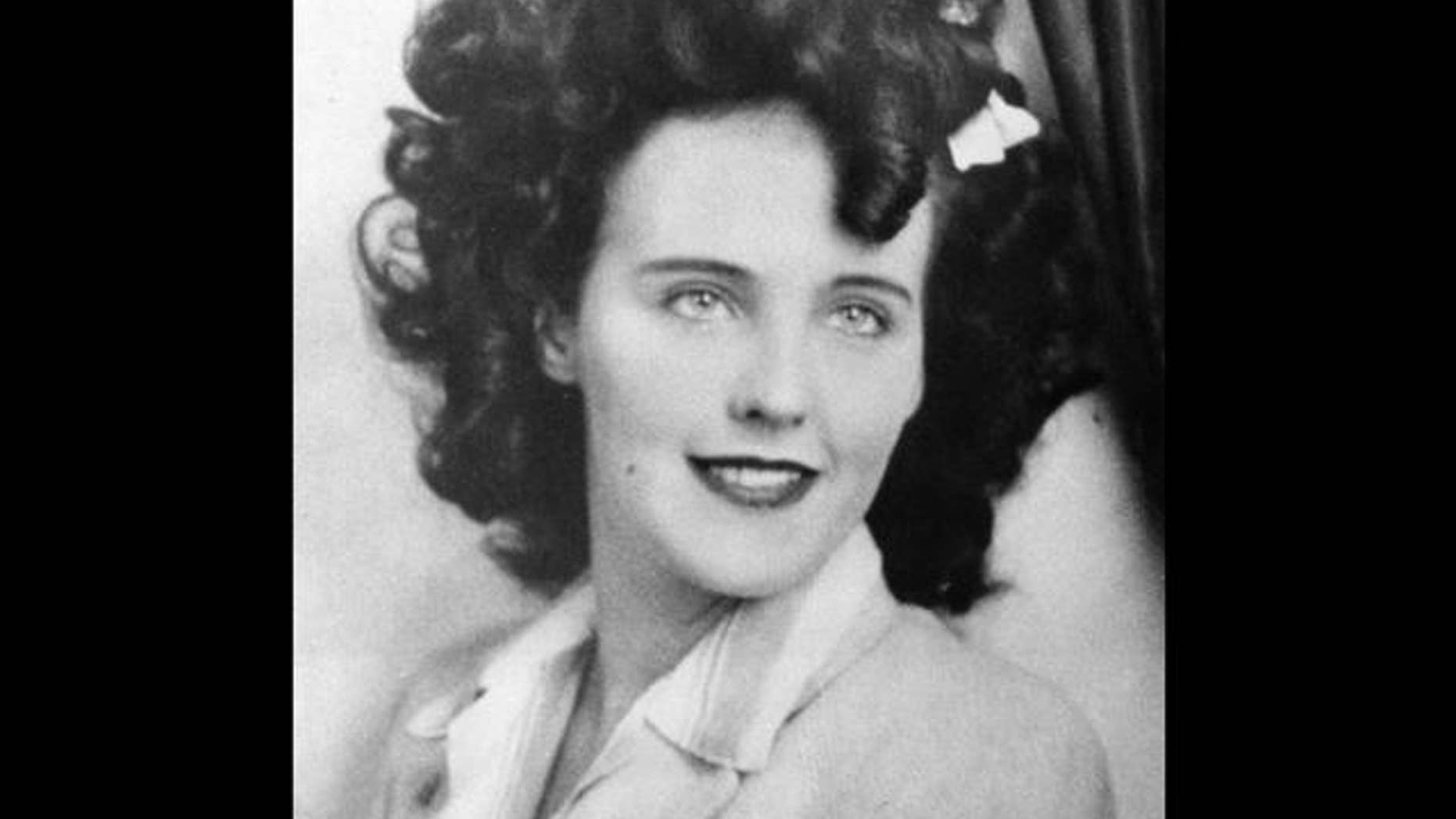
Unsolved 1947 Black Dahlia murder: Elizabeth Short's body found, killer never charged
🚨 THE MANNEQUIN ON THE LOT The morning of January 15, 1947, was bright in the Leimert Park area of Los Angeles. A local…
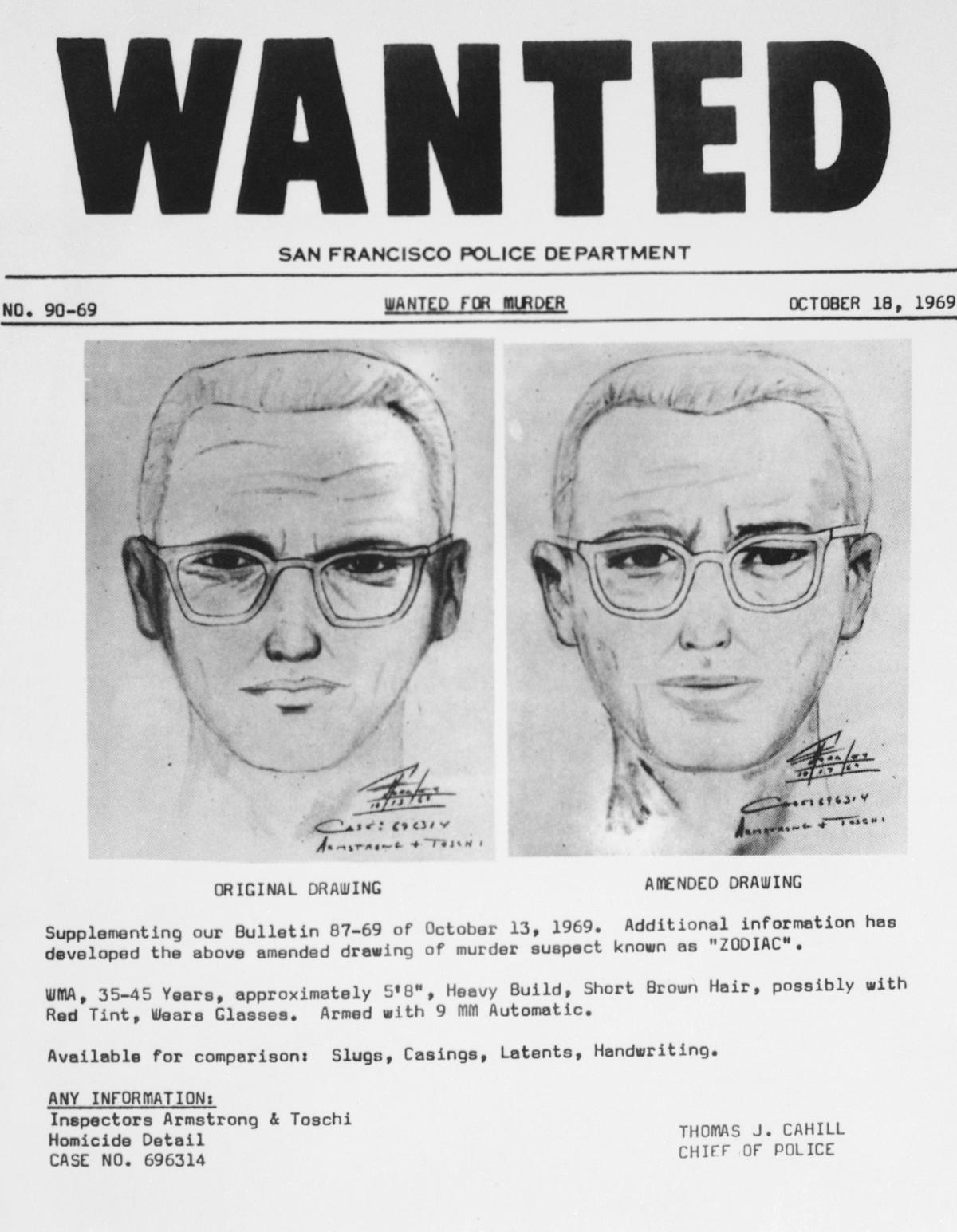
Zodiac Killer case remains unsolved after 1968-69 attacks, no suspect ever charged
🚨 THE COLD OPEN: THE THEORY THAT WON'T DIE In 2021, a team of cold-case investigators claimed to have identified the Zodiac Killer as…
Ex-cop DeAngelo pleads guilty to Golden State Killer murders, rapes after 40-year hunt
🚨 THE PLEA In 2020, Joseph James DeAngelo Jr. pleaded guilty to 13 murders and 13 kidnapping-for-robbery counts, plus numerous rape-related charges, as part…
O.J. Simpson acquitted of 1994 murders of ex-wife and waiter after nine-month trial
🚨 THE DOG AT MIDNIGHT It is June 12, 1994. A dog wanders the streets of Brentwood with blood on its paws. A passerby…
Lindbergh Baby Kidnapping: 1932 Abduction, 1935 Conviction, 1936 Execution Timeline
On the evening of March 1, 1932, Charles Lindbergh Jr., the 20-month-old son of aviator Charles Lindbergh and his wife Anne Morrow Lindbergh, was…
Black Dahlia case: 1947 Los Angeles murder of Elizabeth Short remains unsolved, no charges ever filed
On the morning of January 15, 1947, a woman's body was discovered in a vacant lot on Norton Avenue in the Leimert Park area…