Unsolved 1947 Black Dahlia murder: Elizabeth Short's body found, killer never charged
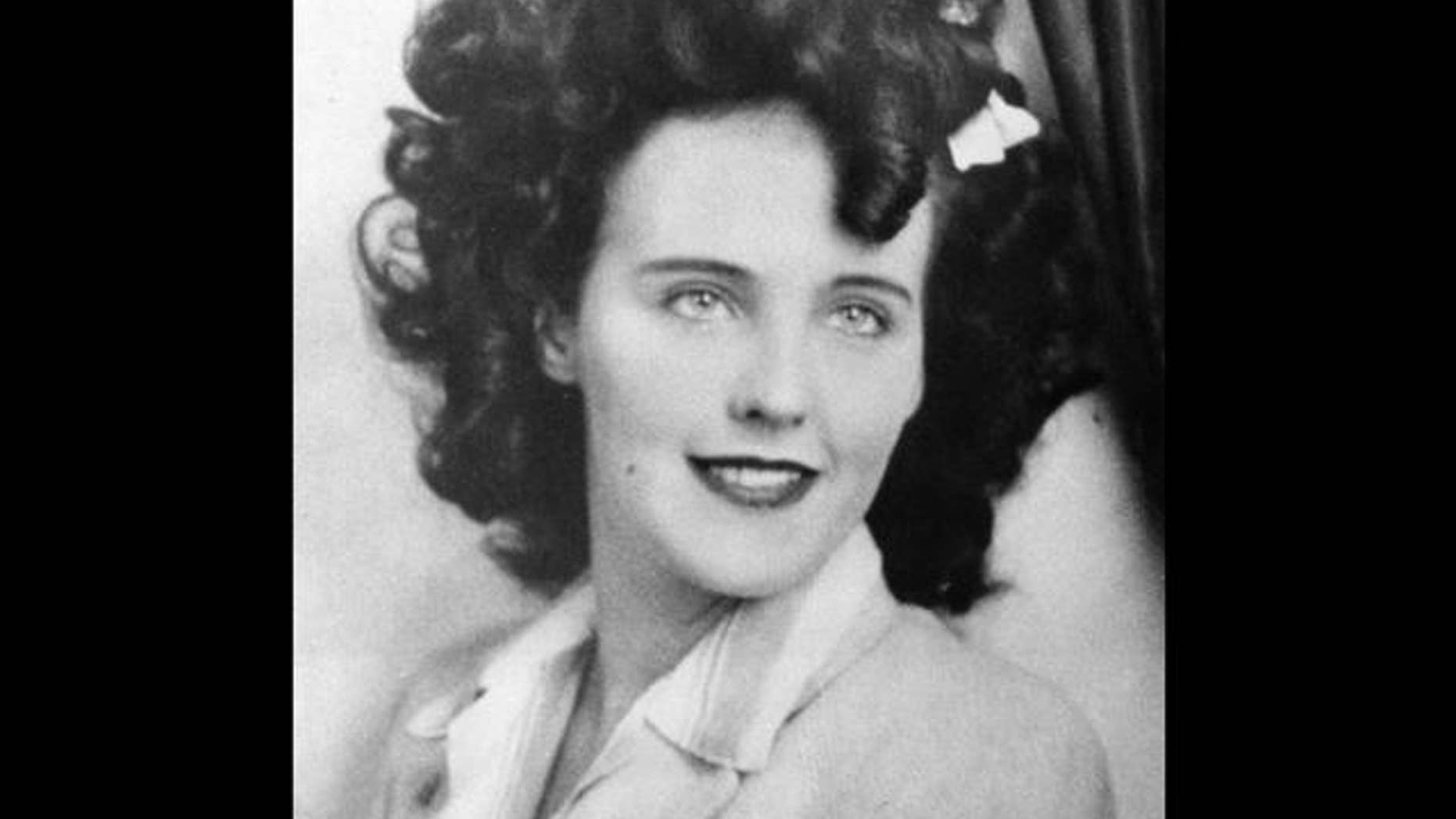
🚨 THE MANNEQUIN ON THE LOT
The morning of January 15, 1947, was bright in the Leimert Park area of Los Angeles.
A local resident walked across a vacant lot and saw something white on the ground.
She thought it was a mannequin, discarded and broken.
It was not a mannequin.
It was the body of a woman, severed at the waist and mutilated.
The resident called the police.
Officers arrived to find the body posed in a deliberate way, arms raised, legs spread.
The scene was in a residential neighborhood, between houses, in plain sight.
It was a horror arranged for discovery.
The press arrived quickly.
The case drew intense public attention from the first hour.
Newspapers printed the details, and the city read them over breakfast.
The victim had no name yet.
She was a woman, young, white, dark-haired, cut in half.
The police had no identification, no witnesses, no suspect.
They had a body in a lot and a crowd forming at the tape.
What they did not have was a killer.
What they did not have was a charge.
What they did not have was a trial.
That would require evidence, and evidence was not yet found.
The woman on the ground was not yet Elizabeth Short.
That name would come later, with the papers and the photographs and the nickname.
For now, she was a body in a vacant lot, and the city was already looking.
THE NAME: ELIZABETH SHORT
The victim was Elizabeth Short, a 22-year-old woman who had moved to California seeking work and a fresh start.
She was not yet famous.
She was not yet the Black Dahlia.
That name came after her death, a nickname reportedly derived from a film and her preference for dark clothing.
The exact origin of the nickname is not confirmed.
It is reported, not documented.
The papers took it up, and the city took it up, and the name stuck like a label on a jar.
But before the label, there was a person.
She had come west the way so many did, chasing something the city promised and rarely delivered.
She was young, and she was far from home, and she was looking for a way forward.
The Los Angeles Police Department assigned detectives to the case.
The lead detective has been widely reported as Harry Hansen.
He led one of the largest investigations in the department's history at the time.
He interviewed hundreds of people.
He followed thousands of leads.
He never found the killer.
No perpetrator was ever identified or charged.
No arrest was made.
No trial was held.
The case file would stay open, but the name would stay attached to the body in the lot.
Elizabeth Short became the story.
The story became the name.
The name became the case.
It is a name the city learned quickly.
It is a name that never left.
THE FIRST LEADS
The leads began with her belongings.
A newspaper clipping and an address book were found among Short’s things.
Those items pointed the LAPD toward a man named Robert “Red” Manley.
Manley had spent time with Short shortly before her death.
He was questioned for days.
He provided an alibi.
He was released.
He was never charged.
That is the documented record: a person of interest, not a suspect who stood trial.
The LAPD conducted one of the largest investigations in its history at the time.
Detectives interviewed hundreds of people.
They followed thousands of leads.
The case became a sprawling effort, fed by press attention and public fascination.
Manley’s name surfaced early, and for a moment it looked like a thread might pull loose.
A flicker of hope, then it faded.
Not because the police cleared him with certainty.
But because no evidence ever tied him to the crime.
His guilt is not established.
The record shows only that he was questioned and let go.
The address book and the clipping were real pieces of evidence.
They were not enough.
The investigation pressed on without him.
The city waited for another name.
None came.
THE BODY'S SECRETS
The body had been cleaned.
It had been posed.
Investigators read the staging as skill, and the skill as knowledge.
They believed the killer had some understanding of anatomy, perhaps even surgical technique.
That was a belief.
It was never proven.
Detectives interviewed hundreds of people.
They followed thousands of leads.
The LAPD ran one of the largest investigations in its history up to that point.
Every name led somewhere.
Every somewhere led nowhere.
The press was always there.
Leaks to the newspapers complicated the effort, according to the record.
Reporters knew details the public should not have known.
Detectives worked against the story as much as the crime.
Was the killer a doctor?
Was the killer someone who learned to cut elsewhere?
Was the staging a message, or a misdirection?
That would require evidence.
The evidence was limited.
DNA testing did not exist.
Physical material was collected, but it could not speak the way it speaks now.
No turning point ever emerged.
No single witness broke the case open.
No confession held up under scrutiny.
The leads thinned.
The file thickened.
Within a few years, the case went cold.
The investigation pressed on without him.
The city waited for another name.
None came.
THE FALSE CONFESSIONS
The case was marked by numerous false confessions and hoaxes, including letters purportedly from the killer that were sent to the press.
The letters arrived with details. The details matched the papers. The papers had printed the details first.
Men called the police station. Men wrote to the newspapers. Men walked into precincts and said they did it.
They said it again. They said it differently. They said it with tears. They said it with boasts.
Reports vary on the exact number of false confessions, but it was in the dozens.
Not dozens of leads. Dozens of people claiming the murder.
The LAPD conducted one of the largest investigations in its history at the time. Detectives interviewed hundreds of people and followed thousands of leads. Then they interviewed the confessors.
Each confession took time. Each confession took manpower. Each confession turned out to be nothing.
A man would describe the crime. The description matched the newspaper. The newspaper was in his pocket.
The exact number of false confessions is not known. Reports vary.
Some wanted attention. Some wanted to be near the case. Some wanted to be the name in the headline.
The journalists covered the confessions as they covered the murder. The coverage fed the confessions. The confessions fed the coverage.
A letter would arrive at a paper. The paper would print it. The police would chase it. The police would find nothing.
The case drowned in noise. The noise came from the city. The city wanted a story.
The story never came true.
THE LACK OF FORENSICS
The LAPD conducted one of the largest investigations in its history at the time.
Detectives interviewed hundreds of people. They followed thousands of leads.
They had the body. They had the clipping. They had the address book.
What they did not have was the science.
DNA testing did not exist in 1947. Physical evidence was limited, and what specific physical evidence existed is not detailed in the source.
A major mistake was the lack of forensic technology available at the time.
The body showed signs of having been cleaned and posed. Investigators believed the killer had some knowledge of anatomy or surgical technique. That was never proven.
The leaks came anyway. The press printed details the police had not released. The leaks complicated the effort.
A suspect would surface. The papers would name him. The police would question him. The police would release him.
No turning point ever emerged.
The case went cold within a few years.
Not because the detectives stopped working. Because the work had nowhere to go.
A hair could not be tested. A fibre could not be matched. A drop of blood could not be traced.
That would require DNA. That would require time. That would require a laboratory that did not exist.
What might have been solved with today's science? That question has no answer in the record.
The file stayed open. The leads dried up. The city moved on to the next story.
Elizabeth Short's case did not close. It just stopped moving.
THE PROSECUTION'S CASE
There was no trial.
No one was ever arrested, charged, or convicted in connection with the murder of Elizabeth Short.
The prosecutor's case never existed.
The LAPD interviewed hundreds of people and followed thousands of leads, according to the record.
The lead detective, Harry Hansen, oversaw one of the largest investigations in the department's history at the time.
But no file ever became an indictment.
The case remains officially unsolved.
Over the decades, several individuals have been named as suspects in books and documentaries.
None were ever formally charged.
The LAPD has periodically reopened the case.
No charges have ever been filed.
It is a case without a defendant.
It is a case without a verdict.
Who was the killer?
Who posed the body?
Who sent the letters?
That would require evidence.
The record shows no arrest.
The record shows no charge.
The record shows no trial.
What the record does show is a man named Robert "Red" Manley, questioned for days, then released on an alibi.
What the record does show is a series of false confessions, reported in the dozens.
What the record does show is a case that went cold within a few years.
The prosecution's case never materialized.
Not because the killer was unknown.
But because the killer was never named in a courtroom.
Elizabeth Short's murder remains officially unsolved.
The file stayed open.
The case did not close.
It just stopped moving.
THE DEFENCE'S STORY
There was no trial.
No one was ever arrested, charged, or convicted in connection with the murder of Elizabeth Short.
The case remains officially unsolved.
Over the decades, several individuals have been named as suspects in books and documentaries, but none were ever formally charged.
The LAPD has periodically reopened the case, but no charges have ever been filed.
That is the entire defence's story.
Not because a defence was prepared and lost.
Not because a defence was presented and rejected.
Not because a defence was mounted and failed.
Because there was no trial.
The record holds no opening statement, no cross-examination, no closing argument.
It holds no defendant.
It holds no verdict.
Without a trial, there is no defence—only silence.
The file stayed open because there was no one to close it against.
The case did not close because there was no case to close.
It just stopped moving.
A defence would require a charge.
A charge would require an arrest.
An arrest would require a suspect.
That would require evidence.
The record does not establish who killed Elizabeth Short.
It does not establish that any named person did.
It establishes only what happened to her body, and what happened after: interviews, thousands of leads, false confessions, press leaks.
And then nothing.
No accusation.
No answer.
No defence.
Only the open file, the unmarked grave, and the question that has no respondent.
THE VIRAL THEORY
The case has been the subject of numerous books, films, and television programs.
Each one names a suspect.
Each one claims a solution.
Over the decades, several individuals have been named as suspects in books and documentaries, but none were ever formally charged.
The record shows no arrest.
The record shows no charge.
The record shows no trial.
That is what the record shows.
A viral theory may name a doctor.
A viral theory may name a millionaire.
A viral theory may name a father.
None of them are confirmed by the file.
The LAPD has periodically reopened the case, but no charges have ever been filed.
In 2013, the LAPD announced it was re-examining the case with modern forensic techniques, but no public results have been released.
No results.
No announcement.
No closure.
The case file remains open, and the identity of the killer is still unknown.
That is not a theory.
That is the documented state of the record.
Was the killer someone who knew her?
Was the killer a stranger?
Was the killer ever questioned?
That would require evidence.
The viral theories are endless.
The documented record is thin.
It is a famous case.
It is also an unsolved one.
The mannequin on the lot became a story.
The story became a legend.
The legend became a subject for books, films, and television programs.
But the legend is not the file.
The file is open.
The killer is unknown.
No viral theory is confirmed by the record.
That is the line between what is viral and what is documented.
AND THE STORY STILL ISN'T OVER
In 2013, the LAPD announced it was re-examining the case with modern forensic techniques.
What those techniques found has not been made public.
The results of that re-examination are not in the record.
The case file remains open.
The identity of the killer is still unknown.
Elizabeth Short was buried in an unmarked grave in Oakland, California.
A headstone was later added by a private individual.
Not by the city. Not by the family.
By a stranger who wanted her name in stone.
Her family has largely stayed out of the public eye.
No later developments have led to a resolution.
No arrest. No charge. No trial.
The case is not closed.
It is not solved.
It is simply old.
The detectives who worked it are gone.
The witnesses are gone.
The leads have dried up.
And still the file sits somewhere in an LAPD archive.
A folder with a name on it.
A name the public gave her after she died.
The Black Dahlia.
She was 22.
She was found on a vacant lot.
She was posed like a mannequin.
The mannequin is the only part of the story that ever moved.
The case is a sensation.
The case is a theory.
The case is a book, a film, a podcast.
The case is not a conviction.
That is the difference.
That is the line.
Every few years, a new name surfaces.
A new suspect in a new documentary.
A new confession from a dead man.
None of it is evidence.
None of it is a charge.
None of it brings her back.
She was buried without a marker.
She was remembered by a stranger.
She is still waiting for a resolution that has not come.
The story is not over.
It just has nowhere left to go.
Advertisement
You may also like
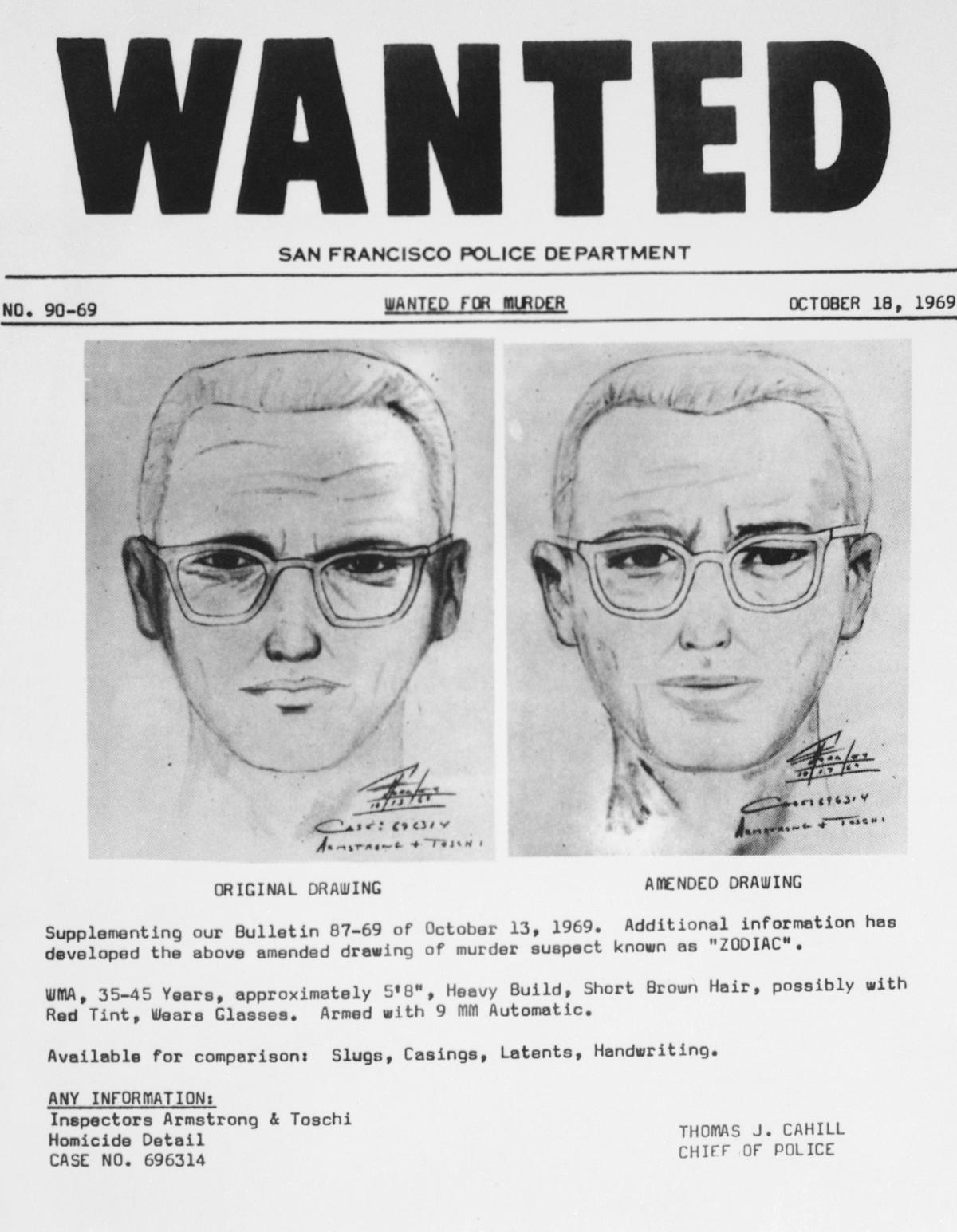
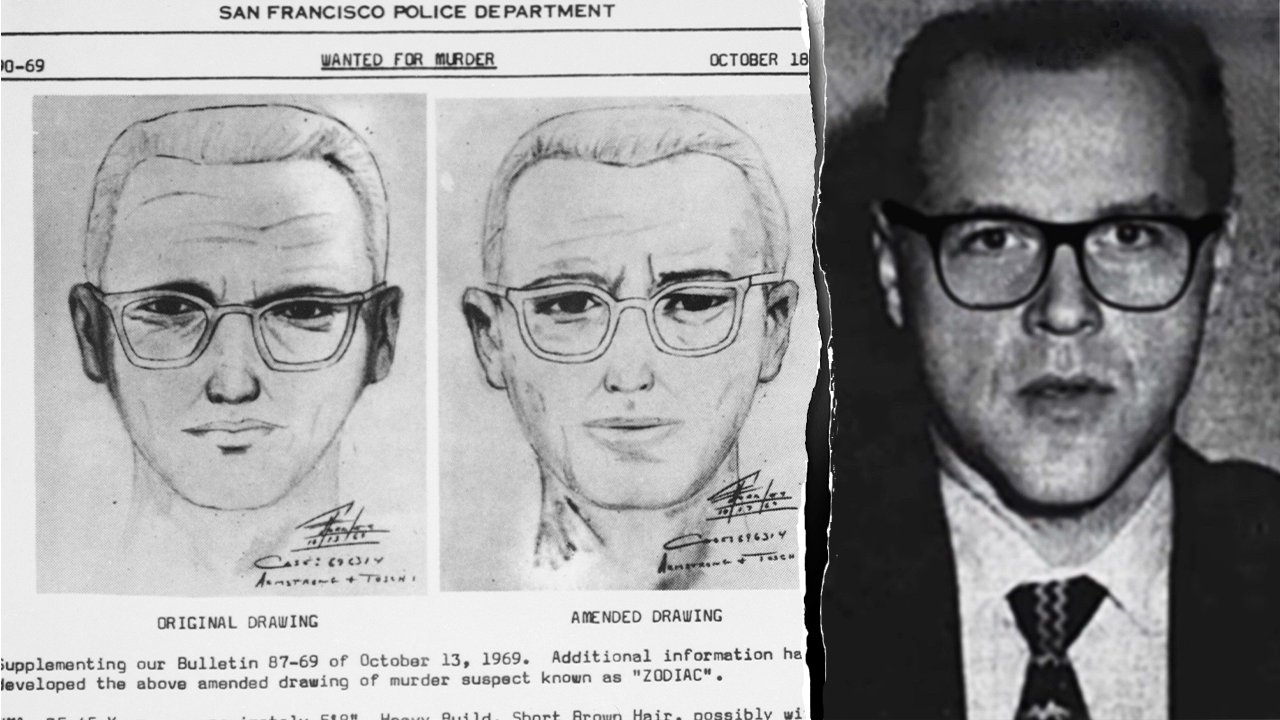
Zodiac Killer case remains unsolved after 1968-69 attacks, no suspect ever charged
🚨 THE COLD OPEN: THE THEORY THAT WON'T DIE In 2021, a team of cold-case investigators claimed to have identified the Zodiac Killer as…
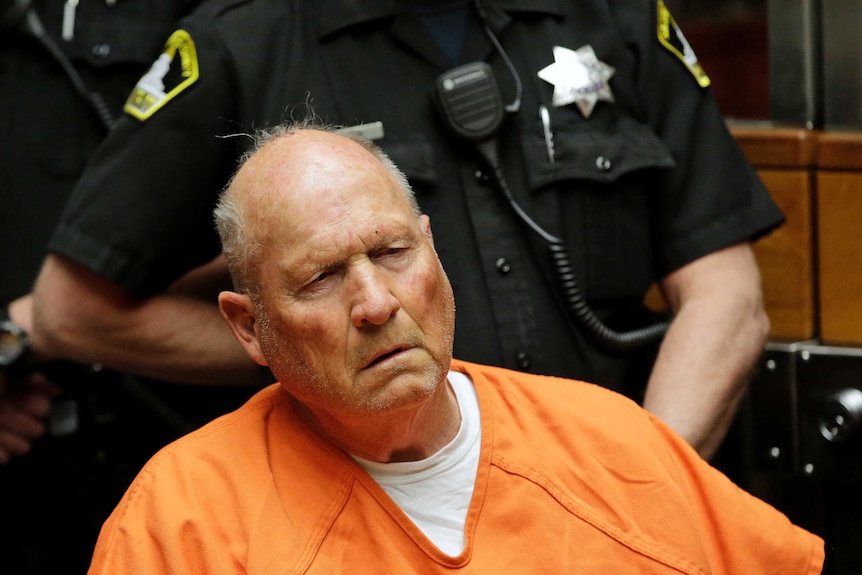
Ex-cop DeAngelo pleads guilty to Golden State Killer murders, rapes after 40-year hunt
🚨 THE PLEA In 2020, Joseph James DeAngelo Jr. pleaded guilty to 13 murders and 13 kidnapping-for-robbery counts, plus numerous rape-related charges, as part…
Manson Family murders trial ends with convictions for 7 killings
🚨 THE VERDICT, 1971 The verdict came in January 1971. A jury found Charles Manson, Susan Atkins, Patricia Krenwinkel, and Leslie Van Houten guilty…
O.J. Simpson acquitted of 1994 murders of ex-wife and waiter after nine-month trial
🚨 THE DOG AT MIDNIGHT It is June 12, 1994. A dog wanders the streets of Brentwood with blood on its paws. A passerby…
Lindbergh Baby Kidnapping: 1932 Abduction, 1935 Conviction, 1936 Execution Timeline
On the evening of March 1, 1932, Charles Lindbergh Jr., the 20-month-old son of aviator Charles Lindbergh and his wife Anne Morrow Lindbergh, was…
Black Dahlia case: 1947 Los Angeles murder of Elizabeth Short remains unsolved, no charges ever filed
On the morning of January 15, 1947, a woman's body was discovered in a vacant lot on Norton Avenue in the Leimert Park area…