Black Dahlia case: 1947 Los Angeles murder of Elizabeth Short remains unsolved, no charges ever filed
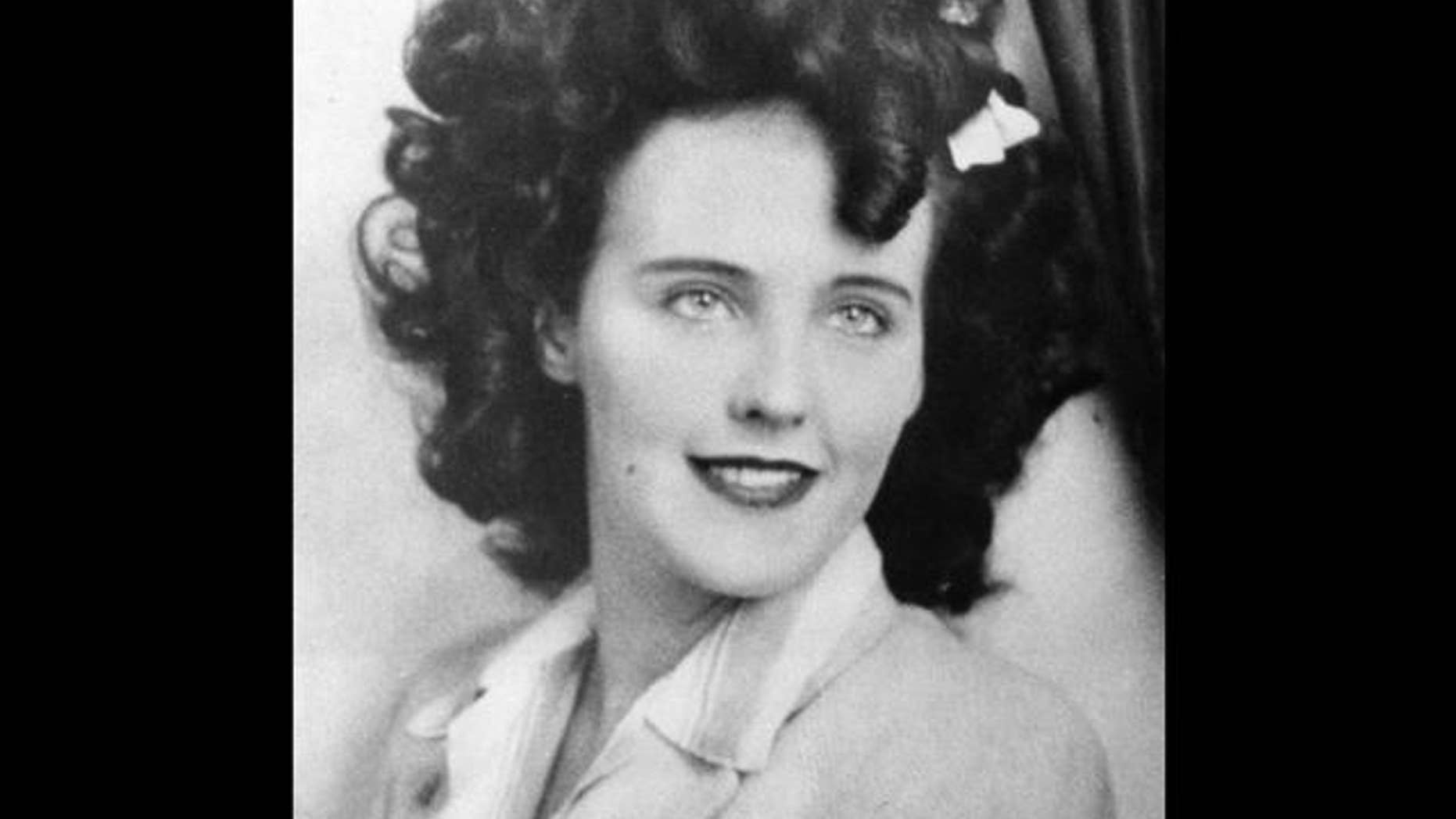
On the morning of January 15, 1947, a woman's body was discovered in a vacant lot on Norton Avenue in the Leimert Park area of Los Angeles. A mother pushing her child in a stroller initially believed the figure was a mannequin, according to the case file. The body was severed at the waist, drained of blood, and posed. The victim was later identified as Elizabeth Short, a 22-year-old aspiring actress from Massachusetts. She had been reported missing several days earlier.
The case became known as the Black Dahlia murder, a nickname derived from a film noir title and popular press accounts of Short's dark clothing and alleged habit of wearing black. From the start, the investigation was hampered. The body had been washed clean of blood, and there were no fingerprints or clear forensic traces. The killer had posed the body deliberately, and the medical examiner determined the cause of death was blunt-force trauma to the head, with the severing done after death.
The Los Angeles Police Department's investigation involved numerous detectives, but the lead detective on the case was Harry Hansen, who was widely covered in the press. Also involved was a man named Robert "Red" Manley, a salesman who had driven Short to Los Angeles and was briefly a suspect; he was cleared. Police interviewed Manley, who had a solid alibi and passed polygraph tests, according to case records.
The case drew intense media attention. Dozens of people confessed to the crime, none credibly, according to investigators. The LAPD received hundreds of tips and false confessions. A key piece of evidence was a portion of the victim's address book, which was mailed to a newspaper, but it yielded no viable suspect.

The case was marked by significant mistakes. The crime scene was not immediately secured, and crowds of onlookers and reporters contaminated the area, according to the case file. Over the years, several detectives and journalists claimed to have identified the killer, but none of these claims were substantiated in court.
There was no trial. No charges were ever filed. The Los Angeles County District Attorney's office reviewed the evidence multiple times but never had enough to indict anyone, according to the case file. The case was formally left open, and the statute of limitations for murder does not apply, so it remains technically active. No one was ever convicted, acquitted, or sentenced in connection with the death of Elizabeth Short.
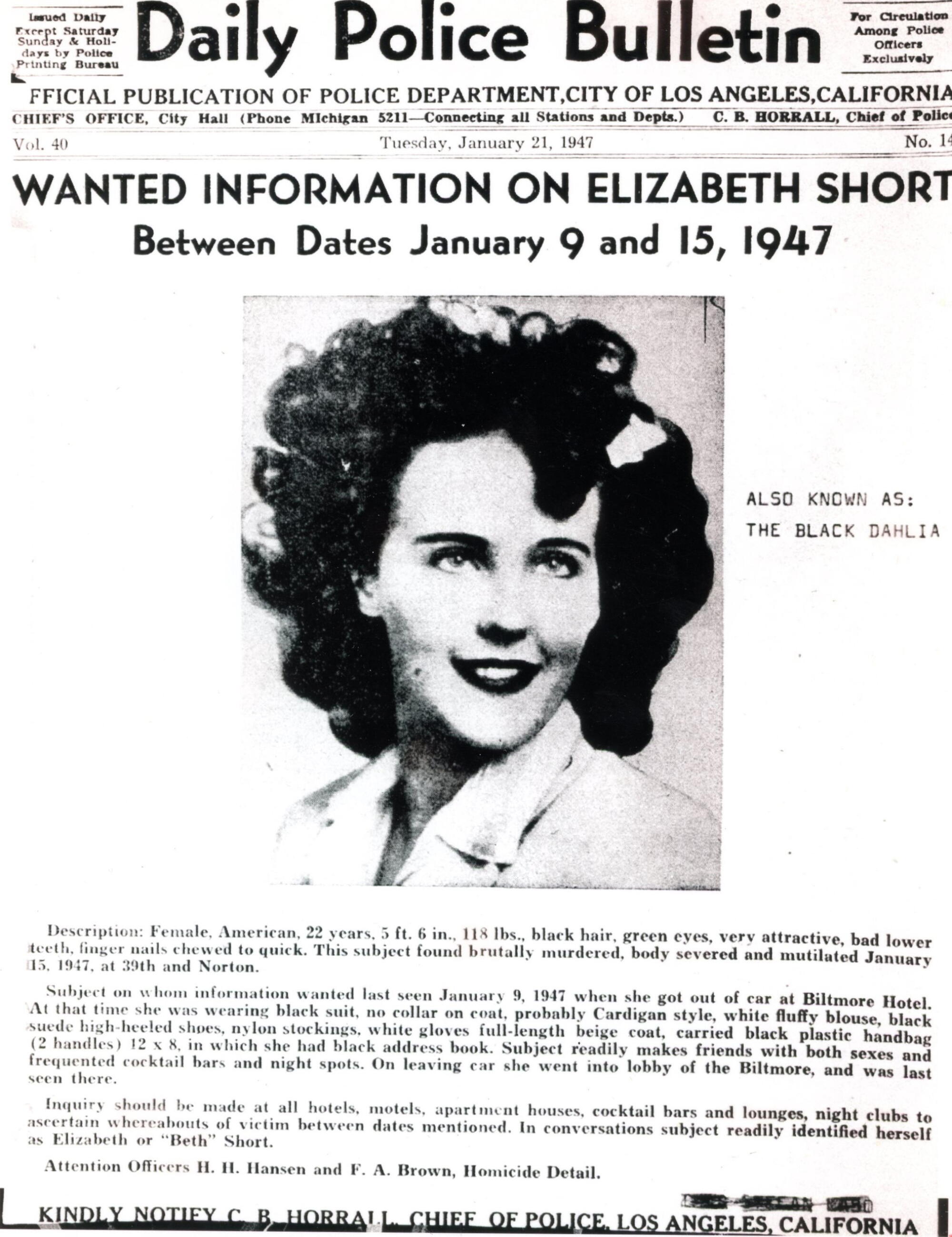
The Black Dahlia case remains one of the most famous unsolved murders in American history. The LAPD has periodically revisited the case, but no arrest has ever been made. Several books, films, and documentaries have speculated about suspects, including a doctor, a journalist, and others, but none of these theories have been proven. Elizabeth Short was buried in Oakland, California. Her family, including her mother, lived for decades without resolution.
What is still unknown is the identity of the killer. The case file remains open, and the LAPD has stated that it still receives tips. No one has ever been named as a formal suspect by the department in a way that led to charges. The next step, if any, would be a new tip or evidence that could lead to an arrest, but after more than seven decades, the case remains unsolved.
Advertisement
You may also like
Unsolved 1947 Black Dahlia murder: Elizabeth Short's body found, killer never charged
🚨 THE MANNEQUIN ON THE LOT The morning of January 15, 1947, was bright in the Leimert Park area of Los Angeles. A local…
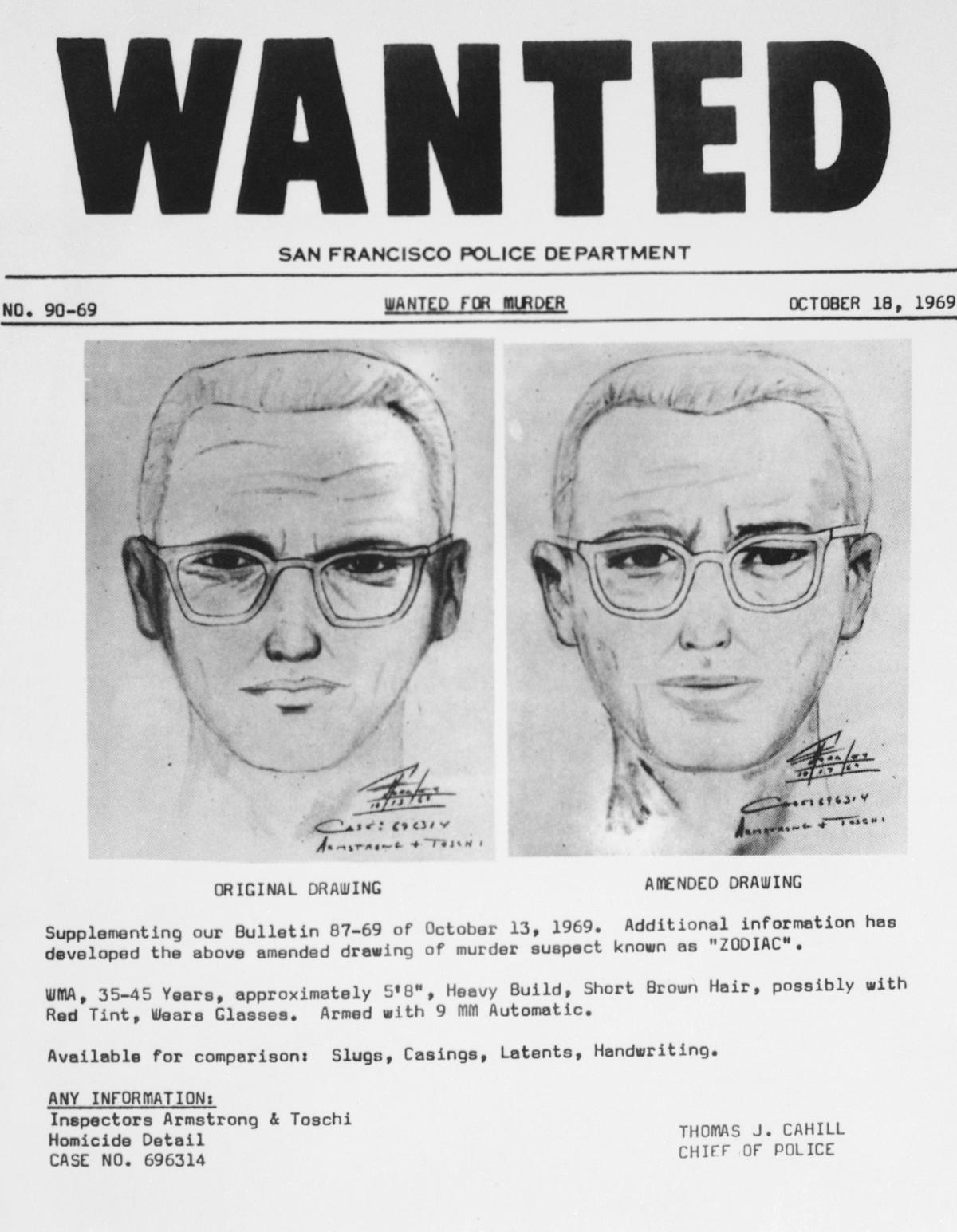
Zodiac Killer case remains unsolved after 1968-69 attacks, no suspect ever charged
🚨 THE COLD OPEN: THE THEORY THAT WON'T DIE In 2021, a team of cold-case investigators claimed to have identified the Zodiac Killer as…
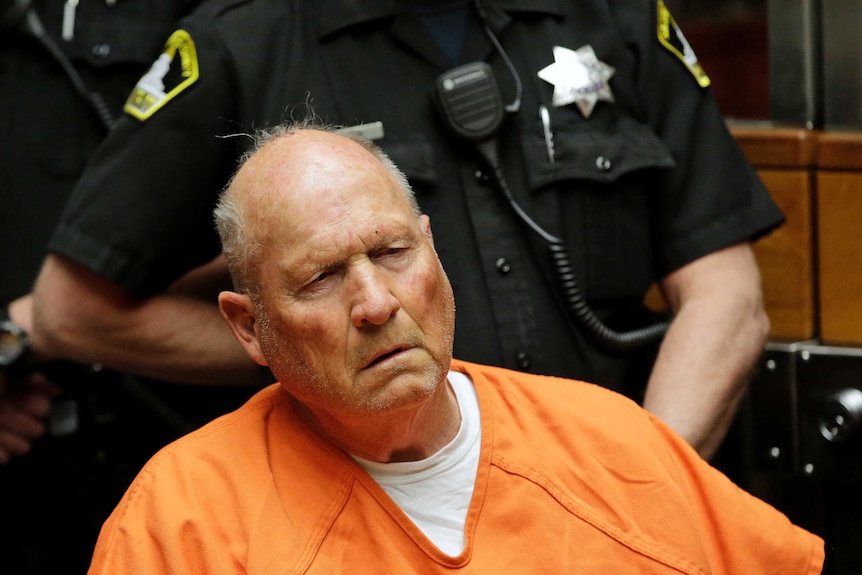
Ex-cop DeAngelo pleads guilty to Golden State Killer murders, rapes after 40-year hunt
🚨 THE PLEA In 2020, Joseph James DeAngelo Jr. pleaded guilty to 13 murders and 13 kidnapping-for-robbery counts, plus numerous rape-related charges, as part…
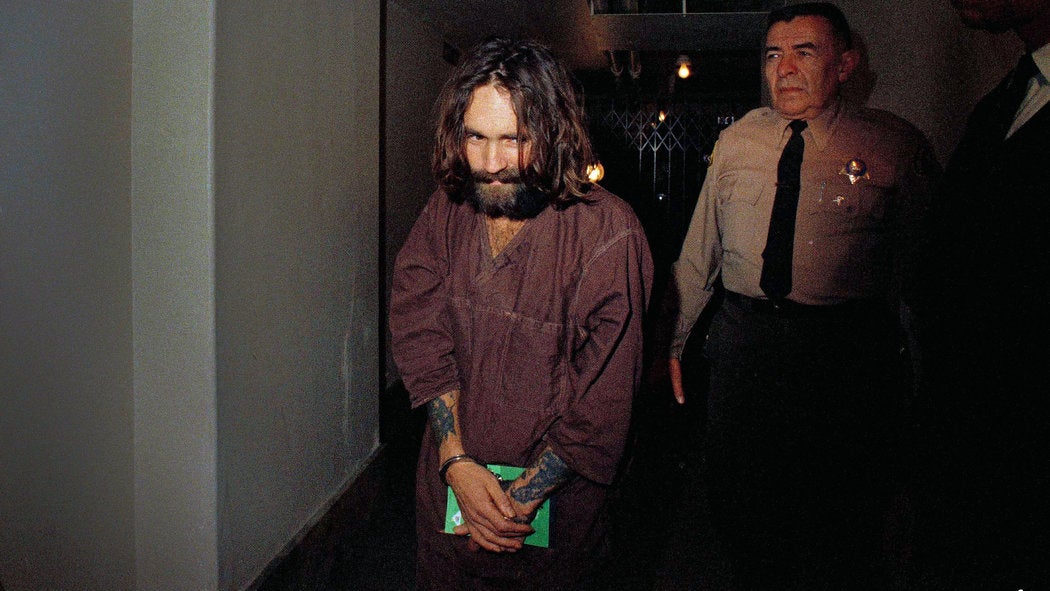
Manson Family murders trial ends with convictions for 7 killings
🚨 THE VERDICT, 1971 The verdict came in January 1971. A jury found Charles Manson, Susan Atkins, Patricia Krenwinkel, and Leslie Van Houten guilty…
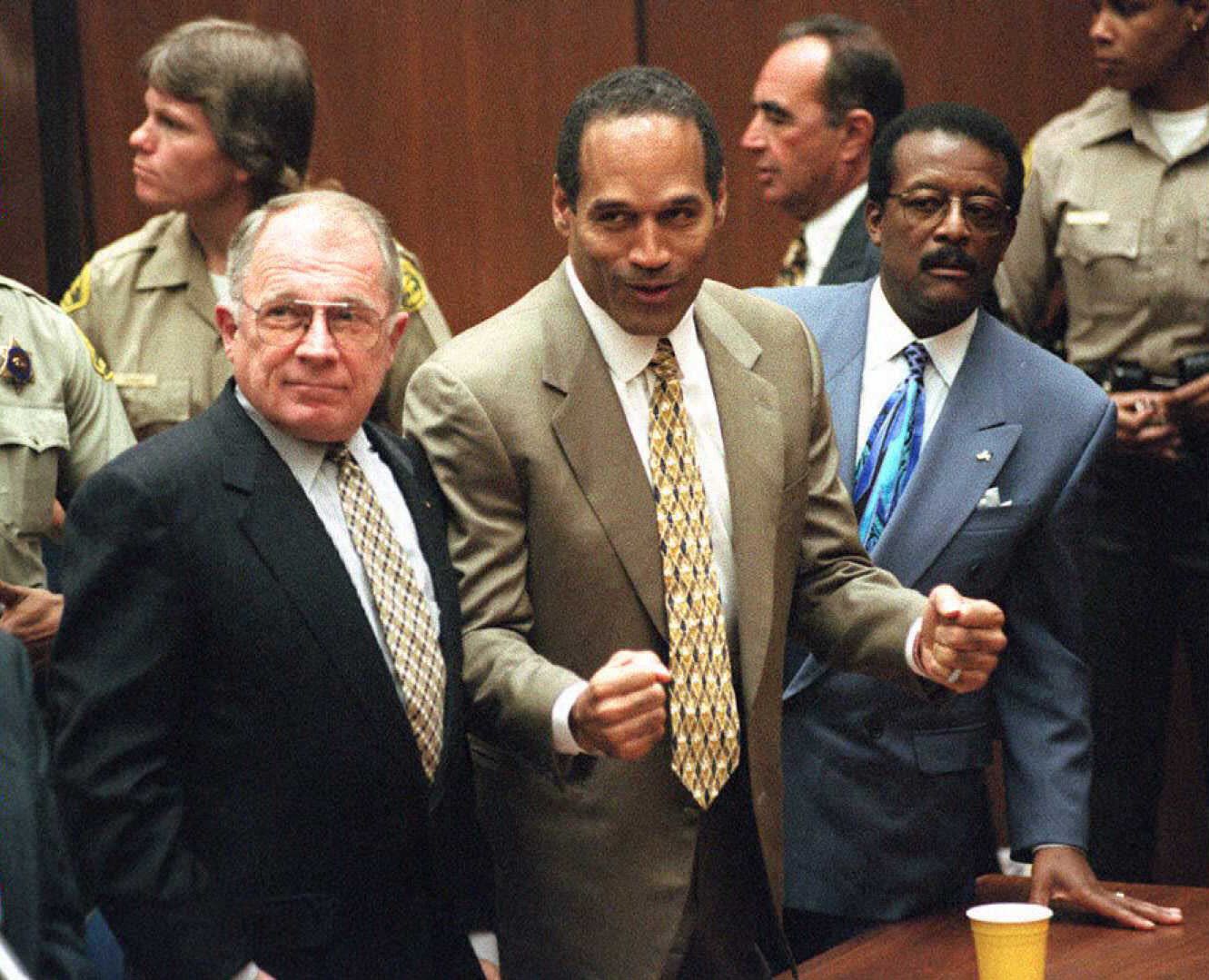
O.J. Simpson acquitted of 1994 murders of ex-wife and waiter after nine-month trial
🚨 THE DOG AT MIDNIGHT It is June 12, 1994. A dog wanders the streets of Brentwood with blood on its paws. A passerby…
Lindbergh Baby Kidnapping: 1932 Abduction, 1935 Conviction, 1936 Execution Timeline
On the evening of March 1, 1932, Charles Lindbergh Jr., the 20-month-old son of aviator Charles Lindbergh and his wife Anne Morrow Lindbergh, was…