Zodiac Killer case remains unsolved after 1968-69 attacks, no suspect ever charged
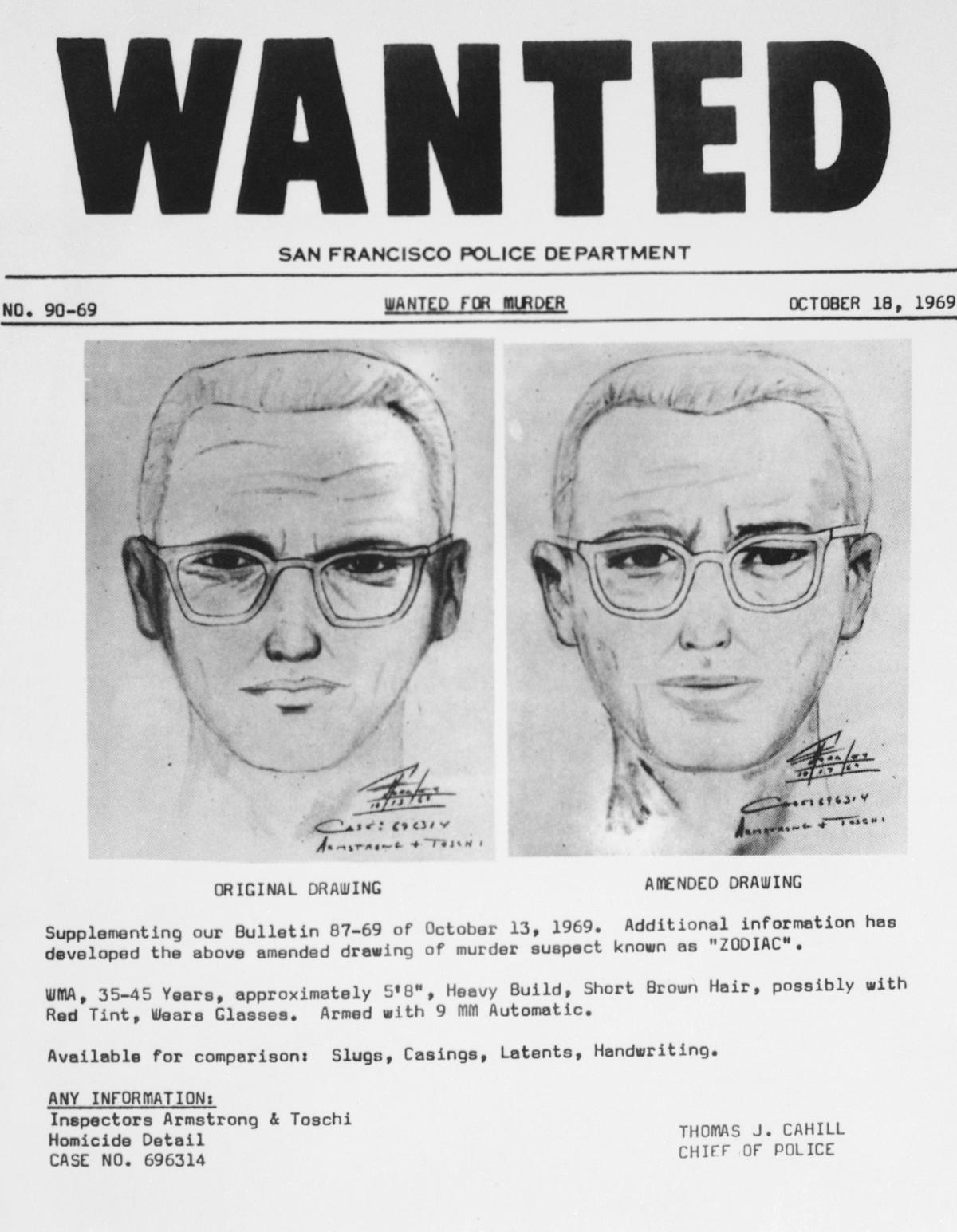
🚨 THE COLD OPEN: THE THEORY THAT WON'T DIE
In 2021, a team of cold-case investigators claimed to have identified the Zodiac Killer as Gary Francis Poste.
Law enforcement officials publicly rejected the claim, saying it was not supported by evidence.
That claim is not established by the record.
The Zodiac case began with a series of attacks in Northern California between December 1968 and October 1969.
The killer later claimed additional victims.
No suspect was ever charged with the Zodiac murders.
The killer’s name came from taunting letters sent to newspapers, each signed with a crosshair symbol.
Is Gary Francis Poste the Zodiac Killer?
Is the 2021 claim proof?
Is the case solved?
That would require evidence.
The record shows no charges, no conviction, no confession.
It shows a case that remains open.
It shows a case that remains unsolved.
The letters were authenticated by details only the killer would know, such as crime-scene facts not released to the public.
Those letters gave the killer his name.
Those letters gave the case its shape.
Those letters did not give the killer away.
A theory circulating online is not the same as a fact established by the record.
The 2021 claim about Poste was made.
The 2021 claim about Poste was rejected.
The 2021 claim about Poste remains unproven.
The Zodiac case began with attacks.
It continued with letters.
It ends, for now, with a question.
DECEMBER 20, 1968 — THE FIRST SHOTS
The first confirmed attack came on December 20, 1968.
It happened on a remote road near Vallejo, California.
Two teenagers were shot and killed.
The shooter was not identified that night.
He was not identified the next day.
He has not been identified since.
The shell casings left at the scene would later be matched to a gun used in the July 1969 attack.
That match linked the two shootings.
It did not link them to a name.
The identity of the shooter is not established.
The record shows two dead teenagers and a set of casings.
It shows a road outside Vallejo on a December night.
It does not show who pulled the trigger.
The attack was the beginning.
It was the first documented moment of a case that would stretch across jurisdictions and decades.
Police arrived, investigated, and found nothing conclusive.
The victims were young.
The location was isolated.
The weapon was a handgun, described by witnesses as a 9mm Luger.
The casings stayed in evidence.
They stayed there for months, for years, for the rest of the century.
The case would grow.
It would add more attacks, more letters, more ciphers.
But this was the first.
Two teenagers, shot and killed, on a remote road.
No suspect was ever charged with their murders.
No one was ever charged with the attack at all.
The shooter remains unknown.
That is what the record establishes.
That is all the record establishes.
JULY 4, 1969 — THE GOLF COURSE
The second attack came on July 4, 1969.
It happened at a golf course in Vallejo, California, on a holiday night.
A young couple was parked there. A man approached and shot them.
The male victim died. The female survived.
Witnesses described the weapon as a 9mm Luger handgun.
Police found shell casings at the scene.
Those casings were later matched to a gun used in the December 1968 shooting.
That match linked the two attacks. That match made a pattern.
One shooter. One weapon. Two nights of gunfire, months apart.
The killer was not seen leaving. No one saw his face.
The female survivor could describe the moment, but not the man.
She said a figure came out of the darkness and opened fire.
That is what she told police. That is what the record shows.
The gun was never found. The shooter was never identified.
Not that night. Not in the weeks after. Not in the decades since.
The identity of the killer is not established. The record does not establish it.
What the record does establish is the casings, the weapon type, the two attacks.
It establishes a couple shot on a golf course. It establishes one death and one survival.
It establishes that the same gun fired in December and again in July.
That is the connection. That is the evidence.
The pattern was there, but the man behind it was not.
He remained in the dark, as he had been on the golf course.
The couple saw a gun. They did not see a name.
No suspect was charged for this attack. No suspect was ever charged for any of them.
The shooter remains unknown. That is what the record establishes.
That is all the record establishes.
SEPTEMBER 27, 1969 — LAKE BERRYESSA
The third attack came on September 27, 1969, at Lake Berryessa.
Two people were stabbed. The male victim died. The female survived.
The surviving victim described the attacker as a man wearing a hooded costume and glasses.
The costume was not a disguise. It was a statement.
The weapon was a knife.
The same surviving victim later identified a person of interest from a photo lineup.
That identification did not lead to charges.
That is what the record establishes.
The attacker’s identity is not established. No suspect was charged for this attack.
She described what she saw. She picked a face from a photo. The lead went nowhere.
Not because the identification was false. Not because the person was cleared. Because no charges resulted.
The lake was quiet that afternoon. Two people were there. One walked away.
She walked away with a description. She walked away with a face in a photo. She walked away with nothing that closed the case.
The hooded costume was described in detail. The glasses were described in detail. The knife was described in detail.
Details are not proof. A photo lineup is not a conviction.
The male victim died at the scene. The female victim survived to testify to what she saw.
She testified to the costume. She testified to the glasses. She testified to the knife.
The record holds her account. The record holds the photo lineup. The record holds no charges.
The attacker remains unknown at Lake Berryessa. That is all the record establishes.
OCTOBER 11, 1969 — THE TAXI DRIVER
The last confirmed attack came on October 11, 1969, in San Francisco.
A taxi driver was shot and killed that night.
San Francisco police found a fingerprint on the cab door.
The fingerprint was never matched.
The weapon was a .22-caliber pistol.
That is the final confirmed attack the record establishes.
It is the last attack, but it is not the end of the story.
The killer sent more letters after that night, each signed with the crosshair symbol.
The letters were authenticated by details only the killer would know.
The fingerprint on the cab door was one piece of evidence.
It was never matched to any person.
The killer's identity is not established by the record.
San Francisco police investigated the taxi driver's murder.
They had the cab, the fingerprint, the bullet.
They had no name.
The case remained open across jurisdictions.
Vallejo had its shell casings. Napa had its witness. San Francisco had its fingerprint.
None of it connected to a charged suspect.

No suspect was ever charged with the Zodiac murders.
That is the outcome of the record.
The taxi driver was the final victim.
His killer remains unknown.
THE LETTERS AND THE CIPHERS
The killer made himself known through the mail.
He sent taunting letters to the San Francisco Chronicle, the San Francisco Examiner, and the Vallejo Times-Herald.
Each letter was signed with a crosshair symbol.
That symbol became his name.
The letters were authenticated by details only the killer would know.
Crime-scene facts not released to the public appeared in the text.
That is how the record confirms the letters were real.
The letters carried cryptograms.
One cipher was solved in 1969 by a schoolteacher and his wife.
It revealed a message in which the killer claimed to be collecting slaves for the afterlife.
It did not reveal his name.
Other ciphers remained unsolved.
Decades passed.
In 2020, amateur codebreakers solved a 340-character cipher.
The solution was a message.
It did not reveal the killer's name either.
The ciphers were taunts, not confessions.
They proved the writer knew the details of the crimes.
They proved nothing about who he was.
The identity is not established by the ciphers.
Not by the solved ones.
Not by the unsolved ones.
The record holds no name in those symbols.
Only the boast of a man who signed with a crosshair.
THE PERSONS OF INTEREST
Several persons of interest were investigated over the years.
Arthur Leigh Allen was one of them.
Allen was named in a 1971 police report.
He was investigated again in the 1990s.
A surviving victim had identified Allen from a photo lineup, according to the record.
That lead did not result in charges.
Allen was never charged with the Zodiac murders.
He died in 1992.
In 2002, DNA testing on a letter envelope was inconclusive.
It did not match Allen.
The record does not establish Allen’s guilt.
It does not establish anyone’s guilt.
No suspect was ever charged with the Zodiac murders.
There was no trial.
There is no verdict.
There is no sentence.
There is no appeal, because the case never went to court.
Leads were investigated, and leads were exhausted.
A fingerprint on the taxi cab door was never matched.
A cipher solved in 1969 revealed a boast, not a name.
A 340-character cipher solved in 2020 did not reveal the killer’s name either.
The persons of interest remain persons of interest.
They are not suspects who were charged.
They are not suspects who were convicted.
They are names in reports, leads that went nowhere.
Allen’s name surfaced in 1971, resurfaced in the 1990s, and faded with his death.
The DNA test in 2002 was inconclusive.
Inconclusive is the word that follows this case around.
The record holds no confession, no match, no charge.
That would require evidence.
That would require a suspect who was ever charged.
THE INVESTIGATION'S MISTAKES
Police in multiple jurisdictions investigated, each with its own files, its own leads, its own suspects.
Vallejo had the first two attacks. Napa County had Lake Berryessa. San Francisco had the taxi driver.
The jurisdictions did not always share what they knew.
That failure to coordinate was one of the mistakes. It is named in the record as a mistake.
Some physical evidence was also lost or mishandled over the decades. The record says so without detailing every item.
What exactly went missing, what exactly was mishandled — that detail is not established. The full extent of the mistakes is not in the record.
The shell casings from July 1969 were matched to the December 1968 gun. That match held.
The fingerprint on the taxi cab door was never matched. That print remained unmatched.
The 2002 DNA test on a letter envelope was inconclusive. It did not match Arthur Leigh Allen, the person of interest who was never charged.
The case remains open. The case remains unsolved.
What if one detective had called another? What if one file had been copied and sent? What if a single piece of evidence had been stored differently?
That would require a record of the counterfactual. The record holds no such answer.
It holds only the mistakes, the lost items, the unsolved ciphers.
It holds no charge. It holds no verdict. It holds no conviction.
The case remains open and unsolved.
THE VIRAL CLAIM VS. THE RECORD
In 2021, a team of cold-case investigators claimed to have identified the killer as Gary Francis Poste.
The claim spread online. It was shared, liked, and repeated as fact.
Law enforcement officials publicly rejected the claim, saying it was not supported by evidence.
They did not charge Poste. They did not name him as a suspect in any official record.
The claim about Poste is not established by the record.
It is a theory. It is a theory that circulates online.
The record shows something else: no suspect was ever charged with the Zodiac murders.
There was no trial. There was no verdict. There was no conviction.
The case file holds a fingerprint that was never matched. It holds shell casings matched across two attacks. It holds ciphers, some solved and some not.
It does not hold a name.
Not because the investigation lacked candidates. Arthur Leigh Allen was named in a 1971 police report and investigated again in the 1990s. He was never charged. He died in 1992.
The case remains open and unsolved.
That is the documented fact. The Poste claim is not part of it.
What separates a viral theory from a documented fact? Evidence. A charge. A match that holds.
The record offers none of those for Poste.
The case remains open and unsolved.
AND THE STORY STILL ISN'T OVER
The case remains open and unsolved.
In 2018, police in Vallejo announced they had submitted new DNA evidence for testing.
No results have been publicly released.
That is not established by the record.
The killer's identity remains unknown.
Surviving victims and the families of the deceased continue to seek answers.
They have waited through decades of leads, letters, and false resolutions.
The case has been the subject of numerous documentaries, books, and films.
Each retelling asks the same question.
Each retelling offers a new name, a new theory, a new hope.
None of them close the file.
The record shows no suspect was ever charged.
The record shows no trial, no verdict, no sentence.
What remains is a stack of case files, a solved cipher, an unsolved cipher, and a fingerprint that never matched.
What remains is a hooded description from a survivor, a photo lineup that led nowhere, and DNA tests that came back inconclusive in 2002.
What remains is the 2018 submission, sitting in a lab somewhere, unreported.
Will it change anything?
Will it match?
That would require evidence.
That would require a release of results.
Neither has come.
The Zodiac Killer case is one of the most famous unsolved serial murder investigations in American history.
It is also, plainly, unsolved.
The next step could come at any time.
Or it could never come.
The families wait anyway.
So do the survivors.
So does the record, open and unfinished.
Advertisement
You may also like
Unsolved 1947 Black Dahlia murder: Elizabeth Short's body found, killer never charged
🚨 THE MANNEQUIN ON THE LOT The morning of January 15, 1947, was bright in the Leimert Park area of Los Angeles. A local…
Ex-cop DeAngelo pleads guilty to Golden State Killer murders, rapes after 40-year hunt
🚨 THE PLEA In 2020, Joseph James DeAngelo Jr. pleaded guilty to 13 murders and 13 kidnapping-for-robbery counts, plus numerous rape-related charges, as part…
Manson Family murders trial ends with convictions for 7 killings
🚨 THE VERDICT, 1971 The verdict came in January 1971. A jury found Charles Manson, Susan Atkins, Patricia Krenwinkel, and Leslie Van Houten guilty…
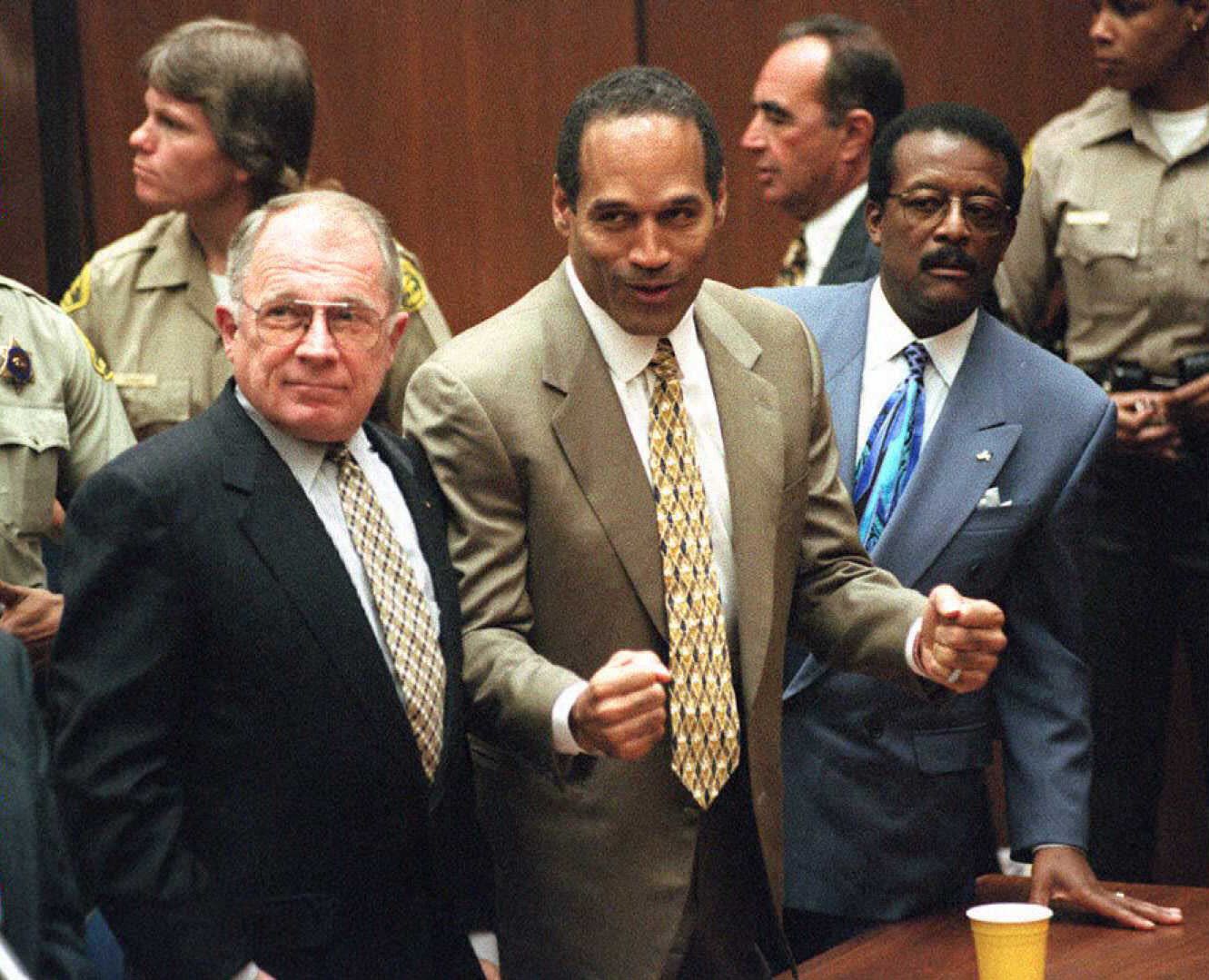
O.J. Simpson acquitted of 1994 murders of ex-wife and waiter after nine-month trial
🚨 THE DOG AT MIDNIGHT It is June 12, 1994. A dog wanders the streets of Brentwood with blood on its paws. A passerby…
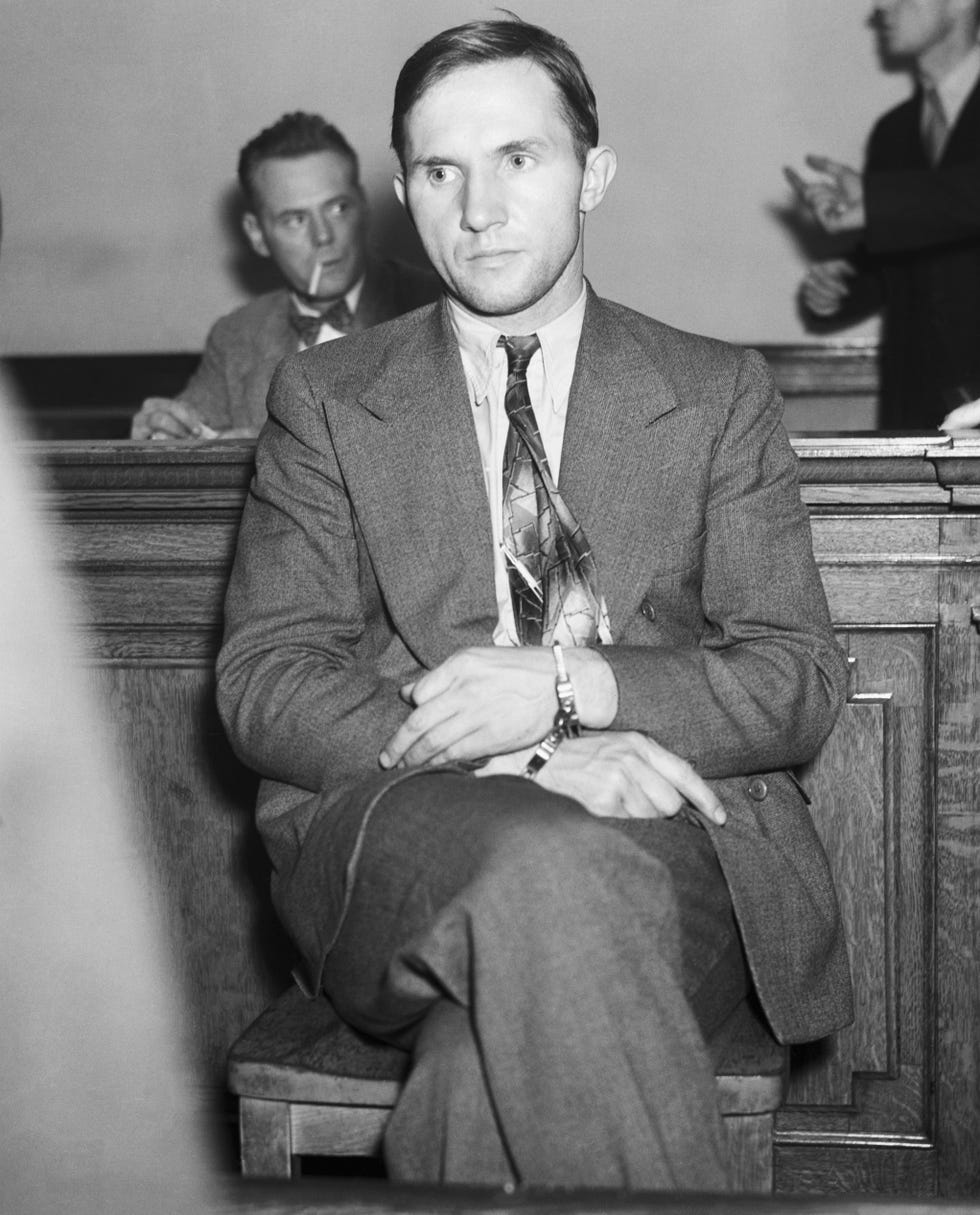
Lindbergh Baby Kidnapping: 1932 Abduction, 1935 Conviction, 1936 Execution Timeline
On the evening of March 1, 1932, Charles Lindbergh Jr., the 20-month-old son of aviator Charles Lindbergh and his wife Anne Morrow Lindbergh, was…
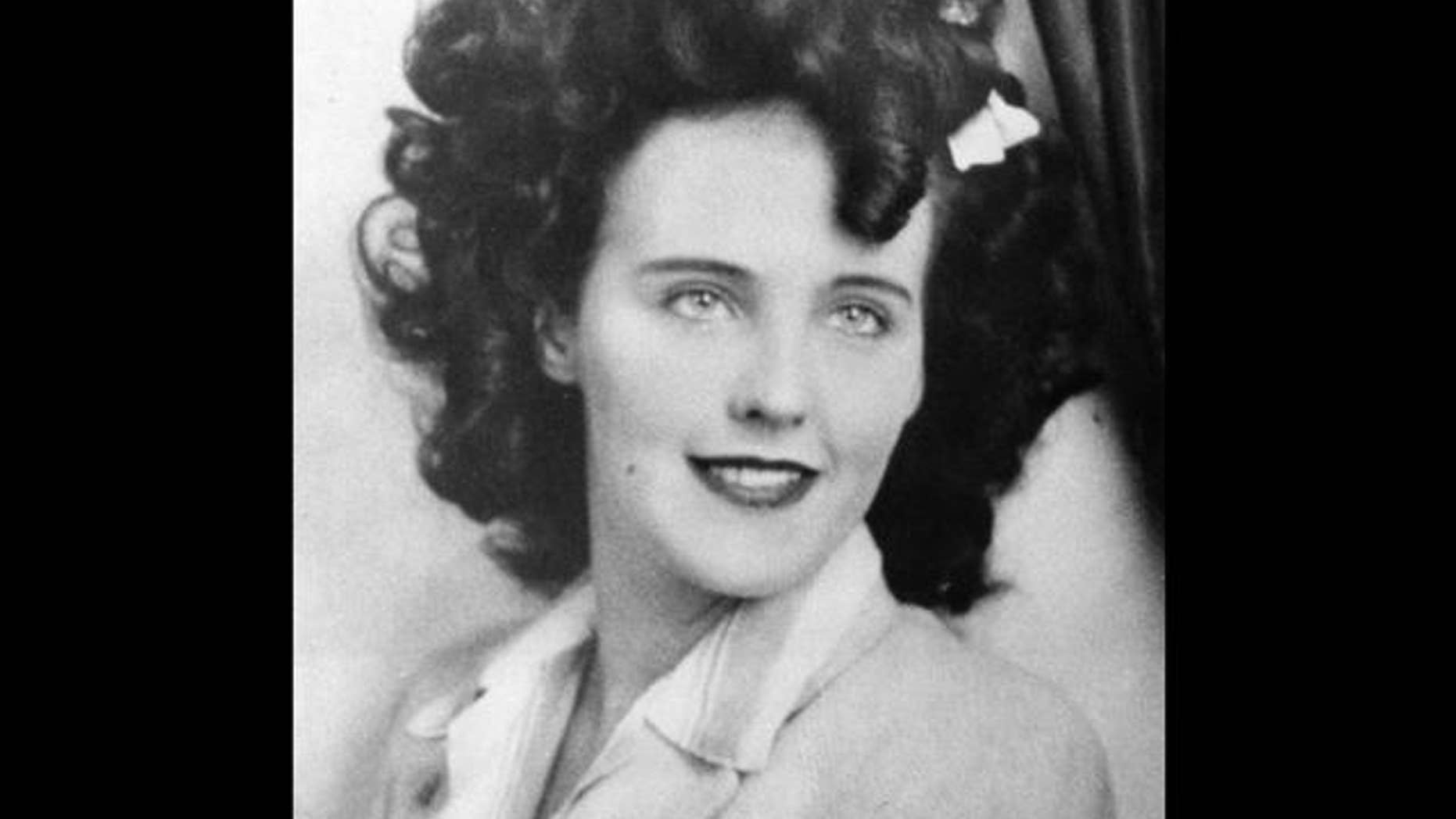
Black Dahlia case: 1947 Los Angeles murder of Elizabeth Short remains unsolved, no charges ever filed
On the morning of January 15, 1947, a woman's body was discovered in a vacant lot on Norton Avenue in the Leimert Park area…