O.J. Simpson acquitted of 1994 murders after nine-month trial
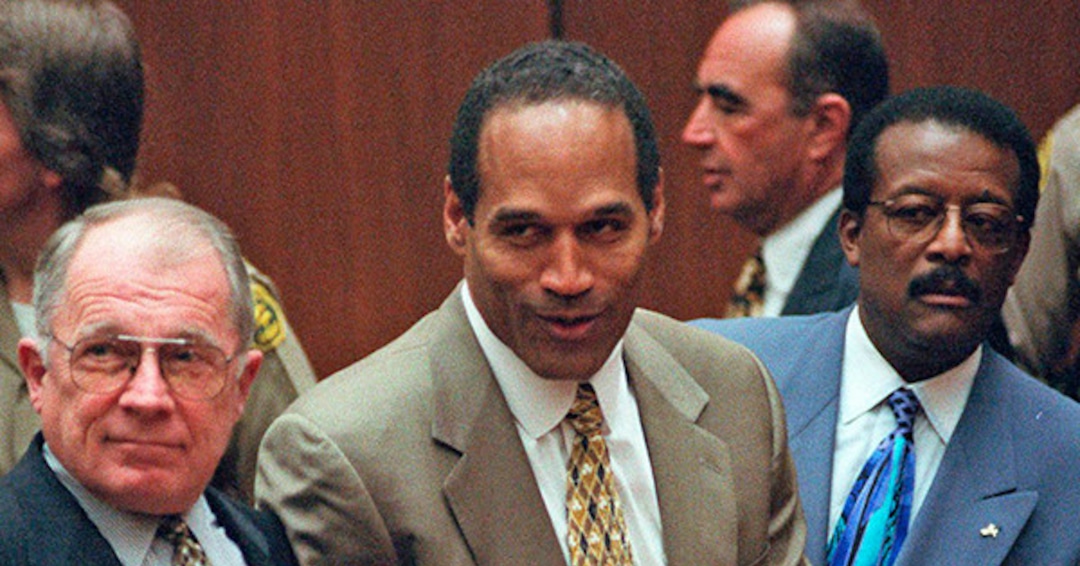
On the night of June 12, 1994, a neighbor walking a dog in the Brentwood neighborhood of Los Angeles discovered the bodies of Nicole Brown Simpson and Ronald Goldman outside Brown Simpson’s condominium. The call came in around midnight. Both had been stabbed to death with a knife. Goldman had defensive wounds. The two had been seen earlier that evening at a nearby restaurant, where Brown Simpson had dined with her family and Goldman worked as a waiter.
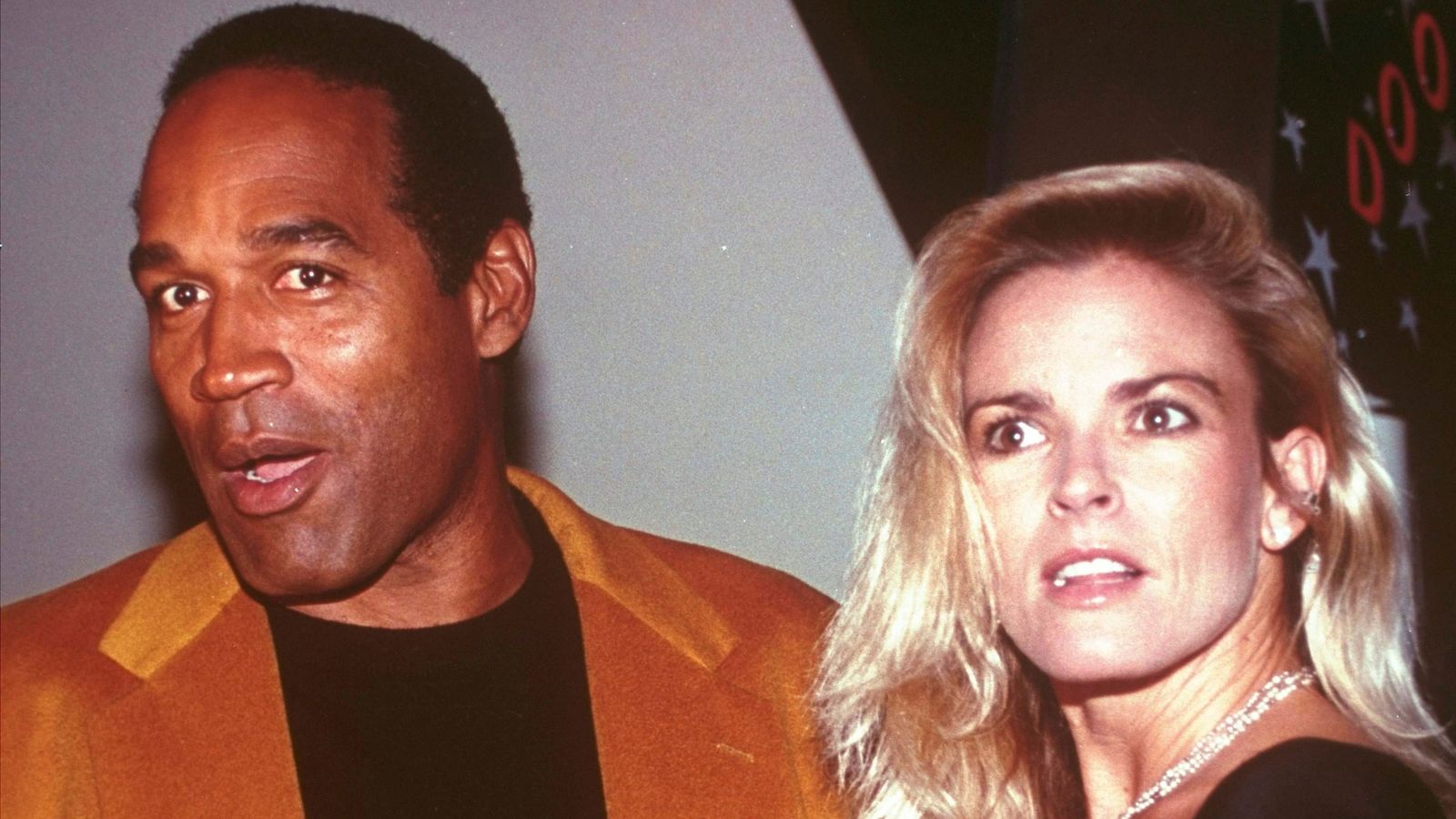
The victims were Nicole Brown Simpson, ex-wife of football star and actor O.J. Simpson, and Ronald Goldman, a waiter and friend of the Brown family. The accused was Orenthal James Simpson, known as O.J. Simpson, a Hall of Fame running back and broadcaster. The lead prosecutor was Marcia Clark. The lead defense attorney was Robert Shapiro, later joined by Johnnie Cochran. Judge Lance Ito presided over the trial. Goldman’s father, Fred Goldman, and Nicole Brown Simpson’s family, including her sister Denise Brown, who testified, publicly represented the victims’ families. The lead detective was Mark Fuhrman, whose testimony became central to the defense.
Police went to Simpson’s estate that night to notify him of the deaths. Simpson was not home; he had flown to Chicago. Officers later noticed a bloodstained glove on the property, matching a glove found at the crime scene. A blood trail led from the bodies to Simpson’s Bronco. Blood samples were taken from Simpson, the victims, and the crime scene. The prosecution’s case relied heavily on DNA evidence linking Simpson to the blood at the scene and in his car and home. The defense attacked the handling of the blood samples, alleging contamination and police misconduct.

A key turning point came with the testimony of Detective Fuhrman. He denied using racial slurs; the defense later played recordings of him using the slur repeatedly, damaging his credibility. The defense also argued that the gloves did not fit Simpson’s hands when he tried them on in court — a moment that became a defining image of the trial. The prosecution’s timeline of Simpson’s movements that night was challenged by the defense, which argued he could not have committed the murders in the time available.

Simpson was charged with two counts of first-degree murder. He pleaded not guilty. The trial began in January 1995 and lasted nearly nine months, broadcast live on television. On October 3, 1995, the jury acquitted Simpson of both murder charges. The verdict was met with widespread public reaction, with many Americans divided along racial lines. In 1997, a civil jury in a wrongful death lawsuit brought by the Goldman and Brown families found Simpson liable for the deaths and ordered him to pay $33.5 million in damages. Simpson was not criminally retried.
%2Fdmn3xkgw.JPG)
After the criminal acquittal, Simpson largely withdrew from public life. In 2007, he was arrested in Las Vegas for leading an armed confrontation with sports memorabilia dealers. In 2008, he was convicted of kidnapping and armed robbery and sentenced to 9 to 33 years in prison. He was granted parole in 2017 and released after serving about nine years. Simpson lived in Las Vegas until his death from cancer on April 10, 2024, at age 76. The civil judgment against him remained largely unpaid, and the Goldman family continued to pursue assets.
The murder weapon was never found. The vehicle central to the case was Simpson’s white Ford Bronco, driven by his friend Al Cowlings during the slow-speed police chase on June 17, 1994, which was broadcast live to millions.
What remains unknown is the full truth of what happened on the night of June 12, 1994. The murder case itself was never solved to the satisfaction of many, and no other suspect was ever charged. The criminal case ended with an acquittal, but the civil judgment against Simpson still stood, and the Goldman family continued to pursue his assets until his death. The question of who killed Nicole Brown Simpson and Ronald Goldman remains officially unanswered.
Advertisement
You may also like
Unsolved 1947 Black Dahlia murder: Elizabeth Short's body found, killer never charged
🚨 THE MANNEQUIN ON THE LOT The morning of January 15, 1947, was bright in the Leimert Park area of Los Angeles. A local…
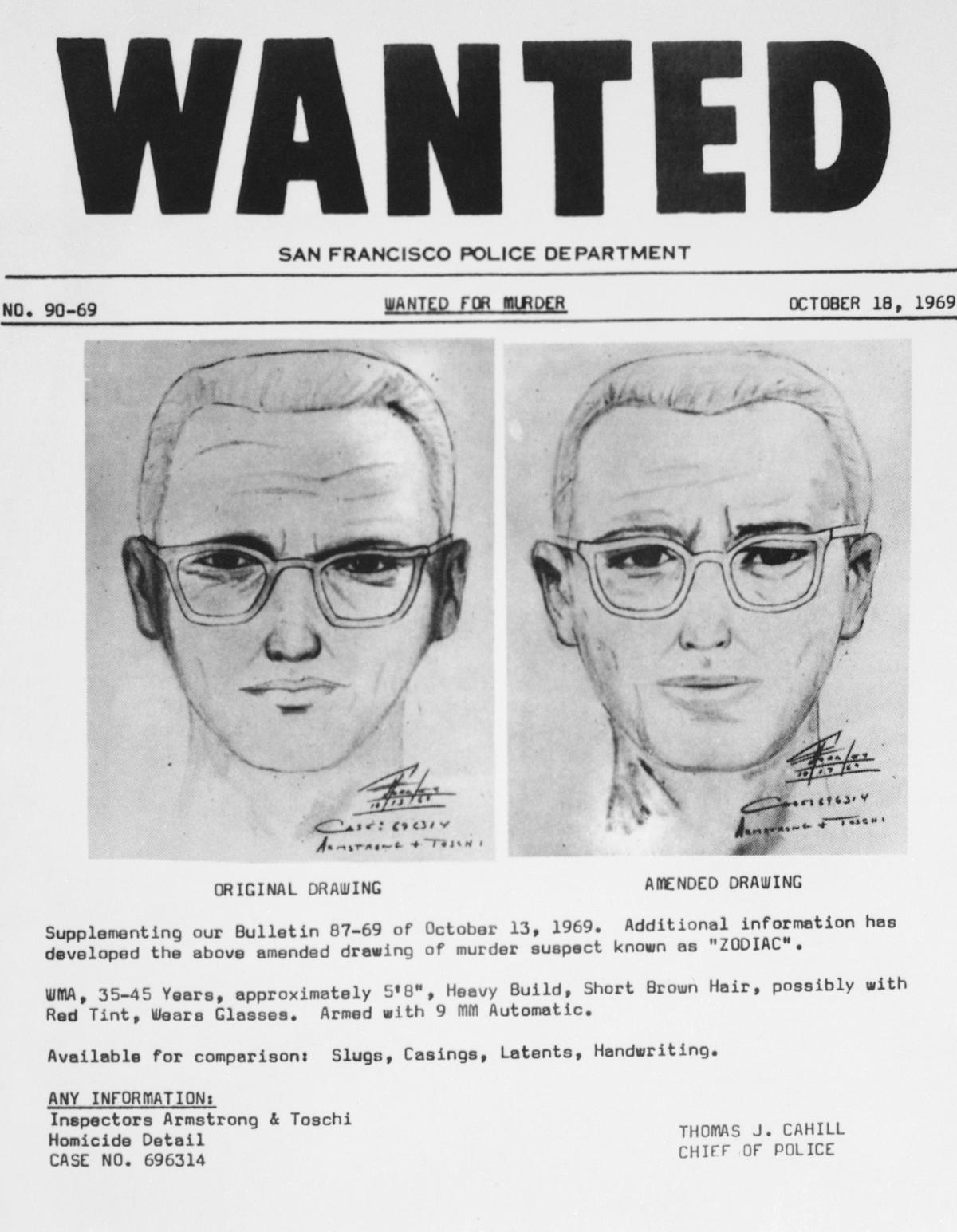
Zodiac Killer case remains unsolved after 1968-69 attacks, no suspect ever charged
🚨 THE COLD OPEN: THE THEORY THAT WON'T DIE In 2021, a team of cold-case investigators claimed to have identified the Zodiac Killer as…
Ex-cop DeAngelo pleads guilty to Golden State Killer murders, rapes after 40-year hunt
🚨 THE PLEA In 2020, Joseph James DeAngelo Jr. pleaded guilty to 13 murders and 13 kidnapping-for-robbery counts, plus numerous rape-related charges, as part…
Manson Family murders trial ends with convictions for 7 killings
🚨 THE VERDICT, 1971 The verdict came in January 1971. A jury found Charles Manson, Susan Atkins, Patricia Krenwinkel, and Leslie Van Houten guilty…
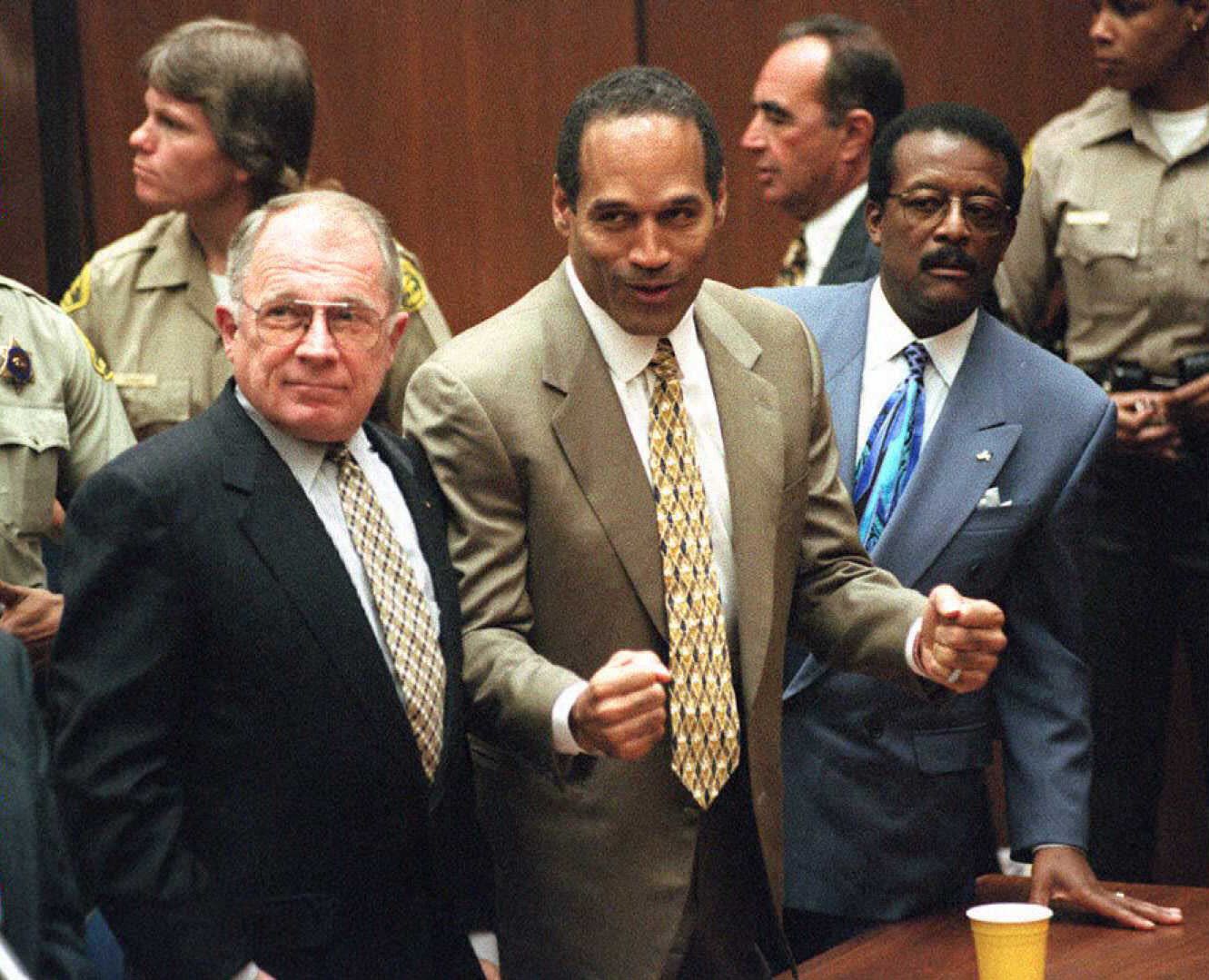
O.J. Simpson acquitted of 1994 murders of ex-wife and waiter after nine-month trial
🚨 THE DOG AT MIDNIGHT It is June 12, 1994. A dog wanders the streets of Brentwood with blood on its paws. A passerby…
Lindbergh Baby Kidnapping: 1932 Abduction, 1935 Conviction, 1936 Execution Timeline
On the evening of March 1, 1932, Charles Lindbergh Jr., the 20-month-old son of aviator Charles Lindbergh and his wife Anne Morrow Lindbergh, was…