Ted Bundy executed in 1989 after convictions in Florida murders of two students and a girl
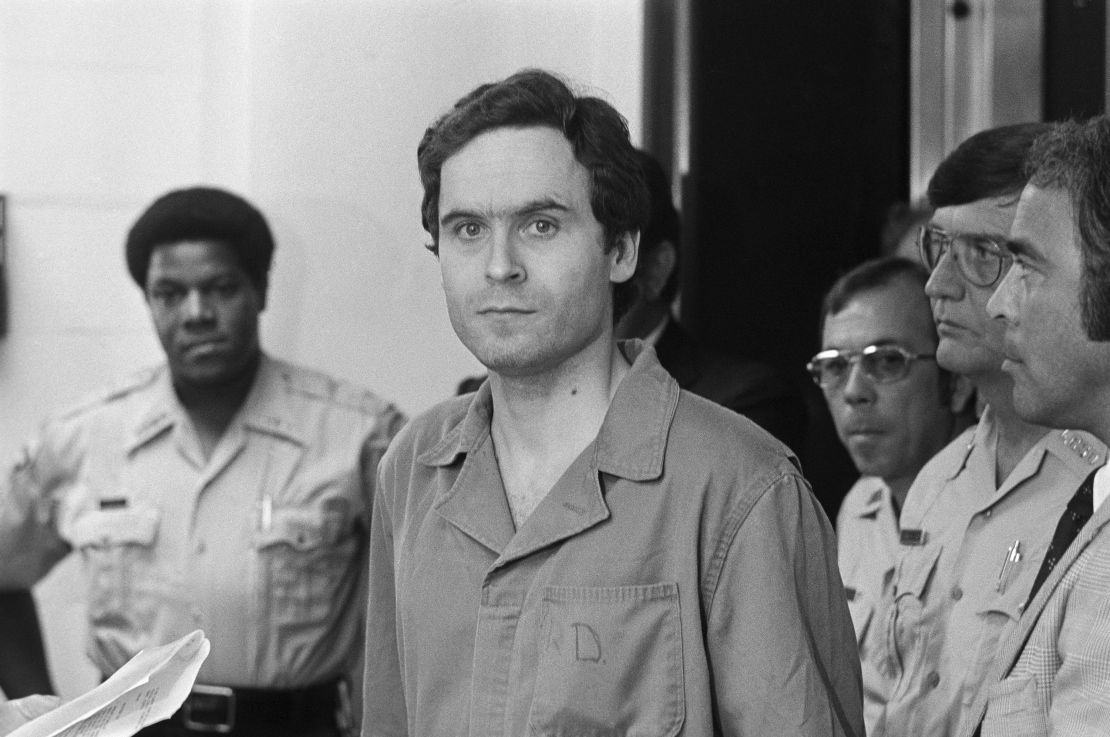
On January 24, 1989, Ted Bundy was executed in the electric chair at Florida State Prison. The sentence closed a decade-long saga that began with a string of disappearances in the Pacific Northwest and ended with convictions for the murders of two Florida State University students and a 12-year-old girl.
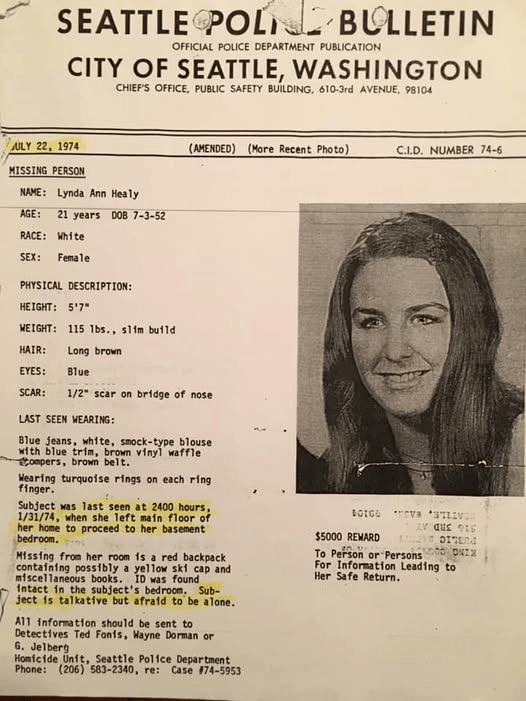
The case first drew public attention in January 1974, when a University of Washington student vanished from her off-campus apartment in Seattle. Over the following months, more young women disappeared from college campuses and public areas in Washington and Oregon, often in daylight and from busy places, according to the case file.
In July 1974, two women were abducted from a crowded lake near Seattle in the middle of the day; their bodies were found months later in a wooded area. The disappearances continued into 1975, spreading to Utah and Colorado.
The investigation initially struggled because the victims were spread across multiple jurisdictions. A turning point came in August 1975, when a Utah Highway Patrol officer stopped a driver for a traffic violation and found handcuffs, a ski mask, and other suspicious items in his car. The driver was Theodore Robert Bundy, known as Ted Bundy — a law student and former Republican campaign worker.
Bundy was first tried in Utah in 1976 for kidnapping, convicted, and sentenced to prison. He was later extradited to Colorado to face murder charges but escaped twice. In 1978, after his second escape, he fled to Florida, where, according to prosecutors, he committed the murders of two Florida State University students in Tallahassee and 12-year-old Kimberly Leach in Lake City.
The Florida cases relied on evidence that included bite marks on one victim, which a forensic odontologist matched to Bundy's teeth — a then-novel form of evidence. Eyewitnesses also placed him at the scenes. Bundy represented himself at parts of his trial, allowing him to question witnesses and draw media attention.

In 1979, Bundy was tried in Florida for the murders of Margaret Bowman and Lisa Levy. He was convicted on two counts of murder and sentenced to death. In a second Florida trial in 1980, he was convicted of the murder of Kimberly Leach and received a second death sentence.
The judge who sentenced Bundy to death was Edward Cowart. The prosecutor in the Florida trial was Larry Simpson; Bundy's defense attorney was Jim Coleman. In the Kimberly Leach case, the victim's mother, Marian Leach, later became a public advocate.
Bundy appealed for years, but the convictions were upheld. Before his execution, he confessed to numerous murders, though investigators believe the full number remains unknown. His confessions were incomplete and contradictory, and investigators have said the true number of his victims may never be known.

A major mistake by police was the initial failure to connect the Washington and Utah cases earlier, which allowed Bundy to continue offending, according to the case file. Bundy's vehicle, a Volkswagen Beetle, was central to the case; witnesses reported seeing it near abduction sites, and it was searched after his arrest.
The case remains one of the most studied in American criminal history, and Bundy's name is synonymous with serial murder. The forensic techniques used in his trial, particularly bite-mark analysis, have since been criticized and are no longer considered reliable by many experts. The case also led to changes in how law enforcement shares information across state lines.
The families of the victims have largely stayed out of the public eye, though some, like Marian Leach, spoke publicly about the case. What remains unknown is the exact number of Bundy's victims. Even after his confessions, investigators have said the full scope of his crimes may never be established.
Advertisement
You may also like
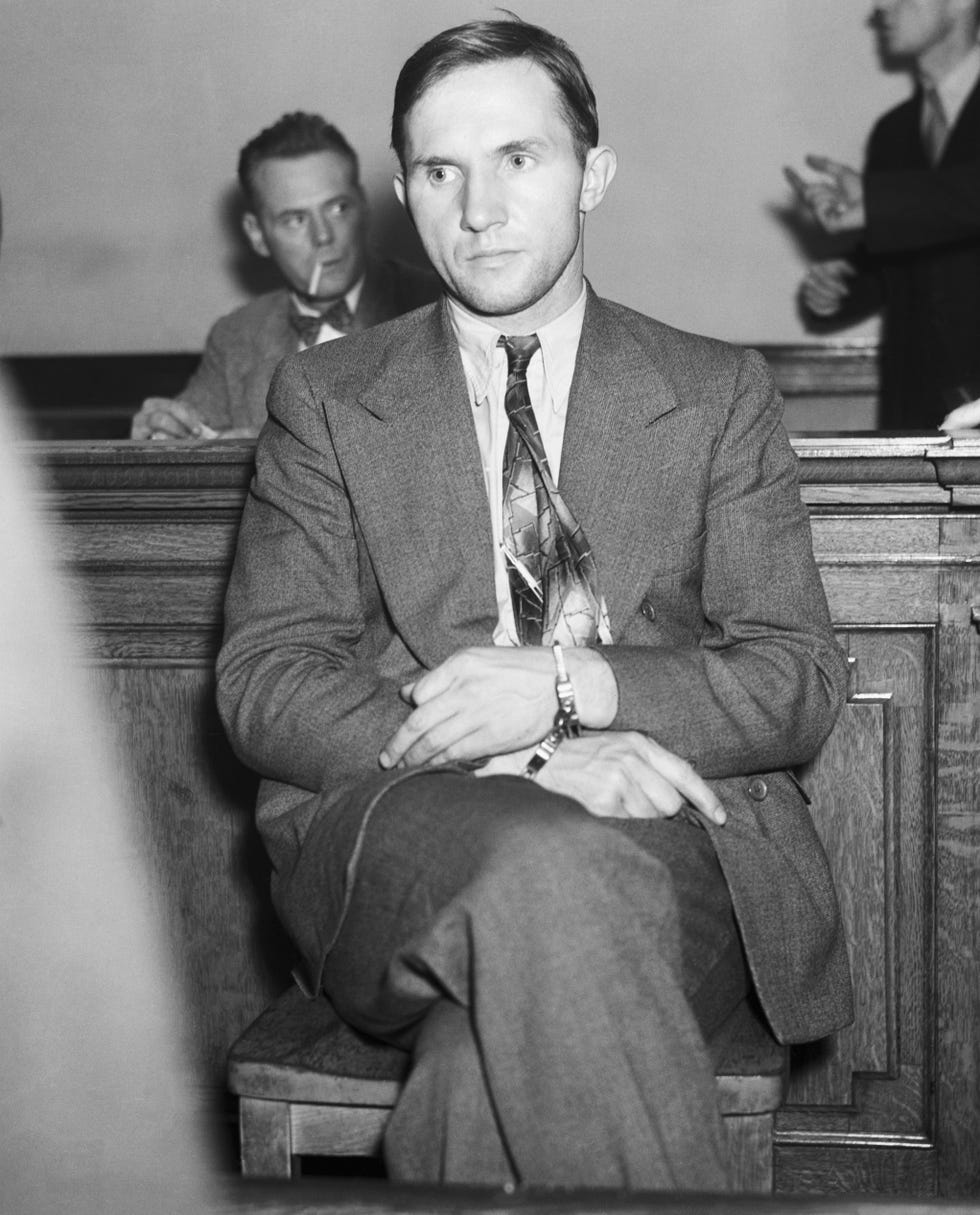
Lindbergh Baby Kidnapping: 1932 Abduction, 1935 Conviction, 1936 Execution Timeline
On the evening of March 1, 1932, Charles Lindbergh Jr., the 20-month-old son of aviator Charles Lindbergh and his wife Anne Morrow Lindbergh, was…
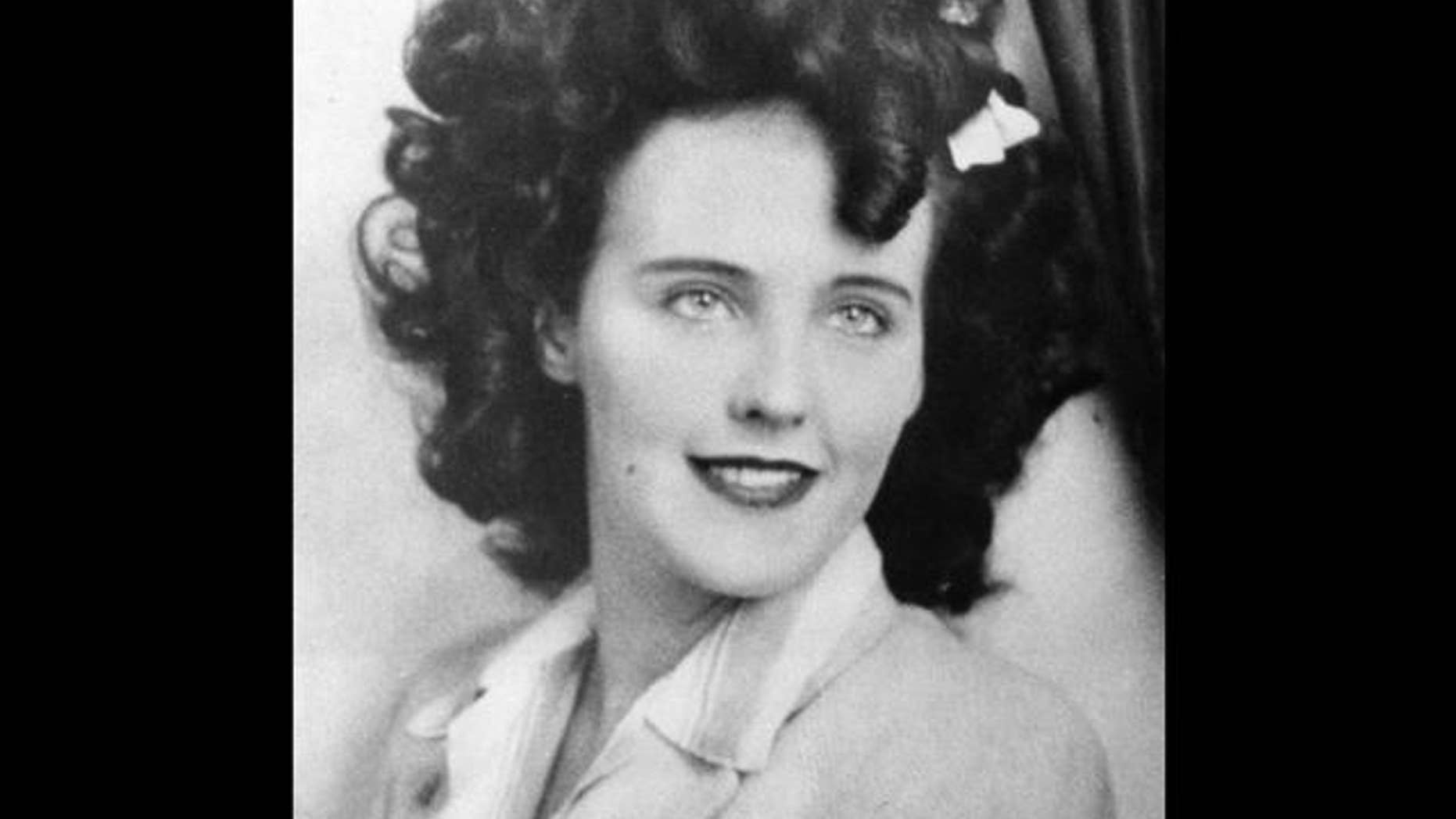
Black Dahlia case: 1947 Los Angeles murder of Elizabeth Short remains unsolved, no charges ever filed
On the morning of January 15, 1947, a woman's body was discovered in a vacant lot on Norton Avenue in the Leimert Park area…
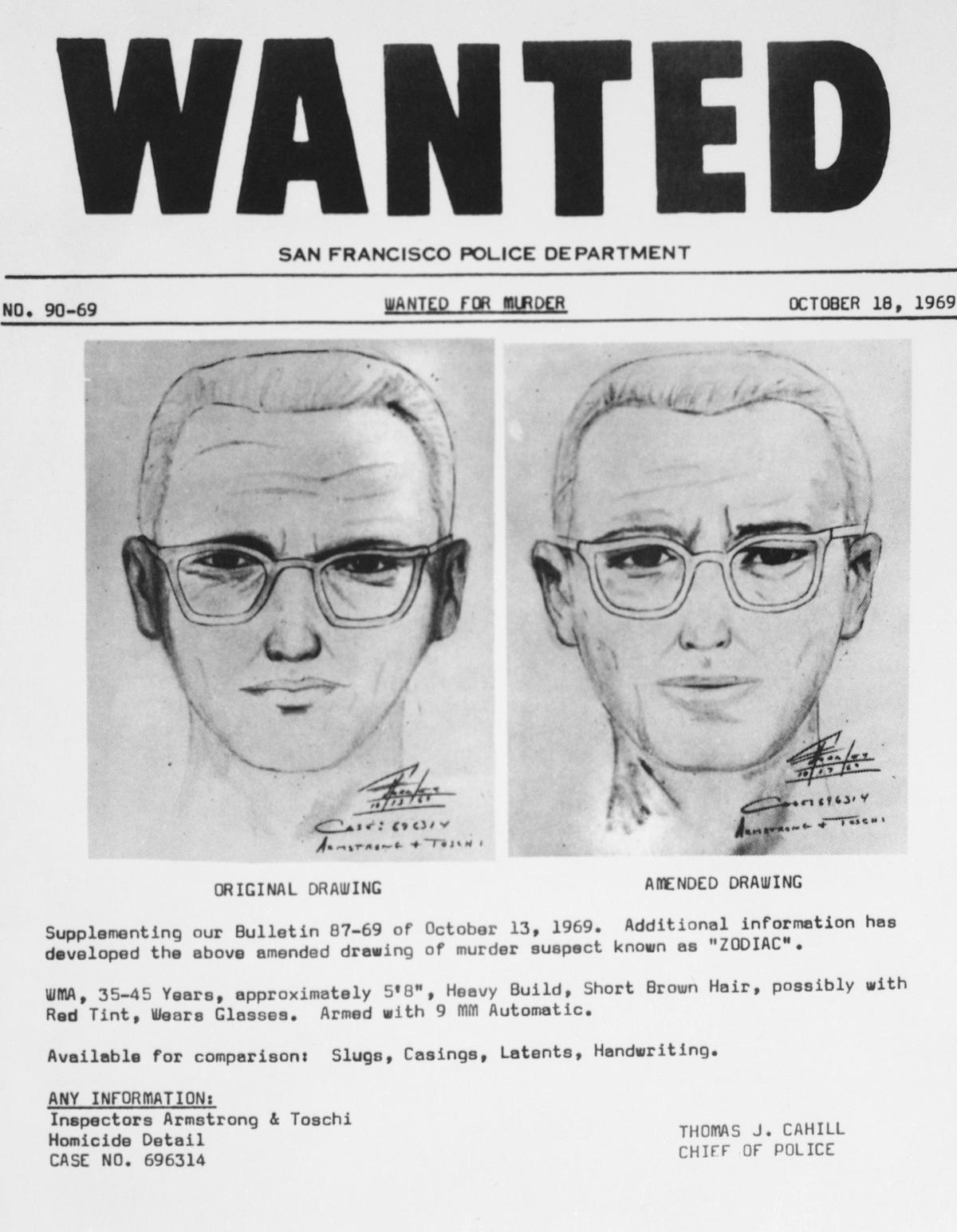
Zodiac Killer case from 1968 to 2021: unsolved, no charges ever filed
On December 20, 1968, two teenagers were shot and killed near a secluded lovers' lane in Benicia, California. The victims were David Faraday and…
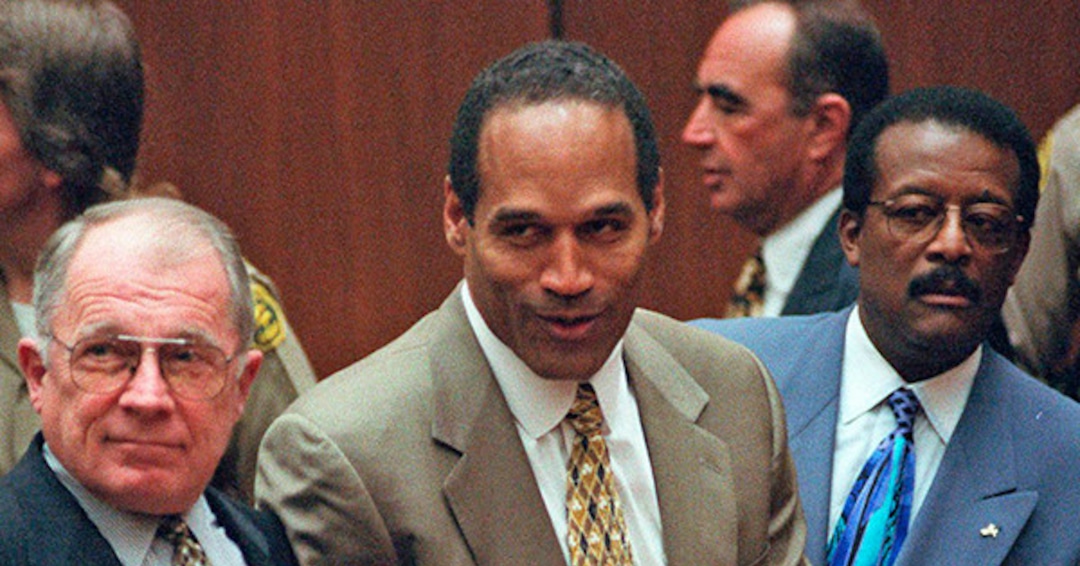
O.J. Simpson acquitted of 1994 murders after nine-month trial
On the night of June 12, 1994, a neighbor walking a dog in the Brentwood neighborhood of Los Angeles discovered the bodies of Nicole…
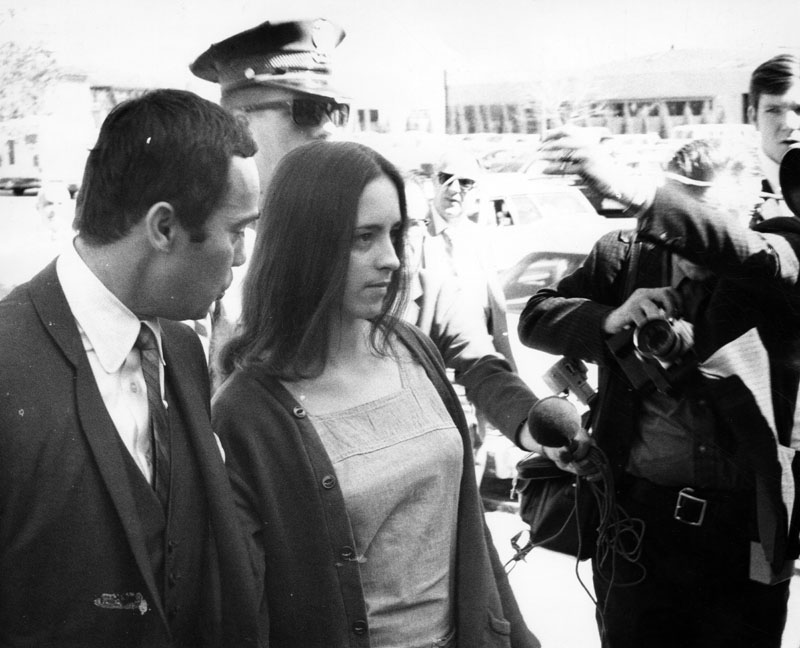
Manson Family convicted of seven Tate-LaBianca murders in 1971
On the night of August 8–9, 1969, five people were murdered at 10050 Cielo Drive in the Benedict Canyon area of Los Angeles. The…
O.J. Simpson acquitted of 1994 double murder after 9-month trial
On the night of June 12, 1994, a passerby in the Brentwood neighborhood of Los Angeles saw a dog wandering with blood on its…