Black Dahlia case remains unsolved 78 years after Elizabeth Short's body found
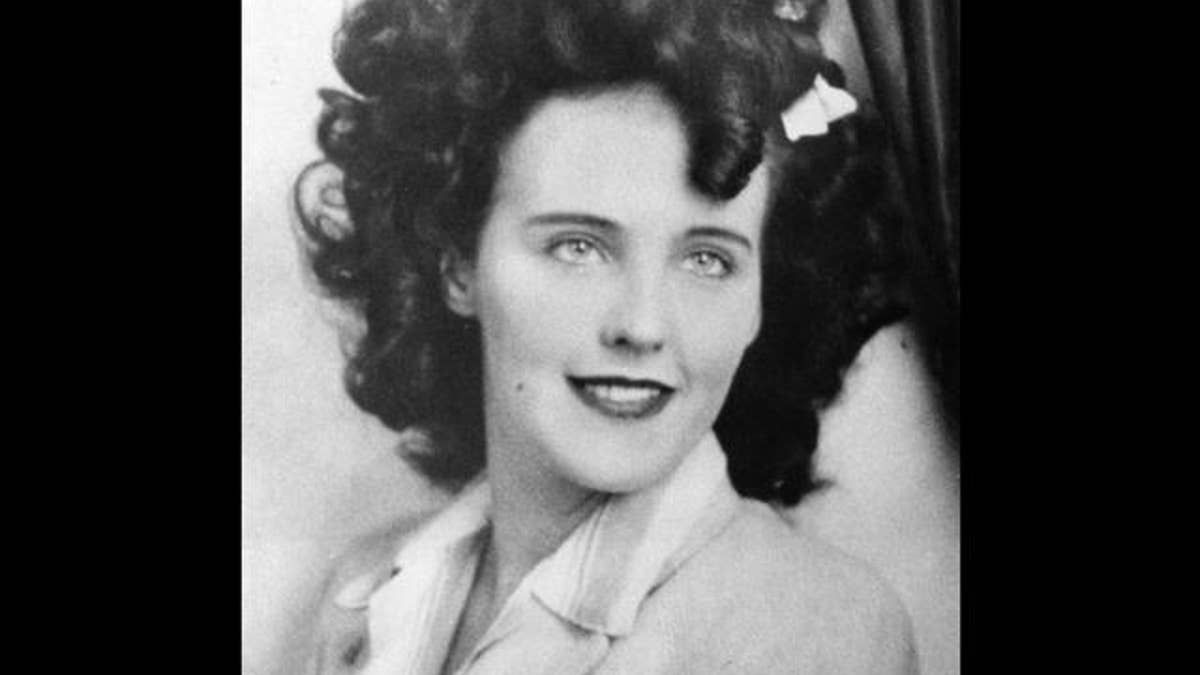
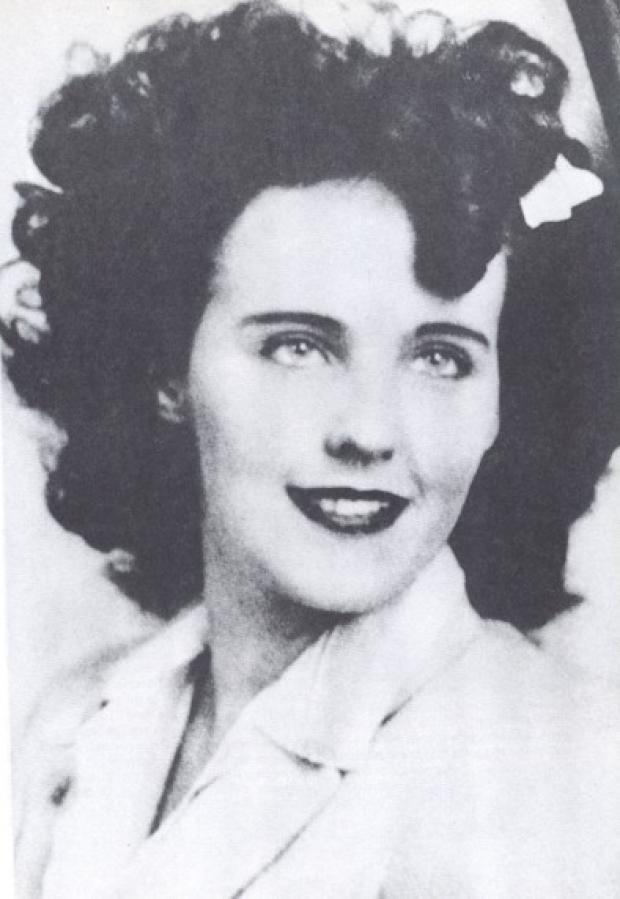
On the morning of January 15, 1947, a woman’s body was discovered in a vacant lot in the Leimert Park neighborhood of Los Angeles. A local resident, Betty Bersinger, was walking with her young daughter when she saw what she initially thought was a mannequin and called police. It was not a mannequin. The victim had been severed in half at the waist, drained of blood, and washed. The corpse was posed with the arms raised above the head.
The victim was later identified as Elizabeth Short, a 22-year-old aspiring actress who had moved to California from Massachusetts. Because of her habit of wearing black clothing and her dark hair, the press dubbed her the “Black Dahlia.” The case was never solved.
Los Angeles Police Department homicide detectives Harry Hansen and Finis Brown led the investigation. The Los Angeles County coroner’s office performed the autopsy. Police found few physical clues. The body had been expertly severed, leading to speculation that the killer had medical or surgical training, but this was never proven.
The victim’s belongings, including a purse and shoes, were found discarded in a different part of the city. A key piece of evidence was a newspaper clipping and an address book that had been mailed to the press, but the sender was never identified. Hundreds of people were interviewed, and thousands of tips were received.
Police investigated numerous suspects, including a man who had been seen with Short shortly before her death, but he was cleared. A major limitation was the lack of forensic technology available at the time; DNA testing did not exist. The LAPD also struggled with a flood of false confessions — more than 60 people confessed to the murder, and all were eventually ruled out. The investigation stalled within months, and no arrest was ever made.
There was no trial. No one was ever charged with the murder of Elizabeth Short. The case was never closed, and it remains an unsolved homicide in the files of the Los Angeles Police Department.
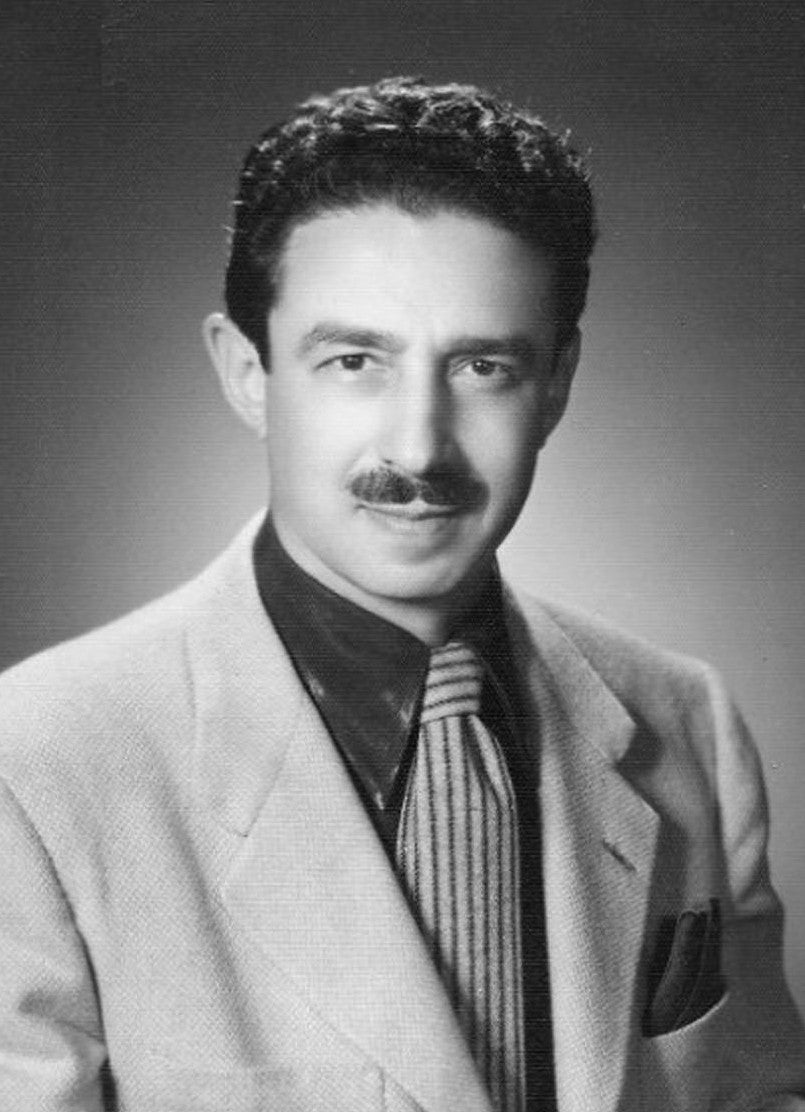
Over the decades, various books and documentaries have named suspects, but none of those claims resulted in charges, indictments, or convictions. One suspect who received significant press attention was Dr. George Hodel, a physician whose son later wrote a book claiming Hodel was the killer, but no charges were ever filed. Another named suspect was a former soldier, but he was cleared.
In 2003, the LAPD announced it was re-examining the case with modern DNA techniques, but no definitive result was ever released to the public. The statute of limitations does not apply to murder, so charges could theoretically still be filed, but no prosecutor has ever presented a case to a grand jury.
The Black Dahlia case remains one of the most famous unsolved murders in American history. Elizabeth Short was buried in Mountain View Cemetery in Oakland, California. Her mother and sisters survived her, but none are publicly active today. The case has been the subject of numerous books, films, and television series, including a 2006 film and a 2013 television series, both fictionalized.

The LAPD has periodically stated that the case remains open but has not released any new information. In 2013, a retired detective published a book claiming to have identified the killer, but his evidence was widely disputed. The case file is still held by the LAPD, and no suspect has ever been named by the department as a formal person of interest.
The weapon was never identified; reports suggest a large knife or surgical instrument, but this was never confirmed. No vehicle was ever linked to the crime.
What is still unknown is nearly everything about the killer: who he was, why he chose Short, and how he evaded capture for 78 years. The case file remains open, and the LAPD has not released any new information. The murder of Elizabeth Short has never been solved.
Advertisement
You may also like
O.J. Simpson acquitted of 1994 murders of ex-wife and waiter after nine-month trial
🚨 THE DOG AT MIDNIGHT It is June 12, 1994. A dog wanders the streets of Brentwood with blood on its paws. A passerby…
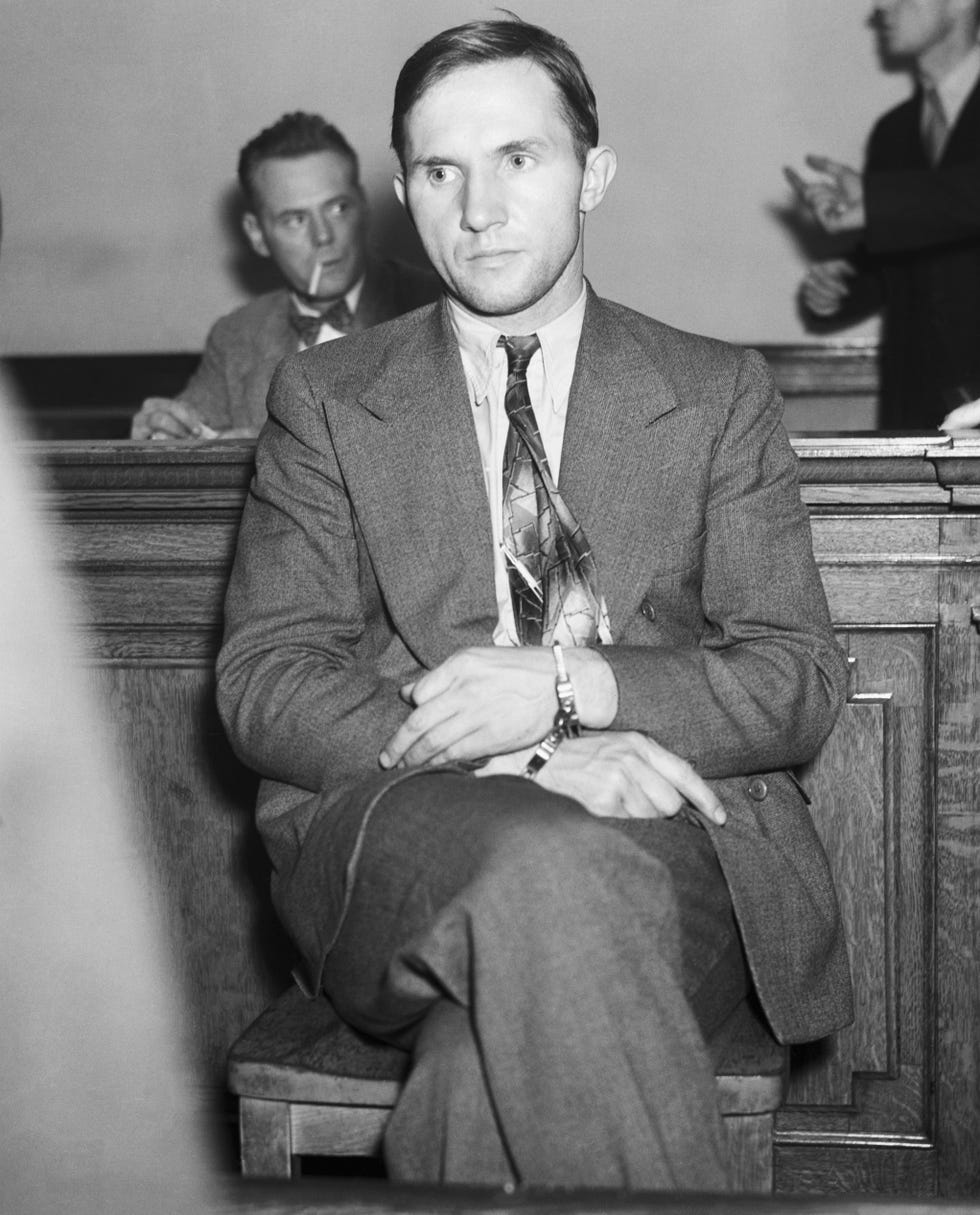
Lindbergh Baby Kidnapping: 1932 Abduction, 1935 Conviction, 1936 Execution Timeline
On the evening of March 1, 1932, Charles Lindbergh Jr., the 20-month-old son of aviator Charles Lindbergh and his wife Anne Morrow Lindbergh, was…
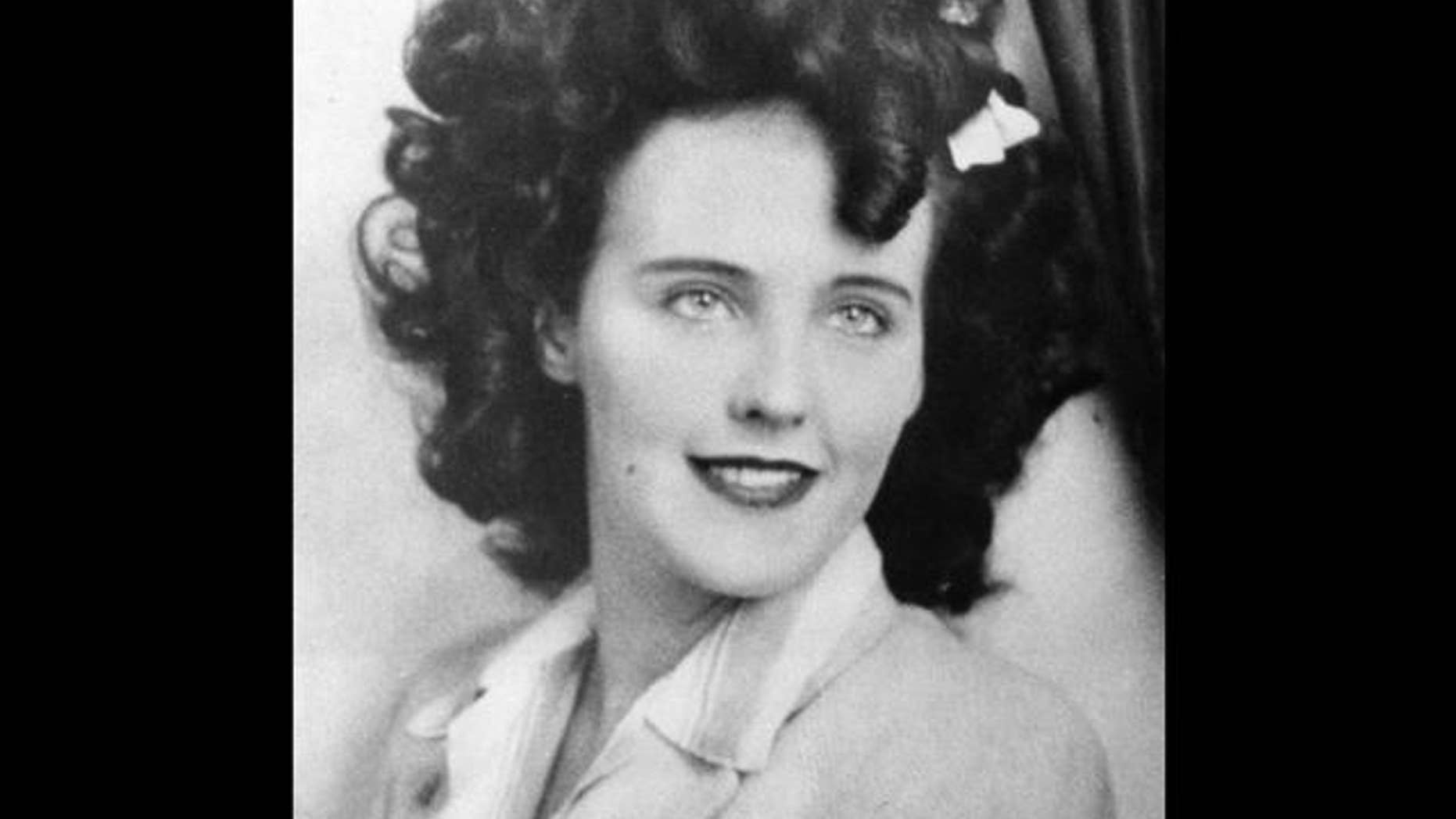
Black Dahlia case: 1947 Los Angeles murder of Elizabeth Short remains unsolved, no charges ever filed
On the morning of January 15, 1947, a woman's body was discovered in a vacant lot on Norton Avenue in the Leimert Park area…
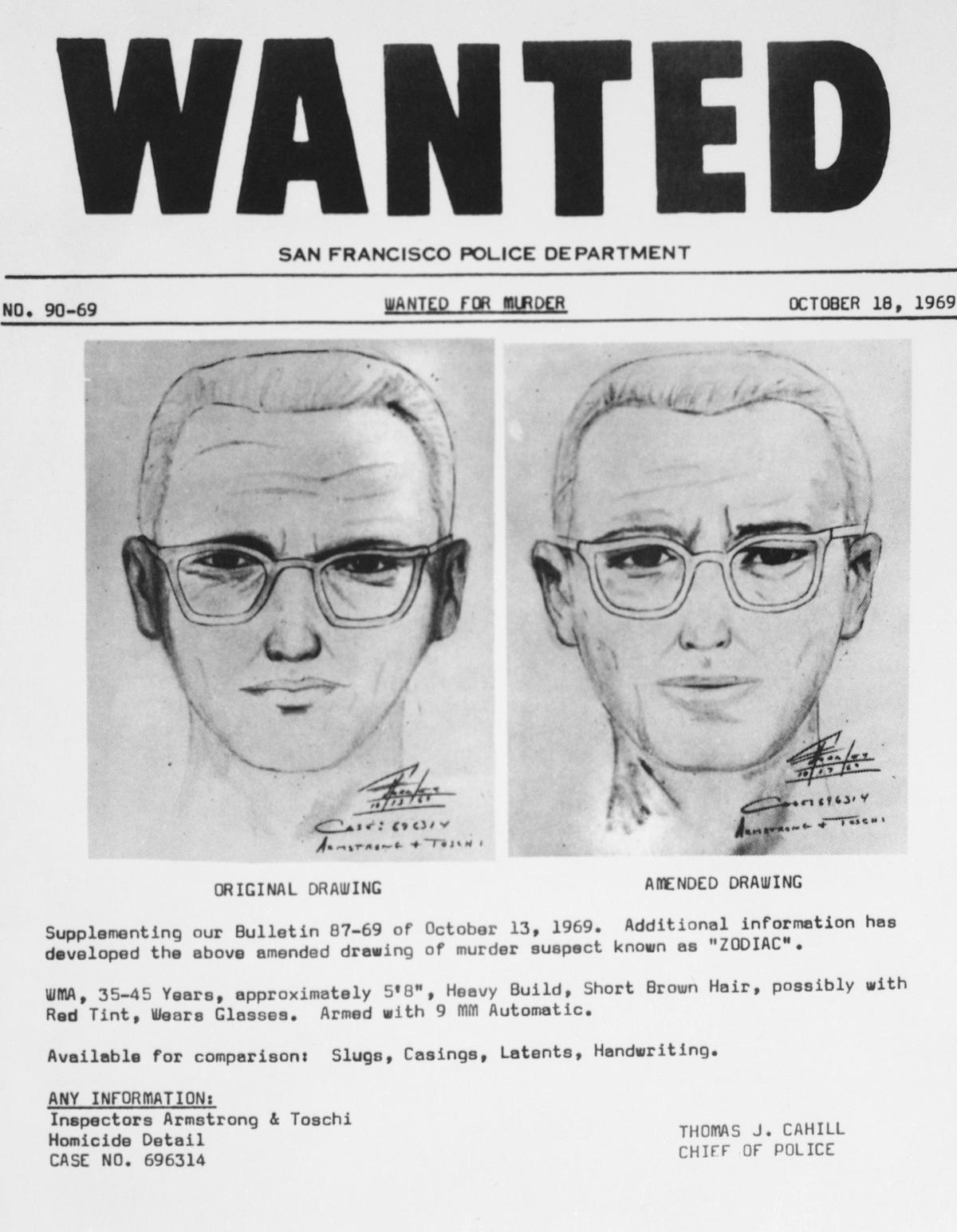
Zodiac Killer case from 1968 to 2021: unsolved, no charges ever filed
On December 20, 1968, two teenagers were shot and killed near a secluded lovers' lane in Benicia, California. The victims were David Faraday and…
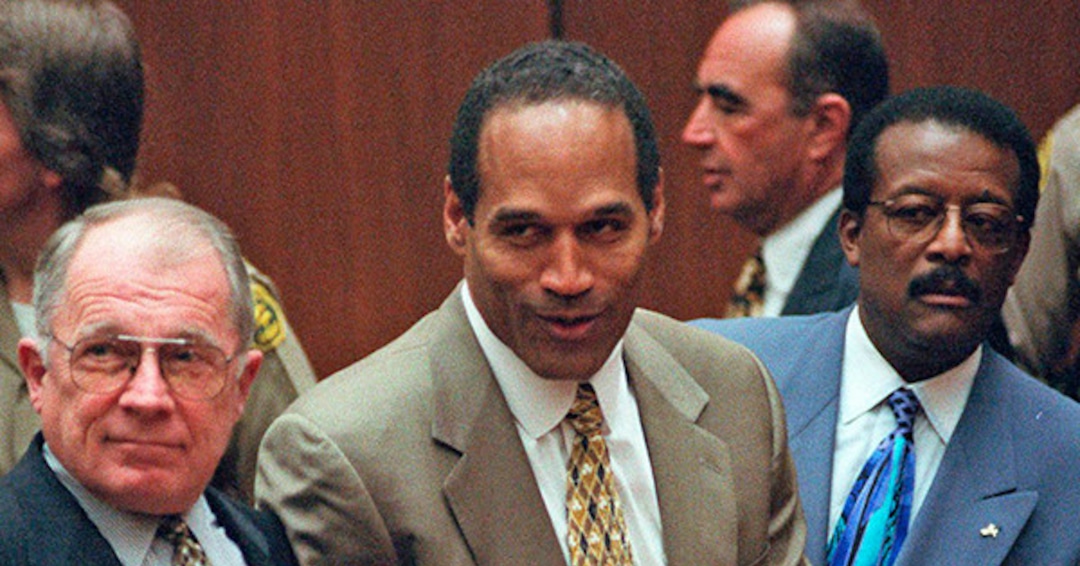
O.J. Simpson acquitted of 1994 murders after nine-month trial
On the night of June 12, 1994, a neighbor walking a dog in the Brentwood neighborhood of Los Angeles discovered the bodies of Nicole…
Manson Family convicted of seven Tate-LaBianca murders in 1971
On the night of August 8–9, 1969, five people were murdered at 10050 Cielo Drive in the Benedict Canyon area of Los Angeles. The…