The detective's rogue-LAPD theory that never got a courtroom test
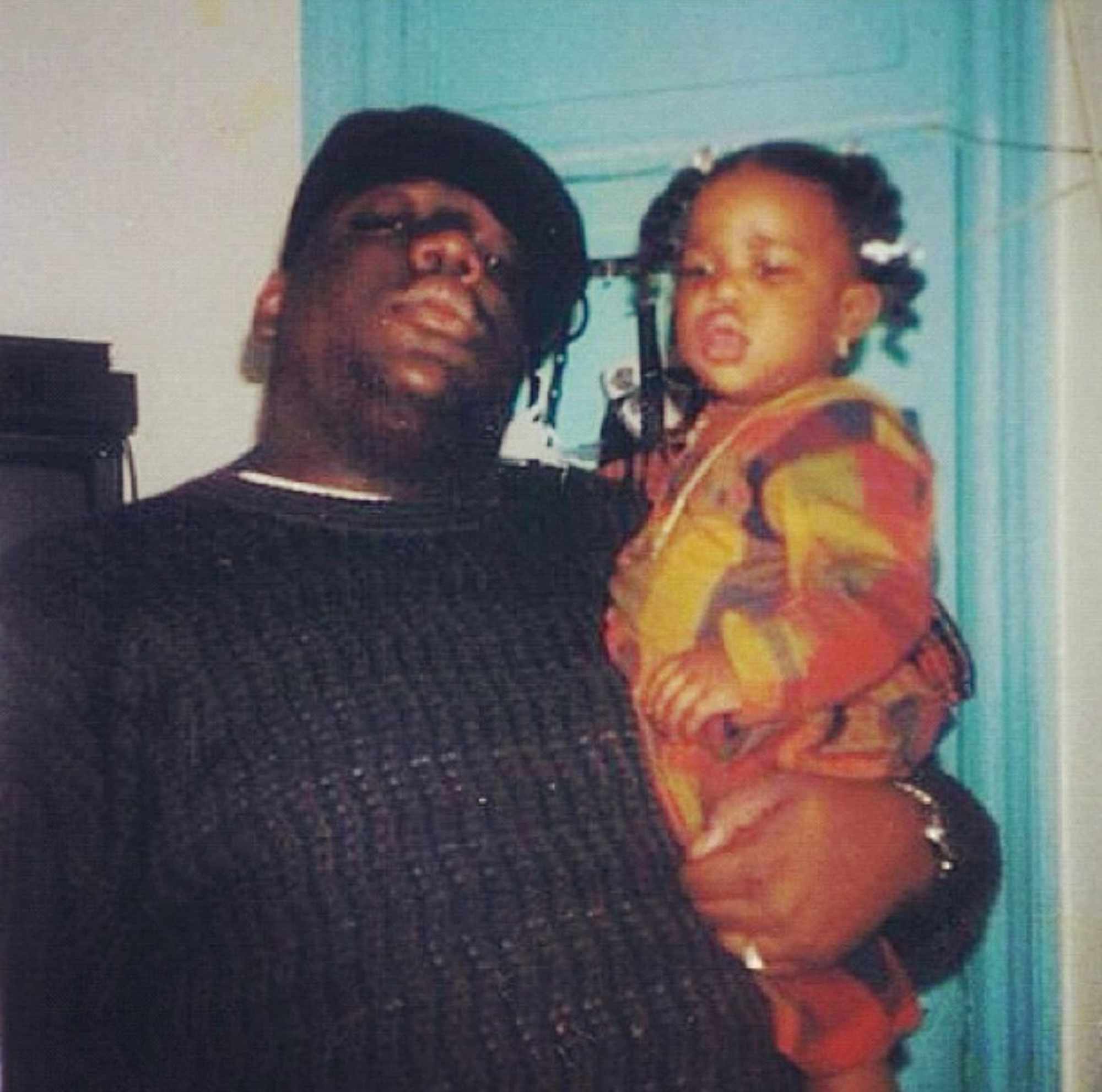
The SUV stopped at a red light at Wilshire Boulevard and South Fairfax Avenue.
It was shortly after midnight on March 9, 1997.
A black Chevrolet Impala SS pulled up alongside.
An unidentified gunman fired into the passenger side.
Christopher Wallace was struck four times.
He was 24 years old.
He was pronounced dead at Cedars-Sinai Medical Center.
The shooter fled and was never identified.
The identity of the shooter is not established.
The motive is not established.
No one has ever been charged with the killing.
The lead detective would later develop a theory about rogue LAPD officers.
That theory never got a courtroom test.
There was no criminal trial.
There was only the red light, the Impala, the gunfire, and the car that drove away.
The case remains open but inactive.
THE DETECTIVE'S THEORY
Detective Russell Poole led the LAPD's initial investigation.
He developed a theory that rogue LAPD officers conspired with figures in the hip hop community to kill Wallace.
His theory named a former officer, Rafael Perez, who was later involved in the Rampart scandal.
Poole's theory was never proven.
No evidence has been presented in any proceeding to establish it.
He left the LAPD in 1999 and became a vocal critic of the department.
The LAPD's official position was that the investigation was hampered by a lack of witness cooperation.
Poole saw something else.
He saw a pattern, he saw a motive, he saw a department closing ranks.
That would require evidence.
The record holds none.
Poole carried the theory out of the department with him.
He spent years pressing it publicly, in interviews and in the pages of a book that would later become a film.

The department carried its own position forward.
Witnesses did not cooperate.
Leads went cold.
The shooter was never identified.
The case was open, then inactive.
Poole's conviction never wavered, but it never became proof.
It remains a theory, unproven and untested in any court.
The detective's weight of certainty met the department's official stance, and the two never reconciled.
THE CIVIL SUIT AND THE DEADLOCK
In 2002, the Wallace family filed a civil lawsuit against the City of Los Angeles.
They alleged that LAPD officers were involved in the killing and that the department covered up evidence.
It was not a criminal trial.
No one was ever charged with the murder of Christopher Wallace.
The venue was a federal courtroom, and the jury heard the family's claims against the city.
In 2005, that jury returned a split answer.
It found that the LAPD had not proven its officers were involved.
On the question of a cover-up, the jury deadlocked.
That deadlock meant the cover-up claim was never resolved.
It remains unresolved to this day.
The family's attorney presented the theory Poole had carried out of the department.
The city defended its officers.
The jury could not agree on what the evidence showed about a cover-up, and so it agreed on nothing.
Five years passed.
In 2010, the city settled the case for $1.1 million.
The settlement came with no admission of wrongdoing.
The money went to the Wallace family estate.
A settlement is not a verdict.
It is not a finding of fact.
It is a way to end a case that the court system could not finish.
The criminal question was never put to a jury at all.

Poole's theory never got a courtroom test in a criminal proceeding.
The civil jury's deadlock left the cover-up allegation hanging.
The settlement closed the civil case without answering it.
The murder charge was never filed.
The shooter was never identified.
The case went from a red light in March 1997 to a settlement check in 2010, and the central questions moved with it, unanswered.
THE VIRAL THEORY VS. THE RECORD
The theory that rogue LAPD officers were behind the killing circulates online.
It is a theory.
The record does not establish it.
The FBI opened its own investigation in 2006.
It was closed without charges.
A man named Amir Muhammad, a former associate of Suge Knight, claimed to have information about the killing.
His credibility was disputed.
He was never called as a witness in any proceeding.
Muhammad's claims are not verified.
The theory remains unproven.
The LAPD's internal investigation into its own handling of the case found the department failed to properly investigate leads.
That finding is in the record.
It does not say who fired the gun.
It does not say who ordered it.
Was there a conspiracy?
Was there a cover-up?
Was there a lone gunman?
The record answers none of these questions.
The viral theory fills the gap with certainty.
The record offers only what was documented: a red light, a black Impala SS, four shots, and a case that went cold.
The FBI looked.
The FBI closed.
The LAPD admitted its own failure.
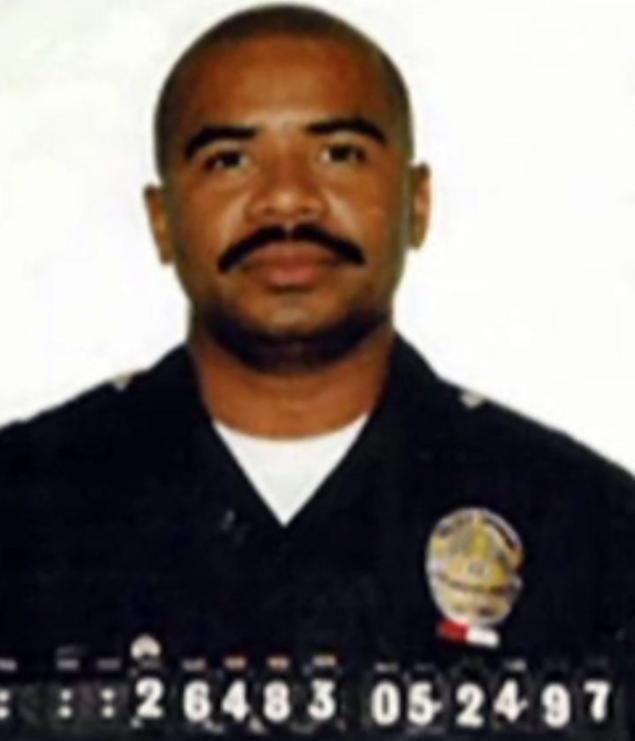
No arrest followed.
No charge followed.
No trial tested the rogue-officer theory in a courtroom.
That would require evidence the record does not contain.
AND THE STORY STILL ISN'T OVER
The murder remains unsolved.
The LAPD lists the case as open but inactive.
No new arrests have been made, and no new evidence has been publicly presented.
That is what the record shows.
Voletta Wallace, the victim's mother, has continued to press for answers.
She has pushed for years, through the civil suit, through the settlement, through the silence that followed.
Russell Poole died in 2015 of a heart attack.
His theory did not die with him.
It was dramatised in the 2018 film *City of Lies*, based on a book by journalist Randall Sullivan.
The film reached a wide audience, but a film is not a trial.
A film is not evidence.
The case is open.
The case is inactive.
No charge followed, and no charge has come since.
That is the weight of it: a red light, a gunman, a theory, and no courtroom test.
The story still isn't over, but the record has not moved.
It remains what it was in 1997.
It remains what it was in 2002, when the family sued.
It remains what it was in 2005, when the jury deadlocked on the cover-up claim.
It remains what it was in 2010, when the city settled for $1.1 million with no admission of wrongdoing.
Voletta Wallace keeps asking.
The LAPD keeps the file open.
The shooter was never identified.
The weapon was never recovered.
That is the record, and the record does not change.
Advertisement
You may also like
The empty frames left on display after thieves took Vermeer and Rembrandt
The empty frames still hang in the Isabella Stewart Gardner Museum in Boston. Where Vermeer's *The Concert* once hung, there is an empty rectangle…
The missing ladder rail that led detectives to a Bronx lumberyard — and then to Hauptmann's attic
The ladder was left behind on the night of March 1, 1932, a homemade thing of wood and nails, abandoned at the scene. It…
The phone call that could have caught the Zodiac — and the officer who let him walk
It was a phone call that could have ended it. After the July 4, 1969 attack at Blue Rock Springs Park, the killer called…
Why a handleless hatchet in the cellar never settled the Lizzie Borden case
The handleless hatchet sits in the cellar of 92 Second Street, Fall River, in every retelling of the case. It was found there after…
The boat confession that still echoes from Boston to death row
The boat sat in a Watertown backyard, covered and still, while the manhunt for Dzhokhar Tsarnaev moved through the streets around it. After the…
The bullet that linked a bank-robbing cop to Biggie's murder
A 9mm pistol sits at the center of the story, widely reported in connection with the murder of Christopher Wallace. The gun is the…