The drifter who confessed to Adam Walsh's murder — then recanted, then confessed again
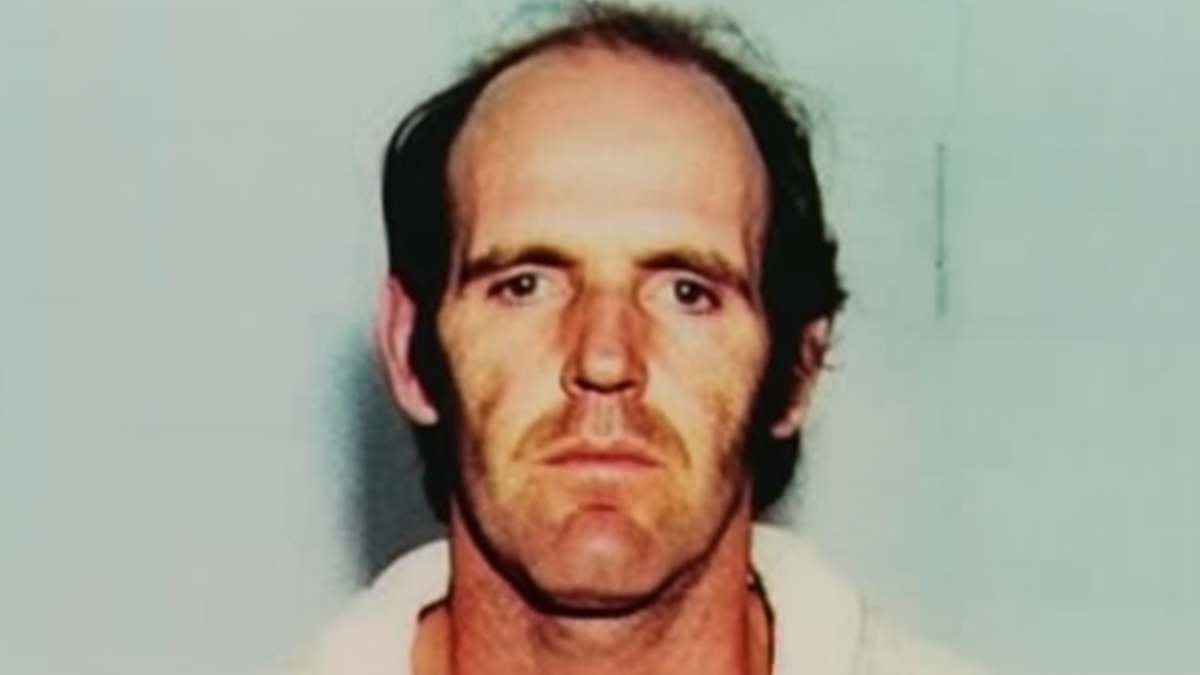
He was a drifter, a man already serving time for other crimes in 1983.
That year, Ottis Toole confessed to abducting and killing six-year-old Adam Walsh.
He gave detailed accounts, according to the case record.
Then he recanted.
Then he confessed again.
The confession is the hinge of the case — yet it swung open and shut for years.
Toole was never charged.
Police found no physical evidence linking him to the crime, according to the investigation record.
No trial ever took place.
He died in prison in 1996, serving multiple life sentences for other murders.
Why would a man confess, recant, and confess again?
Why would he never be charged?
Why would the record hold only his words, and nothing else?
The truth of Toole's confession is not established by the record.
No physical evidence exists.
No conviction exists.
What remains is a pattern of shifting statements, repeated and withdrawn.
The case was officially closed in 2008, with police stating Toole had acted alone.
That is a conclusion, not a charge.
That is a theory circulating online and in true-crime circles — not a fact established by the record.
The confession is documented.
The guilt is not.
THE ABDUCTION AND THE HEAD
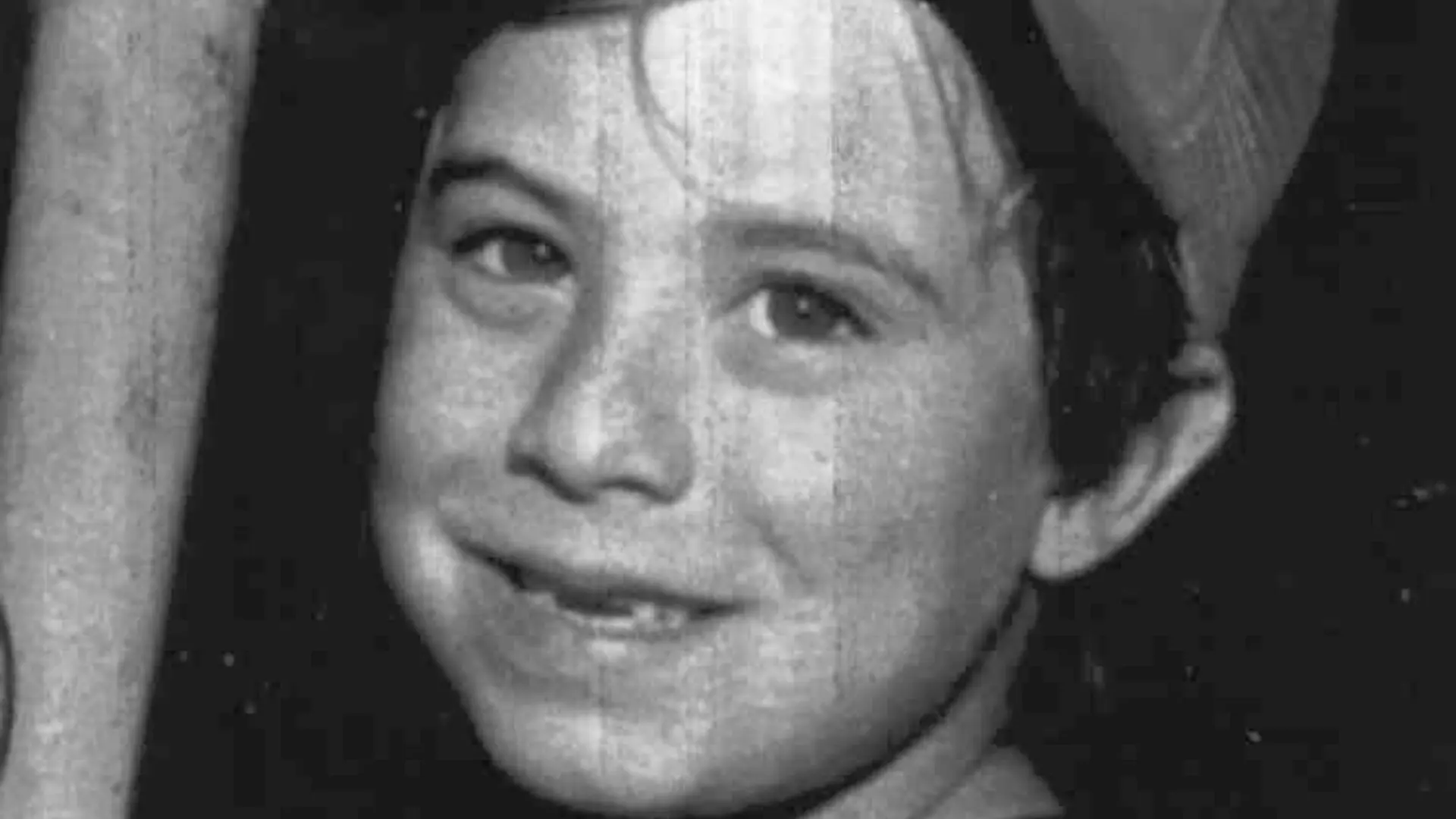
On July 27, 1981, six-year-old Adam Walsh was abducted from the Hollywood Mall in Hollywood, Florida.
His mother, Revé Walsh, was shopping nearby.
She reported him missing within minutes.
A search of the mall and its parking lot found nothing.
No witnesses came forward.
The exact circumstances of the abduction are not in the record.
On August 10, 1981, a severed head was found in a drainage canal along the Florida Turnpike in Vero Beach.
That is about 120 miles north of the mall.
The head was identified as Adam’s through dental records.
His body was never found.
The early investigation was criticized for missteps.
The mall’s surveillance footage was not secured.
Coordination between jurisdictions was lacking.
A child vanishes in minutes.
The system fumbles the basics.
It is a grief that turns on small failures.
It is also a frustration that turns on what was not done.
The record shows the timeline.
The record does not show the moment of abduction.
That moment is gone.
THE CONFESSIONS AND RECANTATIONS
In 1983, Ottis Toole was already in prison for other crimes when he confessed to abducting and killing Adam Walsh.
He gave detailed accounts, according to the investigation record.
He described the mall, the boy, the act itself.
Then he recanted.
Then he confessed again.
The pattern repeated: confession, recantation, confession, and the record shows no final, stable version.
Police found no physical evidence linking Toole to the crime, the investigation record states.
No fingerprints, no DNA, no body.
The veracity of Toole's detailed accounts is not independently established; no physical evidence corroborates them.
That is what the record does not show.
In 1996, the Hollywood Police Department reopened the case.
Based on Toole's confessions and corroborating details, the department publicly named him as the killer, according to the 1996 police statement.
Toole was never charged.
He died of liver failure in prison in September 1996, the death record shows.
He was never tried for Adam's murder.
No court ever heard the confessions tested, the recantations weighed, the details checked against anything physical.
The record holds a confession that swung open and shut.
It holds a man who said he did it, then said he did not, then said he did.
It does not hold a charge.
It does not hold a conviction.
It does not hold a single piece of physical evidence tying Toole to the crime.
That is the documented shape of the case: a statement, repeated and withdrawn, repeated again.
The investigation record is what remains.
The rest is absence.
TWO READINGS OF THE SAME FACTS
Read the confessions forward and the case is clear: a drifter, already in prison, who gave detailed accounts of taking Adam Walsh.
Read them backward and the case is a loop: a statement, a withdrawal, a statement again.
The Hollywood Police Department read them forward.
In 2008, the department officially closed the case, concluding that Toole had acted alone.
That conclusion is the official answer.
It is also a police conclusion, not a legal finding.
No trial ever took place.
Toole was never charged with Adam’s murder.
The record does not establish that Toole actually committed the murder; it establishes that authorities concluded he did.
The confessions were inconsistent.
They were recanted.
Police found no physical evidence linking Toole to the crime.
So which reading holds?
The prosecution-style reading points to the repeated confessions, including their detail, as proof of a sole perpetrator.
The defence-style reading points to the same confessions, recanted and unsupported, as proof they cannot be trusted.
Both readings use the same facts.
Neither reading resolves them.
The Walsh family has accepted the police conclusion that Toole was responsible.
That acceptance is a family statement, not a verdict.
The case is closed.
The question of whether Toole did it is not closed by the record.
It remains a conclusion.
It remains a doubt.
AND THE STORY STILL ISN'T OVER
The case is closed.
No one was ever charged or tried for Adam's murder.
That is the permanent asterisk, the one the record cannot erase.
Toole's confessions remain the only named link.
He is dead.
He died in prison in September 1996, of liver failure, while serving life sentences for other murders.
Not because the law caught up with him for Adam.
Because it never did.
The Hollywood Police Department closed the case in 2008, declaring Toole the sole perpetrator.
That conclusion rests on his statements, recanted and re-made.
No physical evidence tied him to the crime.
No trial tested the account.
Whether any further investigation or legal action is possible is not in the record.
The record offers no next step.
It offers a closed file and an uncharged name.
What remains is what the Walsh family built.
In 1984, John and Revé Walsh founded the National Center for Missing & Exploited Children.
From 1988 to 2012, John Walsh hosted "America's Most Wanted."
The show aired the stories of the missing and the wanted.
It did not find Adam's killer, because the record did not establish one.
The family accepted the police conclusion.
Acceptance is not the same as a verdict.
A verdict would require a charge.
A charge would require evidence.
The evidence was never there.
Toole confessed.
Toole recanted.
Toole confessed again.
The confessions are documented.
The guilt is not.
He is gone, the case is closed, and the question sits where the record left it.
It remains a conclusion.
It remains a doubt.
Advertisement
You may also like
The dentist who was a person of interest in the Black Dahlia case, then quietly cleared
She thought it was a mannequin. A local resident, walking in Leimert Park on the morning of January 15, 1947, saw what looked like…
The Glock Keffe D says he handed over — and the white Cadillac that changed rap history
The white Cadillac moved down the Las Vegas Strip on the night of September 7, 1996. A black BMW 750iL rolled ahead of it,…
The 14-foot aluminum fishing boat Scott Peterson bought weeks before Laci vanished
A 14-foot aluminum fishing boat. That is what Scott Peterson bought weeks before Laci vanished, a documented purchase, not a rumor. On December 24,…
Why a Colorado jury heard a confession that changed everything about the Watts family case
The friend called police on the morning of August 13, 2018. Shanann Watts, 15 weeks pregnant, was missing with her daughters, Bella, 4, and…
The blood on his pajama sleeve that contradicted Jeffrey MacDonald's intruder story
The pajama sleeve was examined under a microscope, and the blood on it held a pattern. The pattern was a transfer, a smear of…
The defense’s claim that McVeigh was a scapegoat — and the witness who testified he built the bomb
The blast at the Alfred P. Murrah Federal Building occurred at 9:02 a.m. on April 19, 1995. It killed 168 people and injured more…