The drifter who confessed to killing Adam Walsh — and the one detail police never could verify
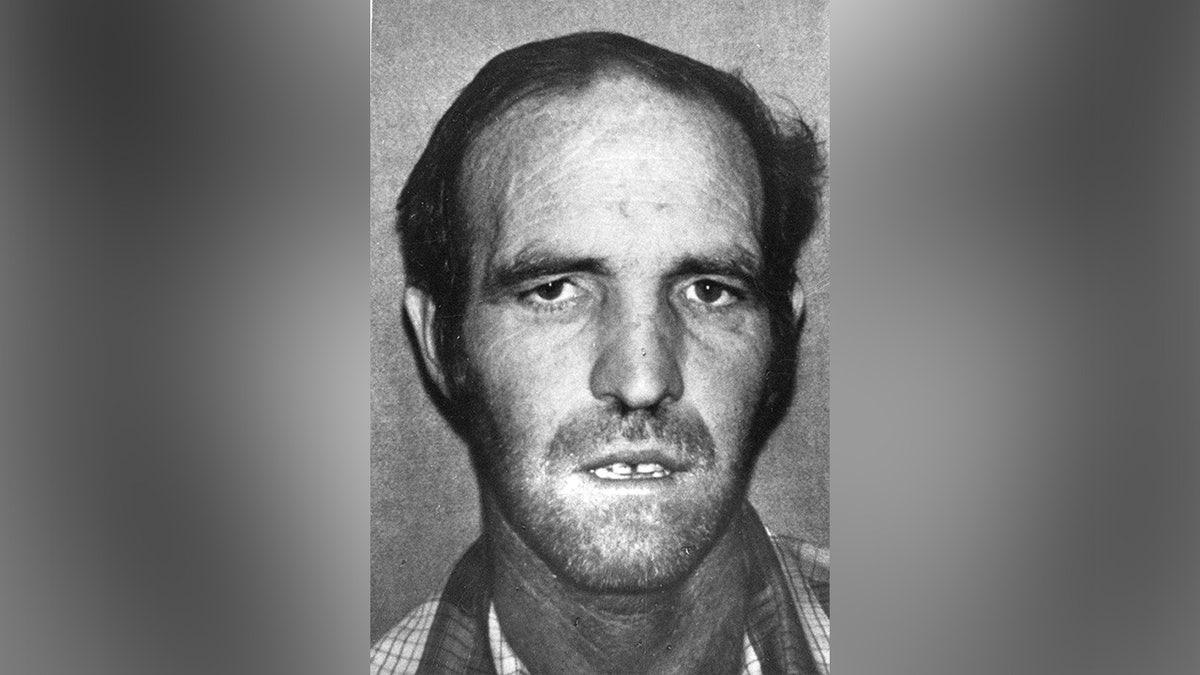
In 1983, Ottis Toole was already in a Florida prison, serving time for other murders, when he confessed to killing Adam Walsh.
He gave detailed accounts of abducting the boy from the mall.
He described the killing.
He described disposing of the head in a canal.
Then he recanted.
Then he confessed again.
Then he recanted again.
His statements shifted, and the details never quite lined up.
The Hollywood Police Department listened.
They took the confession, and they looked for something to hold onto.
They found no physical evidence linking Toole to the crime.
That is what the record shows: a confession, repeated and withdrawn, and no charge.
How could a detailed confession not be enough?
How could a man describe a murder and a disposal and still walk away from a courtroom?
How could the boy's head, found in a drainage canal along a Florida Turnpike service road, not pull the case shut?
That would require evidence.
That would require the exact method of disposal to be verified.
It was not.
The exact method of disposal is not established.
Any physical evidence linking Toole to the crime is not established.
No one was ever charged with Adam's murder during Toole's lifetime.
He was a drifter, a serial killer, a man who talked and talked.
The talking never became a conviction.
THE ABDUCTION
July 27, 1981, was a Monday.
Six-year-old Adam Walsh was at the Hollywood Mall in Hollywood, Florida, with his mother, Revé Walsh.
She left Adam and a friend at the Sears store's toy department, where the boys were watching a video game demonstration.
She was gone only minutes.
When she returned, Adam was gone.
The friend later said a security guard had escorted the boys out of the store for misbehaving.
What exactly happened after the guard escorted them out is not established.
Detectives focused on the Sears store and the mall.
They interviewed witnesses. They interviewed employees.
The case went cold for months.
Not because there was nothing to find. But because nothing pointed anywhere.
The mall was busy. The boy was small. The minutes were few.
A child does not vanish from a department store in the middle of the day without someone seeing something.
That is the question the record leaves open: who saw what, and when.
The friend's account placed a security guard at the center of the moment.
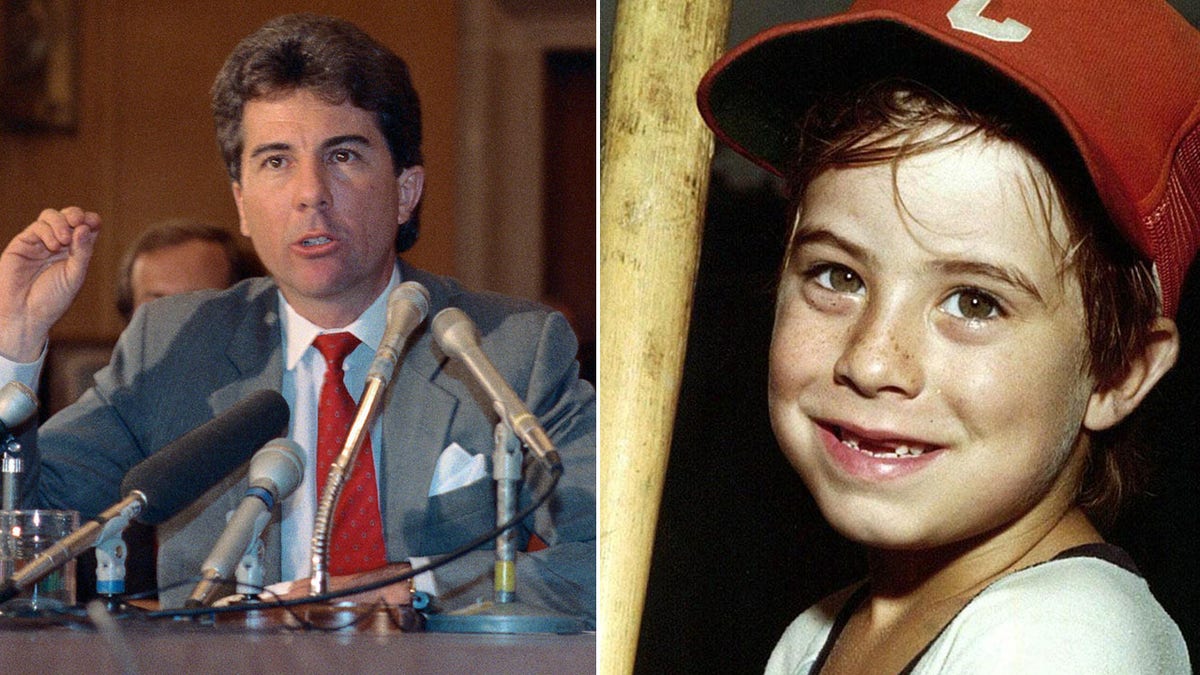
The guard's identity was never established. His actions were never confirmed.
The investigation stalled.
Adam's mother searched. Police searched. The mall searched.
No one found a six-year-old boy.
The case went quiet. It stayed quiet for months.
THE DISCOVERY
Seventy-five days after Adam Walsh disappeared, a severed head was found in a drainage canal along a Florida Turnpike service road in Vero Beach.
That is about 120 miles from the Hollywood Mall where the six-year-old had last been seen.
The medical examiner testified that the head showed signs of decapitation by a sharp instrument.
No further forensic evidence was available.
Adam's body was never recovered.
The location of his body is not known.
It was not found in the canal.
It was not found in the months of searching that followed.
The discovery shifted the investigation.
The case was no longer about a missing boy.
It was about a boy who had been killed.
But without a body, the case remained difficult to prosecute.
Detectives had remains, not a full victim.
They had a location, not a scene.
They had a manner of death, not a cause they could trace to anyone.
The void where the body should have been stayed open.
A head in a canal.
A boy gone from a mall.
Nothing in between that the record could close.
THE CONFESSIONS AND THE RECORD
The lead detective told reporters that Toole was the sole perpetrator.
He did not say what corroborating details convinced him.
Toole’s confessions were detailed, but they shifted.
He recanted, then re-confessed, then changed the story again.
Each version placed the boy at the mall, and the head in a canal.
The rest moved.
Henry Lee Lucas, Toole’s traveling companion, also made statements about the case.
Lucas was not considered a reliable witness.
The record does not establish what weight, if any, his words carried.
In 1996, the Hollywood Police Department formally closed the case.
They named Toole as the killer.
That decision rested on his confessions and on corroborating details.
The specific corroborating details are not detailed in the source.
Not because they were secret.
Because the record does not say.
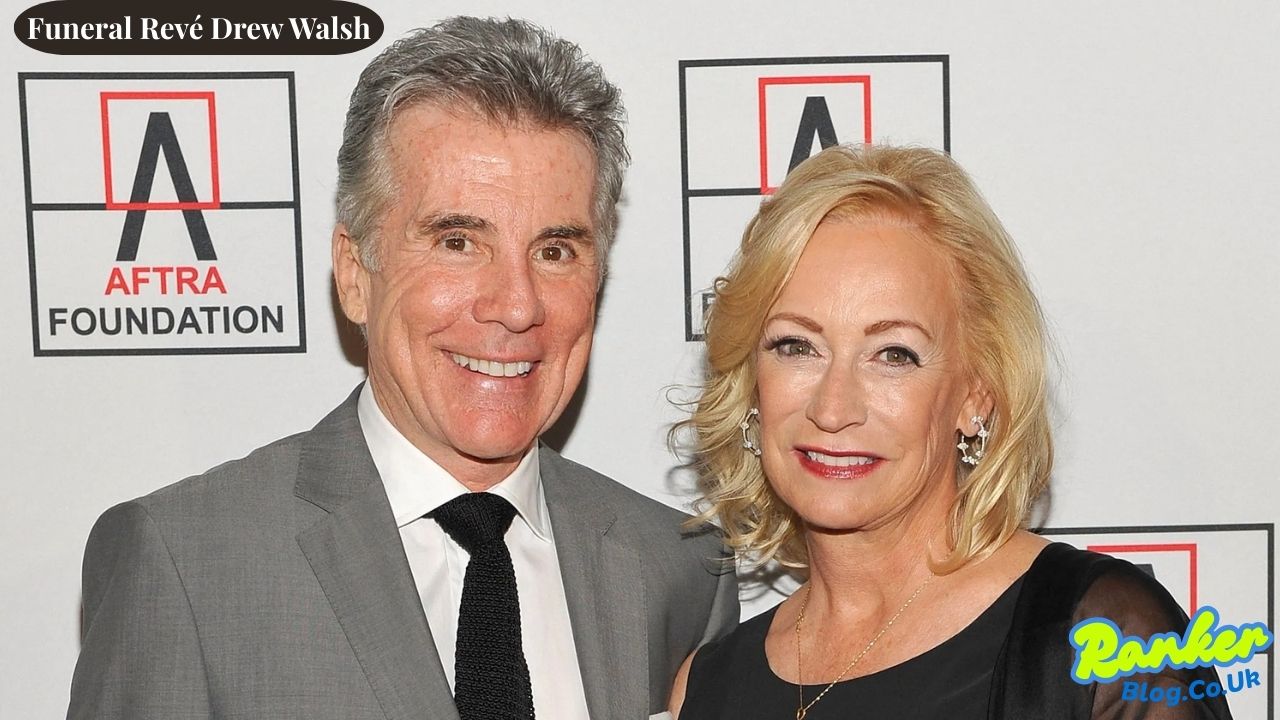
John and Revé Walsh accepted the department’s conclusion.
They also noted what it meant: Toole had died in prison that year, of liver failure.
No trial.
No conviction.
No legal accountability, ever.
So the case is closed, and the case is also open.
Closed by a declaration.
Open by the absence of physical evidence linking Toole to the crime.
The medical examiner had testified the head showed signs of decapitation by a sharp instrument.
That was it.
No further forensic evidence was available.
What corroborating details were there?
What did Toole say that matched what only the killer could know?
That would require evidence.
That would require the record to say.
It does not.
AND THE STORY STILL ISN'T OVER
Ottis Toole died in prison on September 15, 1996, of liver failure.
He was never convicted of Adam's murder.
No posthumous charges were filed.
The case remains closed.
John Walsh became a prominent victims' rights advocate and host of "America's Most Wanted," which aired from 1988 to 2013.
Revé Walsh also became an advocate for missing and exploited children.
The Adam Walsh Child Protection and Safety Act, signed into federal law in 2006, established a national database of convicted sex offenders.
The case is widely cited as a catalyst for changes in how missing children cases are handled in the United States.
The legal accountability never came.
It could not come after 1996.
It did not come before.
That would require a conviction.
That would require a trial.
There was no trial.
The record states the department's conclusion.
The record does not state a court's judgment.
Any future legal steps are not in the record.
Any pending motions are not in the record.
The story still turns on what was confessed, not what was proven.
It is a closed case.
It is also an open question.
Advertisement
You may also like
His 1964 arrest for posing as a cop, then a confession that changed everything
The year is 1964. Albert DeSalvo is arrested for a series of sexual assaults. The case file says he posed as a police officer…
The ransom note demanding $118,000 that matched John Ramsey's bonus
The 911 call came at 5:52 a.m. on December 26, 1996. Patsy Ramsey told the dispatcher her 6-year-old daughter was missing. A ransom note…
The trunk stain that sent Casey Anthony to trial for Caylee's death
The car was a Pontiac, and the trunk smelled before anyone opened it. In July 2008, after Caylee Marie Anthony was reported missing, a…
The two-phase attack that began at a streetlight and ended in a hallway
The light at 82-70 Austin Street in Kew Gardens, Queens, marks the spot. Not a hallway. Not a doorway. The open street, under the…
The 911 call at 12:10 a.m. — and the glove that would not fit the timeline
The dog came back first. It was past midnight on June 13, 1994, in the Brentwood neighborhood of Los Angeles. A neighbor named Sukru…
Cell phone data put Chase Merritt near the grave site — then QuickBooks opened after the family vanished
The motorcyclist stopped because something in the sand caught his eye. It was February 2013, and he was riding near Victorville, California, in the…