The dying gangster who told police 'nobody shot me' — and the question it left
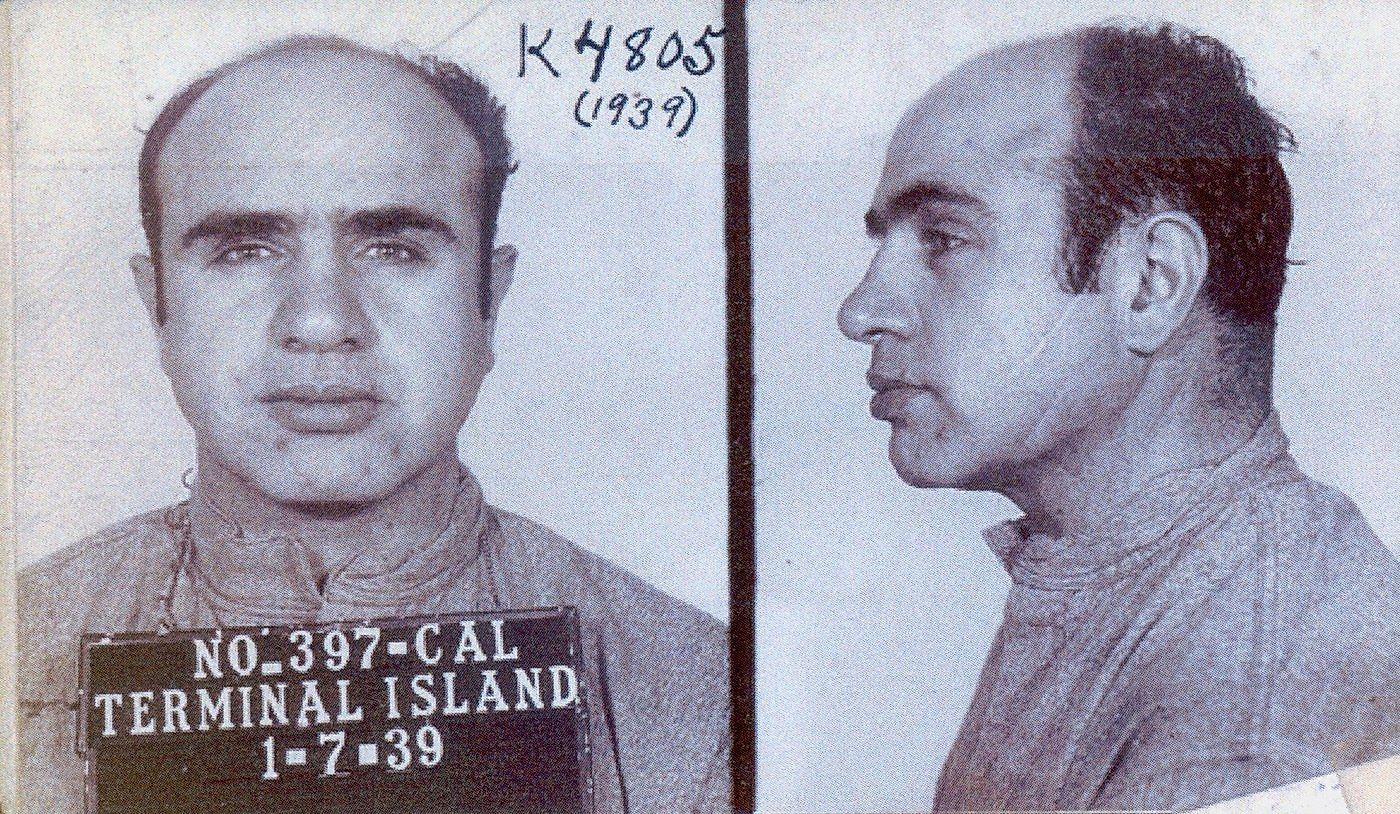
The garage door stood open on the morning of February 14, 1929.
Inside, at approximately 10:30 a.m., seven men lay dead against a brick wall at 2122 North Clark Street in Chicago.
One of the victims was still alive.
He had been shot, but he was breathing, and police asked him who had pulled the trigger.
According to the case file, he reportedly told them: "nobody shot me."
Those words became the famous refusal.
Not because they settled anything.
But because they closed the only door that might have opened.
The record says "reportedly."
It is not established that he spoke those exact words.
The case file offers the account of a dying man's denial, not a transcript.
Witnesses told police they saw a vehicle that looked like a police car leaving the scene.
The killers were gone.
A resident found the garage door open and discovered the bodies shortly after.
Seven men, a wall, a line of bullet holes.
One survivor, one sentence, and then silence.
Why would a man dying from gunshot wounds say nobody shot him?
Was it fear?
Was it loyalty?
Was it the code of silence that ran through the North Side gang?
That would require evidence, and the evidence stops at his reported words.
He was on the ground below the wall.
He did not name names.
The case file records the refusal, not the reason.
THE GARAGE AT 2122 NORTH CLARK
The address was 2122 North Clark Street, a brick garage on the near North Side.
At approximately 10:30 a.m. on February 14, 1929, a resident found the garage door open.
Inside were seven men, lined against a wall, dead.
The case file describes the scene: the victims were placed in a row, then fired upon with two Thompson submachine guns and a shotgun.
The victims were five members and two associates of the North Side gang.
They were the rivals of Al Capone's South Side organization.
Two men dressed as police officers had entered the garage before the shooting.
They lined the men up against the wall and opened fire.
Witnesses reported seeing a police car leaving the scene.
It is not established exactly who fired the weapons.
It is not established how the killers gained entry beyond posing as police.
The intended target was not among the dead.
George "Bugs" Moran, the North Side gang leader, was supposed to be in that garage.
He was not present.
The case file names the intended target; it does not say why he was absent.
The ambush was sudden.
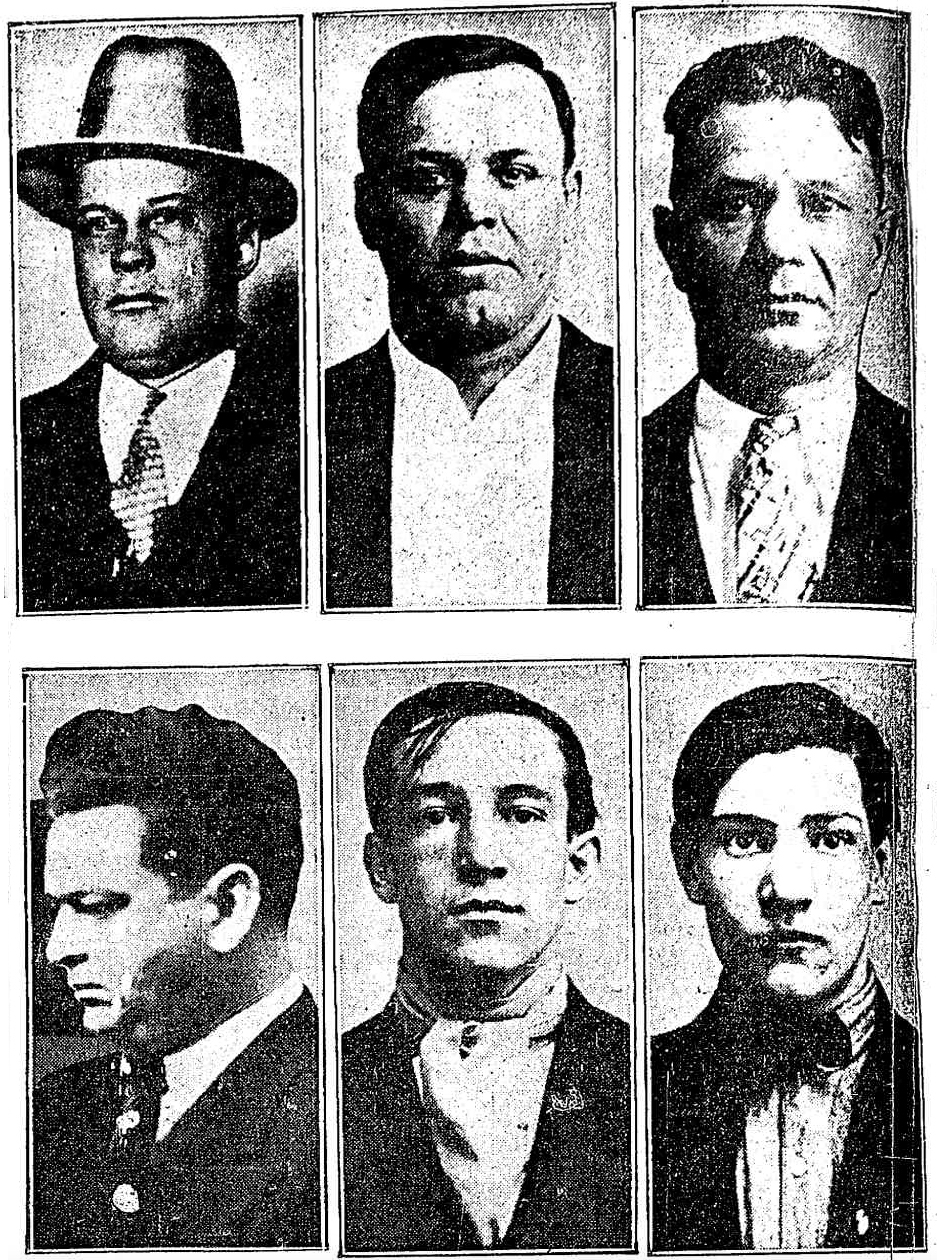
It was precise.
It killed seven men in a matter of minutes, and it missed the one man it was meant to kill.
The mechanics are cold on the page: enter, line up, fire, leave.
The victims did not have time to reach for their weapons.
The killers did not need to fire a second burst.
One victim survived briefly, long enough to refuse to name the shooters.
The record holds the refusal, and the silence.
THE CODE OF SILENCE
Frank Gusenberg's denial became the case's first wall.
The case file records his refusal plainly: "nobody shot me."
That answer was typical of the code of silence among gang members, according to the case file.
It was not a statement of fact. It was a refusal.
The investigation was hampered by the victims' refusal to cooperate, the case file states.
Men lay dead against a wall, and the one who could name the shooters chose the grave instead.
Police questioned members of the Egan's Rats gang from St. Louis.
They were suspected of carrying out the hit for Capone.
Suspected, never charged. The case file does not establish their involvement.
No charges were filed.
The families received little public attention in the immediate aftermath.
The men were gang figures, and the public turned away.
So the investigation pressed against silence.
Silence from the dying man. Silence from the dead. Silence from the men who knew.
That would require evidence, and the evidence never came.
The case file holds the questions.
It holds the suspicion about the Egan's Rats.
It does not hold an answer.
The refusal was famous because it was complete.
Frank Gusenberg was on the ground, bleeding out, and he said no one shot him.
Not because no one had. But because that was the code.
The code held. The case stalled. The silence followed them all to the grave.
TWO STORIES, ONE SET OF FACTS
The massacre was widely attributed to Al Capone, though he was never charged.
Capone was questioned, but he had a documented alibi.
He was in Florida at the time.
Historians and law enforcement have long believed the killers were gunmen hired by Capone's organization.
Possibly including members of the Egan's Rats gang from St. Louis.
That is a belief.
It is not a charge.
There was no trial.
No one was ever charged with the murders.
The case file records the suspicion. The case file does not record a conviction.

Was Capone the man who ordered it?
Was the Egan's Rats gang the hand that fired?
Was the police car a costume or a fact?
The record does not say.
It is not established that Capone ordered the massacre.
His alibi is documented, but the case remains officially unsolved.
The weight of suspicion is heavy. The weight of proof is absent.
The public believed one story. The law produced no story at all.
The silence that started on the garage floor became the official record.
A famous crime. A famous refusal. A famous suspect.
And no one to answer for it.
AND THE STORY STILL ISN'T OVER
The case has never been closed.
Al Capone was later convicted of federal income tax evasion in 1931, not for the massacre.
The garage at 2122 North Clark Street was demolished in 1967.
The victims' families largely remained out of the public eye; the men were buried in Chicago-area cemeteries.
The case remains one of the most famous unsolved crimes in American history, the subject of numerous books, films, and documentaries.
It is a famous crime.
It is a famous refusal.
It is a famous suspect.
And no one to answer for it.
It is not established that any new evidence or lead exists.
The case is simply not closed.
No charges were ever filed.
No prosecutor ever brought a case.
No trial was held.
The silence that started on the garage floor never ended.
It became the record.
It became the story.
It became the question that has no answer.
The men were buried.
The garage was torn down.
The families went quiet.
And the file stays open.
Not because someone is still looking.
But because no one ever closed it.
The case remains what it has always been: a documented massacre, a documented refusal, a documented failure.
And the question Frank Gusenberg's last words left — who shot him, who shot them all — remains exactly where he left it.
Unanswered.
The story still isn't over.
It just isn't going anywhere either.
Advertisement
You may also like
The crawl space at 8213 West Summerdale Avenue and the remains that ended a contractor's clown act
The crawl space ran beneath 8213 West Summerdale Avenue, a low, dark place under a contractor's house in Norwood Park Township, Illinois. Between 1972…
The 8:44 p.m. video that broke Alex Murdaugh's alibi — and the appeal that may decide his fate
The video is dark, grainy, and just over a minute long. It was recorded at 8:44 p.m. on June 7, 2021, from Paul Murdaugh's…
The $5,800 in ransom cash a boy found on a riverbank in 1980
The bills came apart in his hands. A boy named Brian Ingram was walking along the Columbia River near Vancouver, Washington, in 1980 when…
The .35 caliber Marlin rifle that ended six lives — and the confession that followed
The rifle was a .35 caliber Marlin. Police recovered it from the house at 112 Ocean Avenue in Amityville, New York. All six victims…
The cell tower records that placed Adnan Syed near Leakin Park — and the alibi witness never disclosed
She was 18, a senior at Woodlawn High School in Baltimore County, Maryland. Her name was Hae Min Lee. On January 13, 1999, she…
The 21-year-old pilot's logbook, and the instrument rating he never had
The cornfield near Clear Lake, Iowa, held its secret until morning. On February 3, 1959, a small Beechcraft Bonanza had gone down shortly after…