The FBI logged the serial numbers on the $200,000. Then a hijacker vanished with the cash
They wrote the numbers down first.
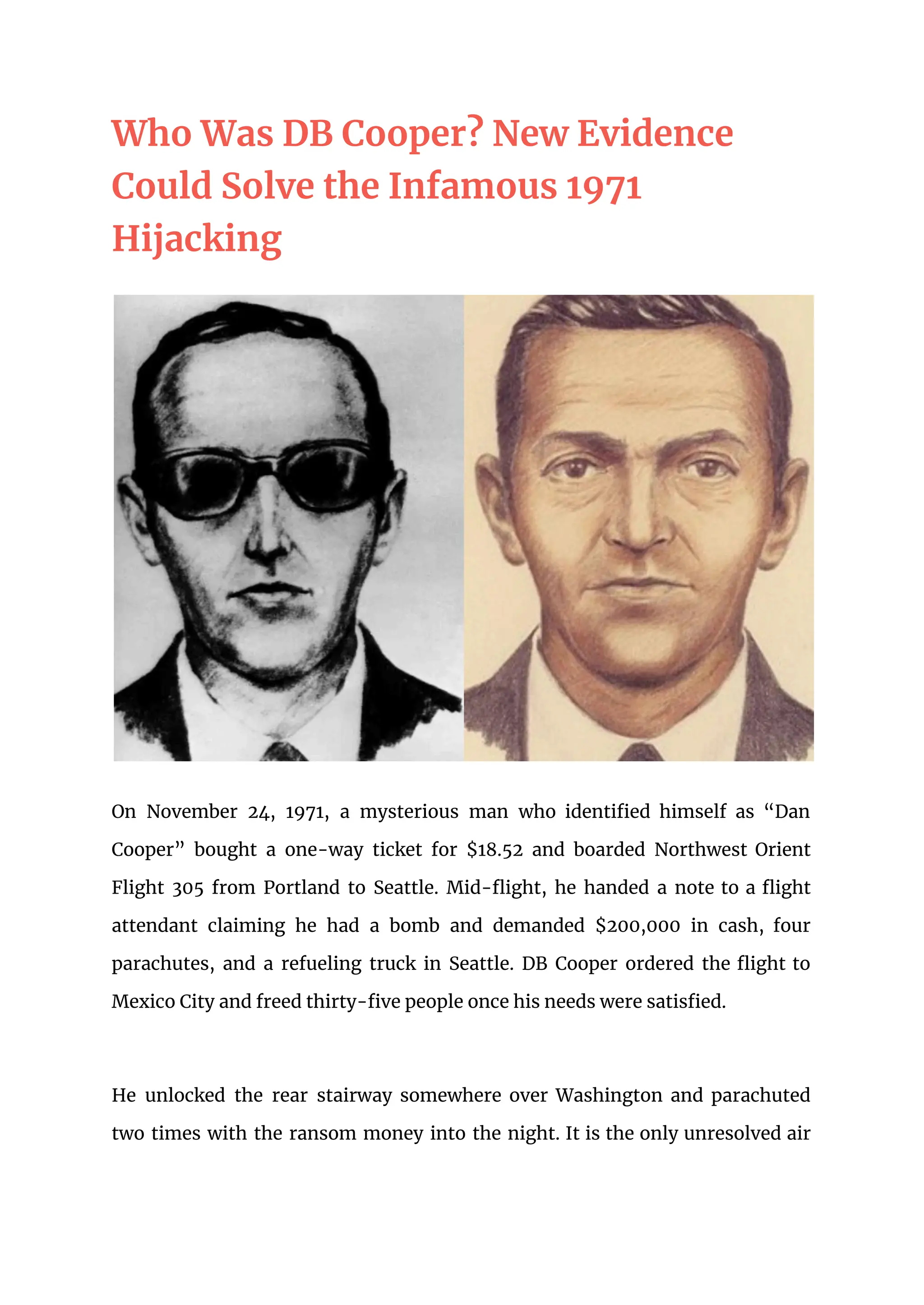
On November 24, 1971, agents with the FBI recorded the serial numbers of $200,000 in $20 bills before the money was handed over on Northwest Orient Flight 305.
The man who took it called himself Dan Cooper.
He had passed a note to a flight attendant, claiming he had a bomb, and demanded the cash, four parachutes, and a fuel truck waiting in Seattle.
The money was delivered on the ground there.
Then Cooper directed the crew toward Mexico City, low altitude, slow speed.
Somewhere over southwestern Washington, likely near the Columbia River, he opened the rear stairway of the Boeing 727 and jumped with the cash.
He was never found.
He was never identified.
The serial numbers were the only traceable link to the payoff.
That is what the record shows.
A theory circulating online holds that Cooper survived and spent the money.
Whether Cooper survived the jump is not established by the record.
The record shows only that a portion of the logged bills surfaced years later.
Not because the jump was survivable.
Not because it was not.
Because the record ends at the serial numbers.
The man vanished with $200,000, and the FBI was left holding a list.
THE NOTE AND THE DEMANDS
The note was a single sheet, folded once.
The flight attendant took it without reading it at first, thinking it was a phone number.
Then she saw the briefcase, and the wires that looked like a bomb.
The note claimed a bomb was in the briefcase.
It demanded $200,000 in cash.
It demanded four parachutes.
It demanded a fuel truck waiting in Seattle.
She was the primary witness to his appearance and demeanor.
She remembered him as calm, polite, and precise.
He sat in the back of the cabin, 18C, and ordered a bourbon and soda.
The plane landed in Seattle.
Passengers were released.
The ransom and parachutes were delivered.
The FBI had already logged the serial numbers of the $20 bills before the handover.
Every bill, every number, written down in a record that would outlast the man who took them.
Then Cooper gave new instructions.
Fly toward Mexico City.
Low altitude.
Slow speed.
He wanted the cabin depressurized.
He wanted the rear stairway down.
The exact contents of the note beyond the demands are not in the record.
No one has ever produced the full text.
No one has ever confirmed what else he wrote.
The flight attendant reported the demands, and that was enough.

That was always enough.
THE JUMP OVER WASHINGTON
The plane climbed out of Seattle with the money on board.
Cooper had given the crew their instructions: fly toward Mexico City, low and slow.
The pilot, William Scott, kept air traffic control informed as the 727 pushed south through the night sky.
Over southwestern Washington, somewhere near the Columbia River, Cooper opened the rear stairway of the Boeing 727 and jumped.
The exact location and time of the jump are not established.
The record says only "somewhere over southwestern Washington."
No body was ever found.
No parachute was ever recovered.
No physical trace of Cooper was ever located.
What remained was a tie, left behind on the seat.
That tie would be tested, retested, and analyzed for decades.
The flight continued without him.
The crew landed in Reno, Nevada, with an empty cabin and a story no one could fully verify.
Air traffic control had tracked the plane the whole way.
They tracked the plane, not the man who left it.
He was simply gone, swallowed by the dark air over the Columbia River.
The sky was empty where he vanished.
That emptiness became the case.
THE TIE AND THE RIVER
He left his tie on the seat.
The clip-on tie stayed behind when he went out the rear stairway.
Decades later, the FBI sent that tie to a laboratory.
In 2001, forensic testing found microscopic particles on it.
Those particles were consistent with titanium and other materials.
Whether the particles link to any specific material or industry is not established.
No DNA match was ever made from the tie.
The parachutes he left behind were examined too.
They yielded no fingerprints and no useful trace evidence.
Then the river gave something back.
In 1980, a young boy found decaying bills along the Columbia River.
The boy's name is not in the record; he is referred to by his role only.
The bills were checked against the serial numbers the FBI had logged before handing over the $200,000 payoff.
They matched.
The find totaled $5,800 in rotting twenty-dollar bills.
The money was found downstream of the likely landing zone.
That placement was seen as confirming that Cooper had survived the jump.
The money had to have come from the parachute bag he carried out with him.
Not because he was found. But because the cash was.
The river had carried it miles from the drop point.
No body surfaced. No parachute surfaced. No other trace of him surfaced.
The tie held particles. The money held serial numbers.
The sky over the Columbia stayed empty.
The case kept its one hard fact: the bills were real, and they had moved.
Everything else remained a question.
THE INVESTIGATION AND THE CLOSED FILE
The FBI moved the same night, with an agent named Ralph Himmelsbach taking the lead.
Himmelsbach became the public face of the case for decades.
He interviewed hundreds of suspects over the years.
One of them was Richard Floyd McCoy Jr., who committed a similar hijacking in 1972.
No evidence linked McCoy to the Cooper case.
No one else was ever charged.
No suspect was ever arrested, charged, or indicted.
The investigation ran for forty-five years.
It produced a tie with microscopic particles, a pile of decaying bills, and a sky that stayed empty.
It produced no name.
The identity of Dan Cooper remains unknown.
The FBI officially closed the case in 2016.
The agency stated that no viable suspects remained.
The remaining evidence was transferred to the National Archives.
The case is closed at the FBI.
It is not solved.
No one has ever been convicted in connection with the hijacking.
The record shows a man who jumped with $200,000 and vanished.
It shows a boy who found $5,800 of it on a riverbank years later.
It shows an agent who kept asking questions until his death in 2022.
What it does not show is a face.
What it does not show is a name.
What it does not show is an answer.
That would require evidence.
The file is in the archives now.
The question is still in the air.
AND THE STORY STILL ISN'T OVER
The case remains officially open in the public eye.
It is inactive at the FBI.
The FBI has stated it will no longer actively investigate.
It has not ruled out new leads.
The boy who found the money later sold a portion of the bills at auction.
Ralph Himmelsbach, who retired from the FBI, wrote a book about the case.
He continued to comment on it until his death in 2022.
The identity of Dan Cooper remains one of the most famous unsolved mysteries in American criminal history.
No hearing date is pending.
No motion is pending.
No decision is pending.
The next concrete step is the possibility of new leads, which the FBI has not ruled out.
Whether any new lead will emerge is not established.
The file is in the archives now.
The question is still in the air.
Advertisement
You may also like

The 911 call a mother made at 5:52 a.m. — the ransom note that followed
The 911 call came at 5:52 a.m. December 26, 1996, in Boulder, Colorado. Patsy Ramsey's voice on the line, reporting her 6-year-old daughter, JonBenét,…
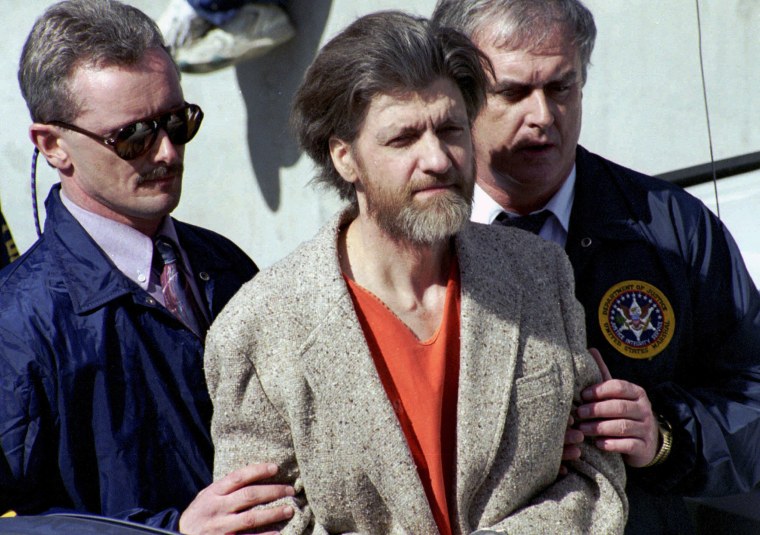
The brother's call that ended a 17-year bombing spree
The manifesto arrived in 1995. It was 35,000 words, titled "Industrial Society and Its Future," and it was mailed to The New York Times…

The newspaper clipping and note in the Black Dahlia case that still defy explanation
A newspaper clipping and a note, reportedly carrying the killer's taunts, sat in the evidence file. They were key evidence, the investigation summary says.…
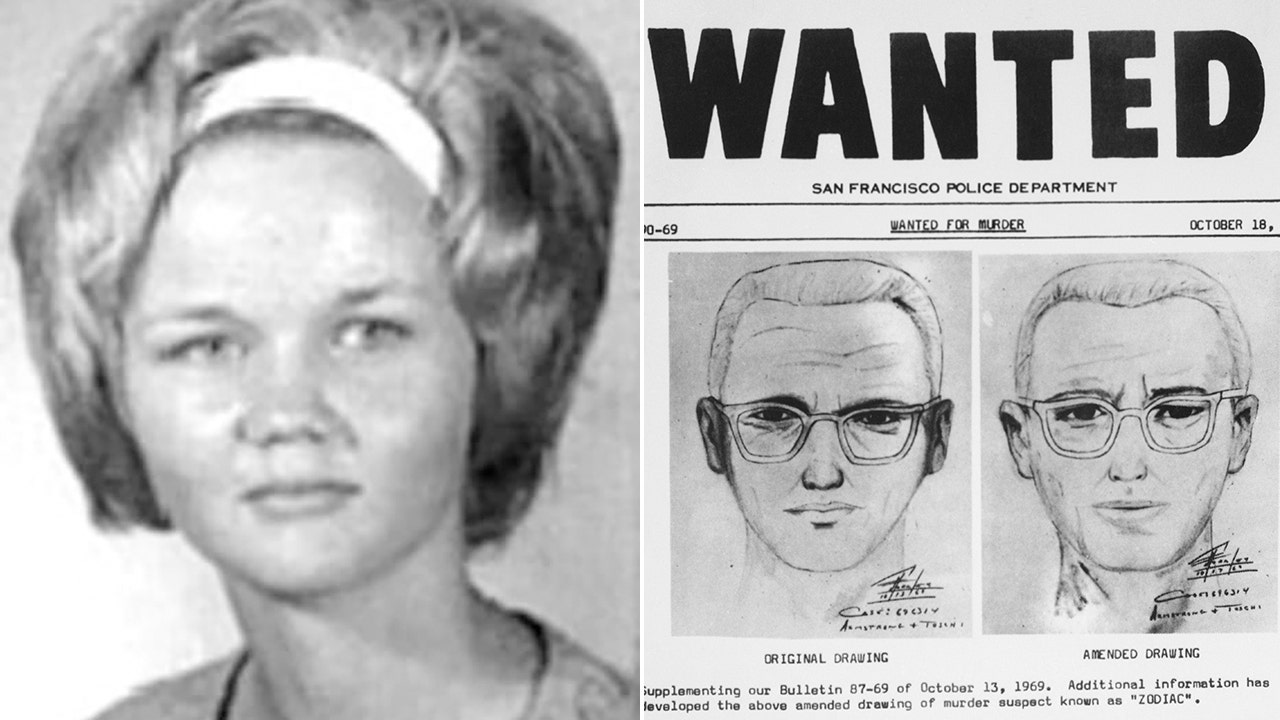
The 1969 letter that came with a victim's bloody shirt and a promise
The package arrived at the San Francisco Chronicle in 1969. Inside was a piece of a shirt. The shirt was bloody. It belonged to…
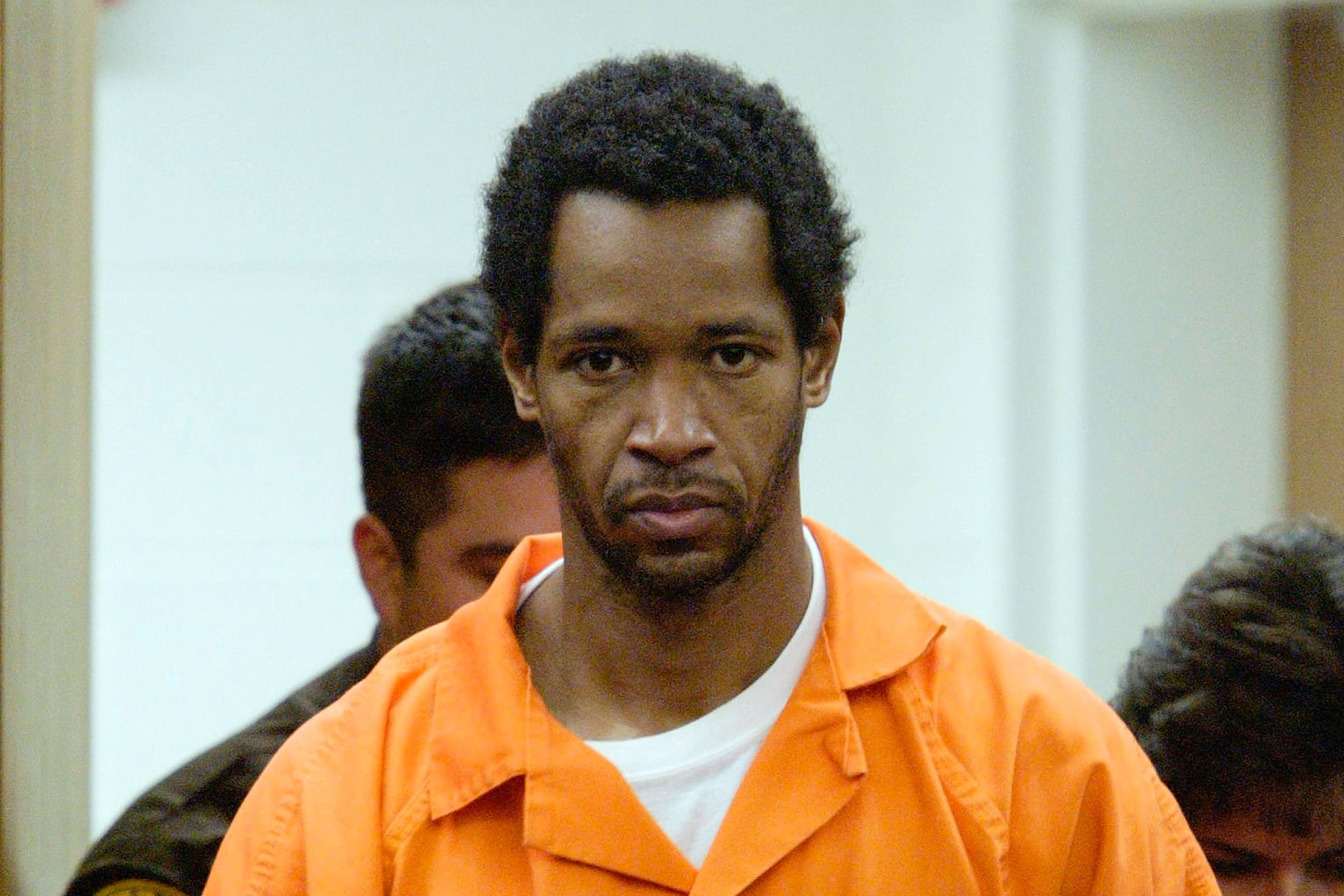
The tarot card left at a D.C. sniper scene that said 'Call me God'
The card was on the ground beside the body. October 19, 2002. Falls Church, Virginia. A victim shot while loading groceries. Police found a…
Afeni Shakur scattered her son's ashes at his childhood home — the case that still haunts Vegas
Afeni Shakur carried her son's ashes back to Marin City. She scattered them at his childhood home, a private act in a small California…