The jailhouse witness and the 31 days Casey Anthony never reported Caylee missing
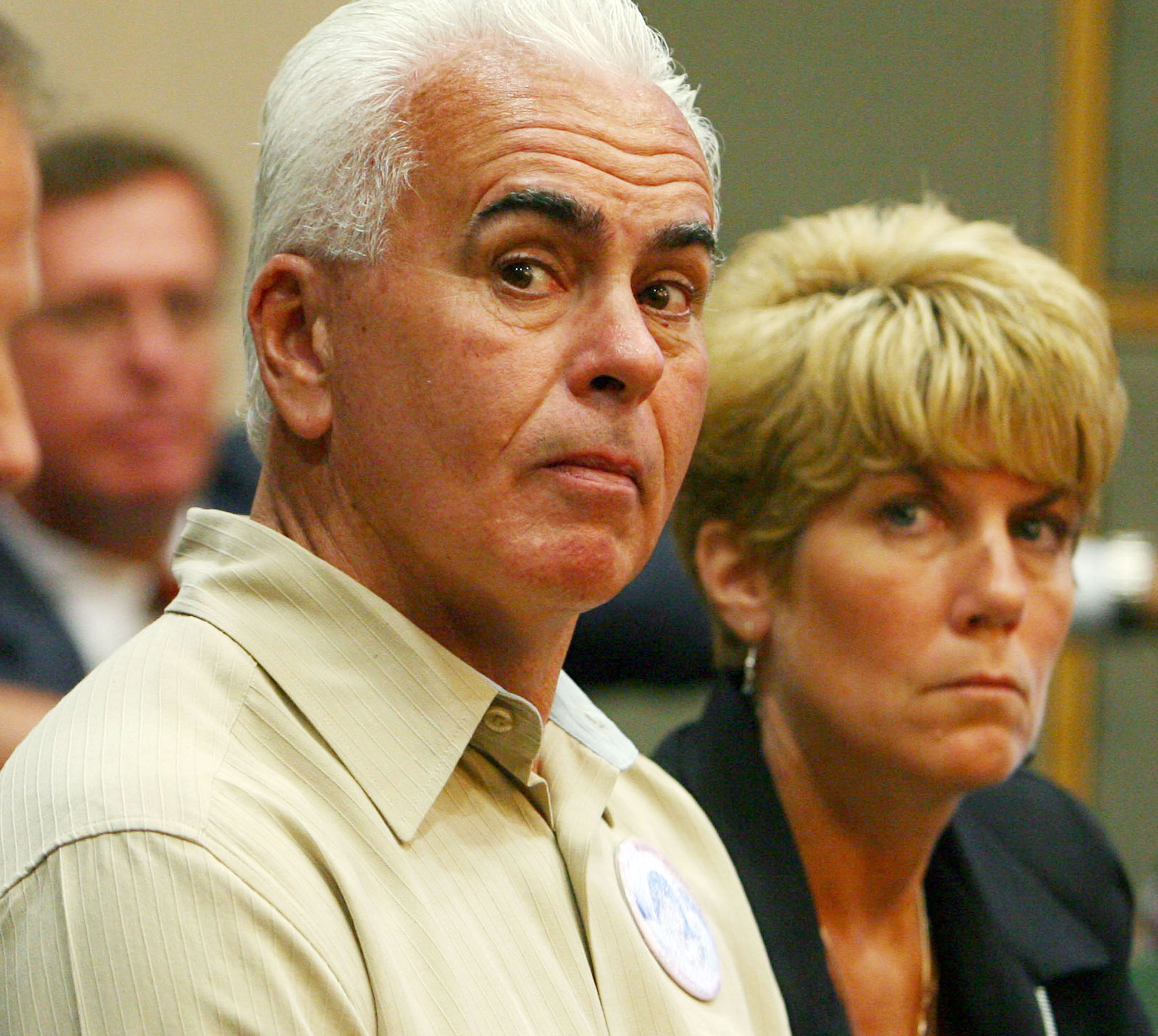
Cindy Anthony called 911 from her Orlando home on July 15, 2008.
She reported that her 22-year-old daughter, Casey Anthony, had stolen her car.
She also reported that Casey's 2-year-old daughter, Caylee, was missing.
Cindy told investigators that Casey had not seen her daughter for 31 days.
Thirty-one days, with no report, no search, and no explanation from the mother.
Casey claimed Caylee had been kidnapped by a babysitter named Zenaida Fernandez-Gonzalez.
Investigators determined that no such person existed.
During those 31 days, the investigation record shows, Casey was living with her boyfriend Ricardo Morales.
Later in that same period, she was living with another boyfriend, Tony Lazzaro.
She was elsewhere, living another life, while her daughter was not reported missing.
What happened to Caylee during those 31 days is not established by the record.
The record establishes the silence.
It establishes the car theft report that brought the missing child to light.
It establishes the fabricated babysitter.
It does not establish what happened to the child, or when.
That would require evidence the record does not contain.
The 911 call came on a Tuesday.
The silence had stretched through June and into July.
A grandmother made the call that a mother had not made.
The question hangs over everything that followed: why the gap.
Why 31 days.
Why no call.
The record offers the dates.
It offers the living arrangements.
It offers the lie about Zenaida Fernandez-Gonzalez.
It does not offer a reason.
THE JAILHOUSE WITNESS
The jailhouse informant’s name was Robyn Adams.
She testified for the prosecution about statements Casey allegedly made.
The specific content of her testimony is not detailed in the record.
That is not established.
What is established is the charge sheet.
Casey was charged with first-degree murder.
She was charged with aggravated child abuse.
She was charged with aggravated manslaughter of a child.
She was charged with four counts of providing false information to law enforcement.
The charges came from the charging documents.
The lead detective led the investigation.
The prosecution was led by a lead prosecutor with a co-counsel.
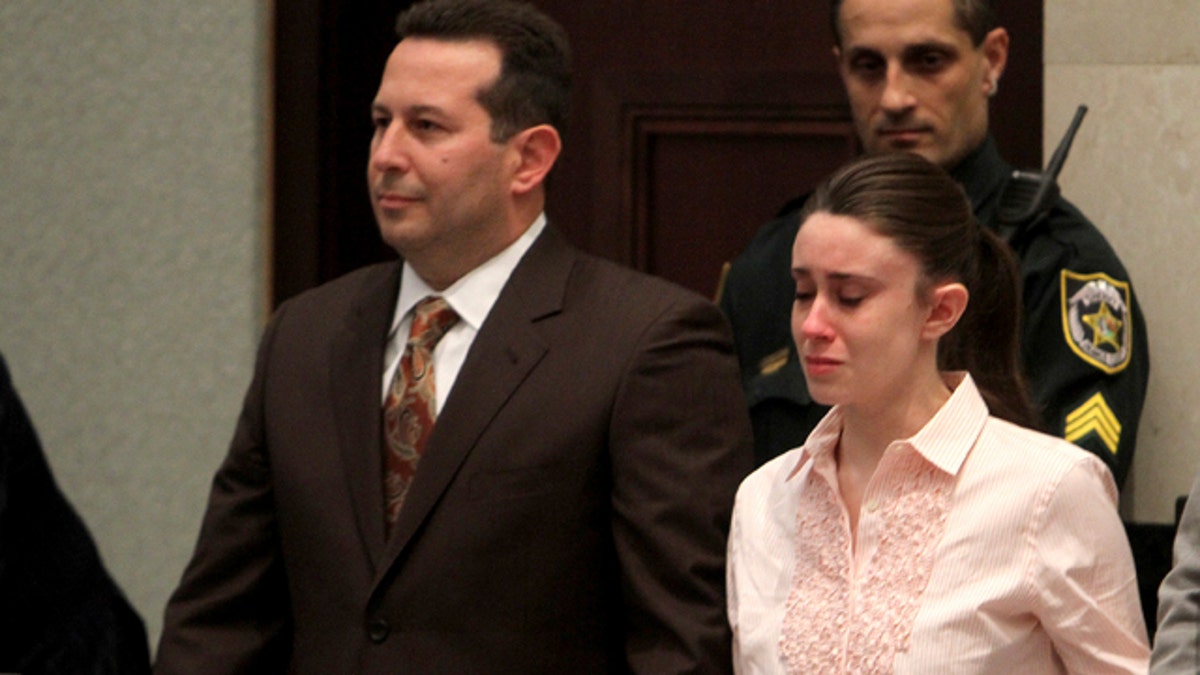
The defense was led by Jose Baez.
The trial began in May 2011.
It lasted six weeks.
A jailhouse informant's word against a mother's 31-day silence.
How much weight does one carry?
How much weight does the other?
How much weight does a jury assign to either?
That would require evidence.
The record offers the testimony.
The record offers the silence.
It does not offer a reason.
THE REMAINS AND THE FORENSICS
On December 11, 2008, a utility worker found skeletal remains in a wooded area about a quarter-mile from the Anthony family home.
The remains were identified as Caylee Anthony.
The death was ruled a homicide.
The cause of death could not be determined.
The medical examiner who testified at trial said so plainly.
Forensic evidence included air samples from Casey's car trunk that tested positive for chloroform.
Hair evidence was consistent with decomposition.
Duct tape was found near the skull.
What the tape meant was never established in the record.
Not because no one asked. Because no one could answer.
The chloroform was detected in the air.
The hair was consistent with decomposition.
The tape was near the skull.
The remains were identified.
The cause of death was not.
The record establishes the findings. It does not establish what they meant.
Prosecutors pointed at the trunk and the tape and called it a pattern.
The defense pointed at the pool and the panic and called it an accident.
The medical examiner testified to the limit of the science.
That limit was the cause of death.
She was on the ground below, in the woods, a quarter-mile from home.
The duct tape is in the evidence record.
The significance of the duct tape is not in the evidence record.
That is not a gap in the story. It is the story.
TWO STORIES, ONE JURY
The prosecution argued that Casey Anthony killed her daughter to live a carefree life.
They pointed to the 31 days she never reported Caylee missing.
The defense answered with a different story.
Caylee drowned accidentally in the family pool, the defense argued.
George Anthony disposed of the body.
Casey, traumatized by years of alleged abuse, panicked.
The prosecution rejected the drowning theory outright.
Two narratives stood before the jury, and the record does not establish which one is true.
It is not established that Casey killed her daughter for freedom.
It is not established that Caylee drowned in the pool.
It is not established that George Anthony touched the body.
The jury heard the jailhouse witness.
They heard the forensic experts.
They heard the 31 days.
Then they deliberated for about 11 hours.
On July 5, 2011, the verdict came down.
Casey was acquitted of first-degree murder.
Acquitted of aggravated child abuse.
Acquitted of aggravated manslaughter of a child.
She was convicted of four misdemeanor counts of providing false information to law enforcement.
The acquittal was not a finding that the drowning happened.
The conviction was not a finding that the murder happened.
The cause of death was never determined.
The duct tape sits in the evidence record, unresolved.
The chloroform sits in the air-sample record, unresolved.
The 31 days sit in the timeline, unresolved.
The jury chose not to convict on the murder charges.
That is what the verdict records.
Why they chose that way, the record does not say.
Eleven hours is a short time for two lifetimes of stories.
It is also a long time to hold two irreconcilable truths.
The public believed one version.
The jury returned another.
Neither the acquittal nor the conviction settles what happened to Caylee.
That would require evidence the record does not contain.
AND THE STORY STILL ISN'T OVER
Judge Belvin Perry sentenced Casey Anthony to four years, with credit for time served.
She was released on July 17, 2011.
The acquittal stood. The four misdemeanor convictions stood with it.
In 2017, a Florida appeals court upheld those convictions.
Casey Anthony has kept a low public profile since her release.
She has appeared in occasional interviews and online videos.
The Anthony family has largely stayed out of the public eye.
The case never left the public mind.
Many people still believe she was guilty, despite the jury's verdict.
That belief is a matter of public discourse, not of the record.
The record shows an acquittal on the murder charge.
The record shows a conviction on four counts of lying to investigators.
The record does not show how Caylee Anthony died.
No new evidence has emerged that would reopen the case.
Whether new evidence will ever emerge is not known.
The cause of death remains undetermined.
The prosecution built its case on a jailhouse informant's testimony and a mother's 31-day silence.
The defense built its case on an accidental drowning and a panicked cover-up.
The jury heard both. The jury chose neither, in full.
Neither the acquittal nor the conviction settles what happened to Caylee.
That would require evidence the record does not contain.
She was on the ground below.
Advertisement
You may also like
The blood on his pajama sleeve that contradicted Jeffrey MacDonald's intruder story
The pajama sleeve was examined under a microscope, and the blood on it held a pattern. The pattern was a transfer, a smear of…
The defense’s claim that McVeigh was a scapegoat — and the witness who testified he built the bomb
The blast at the Alfred P. Murrah Federal Building occurred at 9:02 a.m. on April 19, 1995. It killed 168 people and injured more…
One palm print from the Zodiac's Lake Berryessa attack that no lab could ever match
A palm print and a partial fingerprint were left at the Lake Berryessa scene on September 27, 1969. They are part of the official…
Eleven Branch Davidians on trial: the defense claim of self-defense against a government raid
The warrant was for Mount Carmel Center, a ranch near Waco, Texas, and for the arrest of David Koresh. It was February 28, 1993,…

The truck painter who picked up victims on Pacific Highway South — and the DNA that ended 20 years of silence
He painted trucks for a living, the same job for decades. He lived in Auburn, a Seattle suburb, and went to church. He was…
The fishing trip Scott Peterson said he took — and the evidence that says otherwise
He told investigators he spent the morning of December 24, 2002, fishing alone at the Berkeley Marina. That was the claim. It became the…