Kitty Genovese's family says the '38 witnesses' claim stole her memory
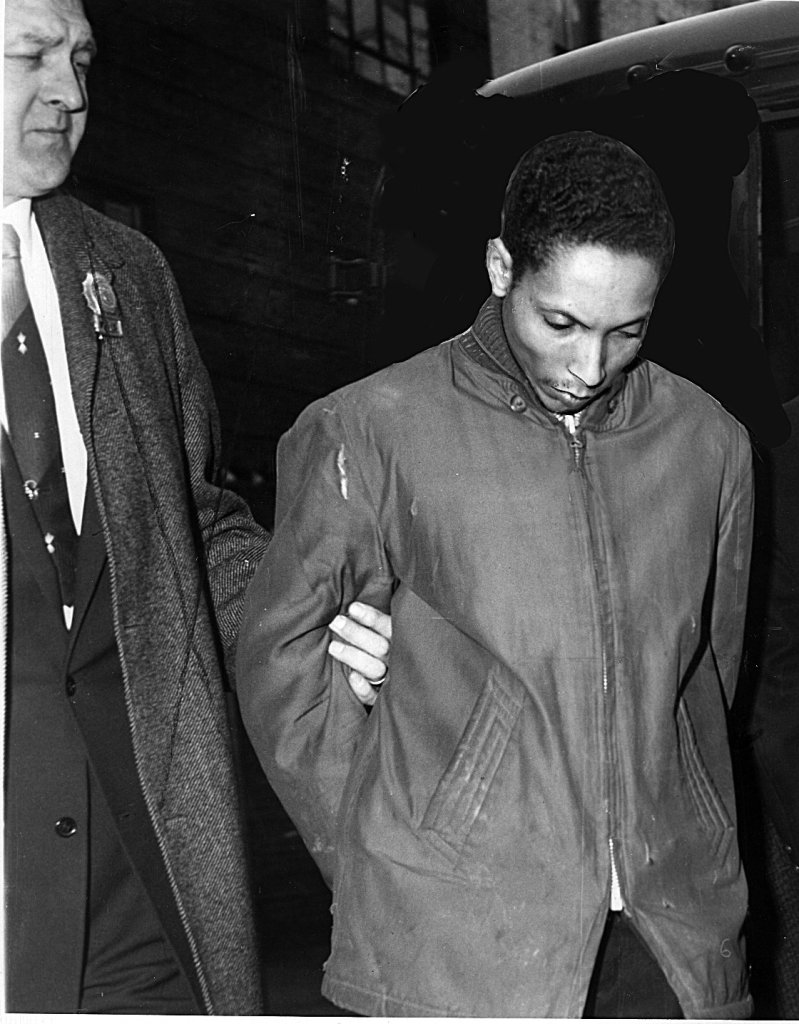
A single number has been attached to Kitty Genovese's name for decades.
Thirty-eight.
The number appears in textbooks. It appears in documentaries. It is repeated as fact.
The number comes from a newspaper report written days after the murder, not from any official record or court finding.
That report claimed 38 witnesses had watched or heard the attack without calling police.
The source states the claim was "later disputed and revised" in subsequent reporting.
What the record does not establish is the accuracy of the "38 witnesses" claim.
It is a disputed newspaper report.
Her family says this number — and the story of silent witnesses — stole her memory.
It shifted focus from the crime to a claim.
Her brother William has expressed frustration with the emphasis on witness inaction.
Not on the crime itself. Not on the victim.
The victim was a 28-year-old bar manager. She was returning home from work.
She was stabbed repeatedly outside her apartment building in Queens.
The attack happened in two separate phases over approximately half an hour.
A neighbor shouted from a window. The attacker fled temporarily. He returned.
She was found by a neighbor who went to her aid. She died in an ambulance.
The number outlived her.
The family has said the statistic overshadowed the woman.
It is a number repeated so often it became the story.
What actually happened that night is the story.
That would require looking past the number.
THE WALK HOME
She was coming home from work.
In the early hours of March 13, 1964, Catherine "Kitty" Genovese, a 28-year-old bar manager, walked back to her apartment at 82-70 Austin Street in the Kew Gardens neighborhood of Queens, New York City. She had been managing Ev's 11th Hour Bar.
A man confronted her outside the building.
He stabbed her repeatedly. The attack did not happen all at once. It came in two separate phases over approximately half an hour.
A neighbor shouted from a window.
The attacker fled. Then he came back. He continued the assault.
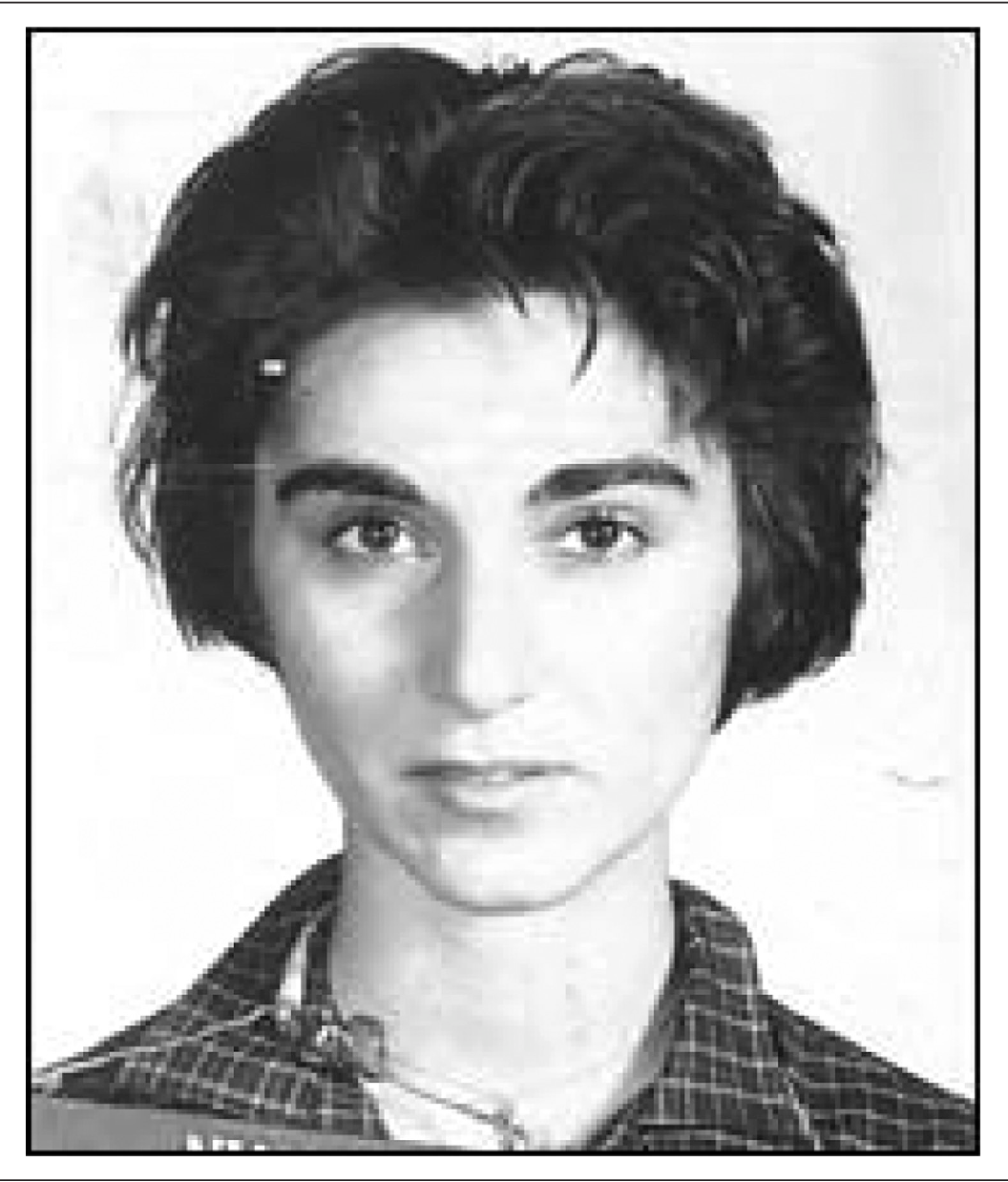
She was on the ground below.
Another neighbor, Sophie Farrar, went to her. Farrar found her and stayed with her, trying to help.
Kitty Genovese died in an ambulance on the way to the hospital.
What the record does not establish is how many people saw or heard any of it. The number that would later define her death came from a newspaper report, not from an official count. It was a claim, later disputed and revised.
But the night itself had a shape: a walk home, a shout, a return, a neighbor who went outside.
That part is not in dispute.
THE CONFESSION AND THE TRIAL
He confessed on March 16, 1964, while driving in a stolen car.
Winston Moseley, a 29-year-old married man living in Queens, was arrested that day.
During questioning, he confessed to the murder of Kitty Genovese.
He also confessed to other crimes, including the murder of another woman, Annie Mae Johnson, and a series of burglaries.
His confession was detailed.
It matched the physical evidence at the scene.
The lead detective was John Carroll of the Queens homicide squad.
The prosecutor was Queens District Attorney Frank D. O'Connor.
The medical examiner, Dr. Milton Helpern, testified about the nature of Genovese's wounds.
The trial took place in Queens County Court before Justice J. Irwin Shapiro.
Moseley was represented by defense attorney Sidney Sparrow.
He pleaded not guilty by reason of insanity.
The jury rejected that defense.
He was convicted of first-degree murder on June 8, 1964.
He was sentenced to death.
Then he recanted his confession.
He claimed he had been mentally ill and did not remember the crime.
The conviction was upheld on appeal.
In 1967, New York State abolished the death penalty.
Moseley's sentence was commuted to life in prison.
He remained in prison for the rest of his life.
He died in prison on March 28, 2016, at the age of 81.

The case remained a subject of public and academic debate for decades.
Much of that debate concerned the accuracy of the "38 witnesses" claim.
What the record does not establish is the details of Moseley's mental state at the time of the crime.
That rests on his own recanted statement.
It is a claim, later disputed and revised.
The conviction itself was final.
THE DISPUTED CLAIM
The number 38 appeared in a newspaper report days after the murder.
It said that many witnesses had watched or heard the attack without calling police.
The claim made the case infamous.
It also made Kitty Genovese famous for how she died, not for who she was.
The source states this claim was later disputed and revised.
The actual number of witnesses and the extent of their inaction are not established by the record.
Her family has said the emphasis on witness inaction stole Kitty's memory.
It focused on a disputed claim rather than on the crime itself.
It focused on the bystanders, not on the victim.
William Genovese, Kitty's brother, was active in later years in discussions about the case and its legacy.
He spoke about his sister and about how the story had been told.
The police investigation was later criticized for the handling of witness reports.
The extent of witness inaction was disputed.
That distinction matters.
It is the difference between a documented murder and a disputed headline.
The site of the murder became a memorial.
People go there to remember Kitty Genovese.
Not to count the witnesses.
The record shows a confession and a conviction.
The record does not show 38 silent witnesses.
That number is a claim.
It is a claim, later disputed and revised.

AND THE STORY STILL ISN'T OVER
Winston Moseley died in prison on March 28, 2016, at the age of 81.
He had remained in prison for the rest of his life.
The case did not end with his conviction, and it did not end with his death.
It remained a subject of public and academic debate for decades.
The debate was particularly about the accuracy of the "38 witnesses" claim.
That claim is disputed and revised.
It is not established fact.
Kitty Genovese's family kept speaking.
Her mother spoke about her memory.
Her brother William spoke about her memory and the case's legacy.
They expressed frustration with the way the case was portrayed.
Not because of the crime itself.
Because of the emphasis on witness inaction rather than on the victim.
The family has said the number stole Kitty's memory.
The story shifted from a woman murdered to a question about bystanders.
That question has been asked for decades.
What would they do?
What would we do?
What did they actually see?
The record does not fully answer that.
The case has been the subject of numerous books, documentaries, and analyses.
Each one returns to the same disputed number.
The site of the murder became a memorial.
It stands as a reminder of Kitty Genovese herself.
The family's fight to reclaim her story continues.
No future legal or public actions by the family are in the record.
That is not established.
But the memory is still contested.
The memorial remains.
The story is still not over.
Advertisement
You may also like
The morning Gianni Versace walked to a newsstand and never came back
The morning began as an errand. On July 15, 1997, at approximately 8:45 a.m., Gianni Versace walked from his Miami Beach mansion, Casa Casuarina,…
The ex-convict's tip about a safe that sent detectives to a Kansas farmhouse
He told prison authorities that Richard Hickock had spoken of robbing the Clutter farm. Floyd Wells was a former cellmate. He had worked for…
The ring that identified Emmett Till after his body was found in the Tallahatchie River
The cotton gin fan was still tied to his neck with barbed wire. The body came up from the Tallahatchie River on August 31,…
The tarot card left at a D.C. sniper crime scene that read 'Call me God'
The card was found at one of the crime scenes. It was a tarot card, and it read "Call me God." That much is…
The Sacramento mail bomb that ended the Unabomber's 17-year campaign
The package arrived in Sacramento in April of 1995. It was sent through the U.S. Postal Service, constructed from wood, metal, and other materials.…
The screams a husband said he heard — and the bushy-haired intruder police never found
The screams, he said, were what woke him. On July 4, 1954, in Bay Village, Ohio, Marilyn Sheppard, 31, was found bludgeoned to death…