The McStay family’s graves were found in 2013 — but the evidence trail ran through cell towers and checks
The dog was in the backyard.
The family was not.
In early February 2010, Joseph McStay, his wife Summer, and their two young sons disappeared from their home in Fallbrook, California.
The dog stayed.
Their vehicles turned up later near the U.S.-Mexico border.
That pointed one way: a crossing into Mexico, a family that left on purpose.
For three years, that was the working idea.
Then, in February 2013, a motorcyclist stopped along a remote road in the Mojave Desert near Victorville.
He found shallow graves.
The family was there.
What happened inside the Fallbrook home in the hours before the disappearance is not in the record.
No witness account puts anyone in that house that night.
The dog does not say.
The border was the wrong clue, and it cost time.
The graves were the right one, and they changed everything.
THE THREE-YEAR GAP
The vehicles sat near the border, and for three years the investigation read them as a crossing into Mexico.
The family had vanished from their Fallbrook home in early February 2010, leaving the dog in the backyard.
The border theory held because nothing contradicted it.
Then, in February 2013, a motorcyclist stopped along a remote road in the Mojave Desert near Victorville.
The remains were found in shallow graves.
The case became a homicide investigation.
The focus shifted from a family that fled to a family that was killed.
Investigators examined financial records and phone data.
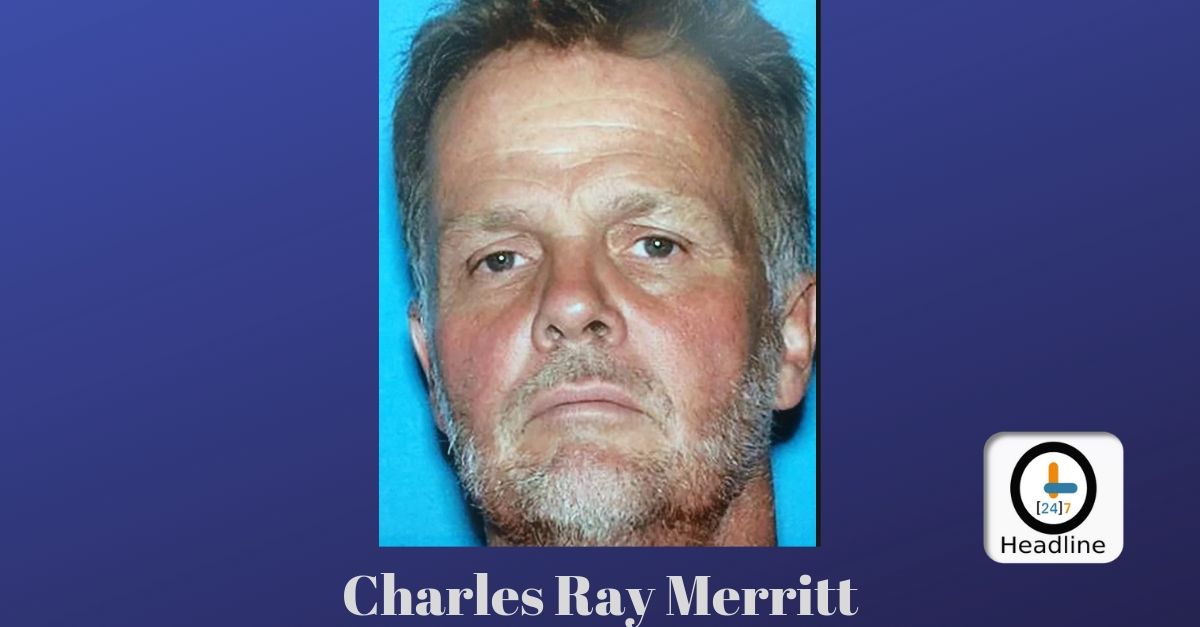
Those records pointed to Charles “Chase” Merritt, a business associate who had worked with Joseph McStay on various projects.
The checks and the cell tower data did the pointing.
Merritt was arrested in November 2014.
He was charged with four counts of murder.
What exactly triggered the shift from the Mexico theory to looking at Merritt is not detailed in the record.
The record shows the vehicles were the wrong clue.
The record shows the graves were the right one.
The gap between them cost three years.
A stalled case does not explain itself.
A shallow grave does.
THE PHONE AND THE CHECKS
The phone was the first thread.

Cell tower data placed Charles Merritt near the burial site, according to testimony during the trial that began in January 2019.
The checks were the second.
Financial records showed transactions and cashed checks that, prosecutors argued, meant Merritt had been using Joseph McStay's accounts after the family disappeared.
The prosecution argued a motive rooted in business dealings and financial disputes with McStay.
The defense contended the evidence was circumstantial and that Merritt was innocent.
A phone ping places a person near a place.
A signature on a check places a person near an account.
Neither places a hand on a weapon.
The murder weapon was not widely reported; the cause of death was blunt force trauma, but no specific weapon was identified in public reports.
That is not established.
What the record does establish is a pattern of location and money.
Forensic experts testified about the data.
Family members testified about the missing.
The trial ran through the winter and into the spring.
Was a phone enough?
Were checks enough?
Was a dispute enough?
The jury heard the testimony and weighed the gaps.
The defense's case rested on what the prosecution could not show.
The prosecution's case rested on what the records could.
A stalled case does not explain itself.
The phone and the checks were the explanation offered.
THE VERDICT AND THE SENTENCE
The jury returned in June 2019.
They found Charles Merritt guilty on all four counts of first-degree murder.
The verdict covered Joseph McStay, his wife Summer, and their two young sons.
In January 2020, the judge sentenced Merritt to death.
The conviction and the sentence were automatically appealed to the California Supreme Court.
That appeal is standard in every death penalty case in the state.
The prosecution had built its case on circumstantial evidence: cell tower data placing Merritt near the burial site, and financial records showing checks written from Joseph McStay's accounts after the family vanished.
The defense argued the evidence was insufficient.
The defense argued Merritt had no motive.
The jury disagreed.
The specific arguments now before the California Supreme Court are not detailed in the public record.
That is not established.
What is established is the sentence itself.

Merritt remains on death row at San Quentin State Prison.
California has not carried out an execution since 2006.
Governor Gavin Newsom issued a moratorium on executions in 2019.
That moratorium remains in effect.
The sentence is final on paper.
The process is not.
The automatic appeal is pending.
The family has continued to speak publicly about the case.
They advocate for justice.
They remember the victims.
The verdict was a conclusion.
It was also the beginning of a longer road.
AND THE STORY STILL ISN'T OVER
Charles Merritt remains on death row at San Quentin State Prison in California.
His automatic appeal to the California Supreme Court is pending.
No hearing date or decision timeline for that appeal is in the record.
California has not carried out an execution since 2006.
Governor Gavin Newsom issued a moratorium on executions in 2019, and it remains in effect.
The sentence stands.
The appeal stands.
The waiting continues.
Joseph's father and Summer's mother have continued to speak publicly about the case.
They advocate for justice.
They remember the victims.
The case has been the subject of documentaries and news coverage.
No new developments have been reported regarding the appeal.
No change in Merritt's status has been reported.
The record does not establish when the California Supreme Court will rule.
It does not establish what the court will decide.
The conviction is a fact.
The sentence is a fact.
The appeal is a fact.
What comes next is not in the record.
The family waits.
The court works.
The story remains open.
Advertisement
You may also like
The bloodstained boots that cracked a four-murder case — but only after a tip from a cellmate
A pair of bloodstained boots. They belonged to Richard Hickock, and they were found in the men’s possession. Alongside them was a radio stolen…
The Tylenol bottle that doctors first called a stroke — before cyanide changed everything
The first victim was 12 years old, taking Extra-Strength Tylenol for a cold in Elk Grove Village. The date was September 29, 1982. The…
The cotton gin fan tied to Emmett Till's neck — and the sheriff who said the body wasn't his
The river gave it back on August 31, 1955. A cotton gin fan was tied to the neck with barbed wire. The body was…
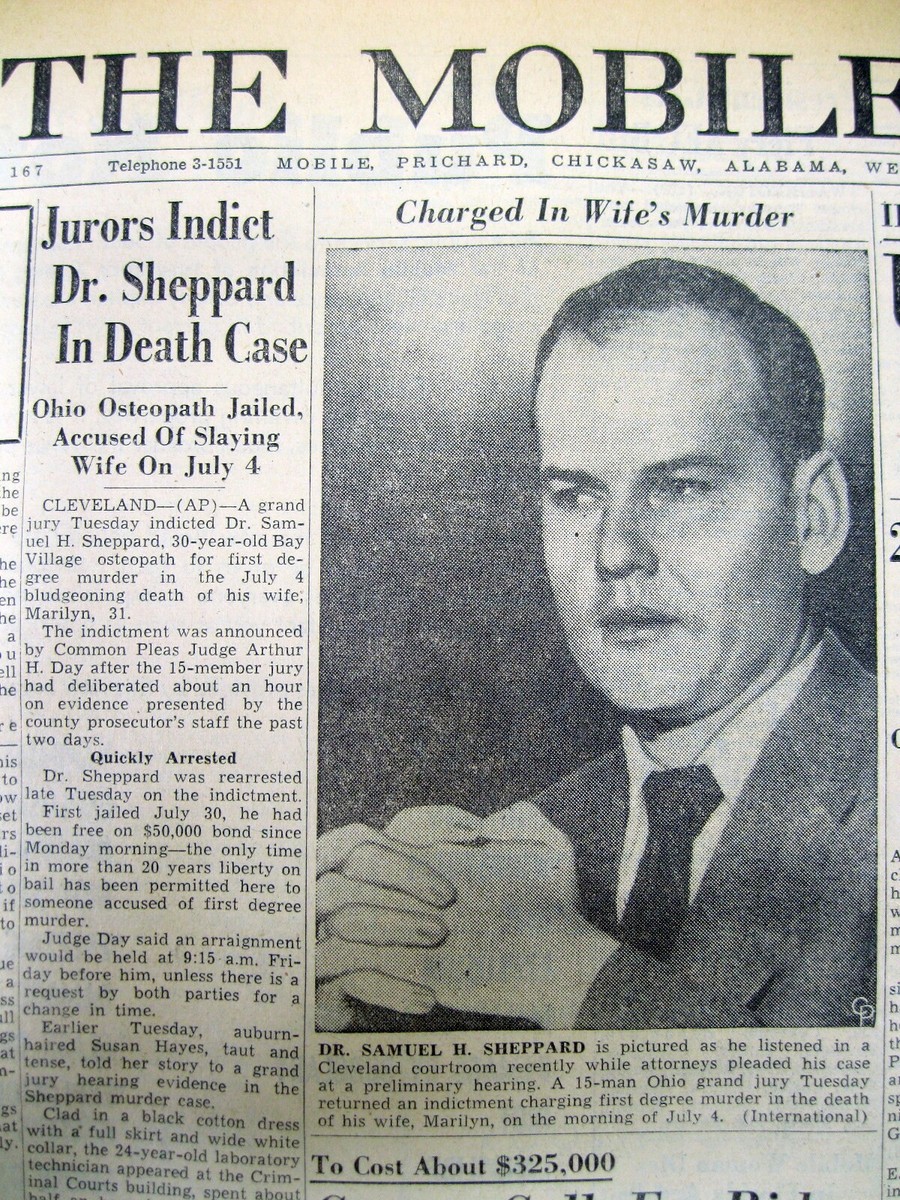
The bloody watch in the yard that didn't fit the intruder story
The watch was in the grass of the Sheppard yard, its face crusted with blood. It belonged to Sam Sheppard, the husband of the…
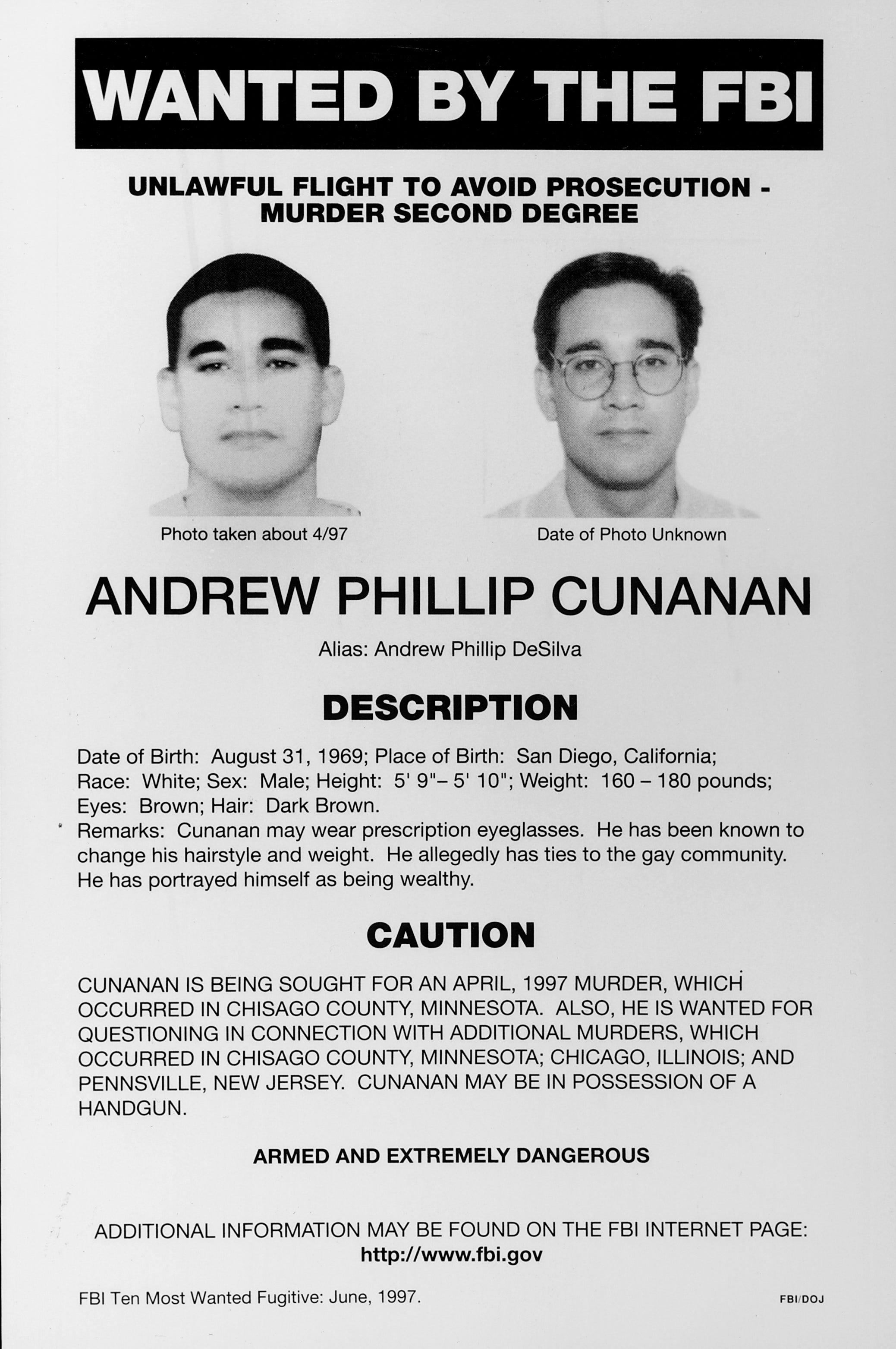
The wanted poster at a Miami hotel that no one looked at for a month
The wanted poster sat at the front desk of the Normandy Plaza hotel in Miami Beach for over a month. It showed Andrew Cunanan,…
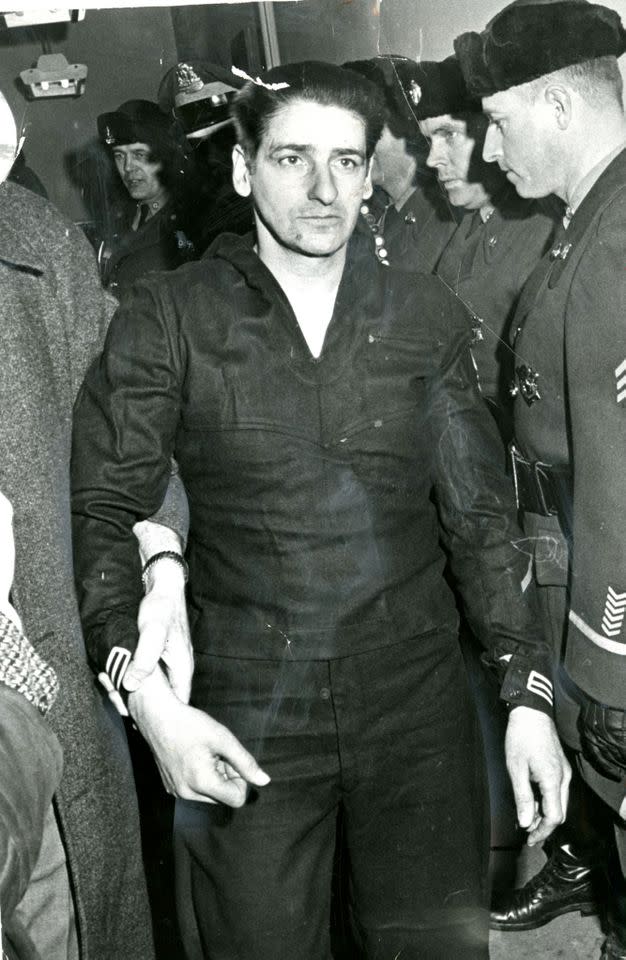
The confession that never reached a courtroom — and the DNA match that came 49 years too late
In 1965, Albert DeSalvo was already in custody for other crimes when he confessed to being the Boston Strangler. His attorney, F. Lee Bailey,…