The midnight shift that ended in a Queens alley for bar manager Kitty Genovese
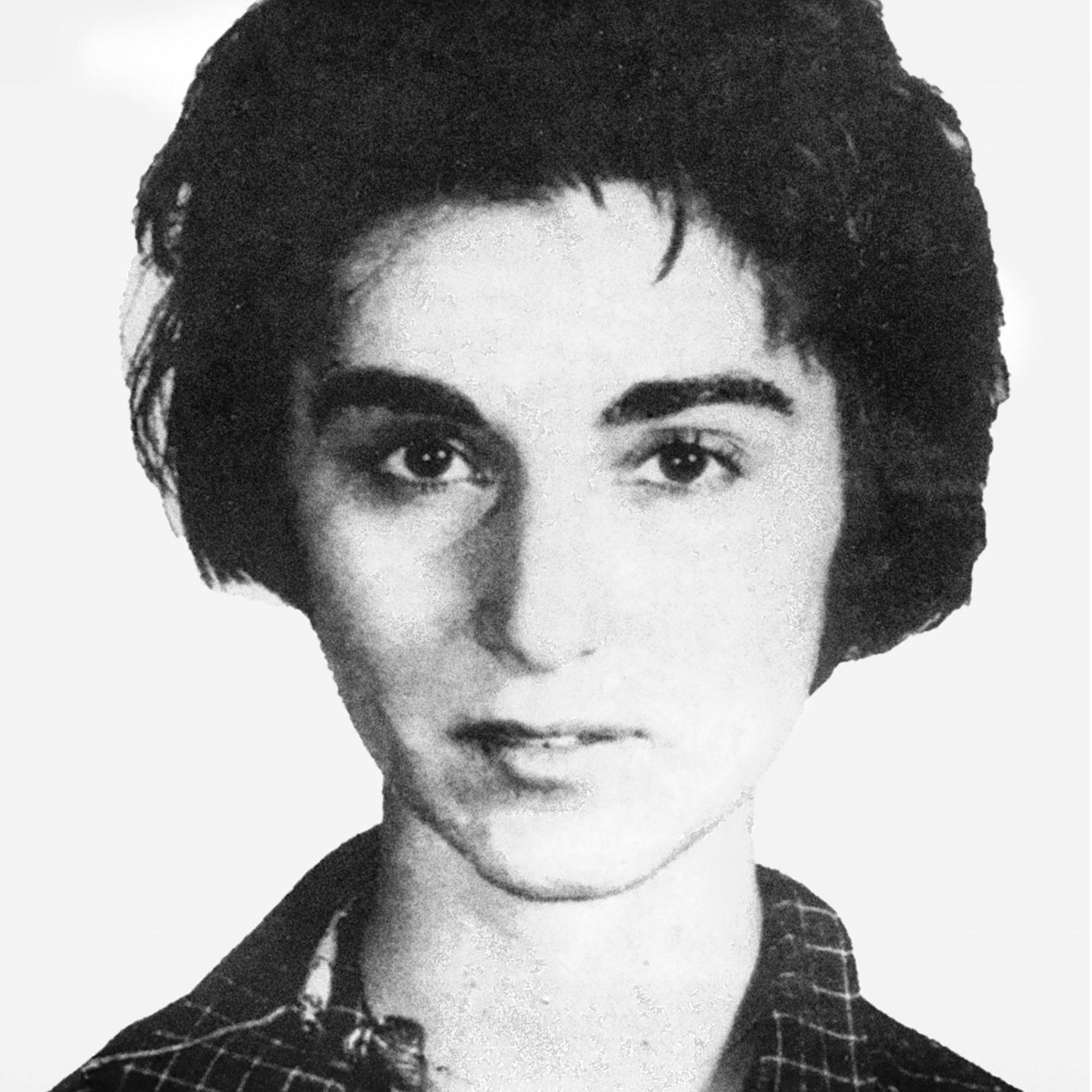
She was 28 years old and managed a bar.
Her name was Catherine Genovese, though everyone called her Kitty.
She was coming home from work in the early hours of March 13, 1964.
The attack happened outside her apartment building at 82-70 Austin Street in Kew Gardens, Queens.
It did not happen all at once.
It happened in two separate phases, spread across roughly half an hour.
A neighbor eventually called police.
Kitty Genovese was found shortly after, and she died from her wounds.
The case became famous for a number: 38.
A newspaper reported that 38 witnesses saw or heard the attack and did nothing.
That number is not established.
The exact number of witnesses, and what they did or did not do, is a disputed newspaper narrative, later challenged and re-examined.
What the record does establish is a half-hour attack in two phases.
What the record does not establish is who watched, who heard, and who turned away.
The man who would be charged with the killing was not a stranger to the neighborhood.
He was 29, married, and lived in Queens with his wife and children.
He was arrested days later, after a tip from a neighbor who recognized him.
He was driving a car that matched a witness's account.
He confessed.
But that is the next part of the story.
For now, there is only the early morning, the street, and the two phases of an attack that lasted half an hour.
A bar manager coming home from work.
A knife.
And a question the record still leaves open: how many people heard, and how many chose silence?
THE MAN IN THE CAR
Six days passed.
Six days after the attack, a neighbor recognized a man from a description police had circulated.
Winston Moseley was 29 years old.
He was a married man who lived in Queens with his wife and children.
Police arrested him on March 19, 1964.
He was driving a car that matched a witness's account when taken into custody.
The arrest came after a tip from a neighbor who recognized him.
He confessed quickly.
He admitted to killing Genovese.
He also confessed to the murder of Annie Mae Johnson, a woman killed in a separate incident.
He admitted to a series of burglaries and assaults.
Not because he was a stranger to the neighborhood.
But because he was a man the record places in a car, on a street, in a borough where he lived.
How did a married Queens man with a family become the focus of a murder investigation days later?
That would require evidence.
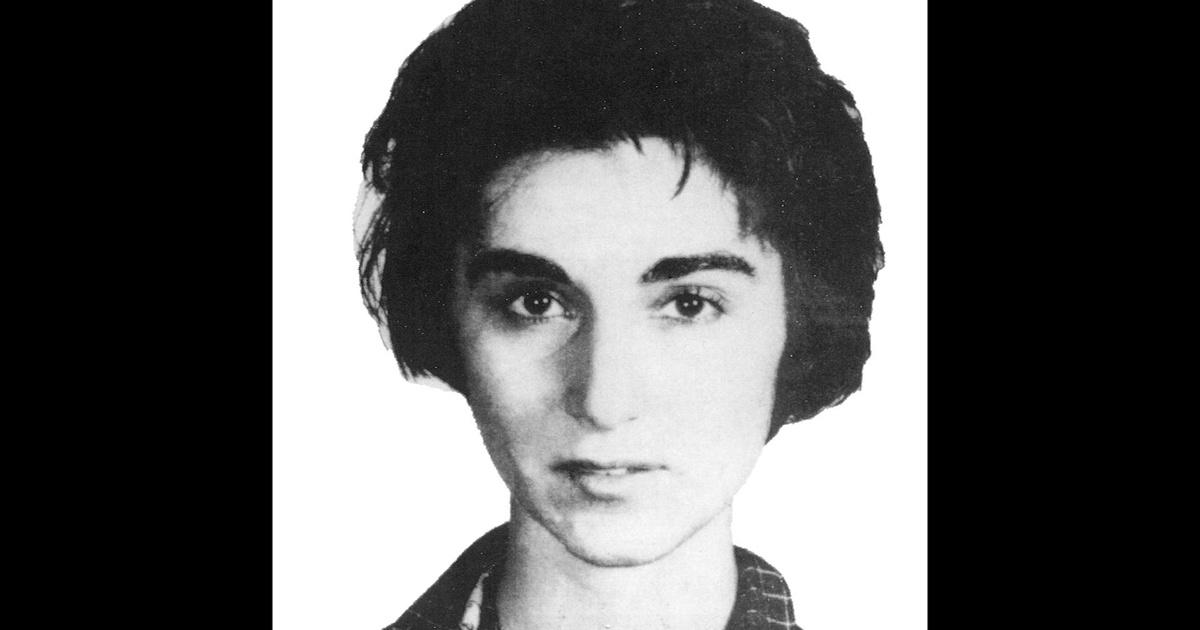
What Moseley was doing in the hours before the attack is not in the record.
The record holds his confession.
The record holds the car.
The record holds the tip from a neighbor who knew his face.
It does not hold what he did before the knife.
He was arrested.
He confessed.
He was charged.
THE CONFESSION AND THE KNIFE
He confessed.
The lead detective took the confession, and the case was built largely on Moseley's own statements.
It was also built on physical evidence linking him to the crime scene.
The knife was the weapon used in the attack.
The autopsy confirmed Genovese had been stabbed multiple times.
The specific details of that physical evidence are not in the record.
Neither are the specific findings beyond the multiple stab wounds.
Moseley was tried in June 1964.
The defense argued not guilty by reason of insanity.
The jury rejected that defense.
He was convicted of first-degree murder.
A confession, a knife, a body. A jury heard the insanity argument and did not accept it.
Not because the record shows a clean motive. Because that would require evidence.
The weight here is in the confession itself, and in what the autopsy sheet states plainly.
She was stabbed multiple times.
That is documented.
Everything else about that half hour — the exact sequence, the precise number of wounds, the path of the knife — remains in the record only as accusation and admission.
The confession is a statement. The knife is an object. The autopsy is a finding.
Three things, each carrying its own weight.
The defense argued he could not be held responsible. The jury decided otherwise.
The trial was in June 1964, months after the arrest.
He was charged. He was tried. He was convicted.
THE VERDICT AND THE SENTENCE
The jury deliberated, and the verdict came back.
Moseley was convicted of first-degree murder.
The judge sentenced him to death.
The conviction was upheld on appeal.
Then the law changed.
In 1967, New York State abolished the death penalty.
Moseley's sentence was commuted to life in prison.
He would spend the rest of his life inside.

Parole came up again and again.
He was denied parole multiple times over the following decades.
The specific reasons for each denial are not in the record.
Not the record. Not the public file. Not the news coverage of the time.
What is documented is the denial itself.
What is documented is the pattern.
Moseley remained in prison for the rest of his life.
He died in prison on March 28, 2016, at the age of 81.
The man who confessed to killing Kitty Genovese never walked free.
The sentence was life, and life is what it was.
The arc of the case ended where the law placed it.
A conviction. An appeal. A commutation.
A man who died in a cell.
The finality is in the dates.
The verdict was in 1964. The death warrant was set aside in 1967. The end came in 2016.
Fifty-two years after the night on Austin Street.
He was not released.
He was not pardoned.
He was held until he died.
AND THE STORY STILL ISN'T OVER
The record is not a fixed thing.
The exact number of witnesses, and what they saw or heard, is not established by the record.
Later reporting and a book by journalist Kevin Cook challenged the original "38 witnesses" narrative.
They suggested the number of witnesses and their inaction were exaggerated.
The case has been the subject of extensive re-examination.
Not because the facts of the attack changed.
But because the story around it changed.
Kitty Genovese's family, including her brother William Genovese, has spoken publicly about the case and its legacy.
They have spoken about what was done.
They have spoken about what was not done.
They have spoken about what the record does not show.
The site of the murder has been memorialized.
A place of violence became a place of remembrance.
The case has become a touchstone in discussions of bystander behavior and urban apathy.
It is cited in classrooms.
It is cited in studies.
It is cited in arguments about what people owe one another.
The meaning is still being contested.
The legacy is unresolved.
That would require evidence the record does not provide.
Advertisement
You may also like
The pajama top fibers that tied a Green Beret doctor to a murder scene he blamed on hippies
The pajama top was never found. It was never recovered from the house, never turned up in the woods, never produced by anyone who…
The cell phone records that put Adnan Syed near Leakin Park — and the alibi witness never called
A classmate later came forward with a name and a date: Asia McClain said she had seen Adnan Syed in the school library around…

The repeat offender with a palm print on a bedpost after Polly Klaas vanished
She was twelve years old, asleep at a slumber party in her mother's home in Petaluma, California. The night was October 1, 1993. Two…
The confession to a psychologist that broke the Menendez brothers' alibi
The 911 call came in at 11:47 p.m. from the mansion on North Elm Drive, and Lyle Menendez was sobbing into the phone. "My…
The drifter who turned a Miami morning into a fashion icon's last walk
The man who walked up the steps of Casa Casuarina that morning had, for years, been inventing himself. Andrew Cunanan was 27 years old,…
The Army vet and the teen who met in Antigua — what made them a sniper team
He was forty-one, an Army veteran with firearms training from the Gulf War. She was seventeen, a teenager from Jamaica. They met in Antigua.…