A mother's shopping trip, a Sears toy aisle, and the six-year-old who never came home

The Sears store at the Hollywood Mall had an air-conditioned hum and a toy aisle that ran long and bright.
On July 27, 1981, six-year-old Adam Walsh stood in that aisle.
Witnesses reported seeing him there alone, a small boy among the boxes and the plastic displays.
His mother, Revé Walsh, was shopping nearby in the same store.
Not at the register. Not at the door.
Somewhere in the building, a few aisles over, in the ordinary middle of a summer errand.
The toy aisle is the last documented place Adam was seen.
Decades later, that detail still draws attention — the banality of it, the way a boy could vanish between a shelf of games and a stack of dolls.
What happened in the toy aisle after witnesses saw Adam alone is not established by the record.
No footage shows it.
No witness describes it.
The record holds only the sighting itself: a six-year-old, alone, in a department store on a Monday afternoon.
His mother was close.
That is the fact that does not move.
She was shopping nearby, and the aisle was full of things a child might reach for.
And then the aisle was empty.
THE ABDUCTION AND THE SEARCH
On July 27, 1981, Adam Walsh was abducted from the Sears store at the Hollywood Mall in Hollywood, Florida.
His mother, Revé Walsh, was shopping nearby.
The initial investigation focused on the Sears store.
Police initially suspected a store employee, but he was cleared.
The exact method of abduction is not in the record.
No other suspect was named at the time.
The case was investigated by the Hollywood Police Department and the FBI.
The investigation was criticized for early missteps.
The abduction scene was not secured.
Some evidence was lost.
That is not a theory; it is what the record shows.
The family waited while the scene was not secured.
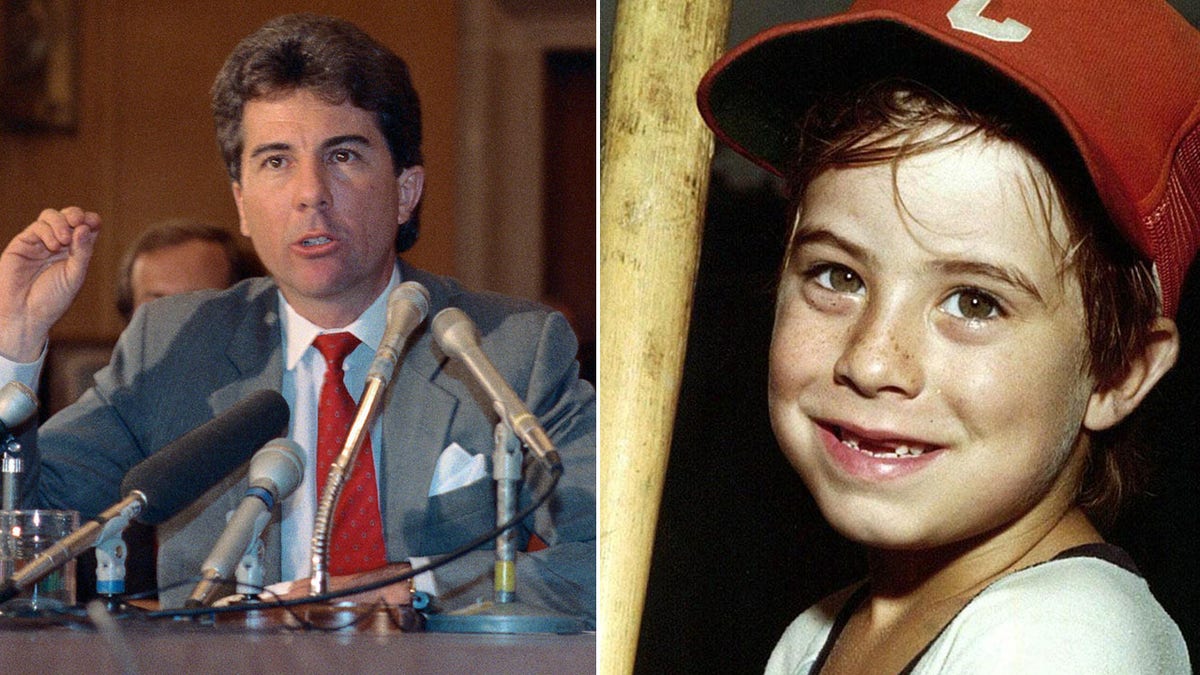
Adam was the son of John Walsh and Revé Walsh.
John Walsh was not yet the host of "America's Most Wanted."
He was a father whose son was missing.
The lead detective was Jack Hoffman of the Hollywood Police Department.
He is named by role in the record, but his name does not appear in news coverage of the case.
So he is the lead detective here.
The store was searched.
The mall was searched.
The hours after the abduction were searched.
What was found was not enough.
The employee was cleared.
The scene was compromised.
The evidence was lost.
That would require evidence.
The search went on.
The family waited.
The case was not yet the one that would close in 2008.
It was the one that began with an empty aisle.
THE DRAINAGE CANAL
October 10, 1981. A severed head found in a drainage canal along the Florida Turnpike near Vero Beach.
The canal sat about 120 miles from the Sears store in Hollywood, Florida.
The discovery came more than two months after the abduction.
The remains were identified as Adam's.
His body was never recovered.
The medical examiner examined Adam's remains.
The cause of death is not established in the record.
How Adam died is not established in the record.
Not because the exam was incomplete. Because the source material does not say.
The boy who was last seen alone in a toy aisle had come to rest in a ditch far from home.
It is a grim finality. It is also a beginning of another kind of wait.
The family had waited through the search. Now they would wait through the questions.
What happened in those two months? What happened in that canal?
That would require evidence the record does not supply.
The head was there. The body was not.
She was on the ground below the empty aisle, and now the ground held only part of him.
The investigation would turn to the store, to an employee who was cleared, to confessions that would come later and never hold.
But on October 10, 1981, there was only the finding.
A partial remains. A distance of 120 miles. A body that never came back.
The medical examiner's name is not used here.
The lead detective's name is not used here.
What is used is the date, the place, the distance, and the fact of the body's absence.
That is what the record establishes.
Nothing more.
THE CONFESSIONS AND THE NAMING
In 1983, Ottis Toole was already in prison for other crimes when he confessed to abducting and killing Adam.
He later recanted.
Then he re-confessed.
Then he recanted again, and the cycle repeated.
His confessions were inconsistent on details.
Toole was never charged in Adam's death.
That is the record.
In 1996, after Toole died in prison, the Hollywood Police Department named him as the killer.
They cited his confessions and other evidence.
What that other evidence was, the record does not detail.
The reliability of Toole's confessions is not established.
He was never charged.
In 2008, the Hollywood Police Department officially closed the case, declaring that Toole had acted alone.
No one was ever tried.
No one was ever convicted.
The naming came after the man was gone.
The declaration came decades after the boy was taken.
A resolution that is not a conviction.
That is what the record leaves: a name, a claim, and no trial.
For the Walsh family, the case was closed by officials.
But closure, in a legal sense, never happened.
Not because the evidence was tested.
Because it was never tested in a courtroom.
Toole gave his confessions from a prison cell.
He took them back.
He gave them again.
The inconsistencies were never resolved by a jury.
They were resolved by a police statement in 1996, and repeated in 2008.
That would require evidence.
The record does not provide it.
The case is closed.
The question of what Toole actually did remains open in the record.
AND THE STORY STILL ISN'T OVER
In 2008, the Hollywood Police Department officially closed the case, declaring that Ottis Toole had acted alone.
Toole was never charged. No one was ever tried or convicted in Adam's death.
The case file is closed. The record does not provide any future legal steps.
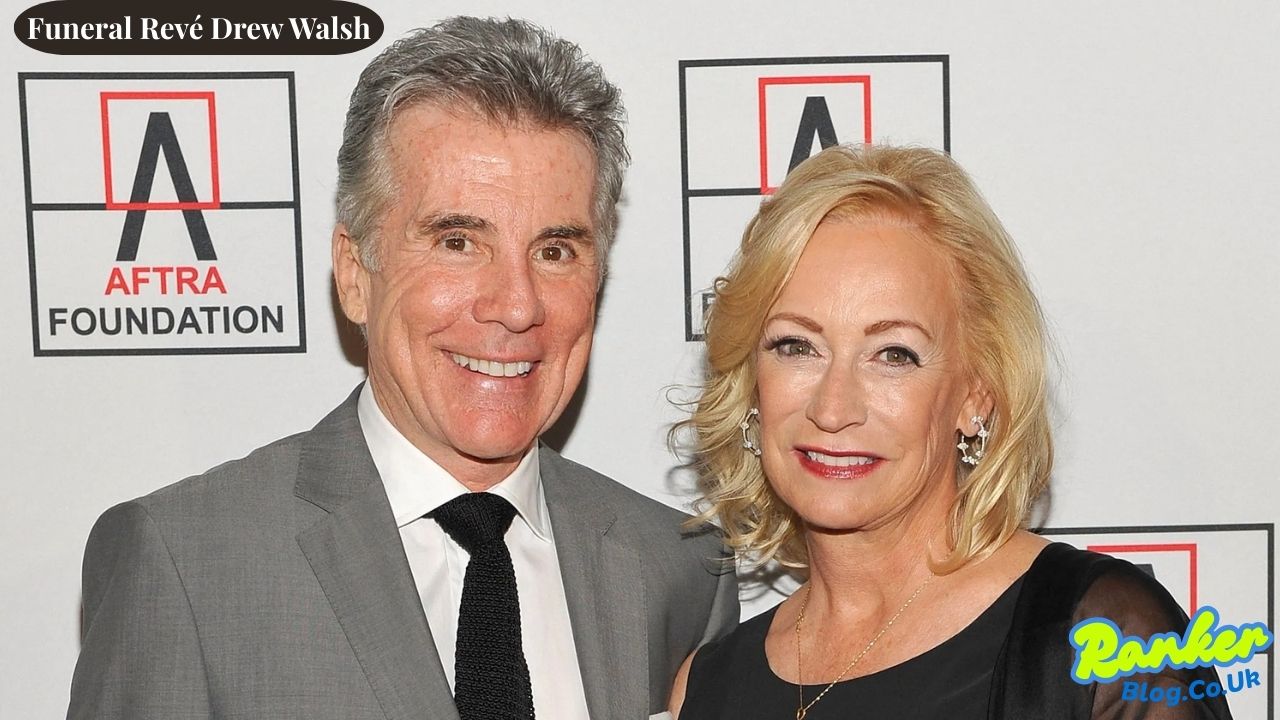
John Walsh and Revé Walsh have continued to advocate for victims' rights.
John Walsh hosted "America's Most Wanted" from 1988 to 2013 and has remained a prominent crime victims' advocate.
In 2006, the Adam Walsh Child Protection and Safety Act, a federal law addressing sex offender registration and notification, was signed.
It is a law named for a six-year-old boy.
It is also a law that exists because his parents kept working.
The absence of a trial still lingers. That is not a theory. It is the record.
What Toole actually did remains open in the record. The case is closed. The family's work continues.
Advertisement
You may also like
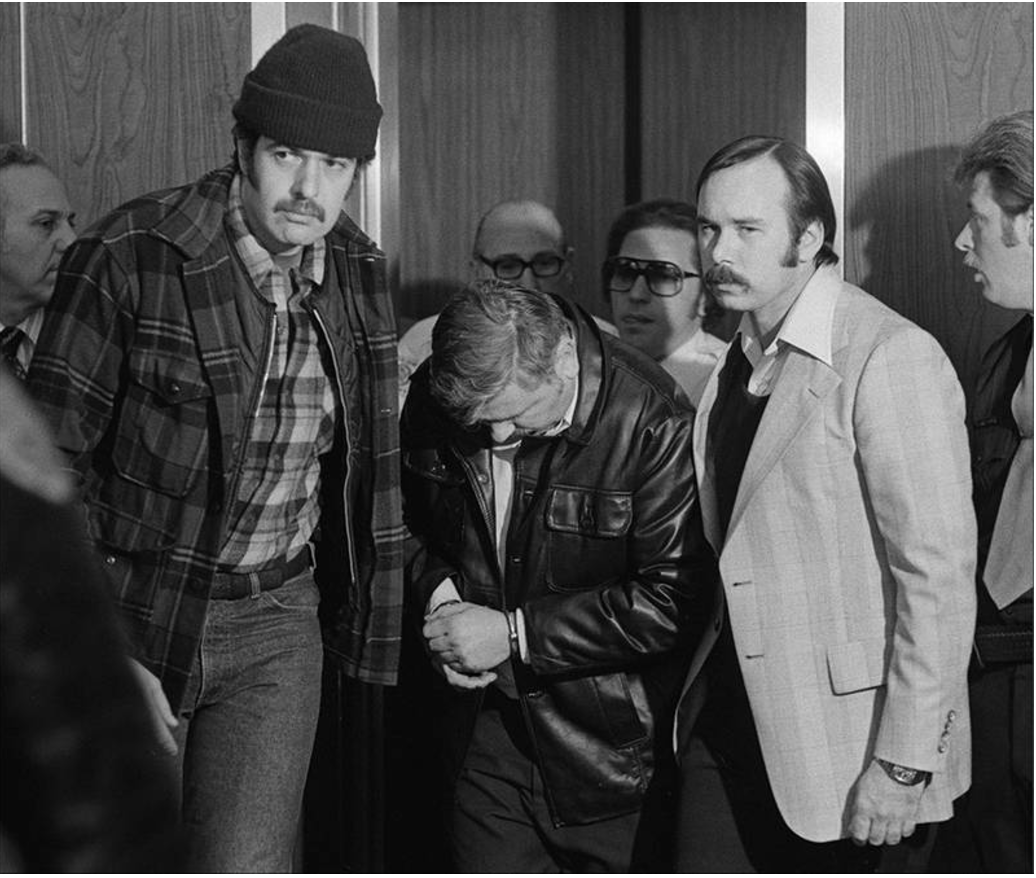
The crawl space at 8213 West Summerdale Avenue and the remains that ended a contractor's clown act
The crawl space ran beneath 8213 West Summerdale Avenue, a low, dark place under a contractor's house in Norwood Park Township, Illinois. Between 1972…
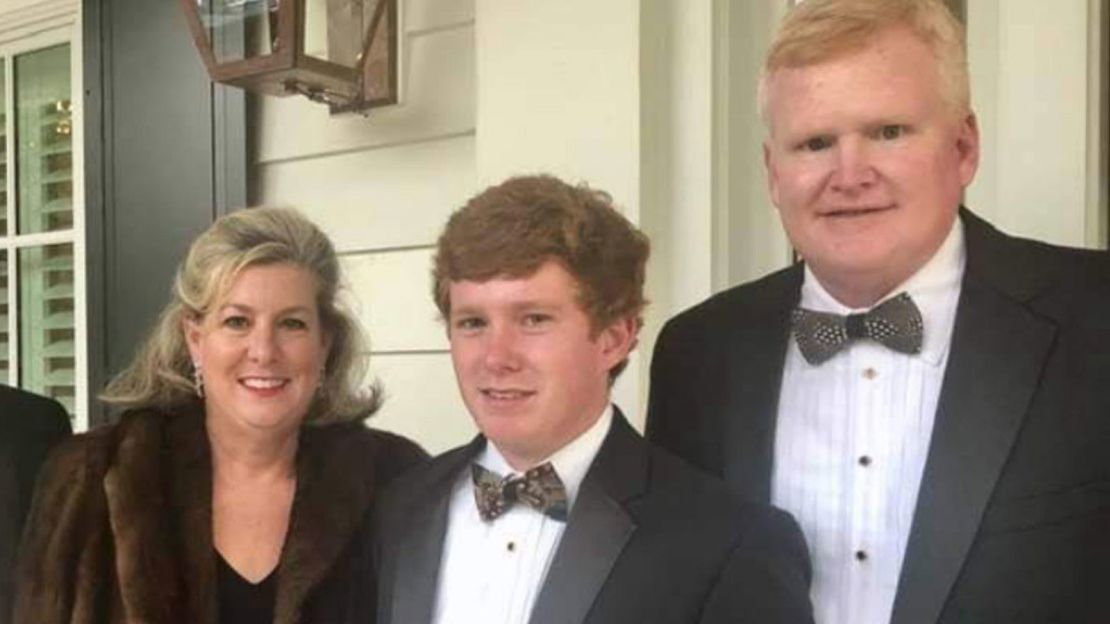
The 8:44 p.m. video that broke Alex Murdaugh's alibi — and the appeal that may decide his fate
The video is dark, grainy, and just over a minute long. It was recorded at 8:44 p.m. on June 7, 2021, from Paul Murdaugh's…
The $5,800 in ransom cash a boy found on a riverbank in 1980
The bills came apart in his hands. A boy named Brian Ingram was walking along the Columbia River near Vancouver, Washington, in 1980 when…
The .35 caliber Marlin rifle that ended six lives — and the confession that followed
The rifle was a .35 caliber Marlin. Police recovered it from the house at 112 Ocean Avenue in Amityville, New York. All six victims…
The cell tower records that placed Adnan Syed near Leakin Park — and the alibi witness never disclosed
She was 18, a senior at Woodlawn High School in Baltimore County, Maryland. Her name was Hae Min Lee. On January 13, 1999, she…
The 21-year-old pilot's logbook, and the instrument rating he never had
The cornfield near Clear Lake, Iowa, held its secret until morning. On February 3, 1959, a small Beechcraft Bonanza had gone down shortly after…