The open letter urging prosecutors to drop a death sentence, and the family behind it
The letter arrived in the spring of 2015.
Bill and Denise Richard wrote it.
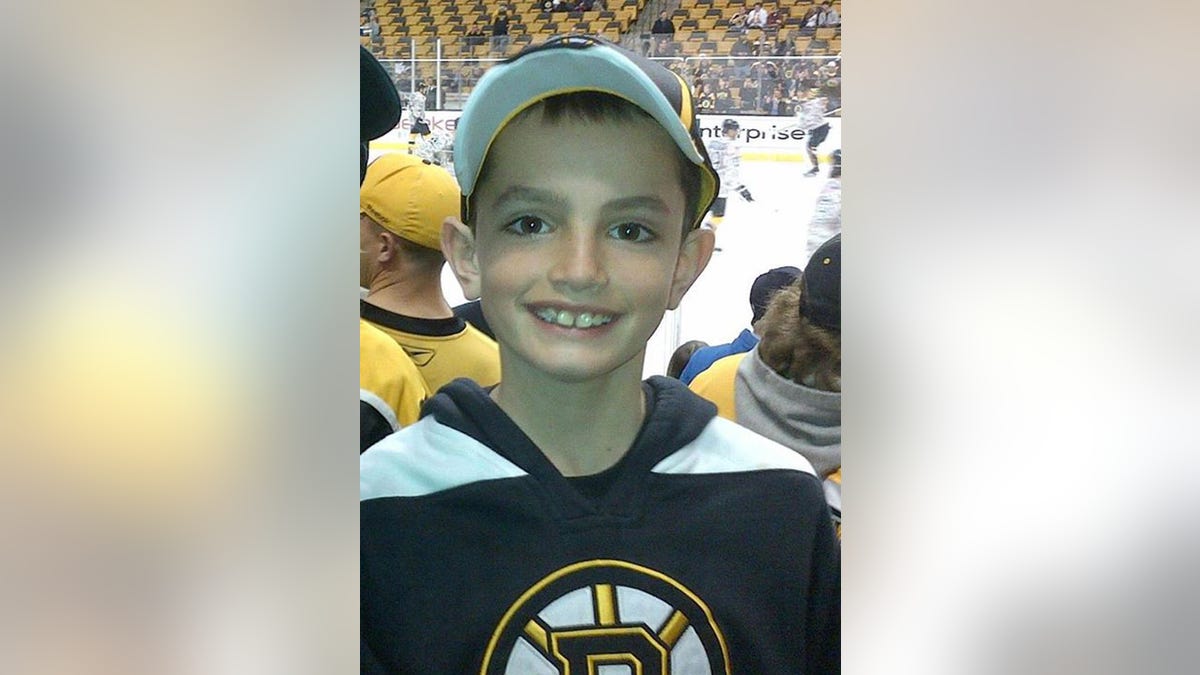
They were the parents of Martin Richard, the 8-year-old boy killed at the Boston Marathon finish line in 2013.
Their plea was directed at federal prosecutors.
They urged those prosecutors to take the death penalty off the table for Dzhokhar Tsarnaev.
Why would the parents of a victim argue against the ultimate punishment?
Why would they ask for less, when the law offered more?
Why would they speak against the state's harshest sentence?
That question is the reason the letter was widely publicized.
The letter was reported, quoted, and debated.
It became part of the public story of the bombing.
It did not become part of the legal record of the case.
Dzhokhar Tsarnaev was sentenced to death.
The exact contents of the letter, beyond its purpose, are not in the record.
What remains documented is the plea itself.
Bill and Denise Richard made it.
The prosecutors did not take the death penalty off the table.
The sentence was imposed anyway.
The letter is a specific, unresolved detail in a case full of them.
It is a fact.
It is also a question that the record leaves open.
THE BOMBS AND THE BROTHERS
The bombs were pressure cookers packed with shrapnel, placed in backpacks.
They exploded about 12 seconds apart near the finish line on Boylston Street.
It was April 15, 2013, Patriots’ Day in Boston.
The first blast killed Krystle Campbell, a restaurant manager from Medford.
The second killed Lu Lingzi, a graduate student at Boston University.
The third victim was Martin Richard, an 8-year-old boy who had been watching the race with his family.
More than 260 others were injured.
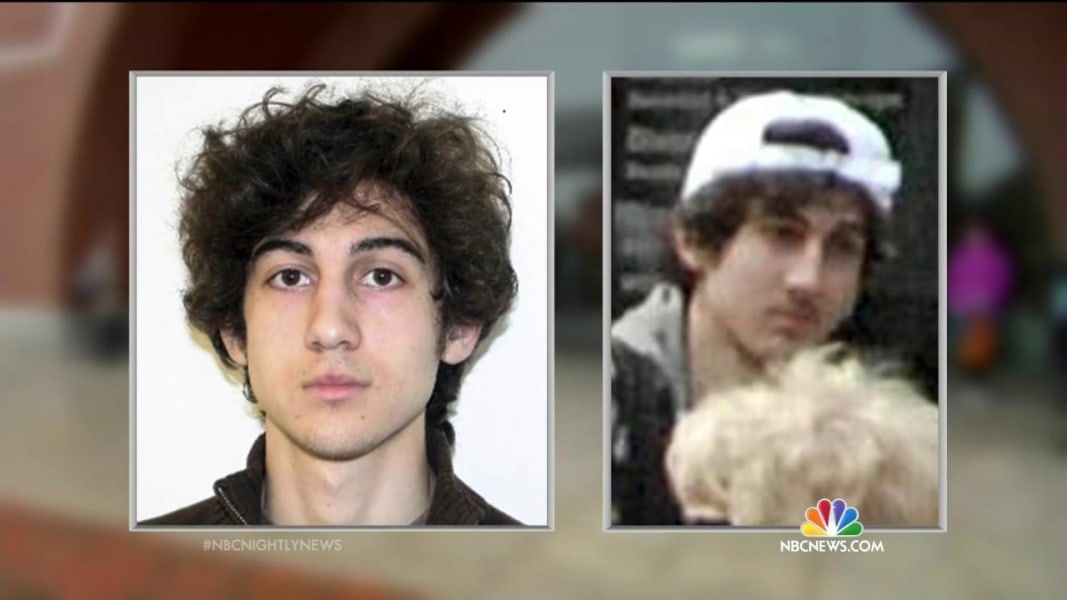
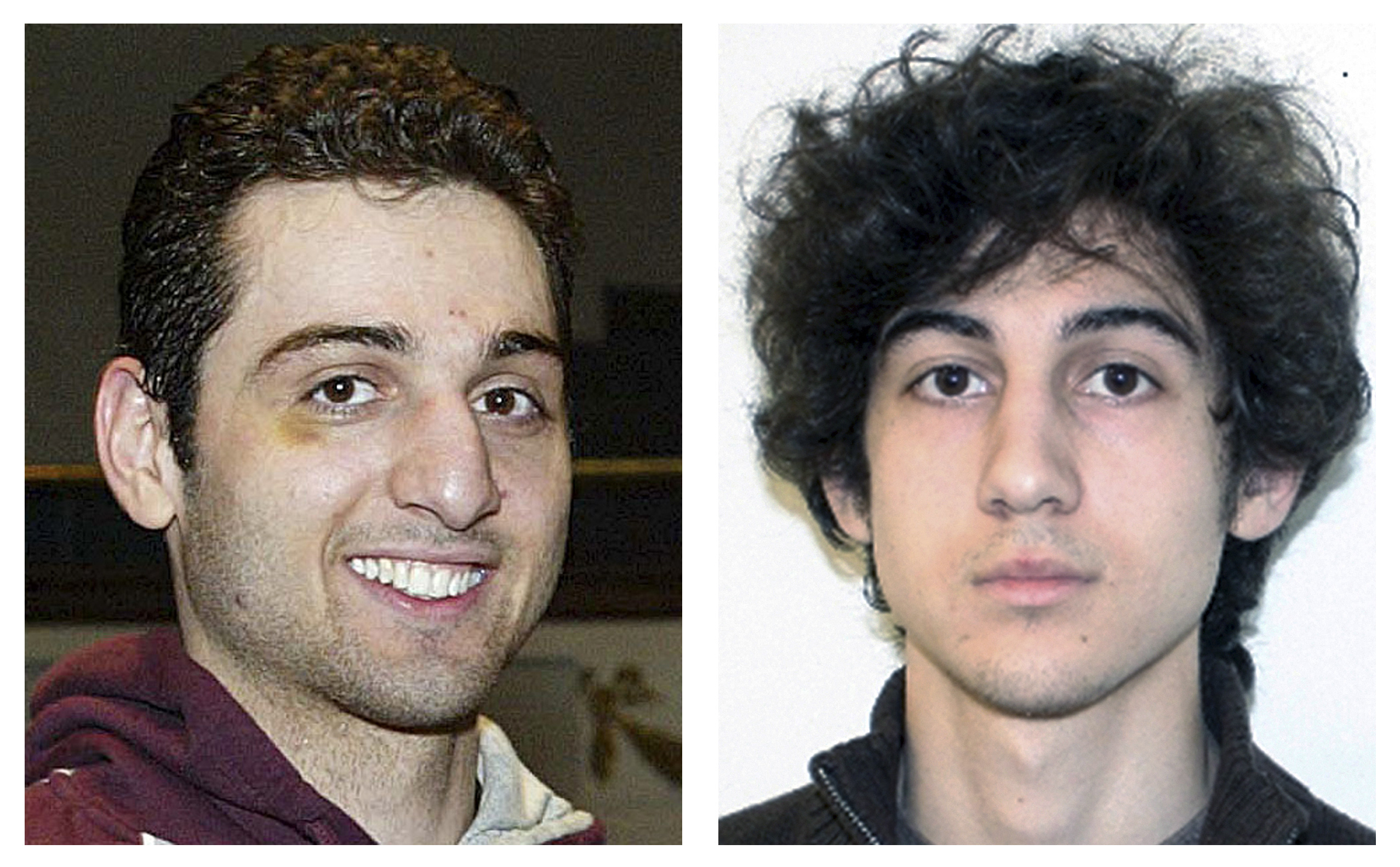
The bombers were brothers, Dzhokhar and Tamerlan Tsarnaev.
Surveillance footage from a department store and a Lord & Taylor camera captured the two suspects.
The FBI released the images on April 18.
That same night, the brothers killed Sean Collier, an MIT police officer, and carjacked a vehicle.
The driver, Dun Meng, escaped.
He called police and provided a description of the suspects and the vehicle.
A shootout followed in Watertown.
Tamerlan was killed in the exchange.
Dzhokhar got away on foot.
Later that evening, a resident found him hiding in a boat in a Watertown backyard.
Police captured him there.
Evidence included bomb fragments.
There was residue on the boat.

There were Dzhokhar’s own writings, found in the boat, in which he expressed extremist views.
The exact contents of those writings are not specified in the record.
The manhunt shut down the Boston metropolitan area.
The city went still.
Martin Richard was on the ground below, and he never got up again.
THE TRIAL AND THE PLEA
The trial began with thirty federal counts.
Use of a weapon of mass destruction, conspiracy, and more.
Dzhokhar Tsarnaev was found guilty on all counts in April 2015.
The penalty phase followed.
The defense, led by Judy Clarke, argued he was influenced by his older brother.
The prosecutors argued he was an equal participant.
The judge imposed the death sentence.
Before that sentence, Bill and Denise Richard wrote an open letter.
They urged federal prosecutors to take the death penalty off the table.
The letter was widely publicized.
It was a plea from the parents of Martin Richard, the 8-year-old killed at the finish line.
It did not change the outcome.
The specific arguments in the letter, beyond its opposition to the death penalty, are not in the record.
The legal machinery proceeded regardless.
In 2020, a federal appeals court overturned the death sentence, citing insufficient jury screening.

The convictions were upheld.
In 2022, the U.S. Supreme Court reinstated the death sentence.
The family’s letter remains a documented moment.
It is a fact of the case file.
It is also a fact that it did not alter the sentence.
The sentence stood.
TWO READINGS OF THE SAME FACTS
The defense argued that Dzhokhar was influenced by his older brother, Tamerlan.
Prosecutors argued he was an equal participant.
The Richard family’s open letter urged prosecutors to take the death penalty off the table.
It reflected a belief that a life sentence might be more just, or more healing.
The motivations behind the letter are not explicitly stated in the record.
That is not established.
What is documented is the letter’s publication, and what came after.
The record shows the death sentence was imposed despite the letter.
The sentence stood.
Later, a federal appeals court found a procedural flaw in jury screening.
That flaw was not a question of guilt.
The court overturned the death sentence but upheld the convictions.
The Supreme Court reinstated the death sentence in 2022.
The letter did not change the legal outcome.
The punishment remained.
The family’s words were public; the sentence was final.
Two readings of the same facts: punishment versus closure.
The defense saw a younger brother led.
The prosecution saw a man who acted.
The Richards saw a process that might not heal.
The court saw a sentence that should stand.
What the letter asked for was not granted.
What it said remains a matter of record.
What it meant to the family is not in the case file.
That would require evidence.
AND THE STORY STILL ISN'T OVER
Dzhokhar Tsarnaev remains on federal death row at a U.S. penitentiary in Colorado.
His appeals continue.
The record does not specify the current status of those appeals.
That would require evidence.
Tamerlan Tsarnaev is buried in an unmarked grave in Virginia.
No marker. No name.
The brothers' story ended differently.
One buried without a name. One waiting on a federal appeals process.
The Richard family has remained private.

They have been involved in charitable work through the Martin Richard Foundation.
The foundation carries the boy's name.
That name is on a building, a program, a mission.
Not a grave marker, not a case file.
Jeff Bauman lost both legs.
He testified at trial. He wrote a memoir.
He has become an advocate for amputees and a public speaker.
He speaks. The record shows that.
The Boston Marathon continues annually.
It runs the same course. It finishes on Boylston Street.
Enhanced security now lines the route.
Runners pass the spot. Spectators gather there.
It is a race again. It is also a memorial.
The letter remains in the public record.
The sentence remains in force.
The family remains.
The marathon remains.
The appeals remain.
What the letter meant to the family is not in the case file.
What the sentence means to them is not either.
That would require evidence.
Advertisement
You may also like
The friend who called police because Shanann Watts missed her OB-GYN appointment
The appointment was a checkup, the kind that fills a Tuesday morning and is forgotten by lunch. Shanann Watts, 34, was fifteen weeks pregnant…
The surgical cut that pointed LAPD to a doctor's skill — but never to a name
The morning of January 15, 1947, began with a child’s walk through a vacant lot in Leimert Park, Los Angeles. The nude body of…
The Grease-Pencil Message on a Victim's Shirt That Baffled Zodiac Investigators
The cab stopped on a dark street in San Francisco, and the driver was shot. October 11, 1969. The case summary places the killing…
The nurse who ran toward the blast — and the family who told her story
The truck was a Ryder, rented, packed with ammonium nitrate and fuel oil. It exploded outside the Alfred P. Murrah Federal Building in Oklahoma…
The bloody glove found at Bundy and the one at Simpson's estate — 1994
The leather glove sat on the evidence table, and the courtroom went quiet. O.J. Simpson stepped forward and pulled on a pair of thin…
The polygraph Gary Ridgway passed before DNA changed everything
He was a truck painter from Auburn, Washington, and early in the Green River Killer investigation, he sat for a polygraph. He passed. The…